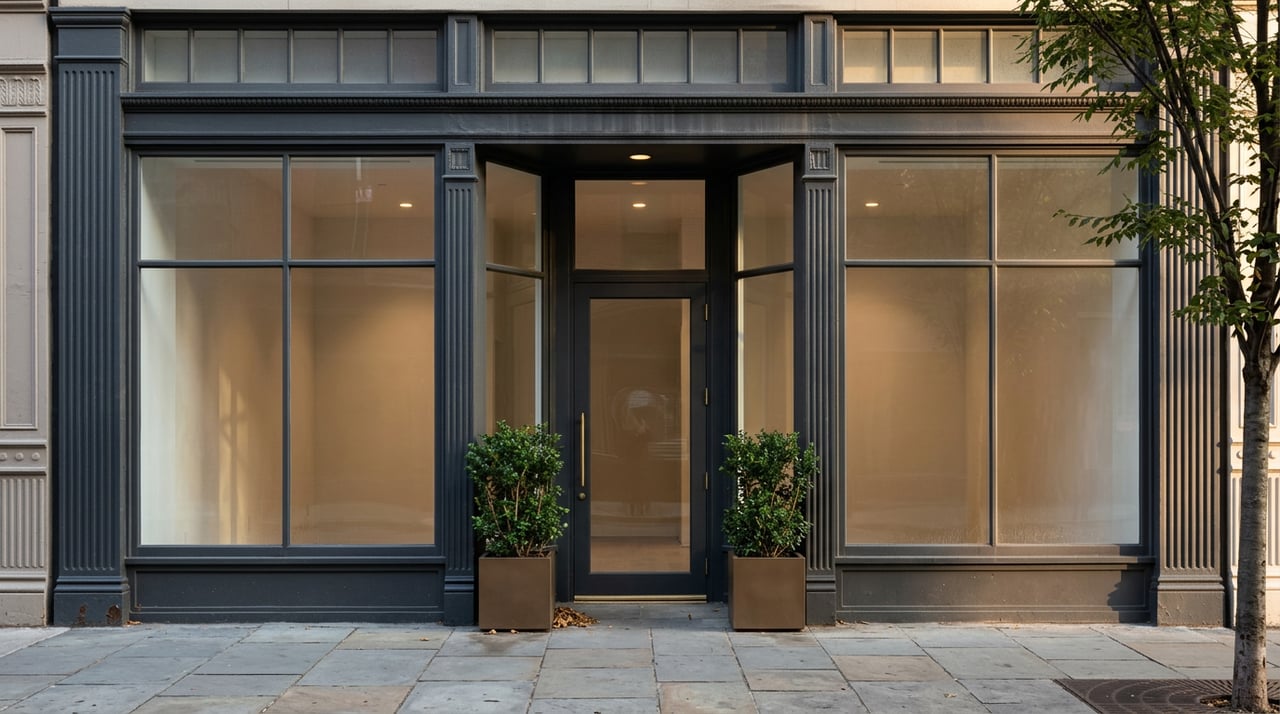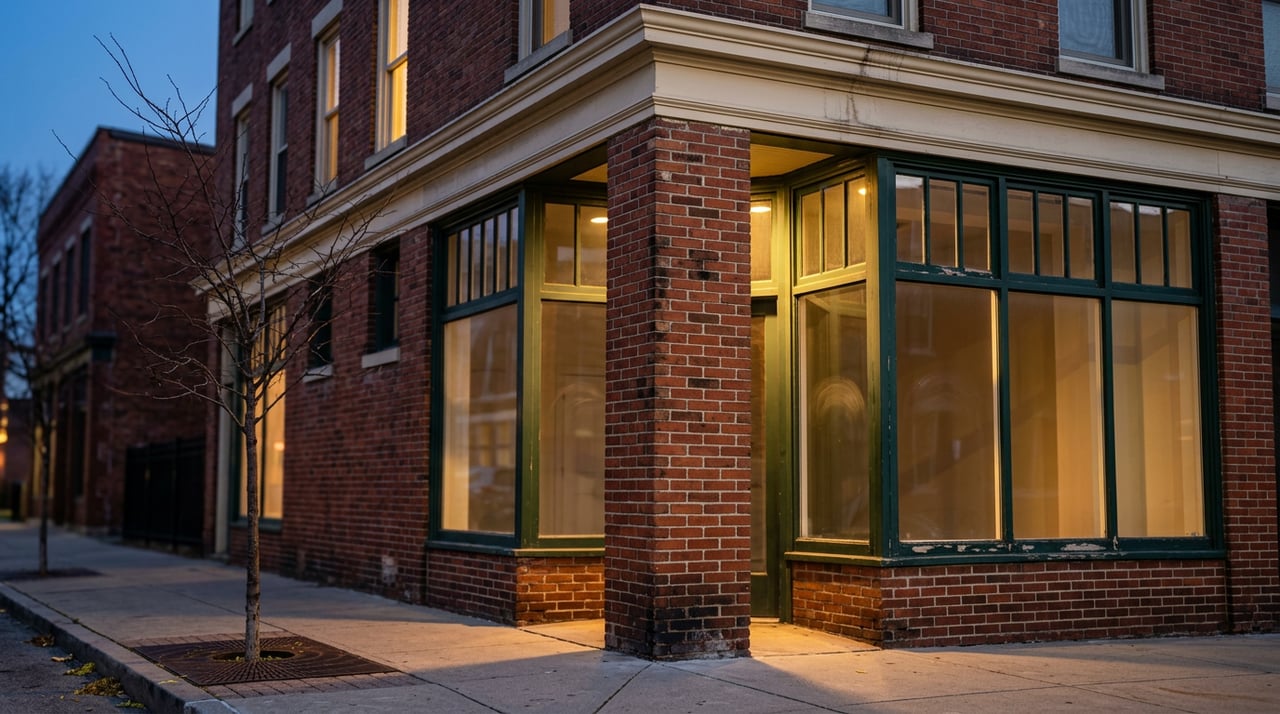
Kamel Moumeni told Patch that, for years after he moved his restaurant off Second Avenue, customers had said: "We love you, but we cannot walk all the way here all the time." He'd taken Jean Claude, the French bistro he built up over three decades, south to 1076 First Avenue at East 59th Street when the building that housed his uptown location got slated for demolition. Now he's bringing it back north, to 1481 York Avenue between 78th and 79th streets, the space Yefsi Estiatorio occupied for fourteen years before closing earlier this year. He's aiming for a September opening.
That single relocation is a small story on its own. Read alongside five other restaurants, some still in the pipeline and others recently opened, it's the clearest evidence yet of something that's been building on the Upper East Side for two years: a construction project on Second Avenue with nothing to do with restaurants ended up rerouting where the neighborhood eats dinner.
The block that started it
Moumeni opened Jean Claude II at 1343 Second Avenue, between 70th and 71st streets, in 2012, carrying the name uptown from the original SoHo restaurant he'd taken over in 1995. It ran there for over a decade. Then, in early 2025, demolition permits were filed for five buildings on that stretch of Second Avenue, and Jean Claude II was one of several tenants pushed out. Italian restaurant Il Divo closed. Afghan Kebab House relocated to 1448 First Avenue. Moumeni went south to 59th Street, further from the residential blocks where most of his regulars actually lived.
It took about two years for him to make his way back. The route he took tells you something about where restaurant supply on the Upper East Side had been thin all along. He didn't return to Second Avenue. He went to York, a block that has the same residential density as Second and Lexington but has never had the restaurant count to match it.
Why York, specifically
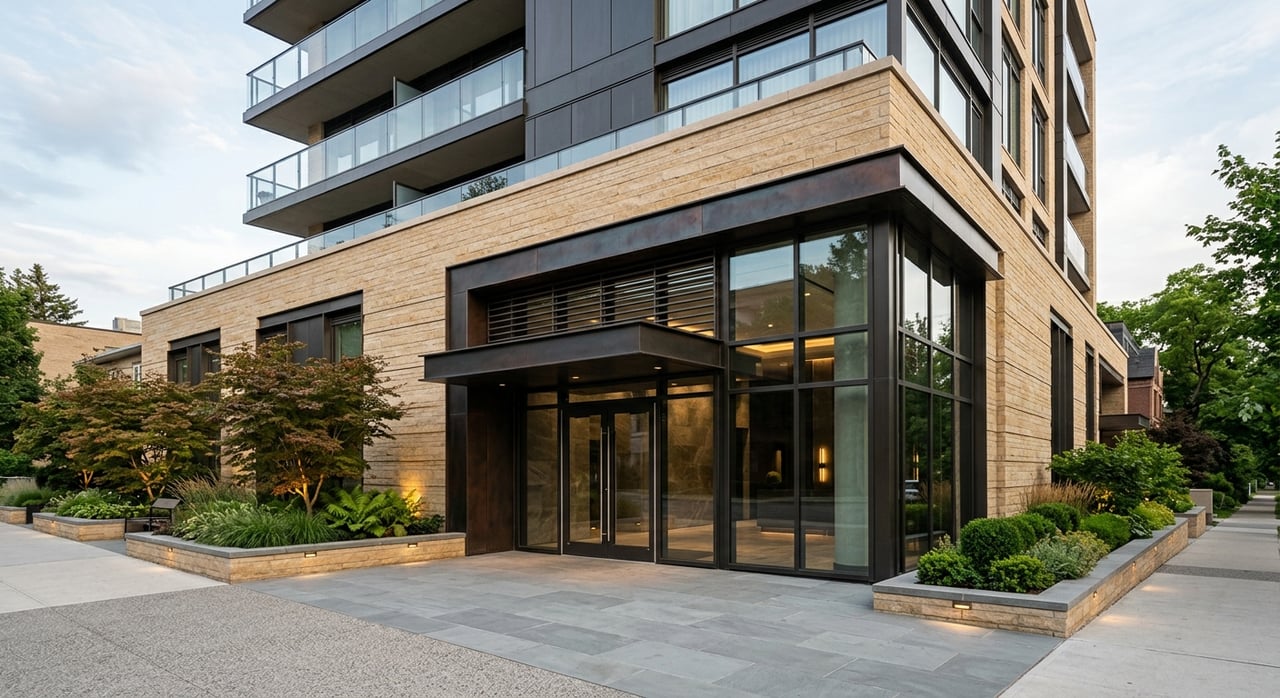
The geographic detail that makes this legible: the John Finley Walk, the East River esplanade, runs directly behind the new Jean Claude address. A two-block walk east from any restaurant on York lands you on one of the quieter waterfront paths in Manhattan. The blocks between York and the river are dense with apartment buildings, not hotels or office towers, which means restaurants there don't need tourist traffic to fill tables on a Tuesday. They need the people who already live within a ten-minute walk, and for years there hadn't been enough restaurants to absorb that demand.
The Second Avenue teardown didn't create that density. It just displaced the operators who might have served it, and it took the length of a lease elsewhere for some of them to find their way back to the corridor that actually needed them.
Other restaurant activity on the Upper East Side
Community Board 8's Street Life Committee offers one window into the restaurant pipeline, while recent openings add to the picture. The five restaurants below read as a pattern rather than a coincidence:
- Zurutto Ramen is taking over the former Sojourn space at 244 East 79th Street, between Second and Third avenues, with 1,800 square feet on the ground floor and another 1,400 in the basement, a service bar and an omakase sushi bar, seven tables and 27 seats upstairs plus 24 bar seats, all under a 75-person capacity.
- La Colina, a quiet Italian room with 23 tables, 62 chairs and a seven-seat bar, is replacing the former Gnocchi House Bar at 1431 First Avenue between 74th and 75th streets. Its owner, Adrian Kercuku, has run da Adriano at 1198 First Avenue since 2023, so this is an operator expanding within blocks of his first restaurant rather than betting on unfamiliar ground.
- Kalo Greek Restaurant is opening at 1007 Lexington Avenue between 72nd and 73rd streets, with 18 tables, 38 seats and an eight-seat bar. The owners already run two Water and Wheat locations and Kukla in Astoria.
- Wainwright's Tavern has taken the former Seamore's space at 1278 Third Avenue. Jay Wainwright, a former Seamore's co-owner, built it into a red-leather, vintage-photo neighborhood room with a menu that runs from a roast chicken and a cheeseburger to oysters Rockefeller and lobster Newburg.
- Dear Margo opened at 961 Lexington Avenue in March, named by owner Dean Pashalis after his grandmother, with a 1,800-square-foot dining room that seats 65 indoors and expands to 100 through accordion glass doors when the weather allows it.
None of these are first restaurants from unproven operators. Every one is a second or third location from someone who already runs a restaurant somewhere else in the city, often within walking distance. That's a specific kind of confidence, and it shows up in the scale of the buildouts: nobody here is leasing 6,000 square feet and betting on volume. They're leasing spaces for neighborhood dining and betting on the same customers coming back five nights a week.
The café layer, and what the rent tells you
A separate wave is filling in mornings rather than dinners. Birley Bakery, the London-based, French-inspired shop, opened at 20 East 69th Street, taking two floors of a building that used to hold Italian café Poppi and a nail salon. Madame Bonté is opening its fourth location at 450 East 81st Street. Kaia, the South African restaurant known for peri-peri deviled eggs and Capetonian street food, is under construction at 1446 First Avenue for its first Upper East Side outpost.
The commercial real estate firm CBRE put the average asking rent for Upper East Side retail space at $252 per square foot in the second quarter of 2026. A café signing a lease at that rate isn't chasing foot traffic from a single weekend brunch crowd. It's betting on the same commuters walking past the same storefront on their way to the subway, five mornings a week, for years. That's a different calculation than a restaurant needs to make, and it's why the café openings are clustering within a few blocks of each other rather than spreading out. They're all reading the same residential density and drawing the same conclusion.
What changes on an ordinary Tuesday
None of this shows up in a single headline count of new openings. It shows up in the specific blocks you walk after dinner. A year ago, the stretch of York between 78th and 79th had a dark storefront where Yefsi used to be. This fall it has Jean Claude. Two blocks south on First, a former gnocchi spot is becoming an Italian room from an owner who already has one restaurant in the neighborhood. On 79th between Second and Third, a sushi counter with two bars is replacing the former Sojourn.
The mechanism underneath all of it is the same. A demolition project on Second Avenue displaced a handful of tenants who had nowhere obvious to land, and the corridor that absorbed them wasn't chosen for its skyline or its foot traffic. It was chosen because the apartments were already full and the restaurants weren't.
Luca Paci Real Estate pays attention to shifts like this because they tend to say more about a block's trajectory than a listing sheet ever will. If you're trying to read what a corridor's retail turnover actually means for the properties around it, Luca Paci is worth a conversation. Request a discreet consultation whenever you're ready to talk it through.