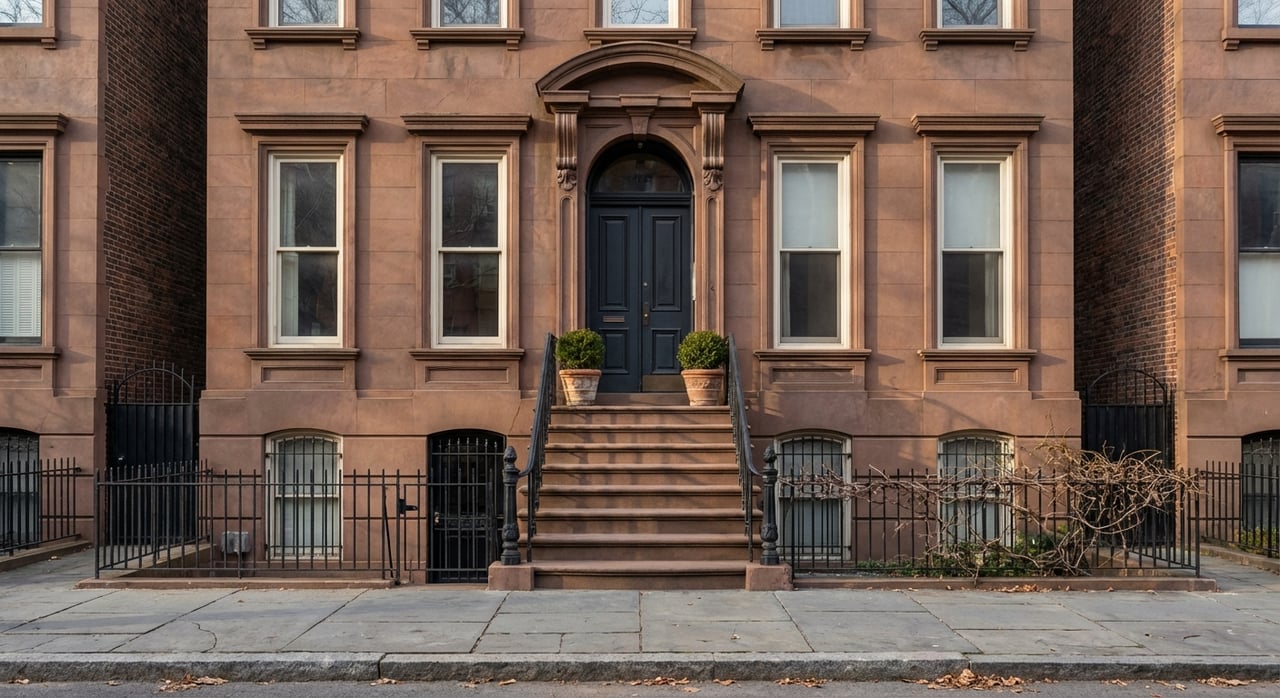
What if the classic Brooklyn stoop you love could also anchor a disciplined, long-term investment plan? In Bedford-Stuyvesant, brownstones blend historic character with durable demand and limited new supply. If you’re weighing a purchase, you want clear guidance on zoning, renovation, rents, financing, taxes, and exit options so you can model both income and appreciation with confidence. This guide gives you a practical, investor-minded playbook tailored to Bed-Stuy. Let’s dive in.
Why Bed-Stuy brownstones hold up long term
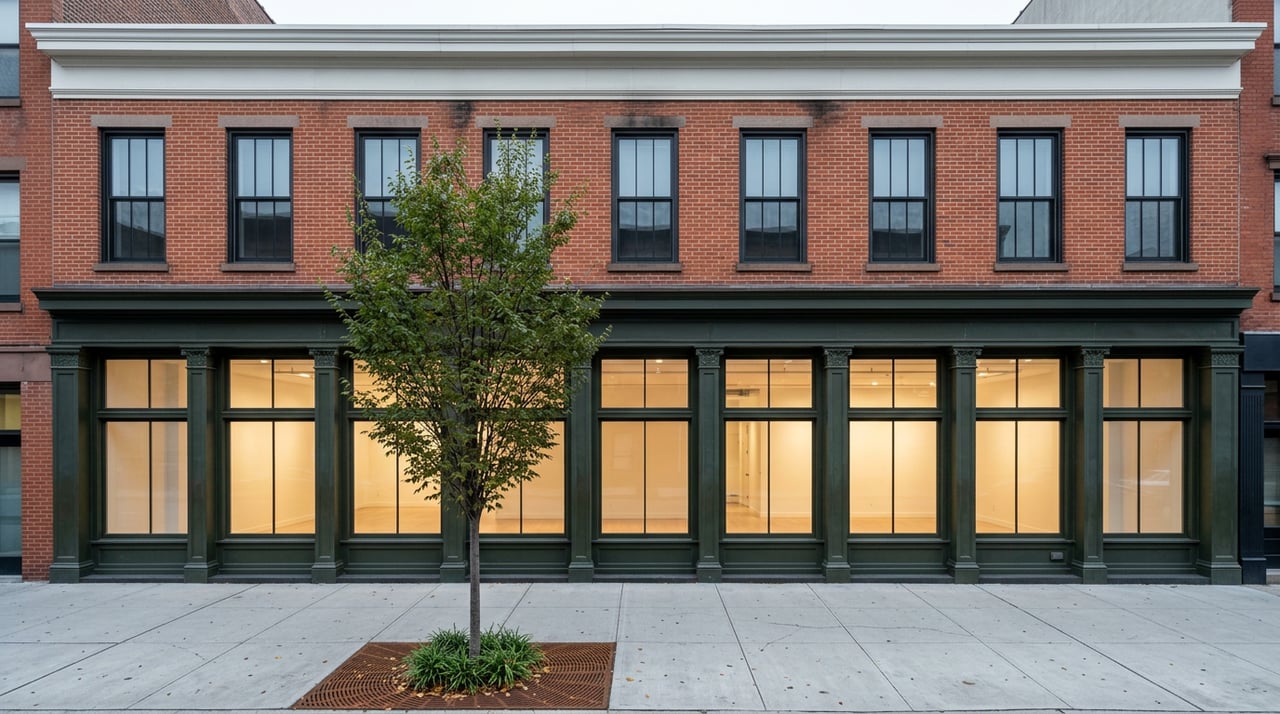
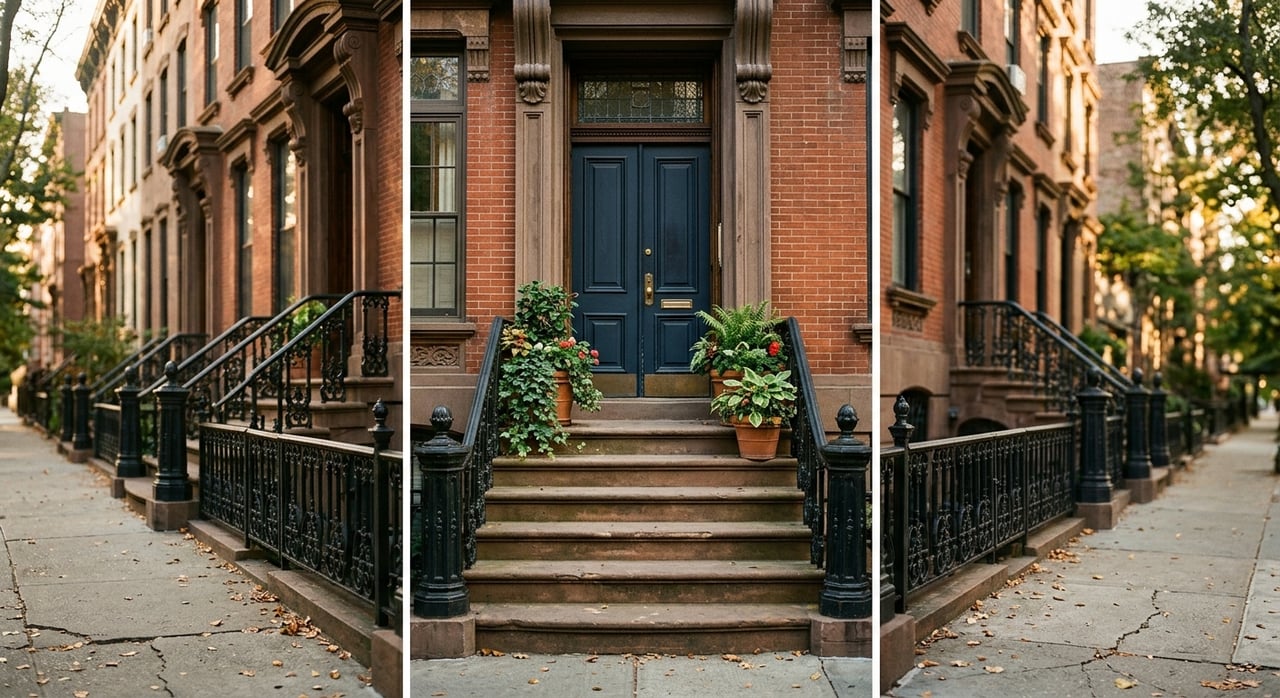
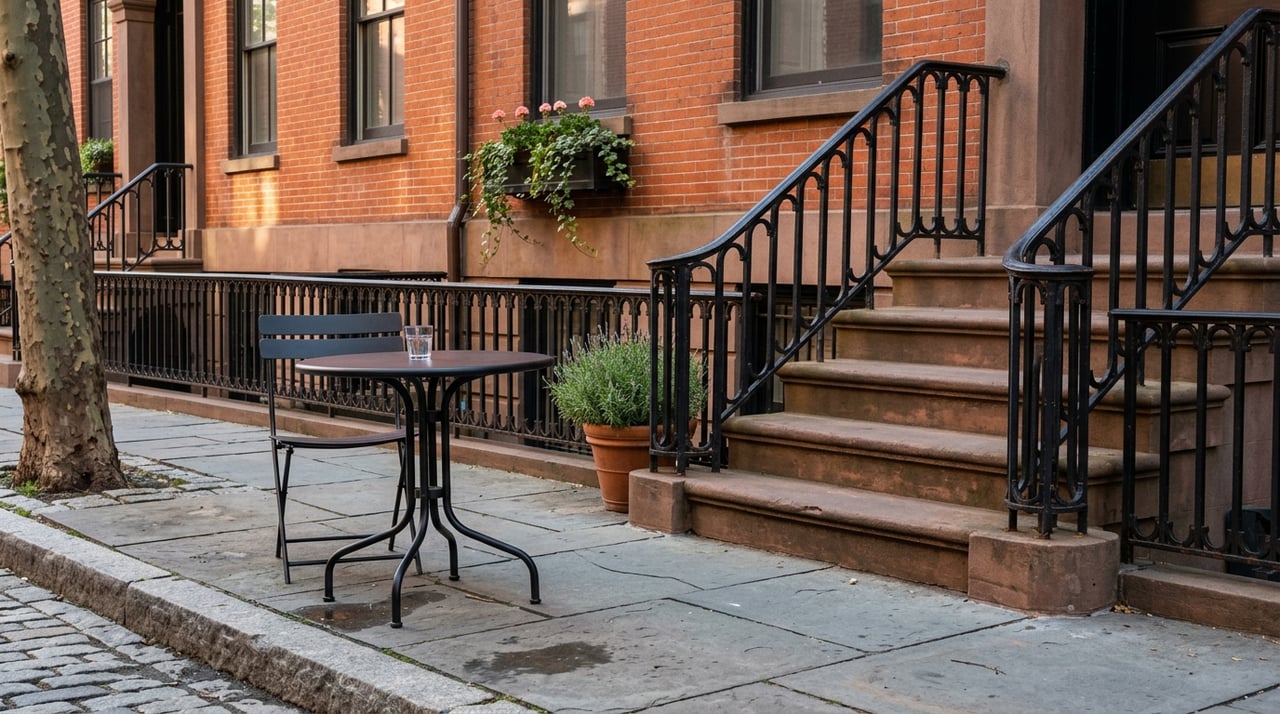
Bed-Stuy spans large swaths of intact rowhouse streets with a deep pool of 1–4 family townhouses. That scale and character are hard to replicate, which supports long-run value for well-renovated homes. Multiple local historic districts further reinforce architectural continuity and curb appeal.
Micro-location matters. Two houses on the same block can attract very different buyers depending on proximity to transit, landmark status, lot depth and garden, and the legal unit count. For every property, confirm zoning and use rules in the NYC Zoning Resolution, and review DOB records, the Certificate of Occupancy, and any open permits or violations before you underwrite.
Zoning, units, and landmarks: what to check
R6B and similar contextual districts are common in Brownstone Brooklyn. In R6B, a typical base residential FAR is about 2.0, with street wall and height limits intended to preserve rowhouse scale. The zoning district informs what you can add, where you can extend, and whether accessory space is viable. Always confirm parcel-specific rules in the Zoning Resolution and via official mapping tools before assuming expansion potential.
Your Certificate of Occupancy sets the legal unit count. Adding or renting an unauthorized unit creates risk that can include inability to collect rent during illegal occupancy periods and other serious penalties. Treat every unverified unit as a red flag and confirm historic registrations with DHCR where relevant. The New York Attorney General’s Residential Tenants’ Rights Guide is a helpful starting point for understanding rent regulation and registration basics.
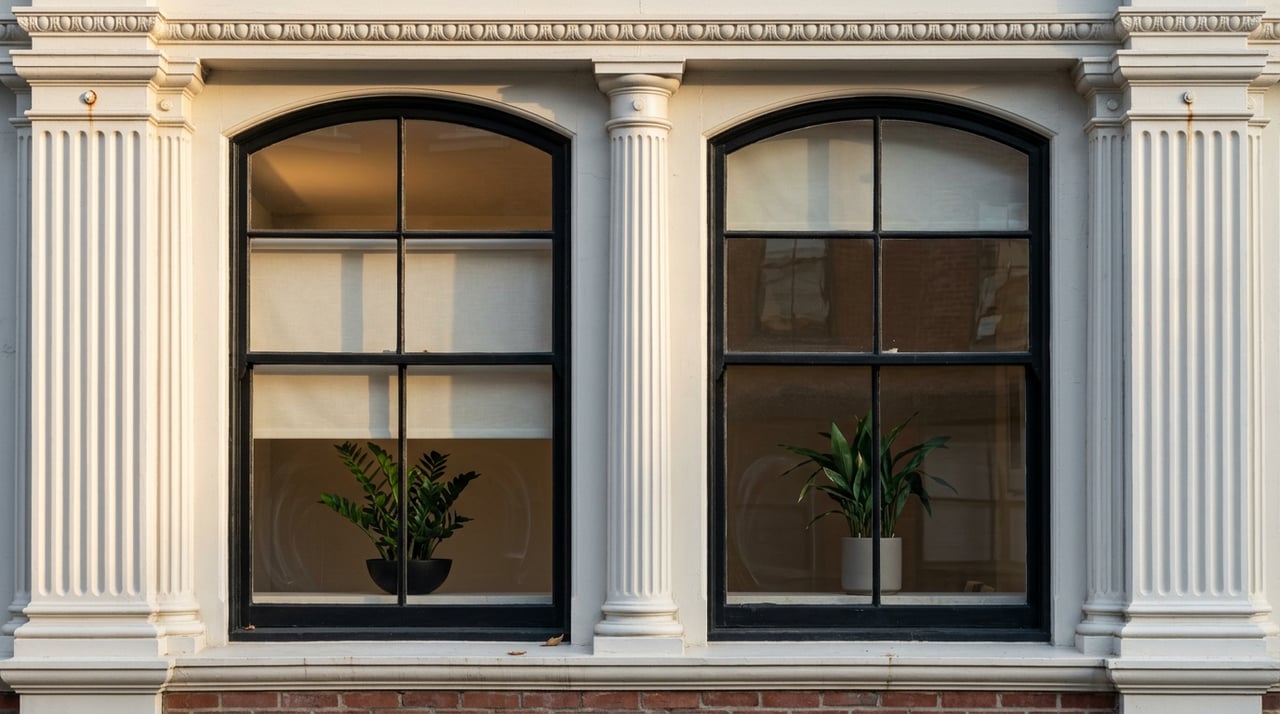
Large portions of Bed-Stuy lie within local historic districts such as Stuyvesant Heights and the Bedford Historic District. Exterior work visible from the street often requires Landmarks Preservation Commission review and approval, which can extend timelines and increase material standards. Review maps and designation context through Preserve Bed-Stuy’s historic district resources as you plan scope, sequence, and budget.
Renovation scope, costs, and compliance
Renovation budgets vary with scope, finish, and historic requirements. As a broad rule of thumb in Brooklyn brownstones, mid-range full-house renovations often land in the low to mid hundreds per square foot, while full gut or historic-grade restorations can run several hundred dollars per square foot and higher. A common working range is roughly $200 to $800+ per square foot, with cellars, structure, façade, and high-spec finishes at the upper end. For real-world budget anatomy, see this Brooklyn-focused renovation cost breakdown from Brownstoner’s reporting on the Brownstone Boys’ projects (renovation budget overview).
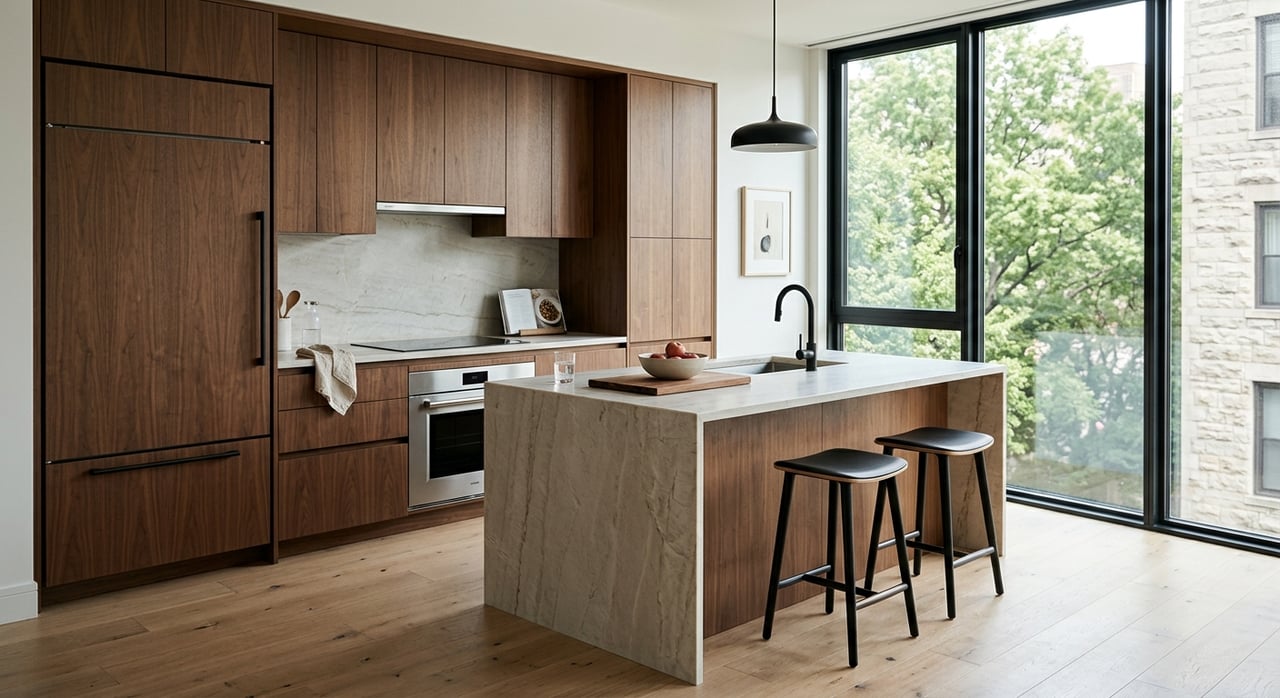
Major line items include kitchens, bathrooms, and new mechanicals such as boiler and hot water systems, plus electrical service upgrades. Façade and stoop repairs can be significant and often require licensed masons, scaffolding, and, in landmarked areas, approved materials.
If you disturb building systems or structure, expect DOB permits. For pre-1978 housing, firms must comply with the EPA’s Renovation, Repair and Painting Rule, which requires certified contractors and lead-safe work practices. Build time and cost for abatement and compliance into your schedule. You can review key requirements in the EPA’s RRP resources.
Plan for design, filing, and construction in stages:
- 0 to 6 weeks: design, contractor selection, and filing prep.
- 6 to 12 weeks: DOB and, if applicable, LPC review and approvals.
- 3 to 12 months: construction, with full gut and historic work often extending toward the higher end.
Always carry a contingency. Ten to twenty percent is common, with more for historic exteriors or unknowns behind walls.
Three proven investment plays
Buy-renovate-rent (market rentals)
Underwrite stabilized rents using conservative, current comps for your specific unit mix and block. Neighborhood rent medians are published by third parties; for quick context you can scan Bed-Stuy rental medians on Zumper’s neighborhood pages. In your model, include vacancy, management, realistic operating costs, and a capital reserve. Many investors assume a 10 to 15 percent rent uplift after a mid-range renovation, then adjust using live comps and lease-up data.
Owner-occupied duplex or house-hack
Living in one unit while renting others can offset carrying costs and improve financing optionality. If the plan includes renovation, explore products that combine purchase and rehab in a single loan, such as the FHA 203(k) program for eligible owner-occupants. See the FHA program overview at HUD’s 203(k) page, then confirm terms with your lender.
Small 2–4 unit buy-and-hold
Treat a brownstone as a boutique apartment building. Use unit-by-unit rent comps, confirm whether any units are or were rent stabilized by pulling DHCR history, and model conservative cap rates. In New York City, brownstones often trade at lower current yields, so your total return typically comes from a mix of income, principal pay-down, and long-run appreciation.
Underwriting inputs to get right
- Purchase price, closing costs, and a detailed renovation budget with contingency.
- Property taxes by tax class. Many 1–3 family brownstones fall into Tax Class 1, while larger rental buildings may be Class 2. Rates and assessments affect cash flow materially. Review current rates at the NYC Department of Finance’s property tax rates page.
- Stabilized market rents by unit type and finish level. Cross-check current neighborhood medians on Zumper and refine with block-level comps.
- Operating expenses: insurance, utilities for common areas, repairs, professional management, and reserves for major systems.
- Yield expectations. Cap rates in NYC brownstone submarkets are commonly in the low single digits. Model both cash-on-cash and total return over a 10-year horizon rather than focusing solely on year-one yield.
Taxes, financing, and incentives
Financing for renovations can be integrated with your purchase if you qualify. Owner-occupants often look at FHA 203(k) for purchase-plus-renovation financing. Investors use a mix of conventional and portfolio loans, then refinance on stabilization.
On the tax side, your property’s tax class drives assessed value methodology and annual tax bills. Confirm tax class and any abatements or exemptions before you underwrite, and refresh rates each fiscal year via the DOF’s property tax rates. Some rehabilitation projects may be eligible for local incentives such as J-51 in specific windows; these programs can reduce taxes during an abatement period but may carry registration or rent-regulation requirements.
Exit planning for long-term holders
Most owners eventually sell to either a market owner-occupant or another investor. If you hold the property for investment, Section 1031 can allow you to defer capital gains tax when you exchange into another qualifying investment property, subject to strict identification and timing rules. Review the IRS’s overview of like-kind exchanges and reporting on Form 8824, then align your timeline with your advisor and intermediary.
Other exit paths, such as condo or co-op conversions, are complex and constrained by modern rent laws. If you consider a conversion, plan for legal, regulatory, and tenant-consent hurdles that can materially change costs and timelines.
Quick diligence checklist
- Confirm legal unit count and the Certificate of Occupancy.
- Pull zoning and dimensional rules in the NYC Zoning Resolution.
- Review DOB permits, violations, and any alteration filings.
- Request DHCR rent histories where applicable via the AG’s tenants’ rights guide resources.
- Check local historic district status with Preserve Bed-Stuy.
- Confirm tax class, assessed value, and current rates at NYC DOF.
Bed-Stuy vs nearby brownstone markets
Below is a high-level comparison to frame trade-offs as you evaluate options.
| Submarket | Value Position | Housing Stock | Notable Trade-offs |
|---|---|---|---|
| Bedford-Stuyvesant | Relative value for renovated townhouses vs nearby premium areas | Wide mix of 1–4 family brownstones and small rentals | Larger geographic area, micro-location varies block to block |
| Clinton Hill | Generally higher price points for restored homes | Similar brownstone fabric with consistent blocks | Proximity to established amenities; smaller inventory base |
| Fort Greene | Premium price tier for fully restored townhouses | Strong brownstone stock near major parks and culture | Tighter supply; competition for turnkey product |
Use this table as a directional lens. Your specific block, condition, lot, and legal unit count will drive the real value story.
Your next step
If you want a clear, numbers-forward path into a Bed-Stuy brownstone, we can help you map the right buy, build the renovation plan, model rents and taxes, and position your exit. For discreet, investment-grade guidance, connect with Luca Paci to discuss your goals.
FAQs
Are Bed-Stuy brownstones good long-term investments?
- They can be, due to limited replacement supply, strong buyer demand for renovated homes, and architectural protections that support long-run neighborhood character; always underwrite conservatively.
What zoning issues affect adding space or units in Bed-Stuy?
- Districts like R6B set FAR, height, and street wall rules that shape enlargement potential; verify parcel-specific rules in the NYC Zoning Resolution and confirm the legal unit count on the C of O.
How do historic districts change renovation timelines and costs?
- Exterior work visible from the street often requires LPC approvals that add design, filing, and review time and can require in-kind materials; confirm district status via Preserve Bed-Stuy.
How should I estimate rents for a renovated Bed-Stuy brownstone?
- Start with conservative comps on your block and scan neighborhood medians on Zumper, then adjust for unit mix, finish level, outdoor space, and timing.
What permits and safety rules apply to older homes?
- Structural or system work requires DOB permits, and pre-1978 homes must follow the EPA’s lead-safe RRP requirements; plan for possible asbestos and other abatement.
How does NYC property tax class affect my pro forma?
- Many 1–3 family homes fall in Tax Class 1 while larger rentals may be Class 2, which changes assessment and effective tax burden; confirm current rates at NYC DOF.
Can I use a 1031 exchange when I sell an investment brownstone?
- Yes, if it is held for investment and you follow IRS identification, timing, and reporting rules; review the IRS’s 1031 exchange guide and coordinate with your advisor and intermediary.