If Manhattan often feels fast, vertical, and oversized, the West Village offers something rarer: a neighborhood that feels intimate the moment you step into it. You may not be looking for a place that is literally European, but you may be looking for the same qualities people love in older city neighborhoods abroad, such as walkable streets, lower-scale buildings, local cafés, and a strong sense of place. In the West Village, those elements come together in a way that stands apart from much of New York. Let’s dive in.
The street pattern changes everything
One of the biggest reasons the West Village feels different is its street layout. According to New York City's CEQR Technical Manual, the neighborhood's small, irregular blocks allow only relatively small building footprints. That physical structure creates a more intimate, layered experience on foot than the long, predictable blocks many people associate with Manhattan.
Instead of moving through a rigid avenue grid, you move through streets that feel more varied and human in scale. Corners arrive more quickly, sightlines shift, and storefronts reveal themselves gradually. That rhythm can make the neighborhood feel older, softer, and more personal.
For many buyers, that experience matters as much as square footage. A neighborhood that is easy to walk and visually comfortable often feels more livable day to day. In the West Village, the urban design itself shapes that impression.
Low-rise buildings create a village feel
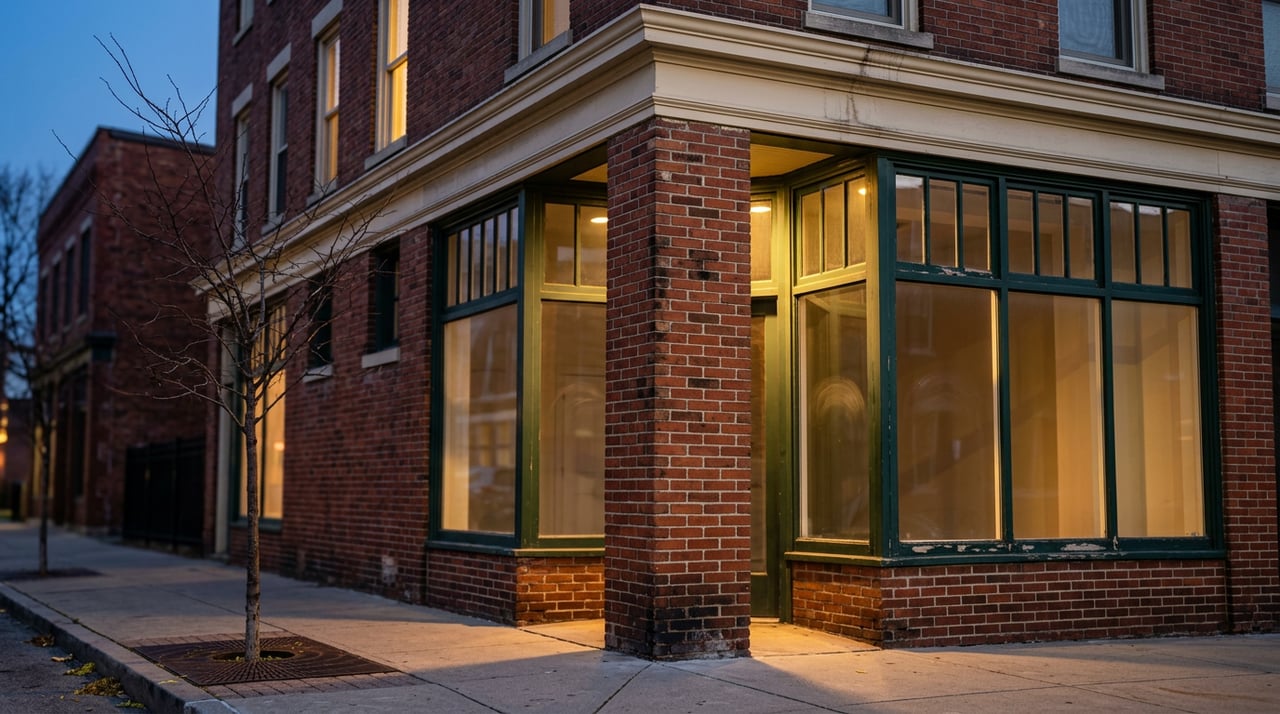
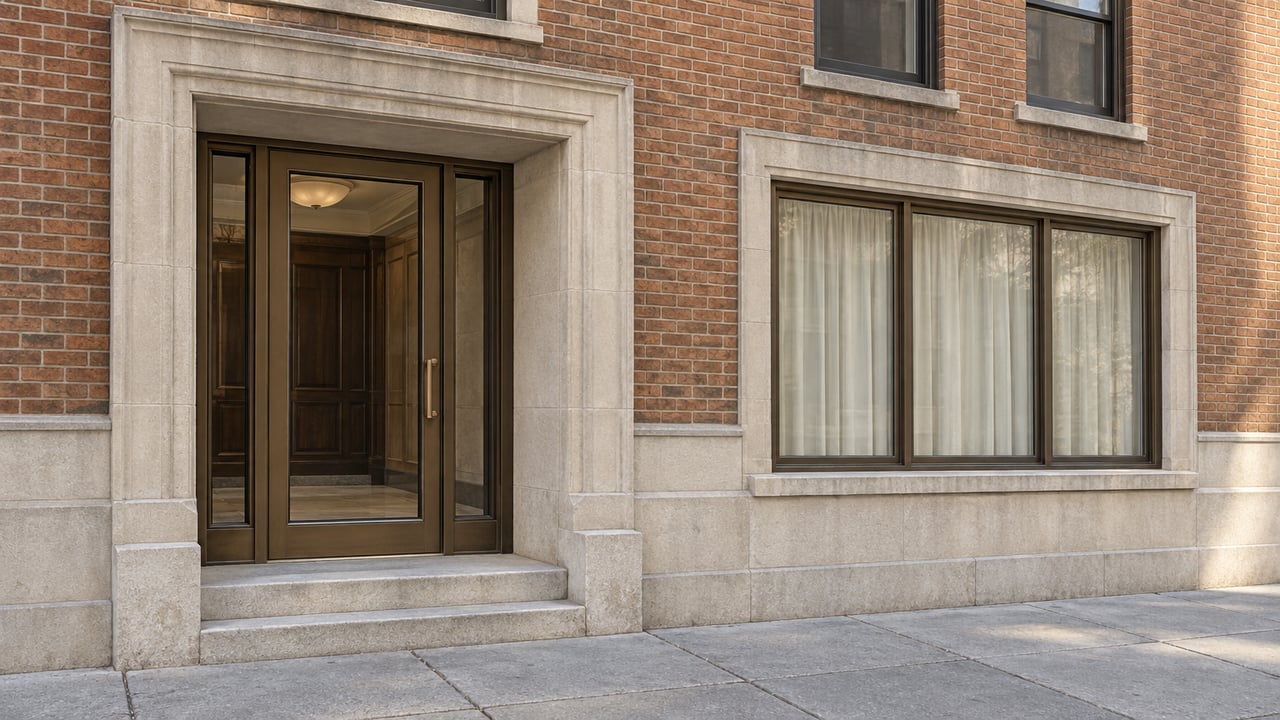
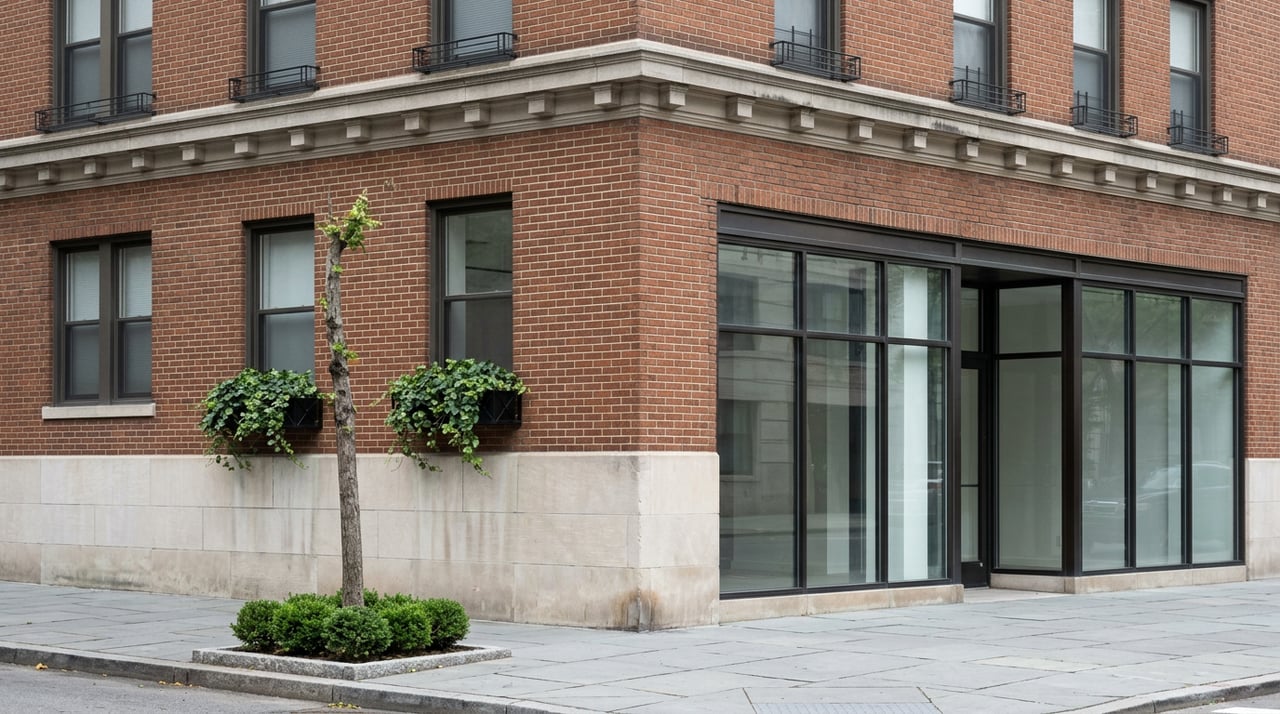
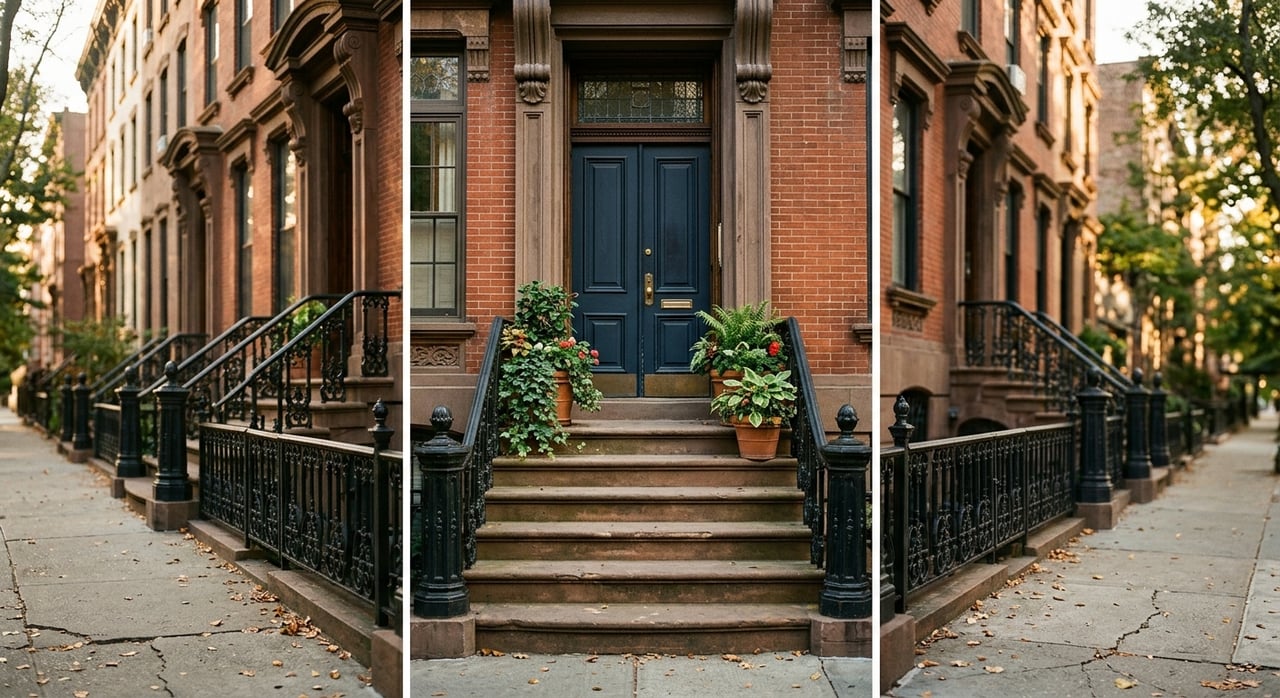
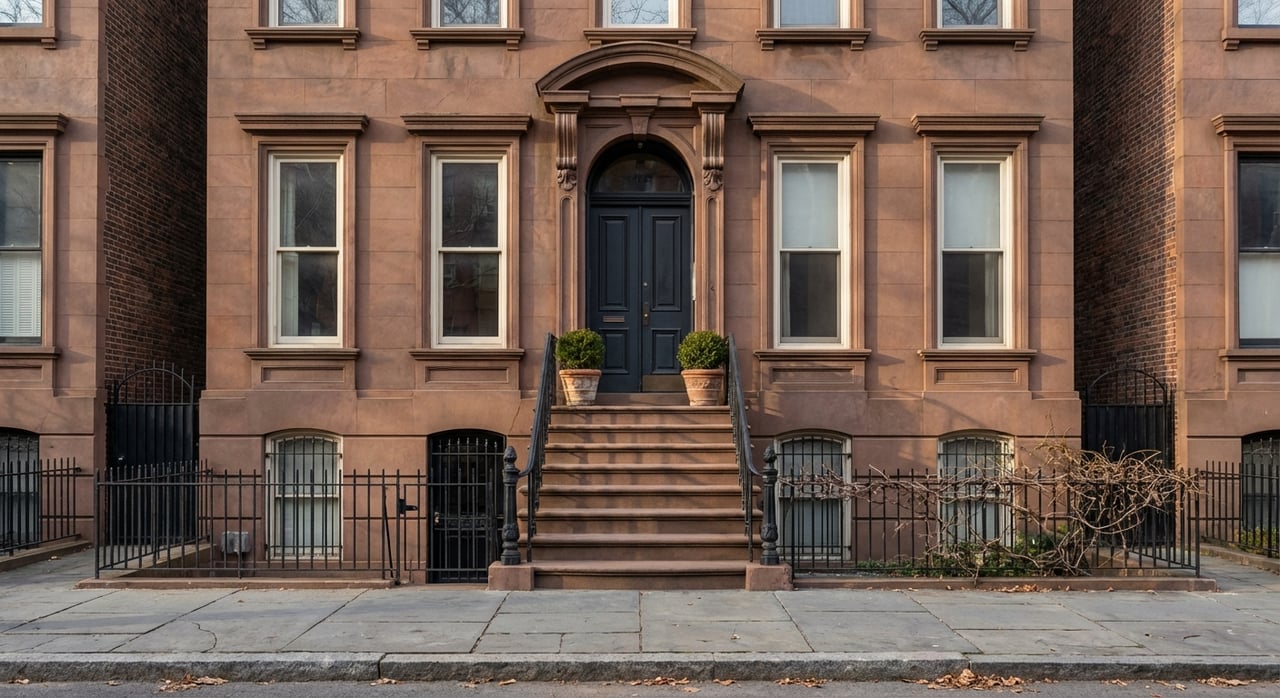
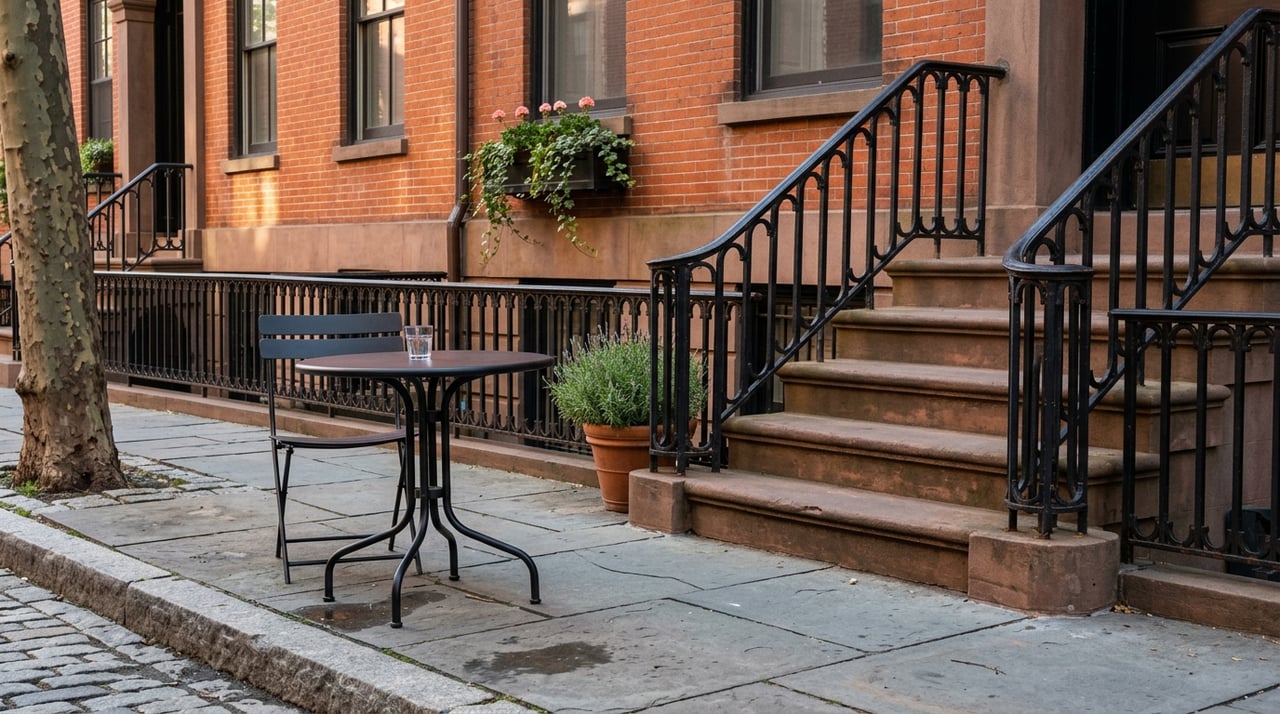
The built form reinforces what the street pattern starts. A New York City Planning rezoning document for the Far West Village describes the area as a lower-scale neighborhood with streetwall buildings, a predominant height of 80 feet or less, and many three- to five-story apartment buildings and rows of townhouses. That is a very different visual rhythm from the taller, more uniform bulk seen in many other parts of Manhattan.
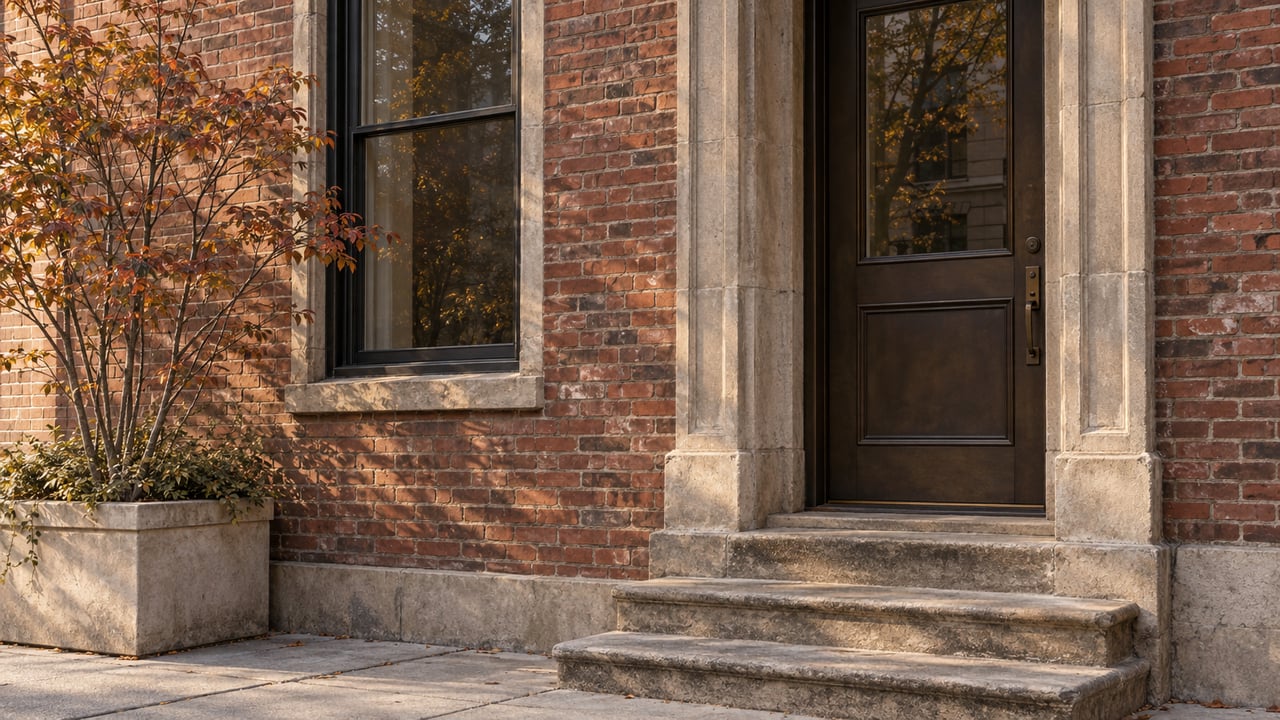
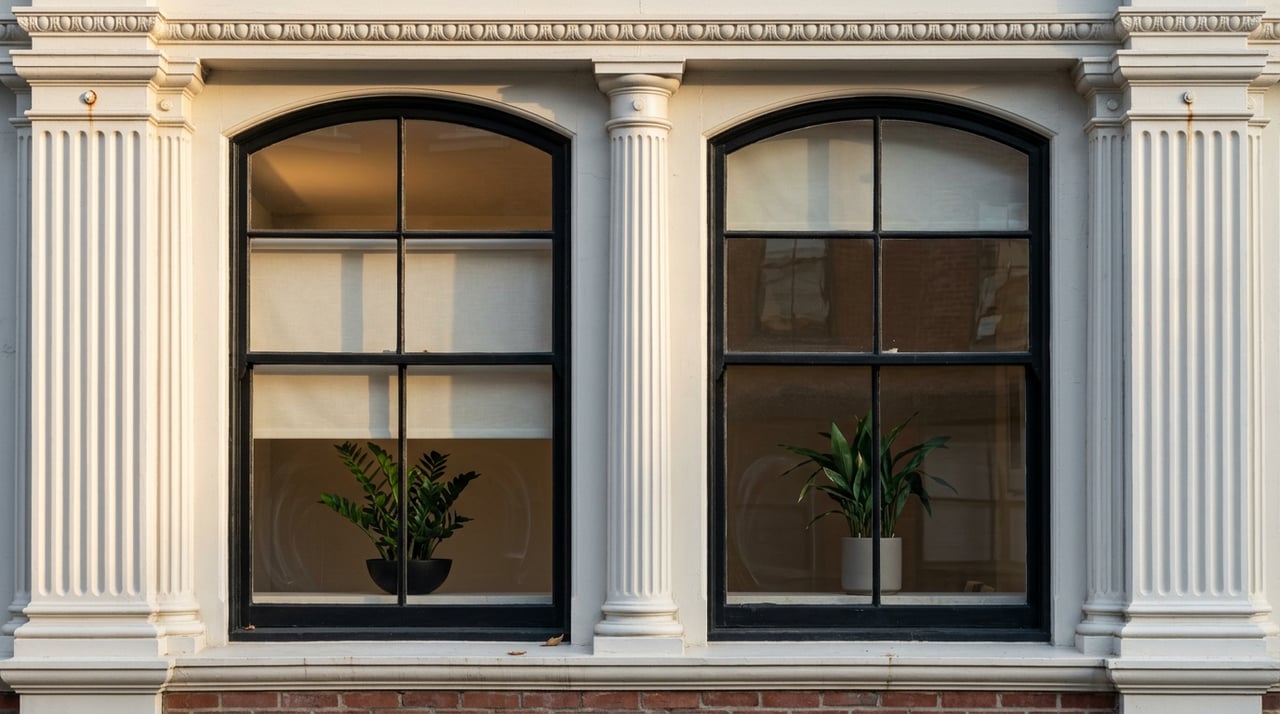
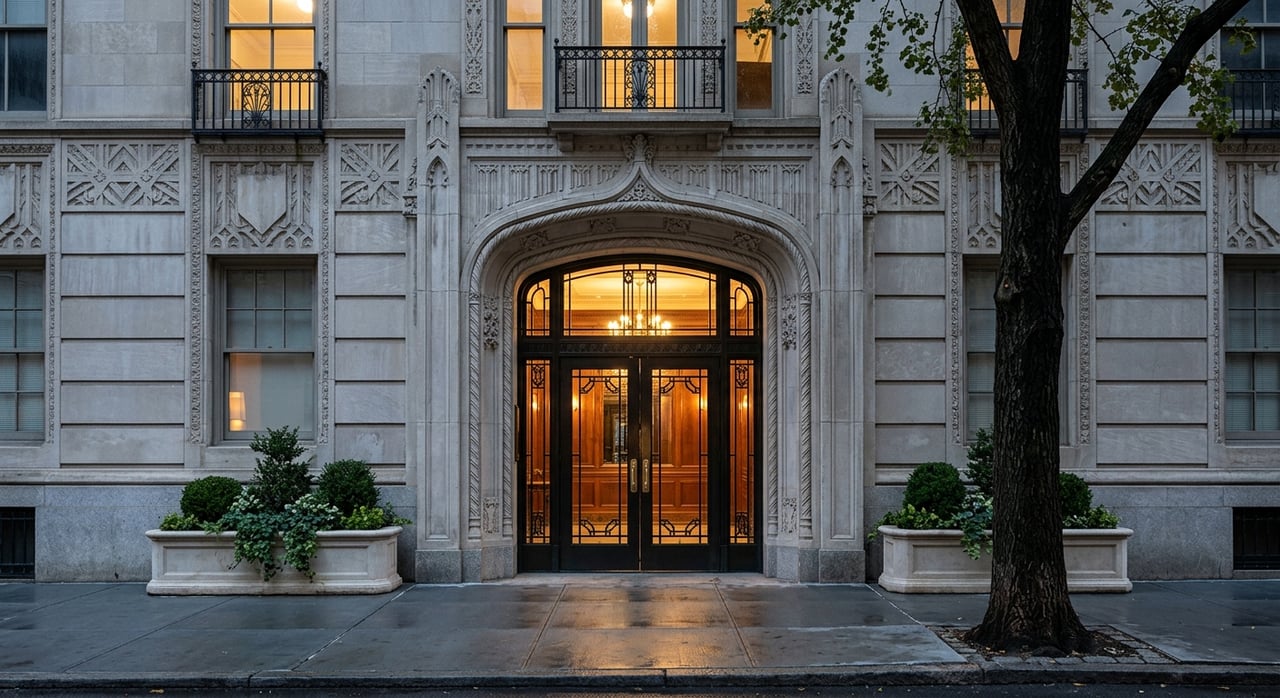
Because the buildings are generally lower and more varied, the streets feel enclosed without feeling overwhelming. You notice windows, cornices, stoops, and masonry details at eye level. The neighborhood reads less like a single development cycle and more like a place that evolved over time.
That visual consistency is part of why the area feels so enduring. Even when inventory includes apartments, condos, or co-ops rather than detached homes, the surrounding streetscape still delivers a strong residential identity. For buyers seeking a central Manhattan location with a more grounded scale, that distinction can be important.
Small retail adds everyday charm
The West Village is not only about architecture. It is also about what happens at street level.
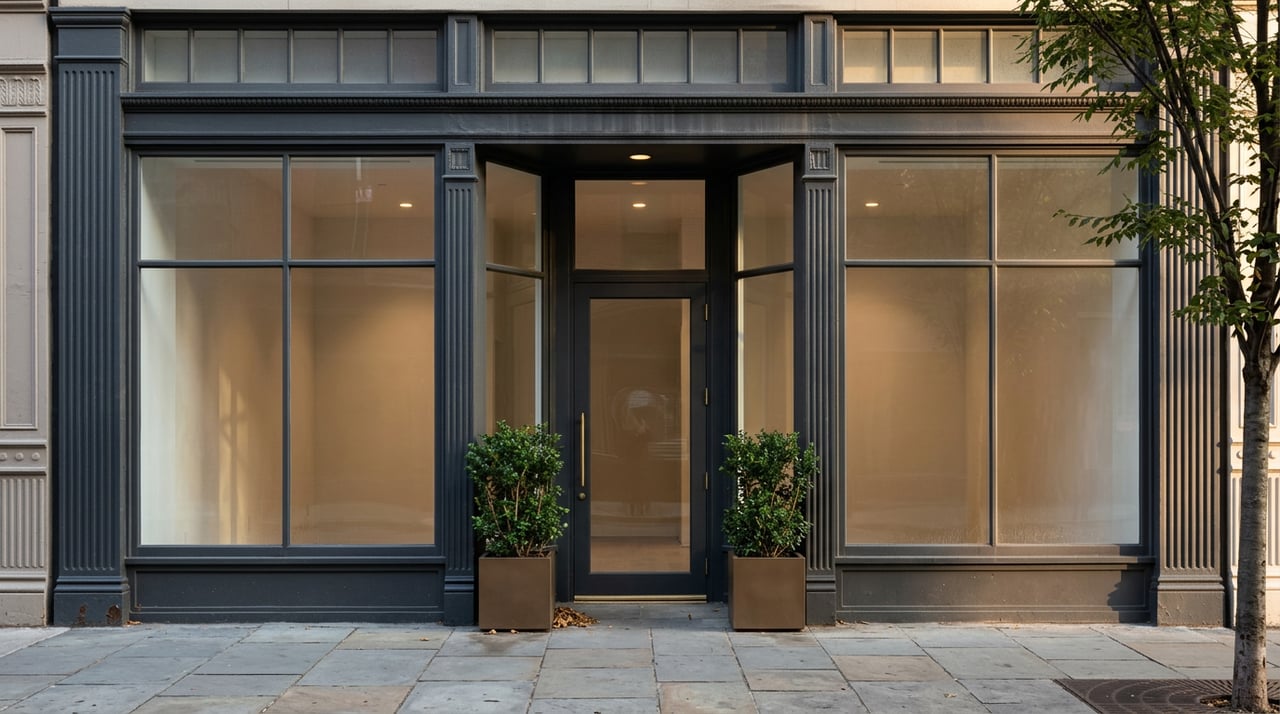
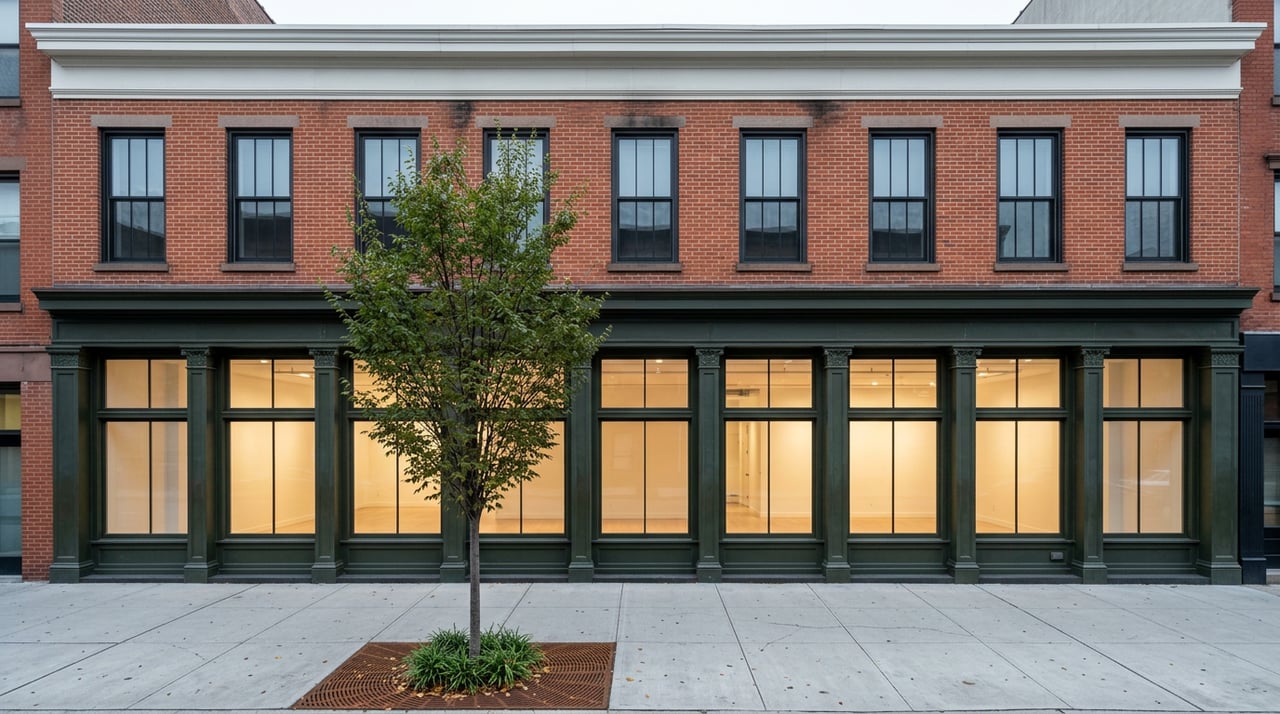
The same City Planning document notes that ground-floor retail in the area is typically made up of small-scale eating-and-drinking uses and local retail. That mix helps support the café-and-stroll atmosphere many people immediately notice when they spend time in the neighborhood.
Small storefronts change the pace of a street. Rather than long uninterrupted facades or oversized retail boxes, you get frequent doorways, changing window displays, and more reasons to stop and explore. That kind of fine-grained retail pattern is a major reason the neighborhood feels active without feeling chaotic.
The West Village BID describes the district as culturally rich and commercially vibrant. That is a useful shorthand for what you experience in real time: steady foot traffic, local businesses, and streets that feel lived-in throughout the day.
Preservation protects the character
The West Village did not keep its character by accident. Preservation has played a major role in maintaining the neighborhood's look and feel over time.
The Landmarks Preservation Commission states that the Greenwich Village Historic District was designated on April 29, 1969, and included more than 2,000 buildings across 65 blocks. It remains the largest historic district in New York City. That scale matters because it means preservation here is not limited to one block or one building type. It applies across a broad and connected urban fabric.
The LPC also notes that the designation, together with later extensions and district rules, has helped preserve the area's special character and encouraged new work to respect existing scale, streetwalls, setbacks, and height limits. In practical terms, that helps the neighborhood feel visually coherent over time.
The waterfront edge adds even more historical continuity. Landmarked areas such as the Weehawken Street Historic District and the Gansevoort Market Historic District reinforce the sense that this is a preserved piece of Manhattan rather than a place constantly reset by large-format redevelopment.
The waterfront softens downtown life
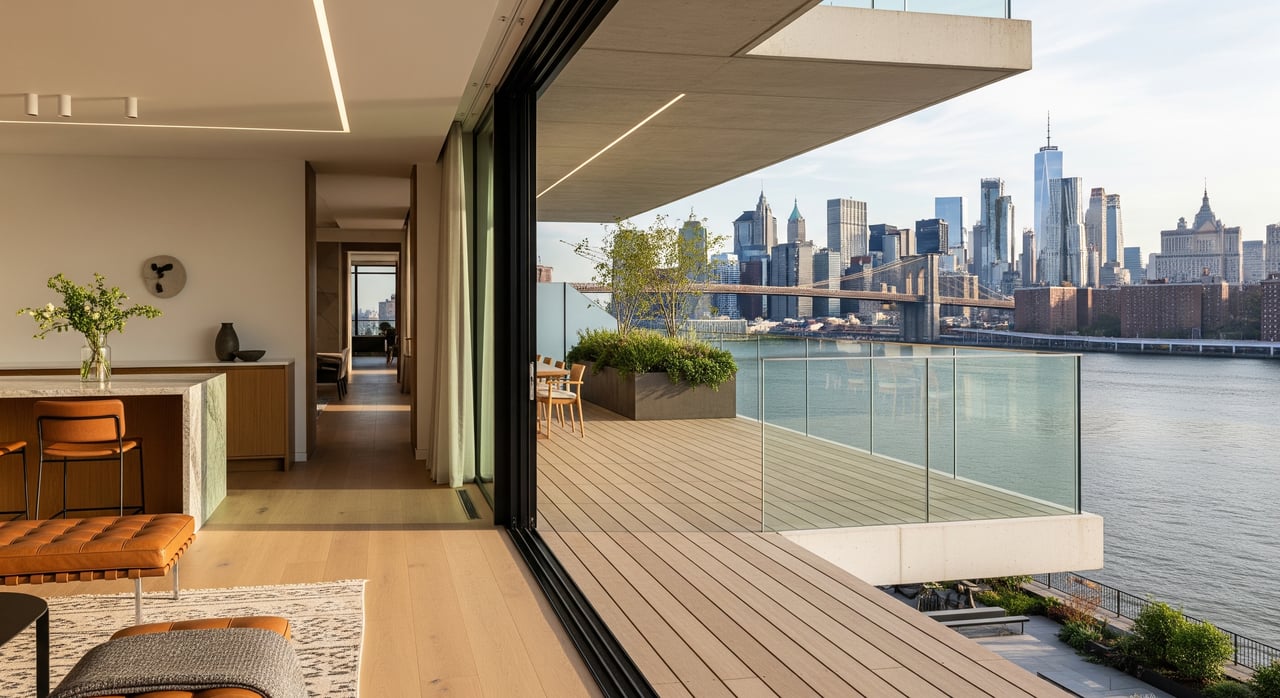
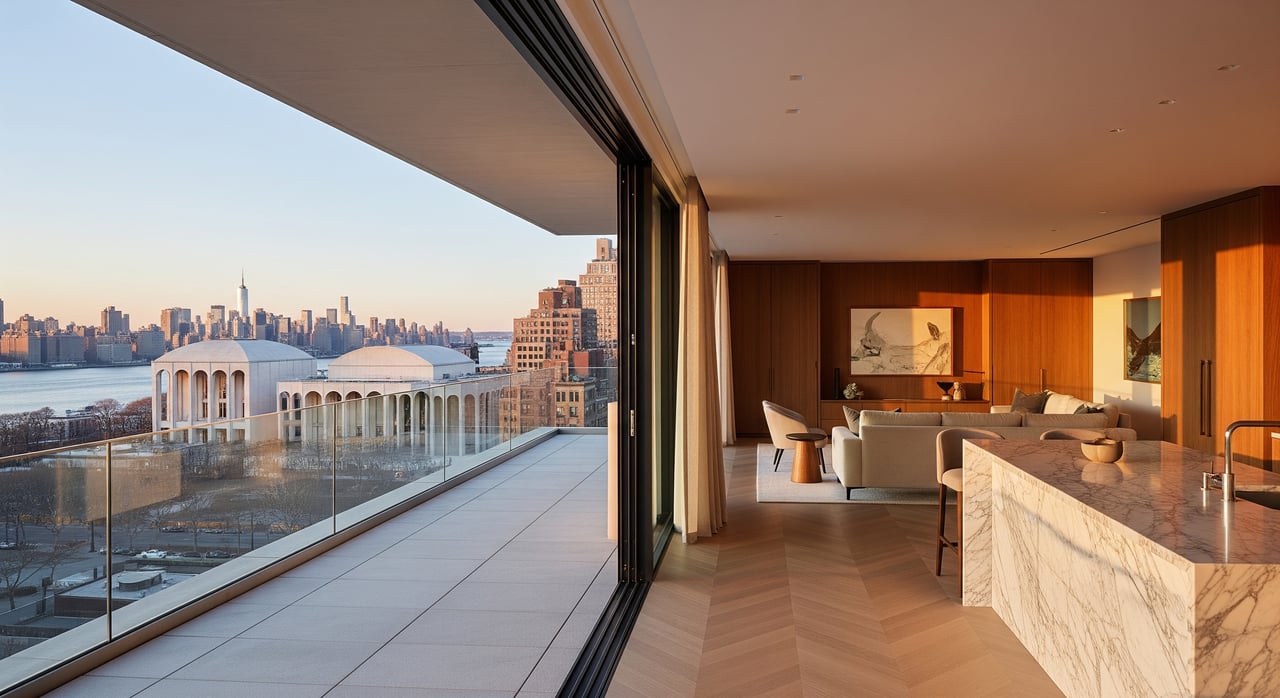
Another reason the West Village can feel almost continental is its relationship to the waterfront. Few Manhattan neighborhoods combine dense walkability with direct access to a major riverfront park system in quite the same way.
Hudson River Park stretches four miles along Manhattan's west side and receives more than 17 million visits a year. In the West Village, that access is not abstract. It is part of the everyday experience of the neighborhood.
Hudson River Park notes that the West Village park area includes mature plantings, and that the river becomes visible as you approach from side streets through a layered landscape, as described in the park's West Village Apple Garden overview. That gradual reveal of greenery and water gives the neighborhood a calmer edge and breaks up the density in a very appealing way.
The opening of Gansevoort Peninsula in 2023 added even more public access, including direct Hudson River access for non-motorized boats, a beach, seating, picnic space, and a dog park. The result is a rare downtown balance: intimate streets on one side and a true waterfront park on the other.
Why it can feel familiar to global buyers
For cross-border buyers, the West Village often feels recognizable in a way that is hard to quantify but easy to sense. That does not mean it is European in any literal sense. It means the neighborhood shares some physical qualities with older, dense, pedestrian-oriented districts that many international buyers already know well.
The National Association of Realtors 2024 international transactions report notes that foreign buyers paid all cash in 50% of purchases and bought for vacation, rental, or both in 45% of cases. The same report also says buyers living abroad showed a higher preference for condominiums, which is relevant in a neighborhood where inventory often includes condos and co-ops rather than detached housing.
The report also highlights Mexico and several European countries, including Italy, Spain, Portugal, the United Kingdom, and France, as recurring origin markets in cross-border housing activity. From a market perspective, the most careful way to frame the West Village is this: it may feel familiar to buyers accustomed to older, walkable urban neighborhoods in Europe or parts of Latin America. That is a reasonable lifestyle inference, not a measured statistic about who buys in the West Village.
For international and second-home buyers, that familiarity can lower friction. The neighborhood's scale, rhythm, and walkability often feel intuitive from the start, even within a distinctly New York setting.
How the West Village differs nearby
Context helps explain the appeal even more clearly. The West Village is not the only historic or walkable neighborhood in Manhattan, but it delivers a distinct version of that experience.
West Village vs. SoHo
According to a City Planning environmental review, SoHo is a densely developed loft district with five- to seven-story buildings on narrow lots, façades that meet the sidewalk, and a stronger concentration of retail and bars and restaurants. SoHo shares walkability and a historic setting, but it often reads more like a retail-loft district than a village neighborhood.
The West Village, by contrast, feels more residential in texture. Its lower scale, irregular streets, and local-serving retail create a softer and more intimate experience. If SoHo feels energetic and retail-forward, the West Village often feels quieter and more tucked in.
West Village vs. Upper East Side
A City Planning study describes the Upper East Side as having a regular street grid of avenues and side streets. That gives it a more formal, rectilinear, and predictable feel.
The West Village offers something looser and less programmed. Its meandering pattern is a big part of its identity, and that can make everyday movement feel less repetitive. For some buyers, that difference is exactly the point.
Why this matters when you buy
Neighborhood feel is not just an emotional detail. It affects how you live in a property and how you experience value over time.
In the West Village, preserved scale, active street life, and waterfront access combine into a rare Manhattan lifestyle offering. You are not just buying an apartment. You are buying into a neighborhood where the public realm does a great deal of the work, from walkability and visual character to outdoor access and day-to-day convenience.
For owner-occupiers, that can mean a more enjoyable daily routine. For second-home and cross-border buyers, it can mean a location that feels instantly usable and easy to understand. For investment-minded purchasers, the neighborhood's tightly protected character is also part of what supports long-term desirability.
If you are weighing the West Village against other downtown neighborhoods, the key question is simple: do you want Manhattan energy with a more intimate physical setting? If the answer is yes, this neighborhood often earns a closer look.
When you want clear, discreet guidance on West Village condos, co-ops, townhouses, or broader downtown acquisition strategy, Luca Paci offers boutique advisory with a concierge-level approach.
FAQs
Why does the West Village feel different from much of Manhattan?
- The West Village feels different because of its small, irregular blocks, lower-scale buildings, preserved historic fabric, small retail storefronts, and access to the Hudson River waterfront.
Why does the West Village feel European to some buyers?
- The West Village may feel familiar to some buyers because it combines walkable streets, older low-rise buildings, café-style retail, and a pedestrian-oriented layout similar to older urban districts in Europe or parts of Latin America.
How does historic preservation shape the West Village today?
- Historic district designation has helped preserve building scale, streetwalls, setbacks, and height patterns, which supports the neighborhood's consistent visual character over time.
How is the West Village different from SoHo?
- While both neighborhoods are walkable and historic, SoHo is described more as a dense loft and retail district, while the West Village feels more intimate and residential in scale and street pattern.
How is the West Village different from the Upper East Side?
- The Upper East Side follows a more regular street grid, while the West Village has a meandering block pattern that feels less formal and more village-like.
Why does Hudson River Park matter to West Village living?
- Hudson River Park adds greenery, river views, public space, and waterfront access, giving the neighborhood a rare mix of dense city living and open-air recreation.