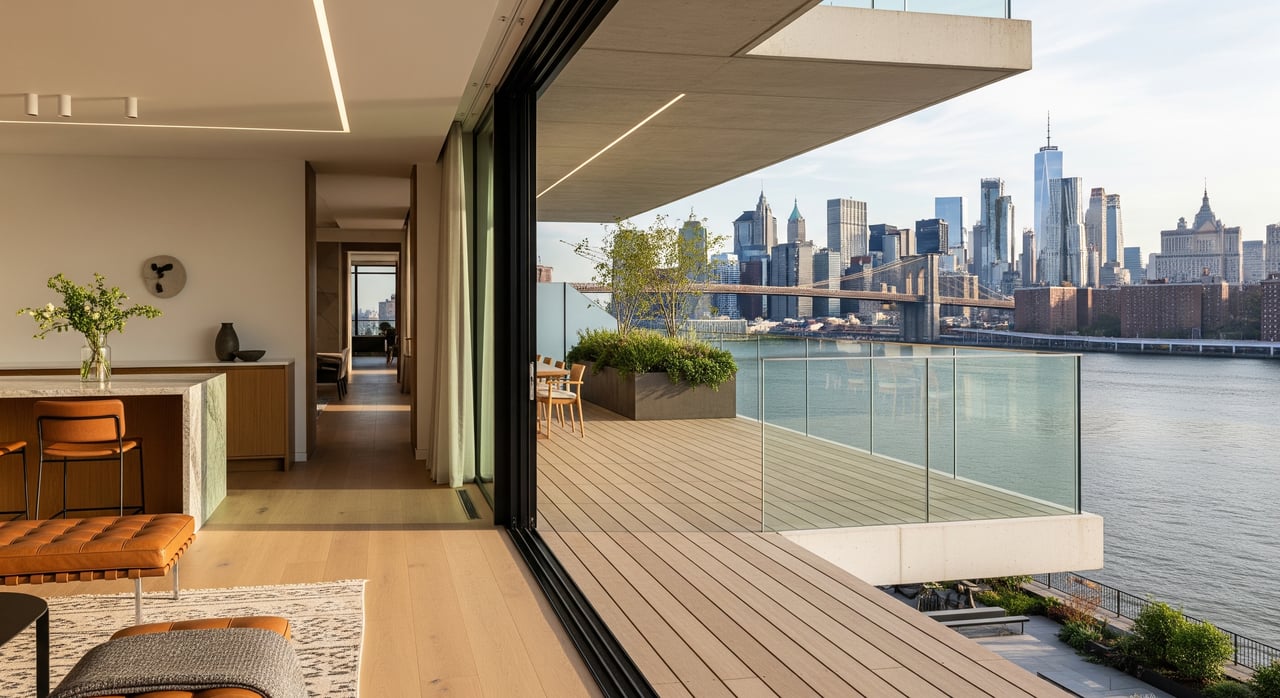
Staring at a dozen shiny towers along the East River and wondering which Williamsburg waterfront condo will actually perform for you? You are not alone. Buyers here care about light, views, rentability, and downside risk as much as finishes. In this guide, you will get a clear framework to compare buildings and units, model returns, and spot long-term value drivers unique to this shoreline. Let’s dive in.
Why Williamsburg waterfront works
Williamsburg’s waterfront has transformed from industrial to lifestyle in just over a decade. Large sites like the Domino redevelopment and new waterfront parks helped anchor higher-end condo construction and steady demand. You get neighborhood energy, outdoor access, and riverfront views in a part of Brooklyn that still prices below core Manhattan luxury.
Transit is a key advantage. The L train at Bedford Avenue, multiple bus routes, the Williamsburg Bridge, and NYC Ferry stops make daily life and weekend use simple. That convenience supports rentability for both long-term tenants and second-home usage.
Supply cycles matter. New waves of completions can temporarily pressure resale pricing and rents within Williamsburg. Waterfront locations still command premiums inside Brooklyn, but timing your entry and focusing on standout attributes will help you protect value.
Start with the physical: views, light, noise
View tiers and floor level
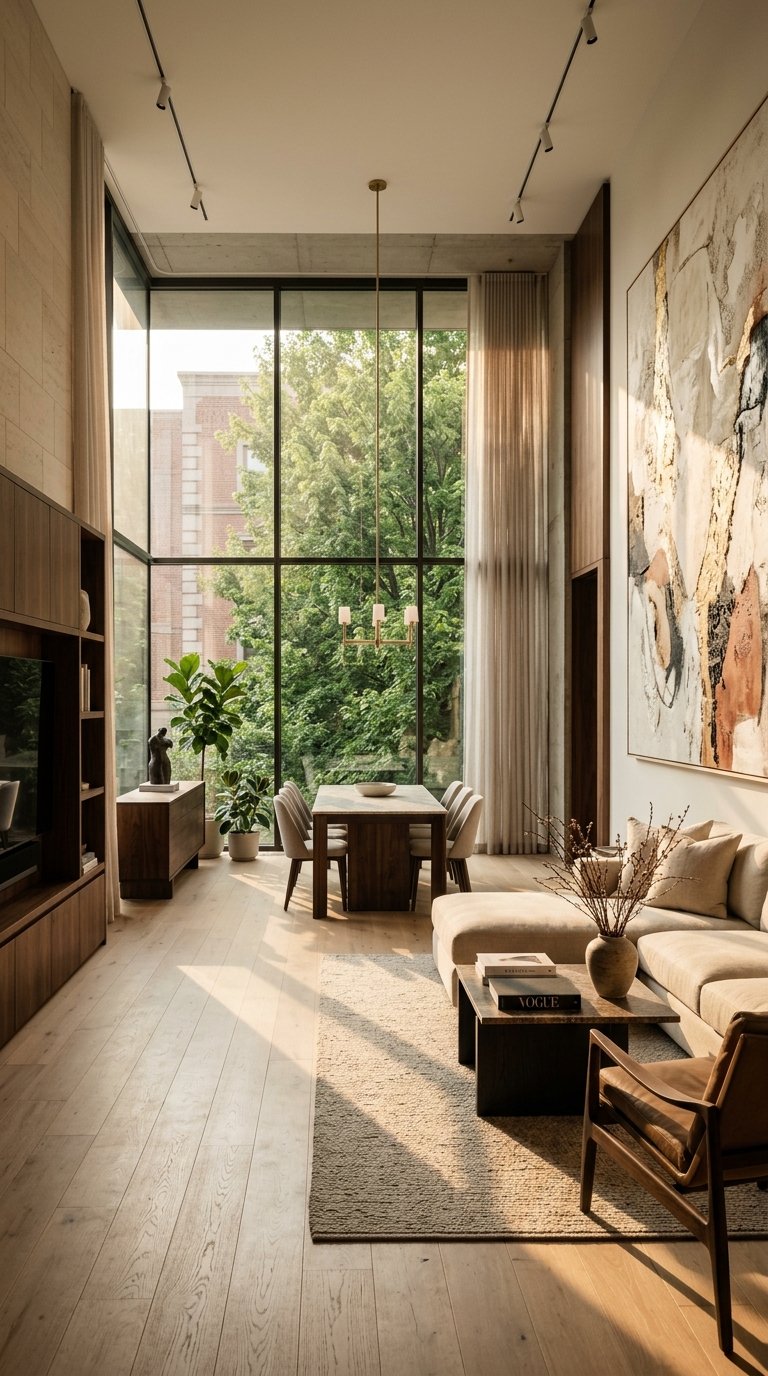
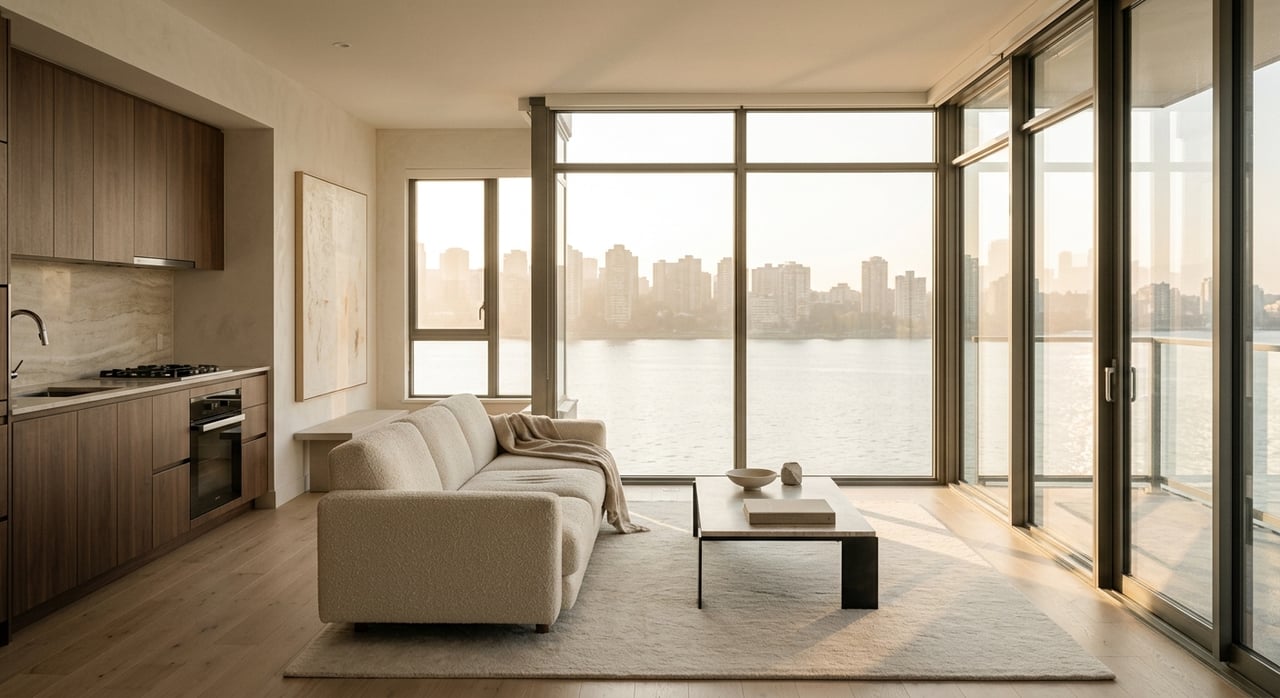
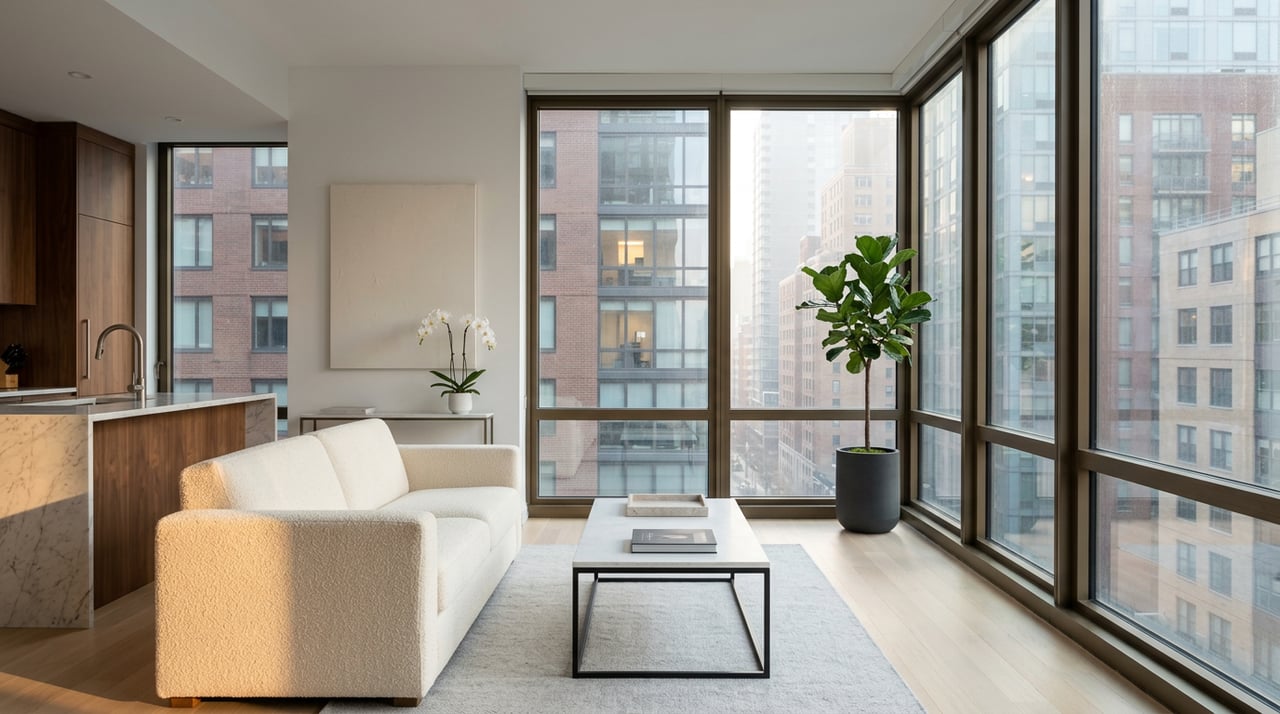
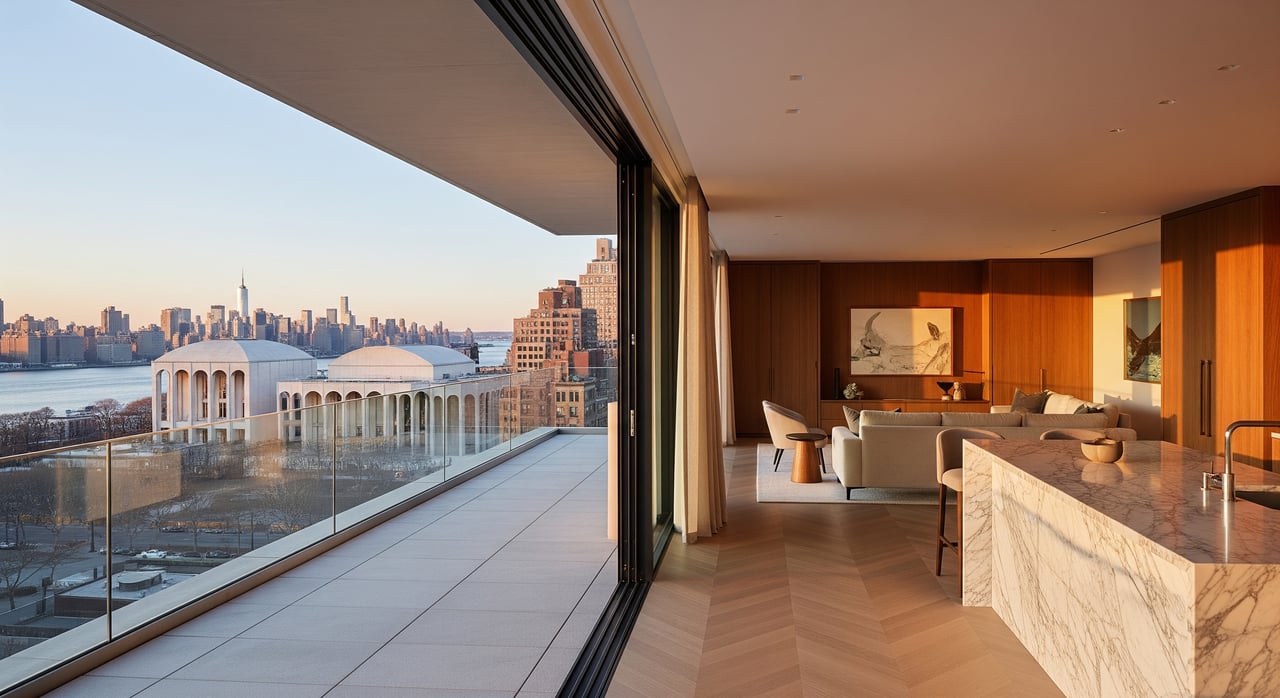
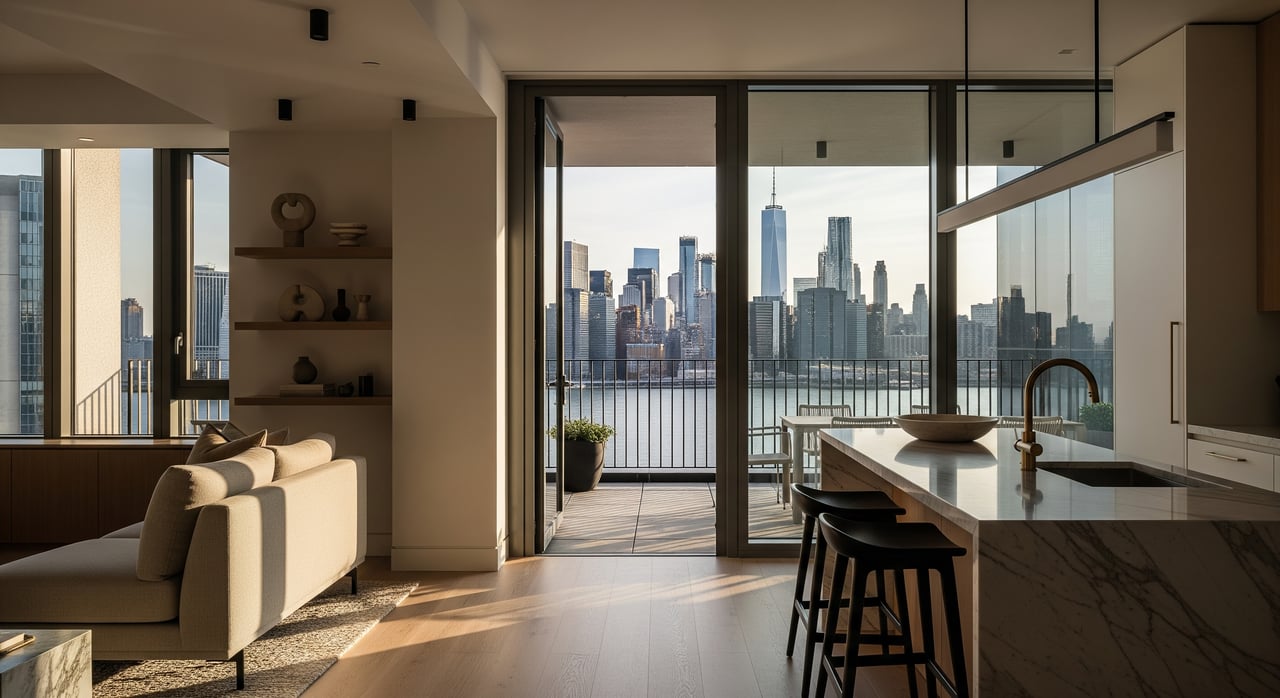
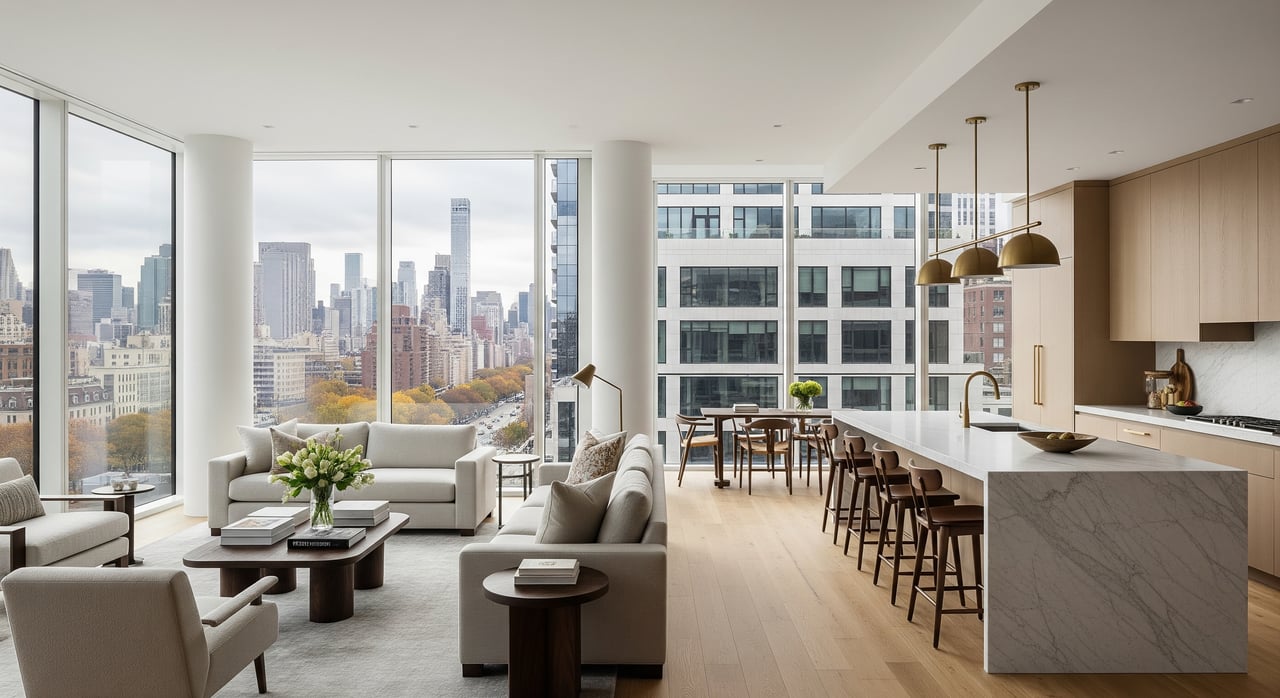
Not all “river views” are equal. Rank sightlines in tiers: true unobstructed river and skyline, partial river, lateral river glimpses, or townside/courtyard. Higher floors usually bring better light and prices, but also check elevator count, speed, and whether setbacks change the window line on that stack. Views influence perceived space, livability, and resale.
Check for future obstructions
Before you assign a view premium, look at nearby permits and planning filings. Proposed towers on adjacent parcels can change a sightline over time. A quick permit and zoning check helps you avoid paying today for a view that could narrow tomorrow.
Light, wind, and noise
Waterfront exposure brings stronger winds and more weather. Quality glazing and HVAC matter. Visit the unit morning and late day to note glare, heat gain, and cross-breezes. Noise can come from ferries, bridge traffic, and river activity. Listen from the unit with windows closed and open, and walk the perimeter at different times.
Building type and amenities trade-offs
New towers vs boutique buildings
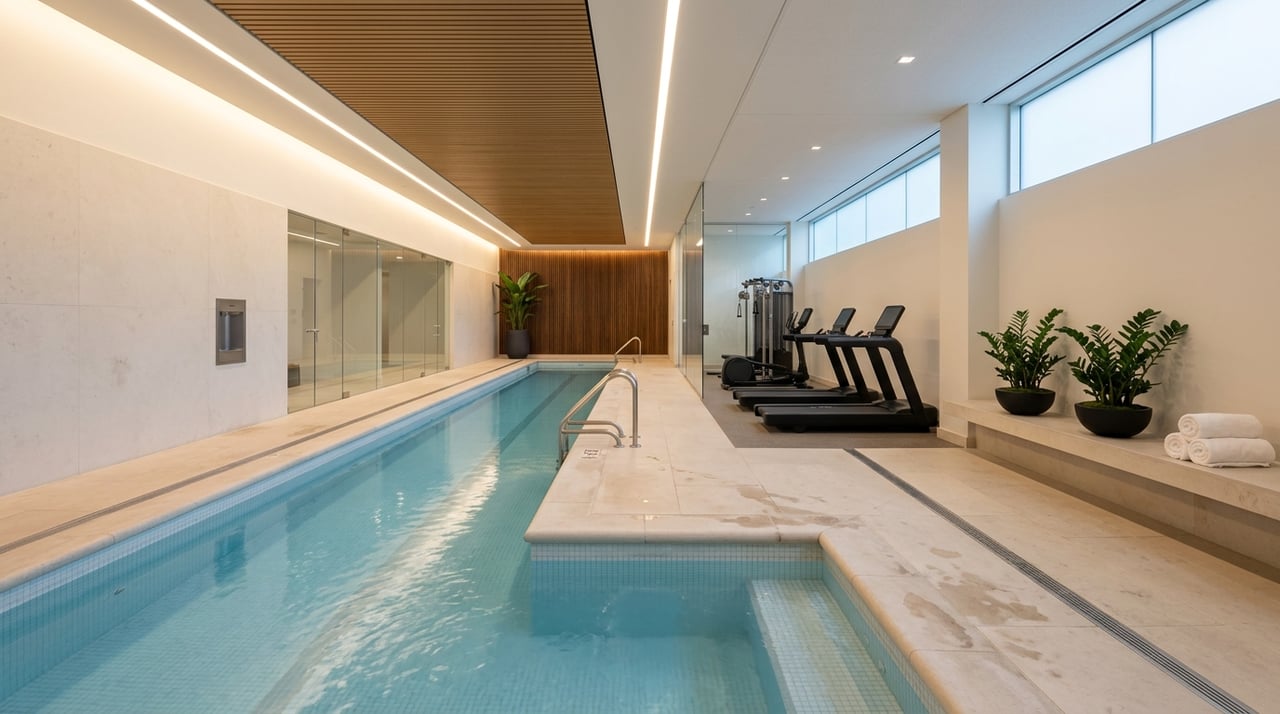
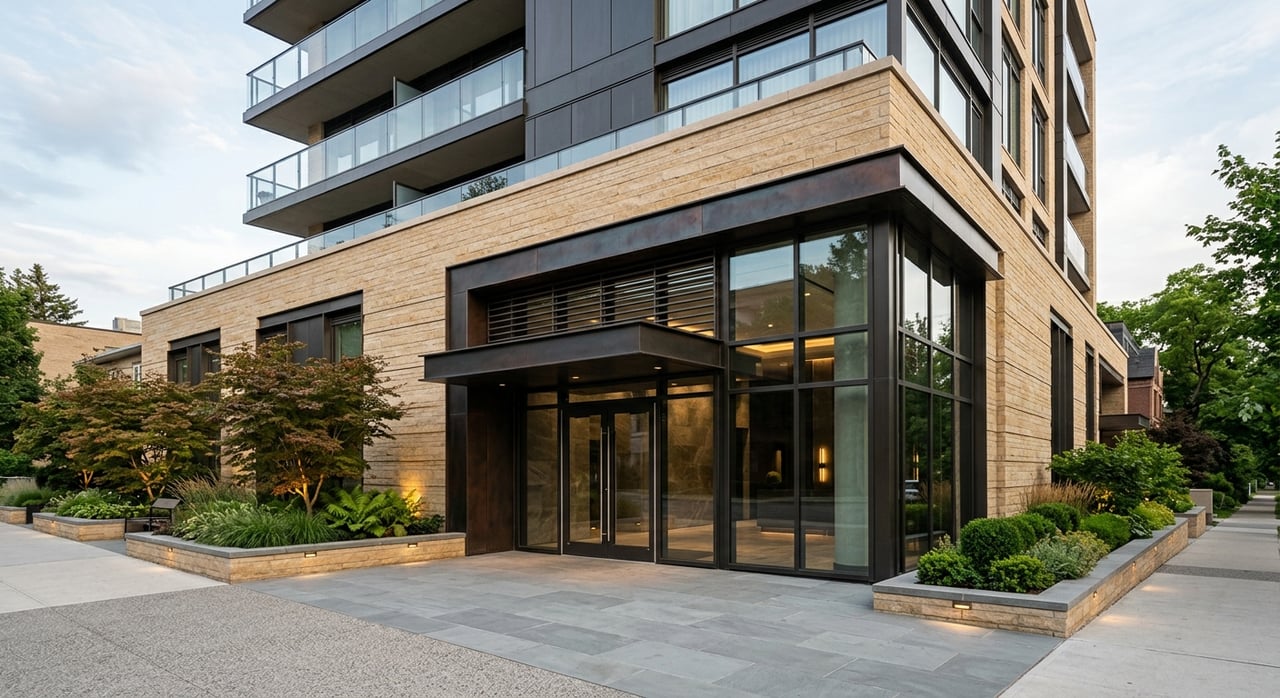
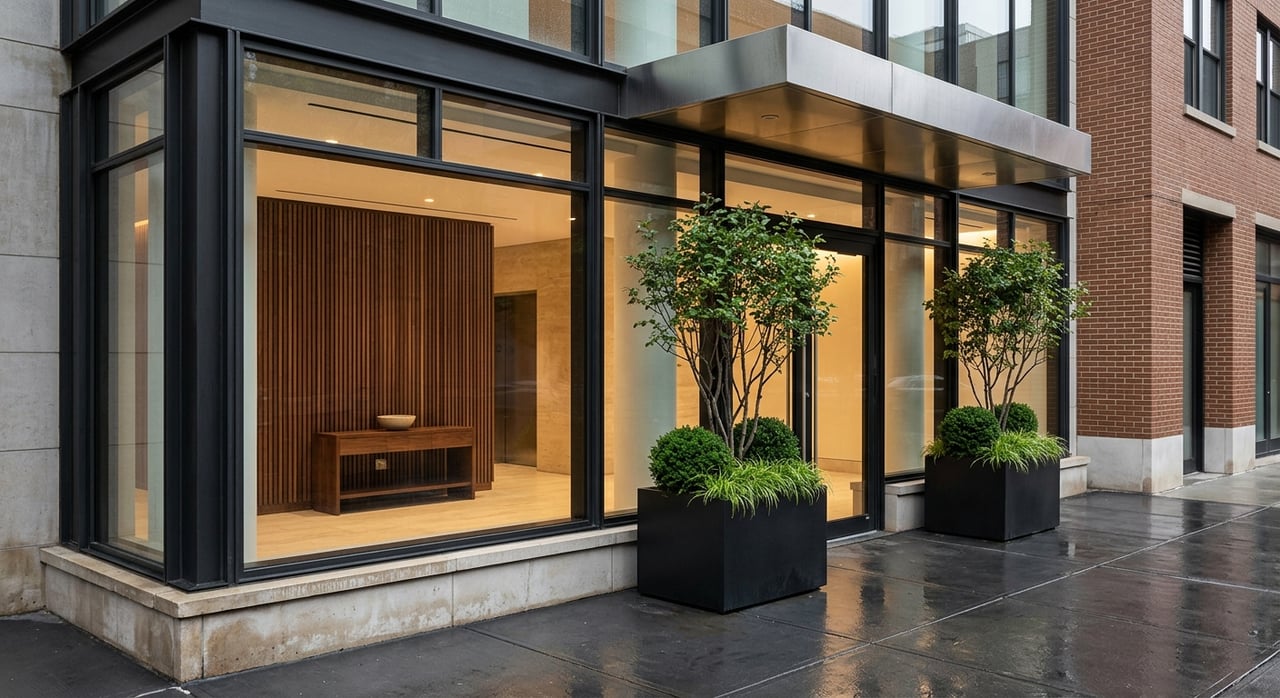
Large new towers often offer concierge services, fitness centers, rooftops, bike storage, package rooms, and sometimes pools. These amenities support marketing and rentability, but they come with higher common charges and more complex management.
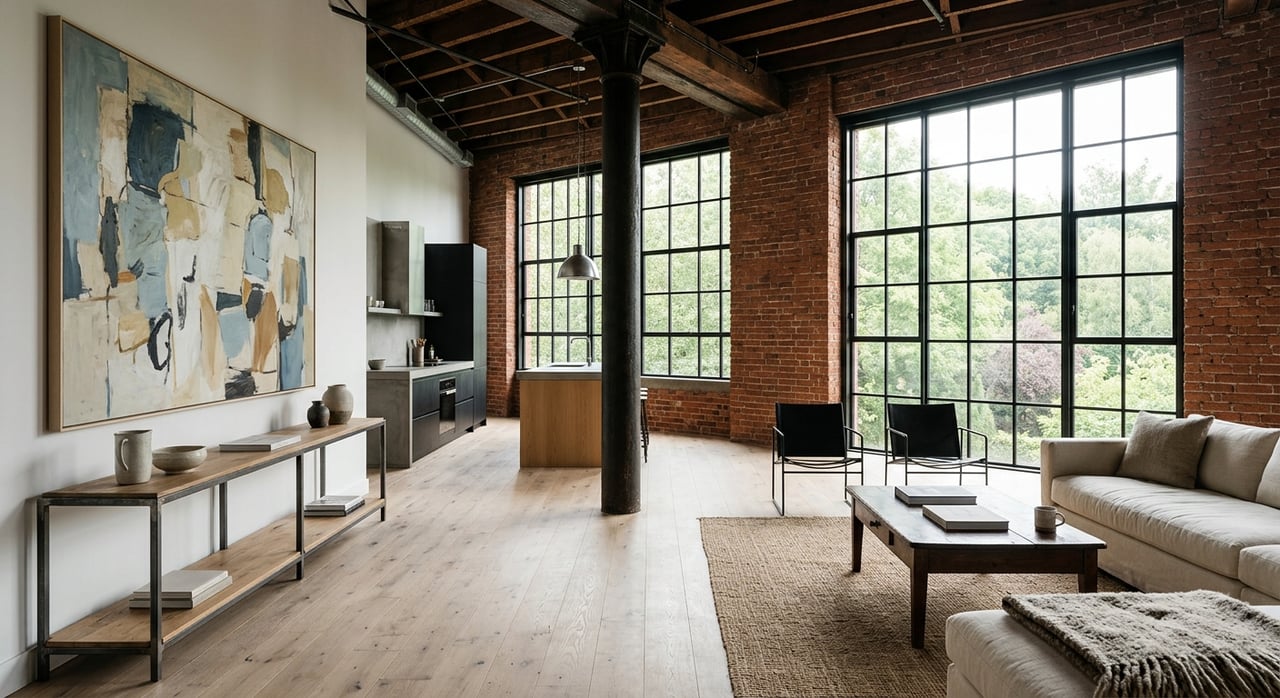
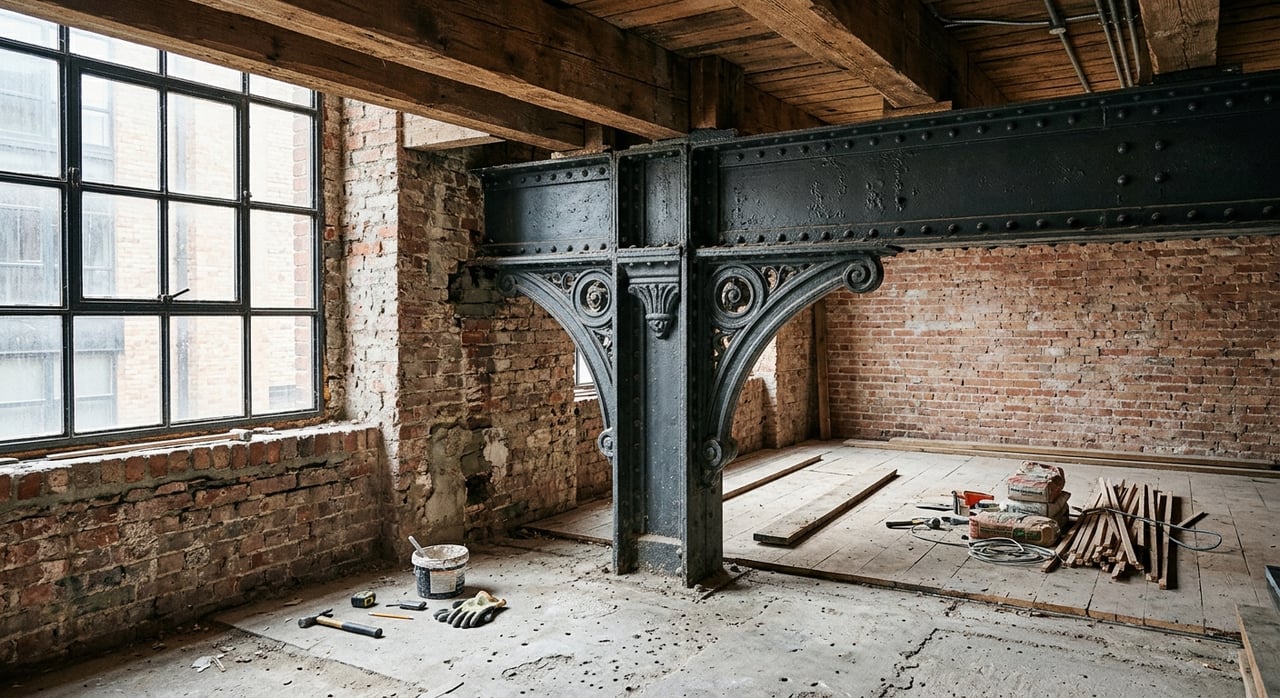
Boutique or loft-style buildings tend to have lower common charges and fewer amenities. They can draw longer-term occupants and offer a different, often quieter experience. Decide which profile aligns with your plan to occupy, rent, or hold long term.
Construction quality and systems
Look beyond finishes. Sound attenuation, façade quality, and MEP systems influence comfort and cost of ownership. Floor-to-ceiling glazing looks great near the water, but thermal performance and seal integrity are key for winter comfort and energy use. Ask about service history for major systems and warranty status in newer buildings.
Amenity costs and rules
Amenity-rich buildings often budget for staffing, equipment replacement, and reserves. Review condo financials and house rules to understand usage policies, guest access, and any monetized amenities like event spaces or guest suites. These can offset costs or create future assessments depending on management.
Resiliency and flood risk
Map the flood zone and elevation
Williamsburg waterfront addresses can fall within mapped flood zones. Confirm the flood zone designation, Base Flood Elevation, and whether residential floors sit above that threshold. Note the elevation of building entrances and garage levels.
What good design looks like
Stronger buildings place critical equipment above flood levels and incorporate floodproofing measures like deployable barriers, raised vaults, and backflow preventers. Ask for details on the building’s resiliency plan and any completed upgrades.
Insurance and lender impact
If a unit sits in a high-risk flood zone, certain lenders will require flood insurance. Costs vary and can affect your net yield. Review the master policy, how unit insurance dovetails with building coverage, and whether the building uses the NFIP or private markets.
Model the numbers
Core metrics to compare
Use a simple set of metrics across candidates:
- Price per square foot: apples-to-apples snapshot across units and buildings.
- Gross rental yield: Annual gross rent divided by purchase price.
- Net operating income: Gross rent minus vacancy and operating expenses.
- Cap rate: NOI divided by purchase price.
- Cash-on-cash return: Annual pre-tax cash flow divided by total cash invested.
- Gross rent multiplier: Purchase price divided by annual gross rent.
Example: If asking price is 1,000,000 and expected annual rent is 36,000, gross yield is 3.6 percent and GRM is about 27.8. Use updated local rent data and actual expense quotes for accuracy.
Operating costs to underwrite
- Common charges: Higher in amenity buildings and often inclusive of heating, water, and staffing. Confirm reserve contributions.
- Real estate taxes: Unit owners pay taxes based on assessed value. Verify current taxes and any abatements or expirations.
- Utilities: Check if electricity, gas, and water are metered individually or included in common charges.
- Special assessments: Review the last 2 to 3 years of budgets and meeting minutes for known or potential assessments.
- Vacancy and turnover: Williamsburg has deep renter demand, but new deliveries can affect lease-up and concessions.
Rentability and short-term rules
For long-term rentals, benchmark current 1-bedroom and 2-bedroom rents to validate gross income and seasonality. For short-term rentals, know that New York City enforces strict rules. Many condominiums prohibit short stays in their bylaws. Review the offering plan, amendments, and house rules before you assume any short-term income.
Understand the legal and management picture
Documents to review
Request and review:
- Offering plan and amendments for new buildings
- Declaration and bylaws, including rental and subletting rules
- Building financial statements and budgets for the last 2 to 3 years
- Reserve study and any board meeting minutes for the last 12 to 24 months
- Certificate of occupancy and Department of Buildings violation history
These reveal rental flexibility, financial health, and capital needs.
Local Law 97 and future costs
Larger buildings must meet energy performance targets under Local Law 97. Compliance plans and potential fines can influence future common charges or assessments. Ask for any audits, energy filings, and capital improvement timelines.
Conversions and tenant complexity
If a condominium was converted from a rental, confirm whether any rent-regulated or protected tenancies remain. Review filings and tenant documentation to understand any legal encumbrances that could affect operations or resale.
Lender and financing considerations
Some lenders apply extra scrutiny to waterfront buildings and new developments. Confirm lender acceptance lists, presale thresholds in new towers, and building insurance standards. Financing friction can affect marketability and timing of your exit.
Compare sales and supply
Pull relevant comps and absorption
Use recent sales from the last 6 to 12 months in similar waterfront buildings and on comparable floors. Track days on market, price per square foot, and contract activity. Building-level trades can differ from neighborhood averages, so prioritize intra-building comps where possible.
Watch the delivery pipeline
Williamsburg has experienced supply waves as large sites come online. Units with prime views, strong layouts, and proven management tend to hold premiums during these cycles. Time your entry when inventory expands, but choose quality that can transcend the next set of completions.
What drives long-term appreciation
- Scarcity of true riverfront exposure and protected views
- Ongoing neighborhood amenity growth, including parks and cultural venues
- Transit access across subway, bridge, and ferry that supports daily use
- Building reputation, construction quality, and reserve strength
- Macro conditions: jobs, interest rates, and tax policies that support demand
- Demonstrated resiliency and energy compliance that lowers perceived risk
A step-by-step evaluation checklist
Use this streamlined process when you shortlist units:
- On-site evaluation
- Visit on a weekday and a weekend, morning and evening.
- Photograph sightlines from each window. Note sun exposure.
- Listen for ferry and bridge noise with windows open and closed.
- Check elevator count, speed, and lobby traffic at peak hours.
- Physical and resiliency review
- Confirm flood zone, Base Flood Elevation, and entry elevation.
- Ask how critical systems are protected and where they are located.
- Review any resiliency upgrades and proof of performance during recent storms.
- Financial underwriting
- Build a rent and expense pro forma with realistic vacancy and management costs.
- Calculate price per square foot, gross yield, NOI, cap rate, cash-on-cash, and GRM.
- Validate real estate taxes, common charges, and any upcoming assessment schedules.
- Legal and governance
- Read the offering plan, bylaws, and house rules for rental terms and restrictions.
- Review building financials, reserve study, and board minutes for capital plans.
- Confirm certificate of occupancy and check for open violations.
- Market context
- Pull recent comps in the building and immediate waterfront peers on similar floors.
- Track days on market and list-to-sale dynamics for absorption signals.
- Note any planned nearby developments that could affect views or traffic.
- Questions to ask
- What percentage of units are investor-owned versus owner-occupied?
- What are typical vacancy and turnover rates?
- Are any special assessments planned, and what are the timelines?
- Are subletting or short-term rentals restricted, and how are they enforced?
- What flood mitigation and energy compliance plans are in place?
If you want an extra margin of safety, prioritize protected views, strong governance and reserves, and buildings with a documented approach to resiliency and energy compliance. That pairing tends to preserve premiums across market cycles.
Ready to compare your shortlist with precision and discretion? For a tailored analysis, private comps, and seamless execution, connect with Luca Paci for a discreet consultation.
FAQs
What makes Williamsburg waterfront condos attractive for investors?
- A blend of lifestyle demand, transit access, and river views supports rentability and helps units hold premiums within Brooklyn while still pricing below core Manhattan luxury.
How should I value a river view in Williamsburg?
- Rank sightlines by tier, verify future obstructions through permit checks, and model the rent and resale premium by floor and orientation before paying a view markup.
Do amenities in new towers pay for themselves?
- Amenities can boost rentability and marketing, but higher common charges and potential assessments offset some gains, so underwrite net impact rather than headline features.
How does flood risk affect buying on the waterfront?
- Flood zones can trigger insurance requirements and higher premiums. Buildings with elevated systems and strong floodproofing reduce operational and financing risk.
Are short-term rentals allowed in Williamsburg condos?
- New York City has strict short-term rental rules and many condo bylaws prohibit them, so assume long-term leasing unless building documents allow otherwise.
What metrics should I use to compare two units?
- Focus on price per square foot, gross yield, NOI, cap rate, cash-on-cash return, and GRM, using realistic rents and verified operating costs.