If you are looking at a Tribeca penthouse as part of a broader real estate portfolio, the key question is not whether it is impressive. It is whether it works as an asset. For many buyers, that means balancing prestige, personal use, liquidity, and rental potential in one of Manhattan’s highest-priced markets. The data suggest a clear answer: a Tribeca penthouse can be a smart portfolio play, but usually not for the reason investors chase pure cash flow. Let’s dive in.
Tribeca penthouses fit a different strategy
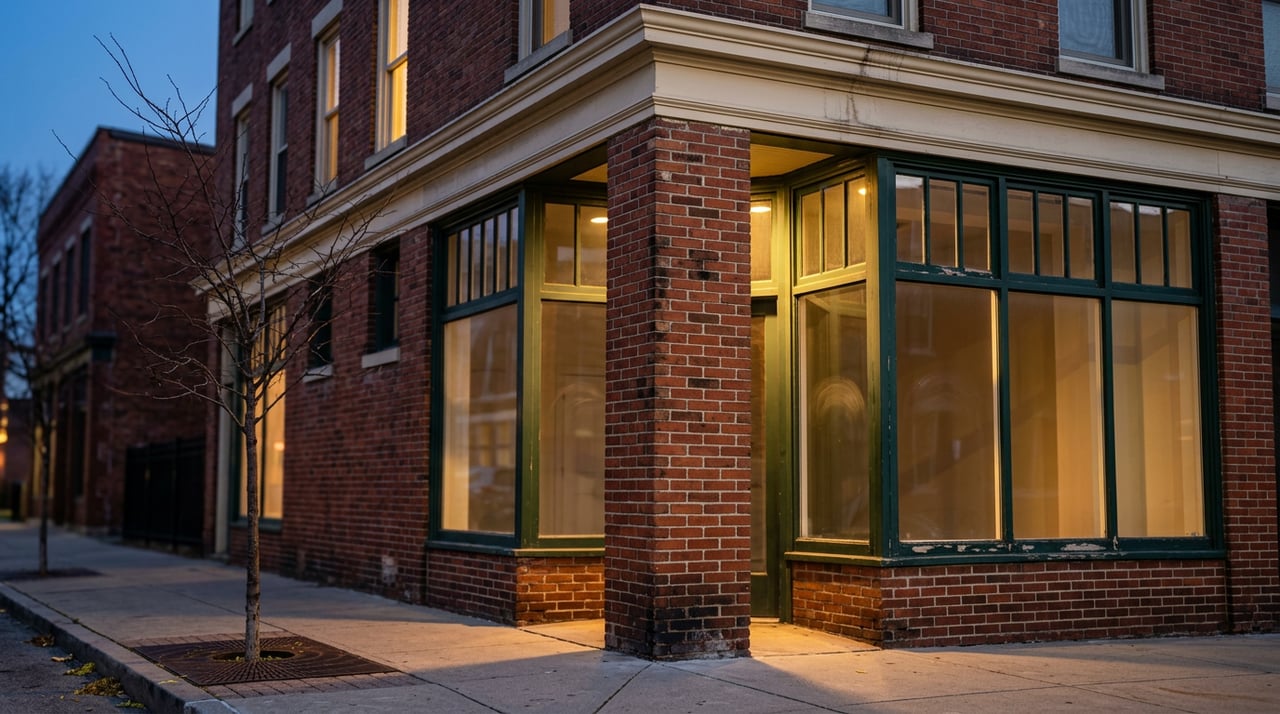
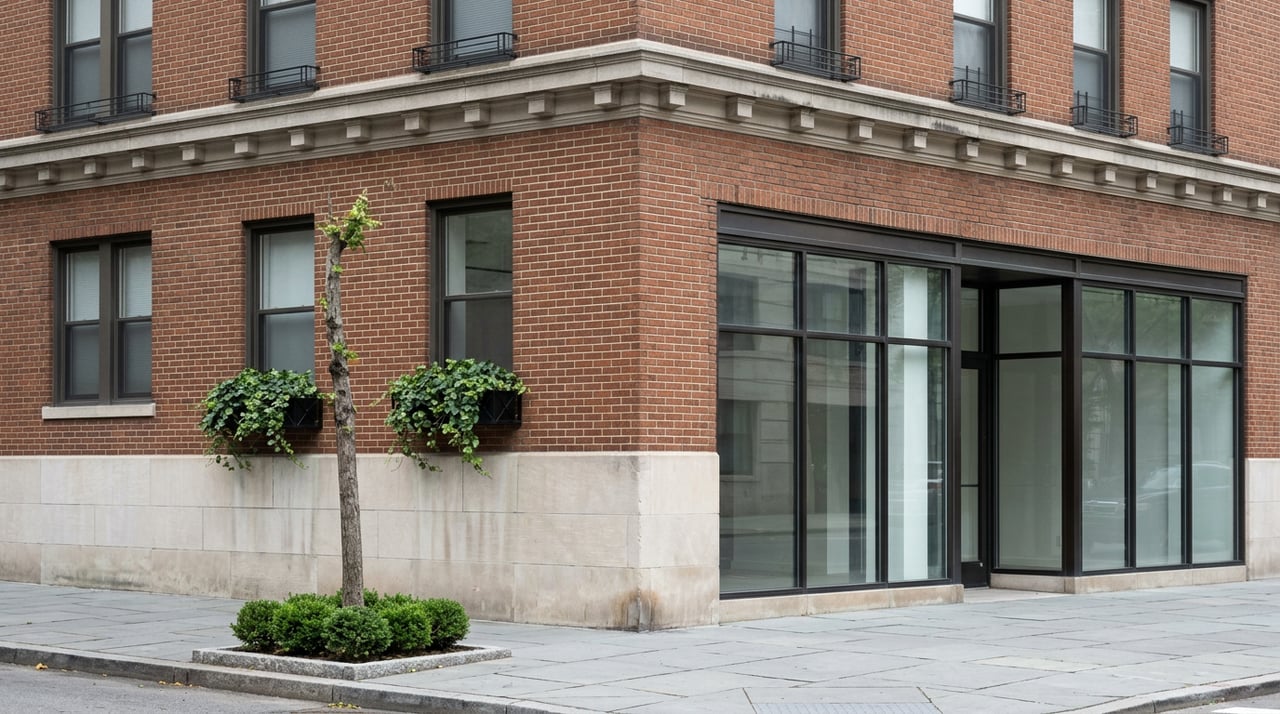
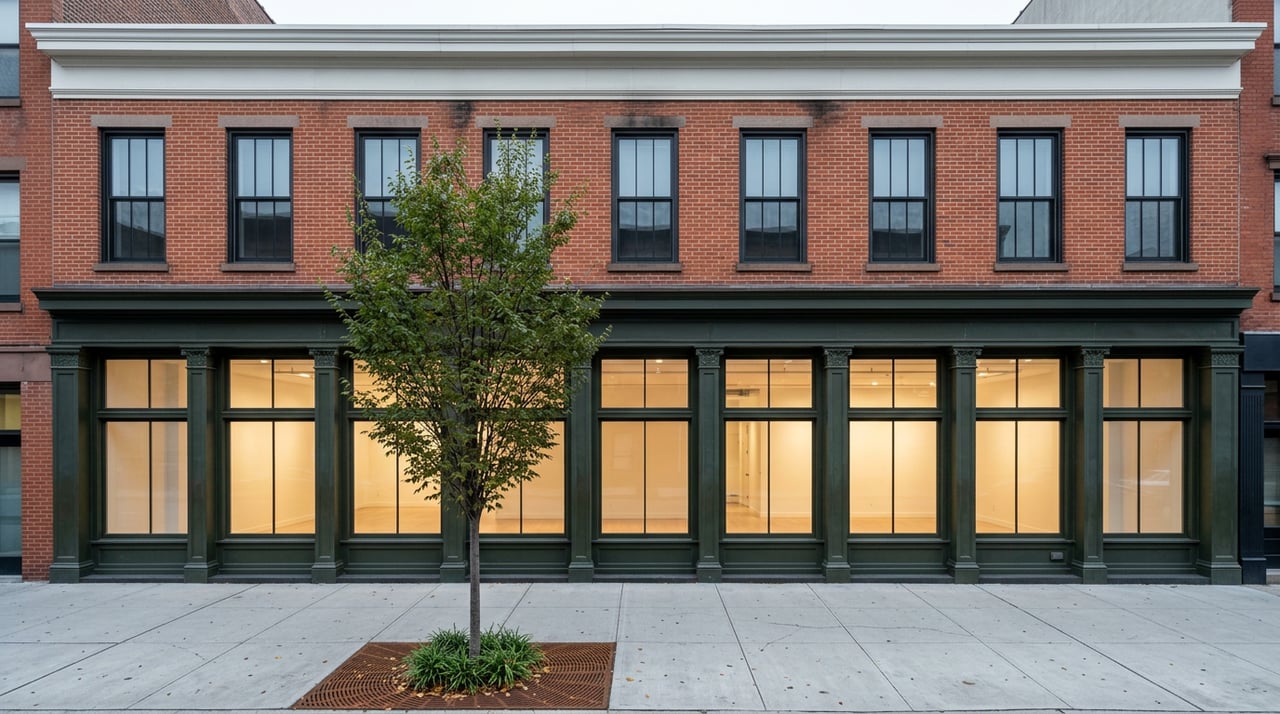
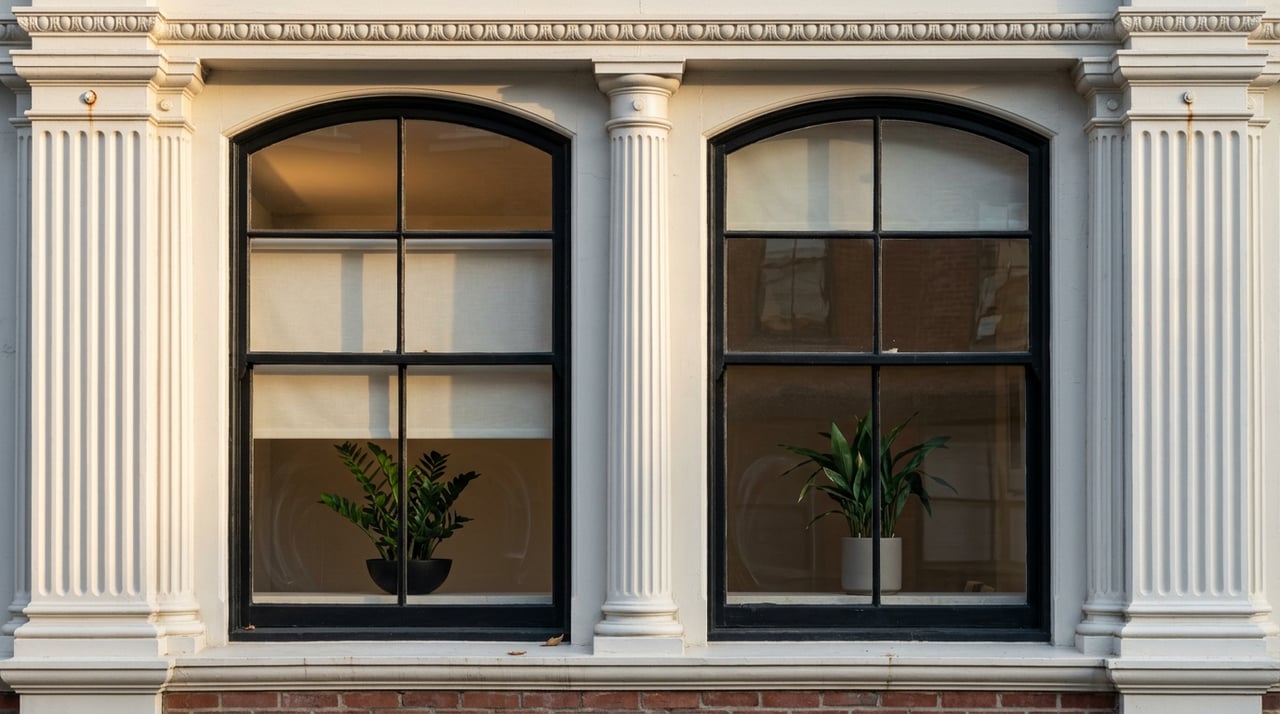
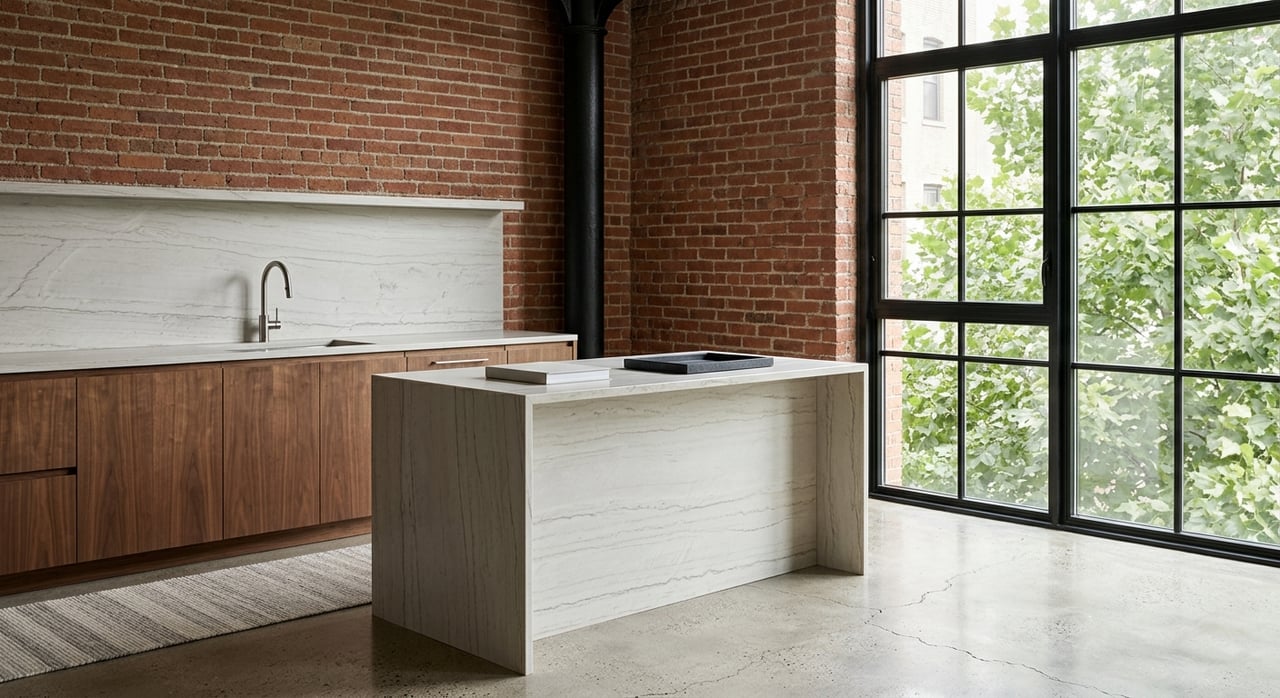
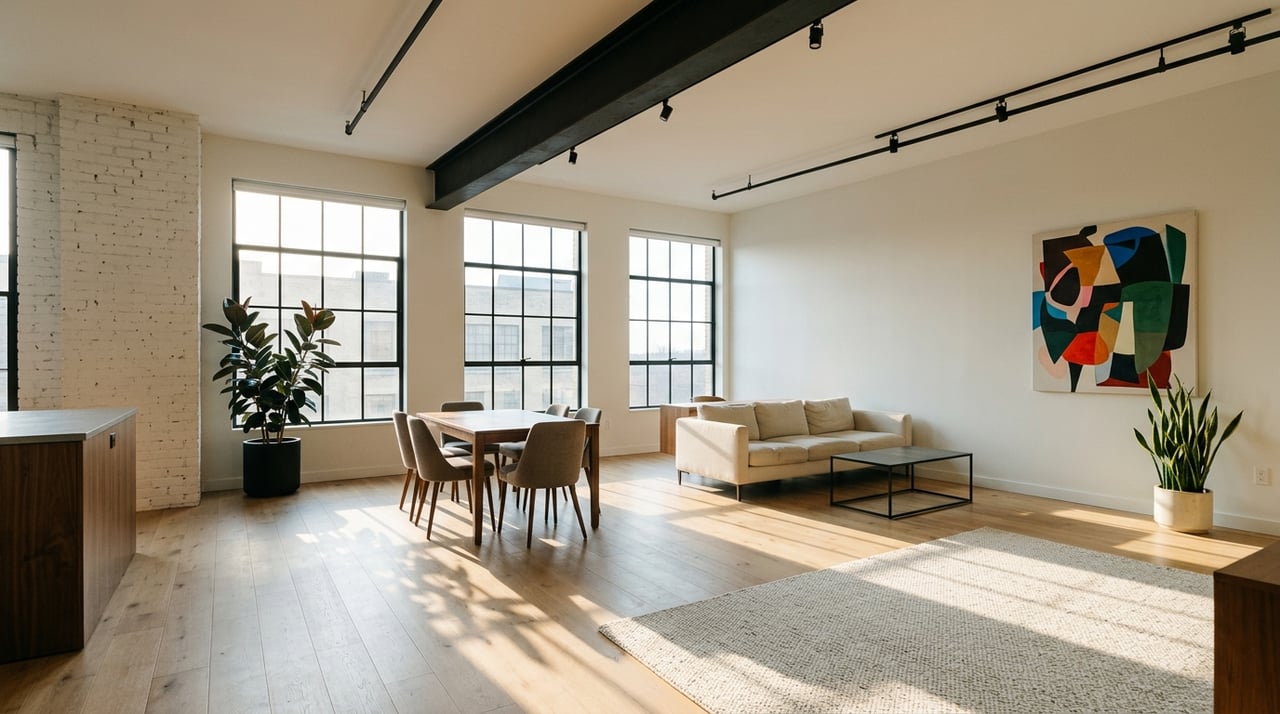
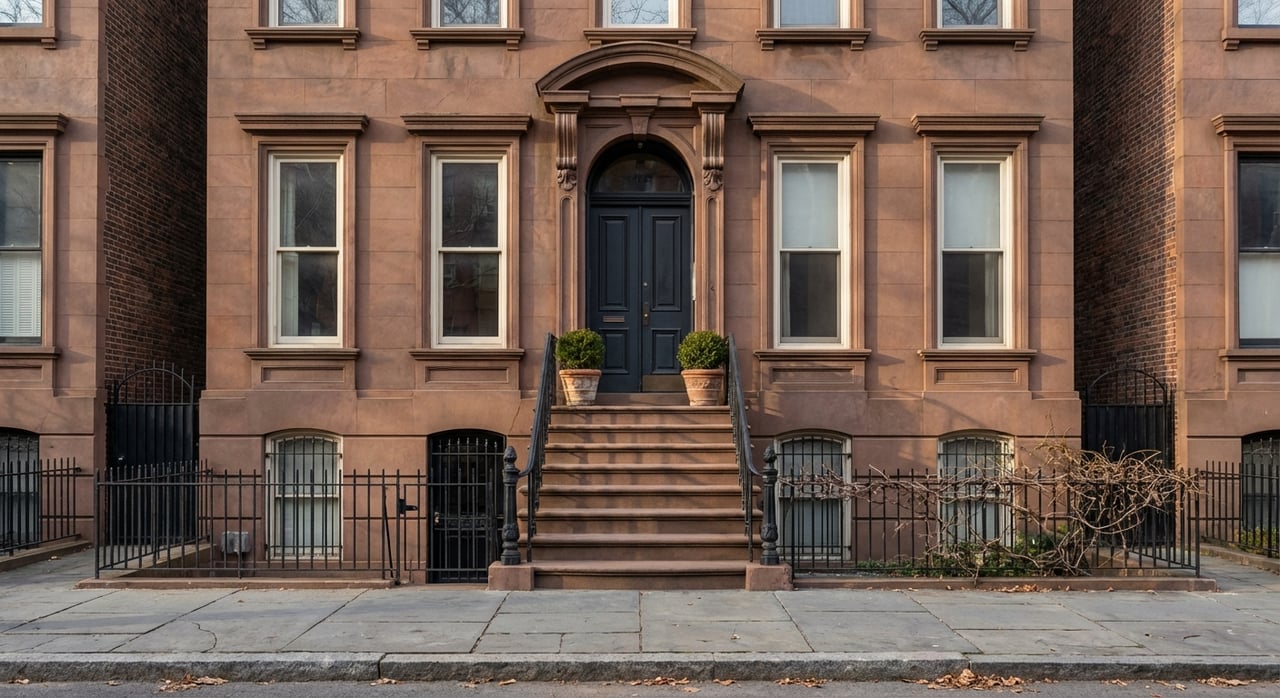
Tribeca sits in a rare category of Manhattan real estate. According to StreetEasy’s Tribeca neighborhood data, the neighborhood has a median sale price of about $3.5 million, a median base rent of $7,897, and a median 62 days on market. StreetEasy also identifies Tribeca as the most expensive neighborhood in New York City, shaped by converted warehouse lofts, luxury condominiums, and limited high-end inventory.
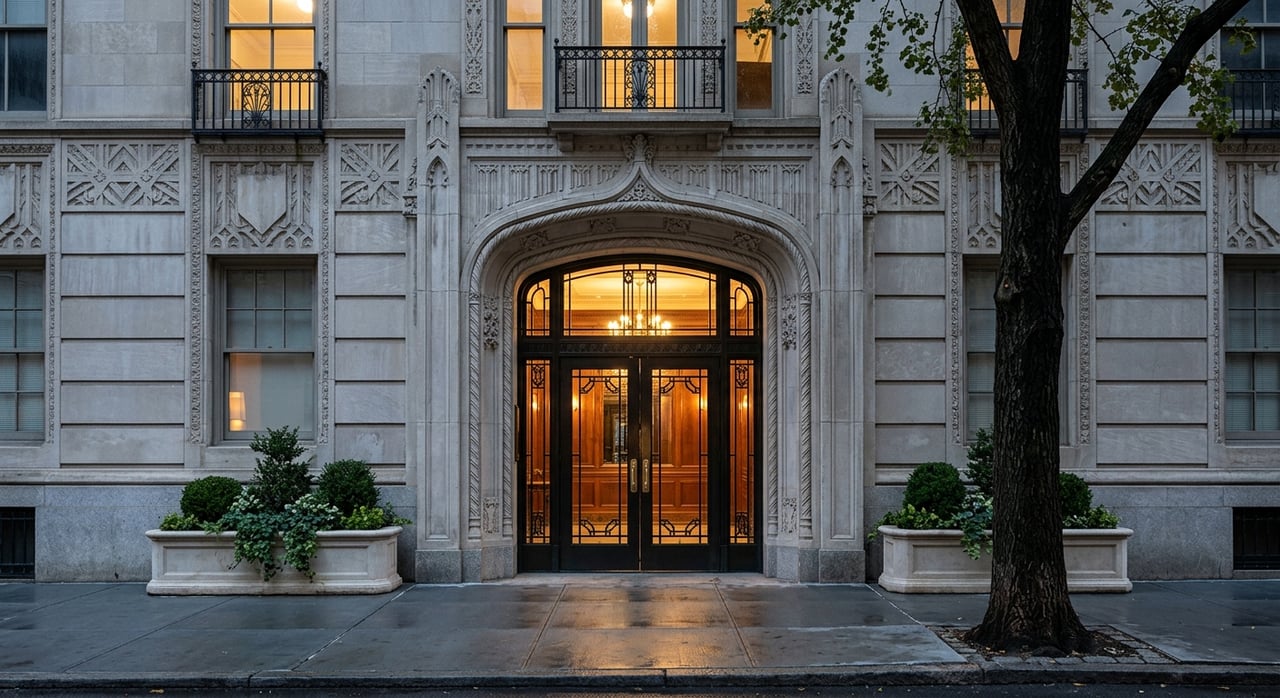
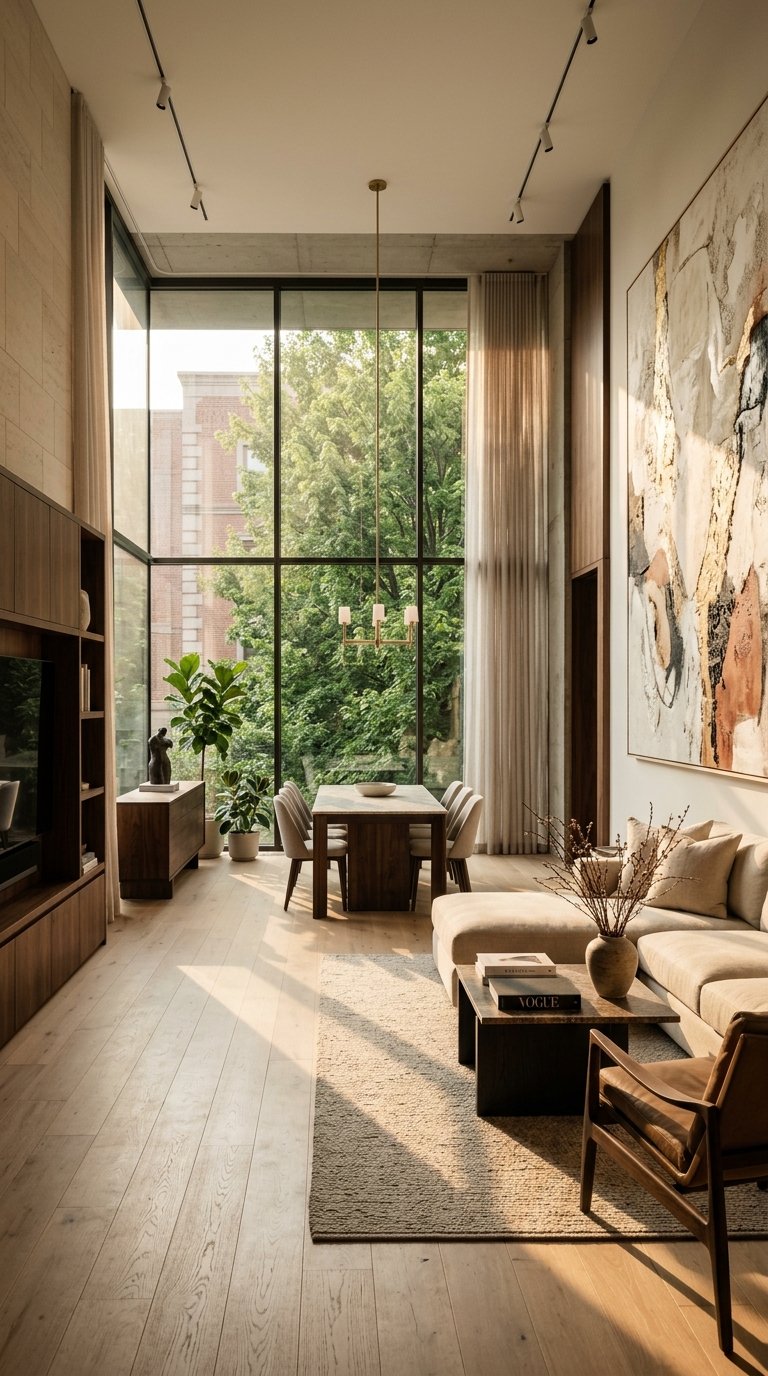
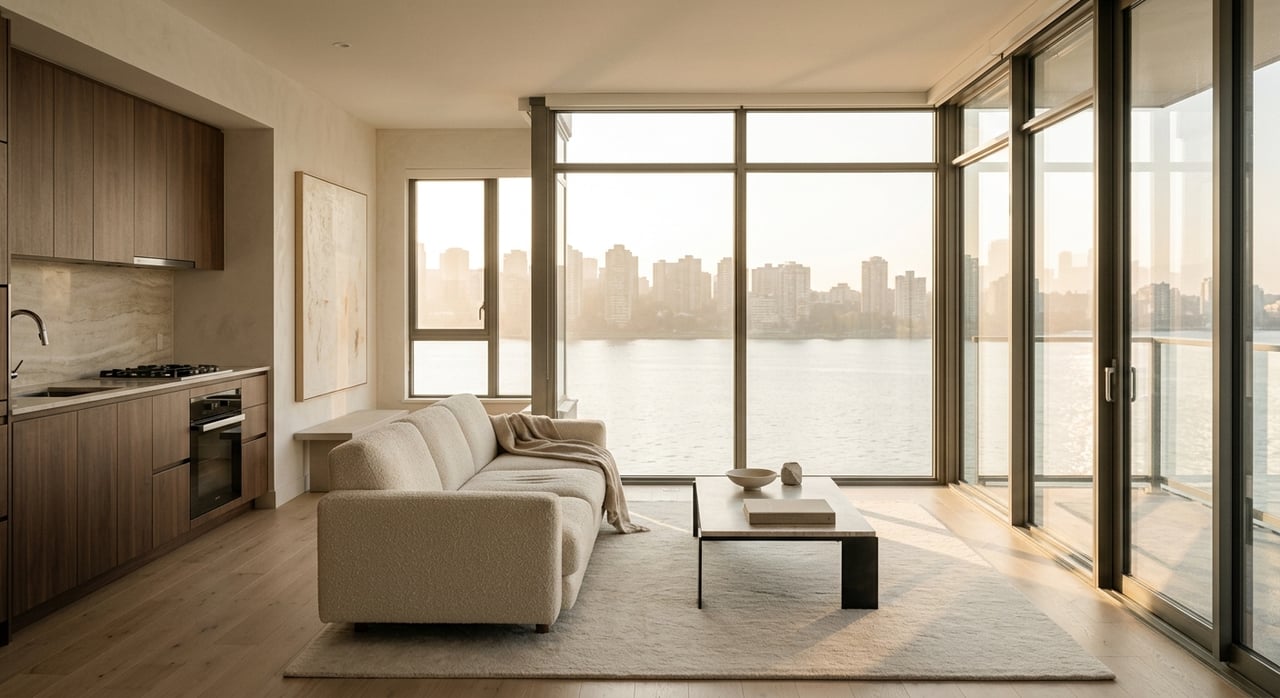
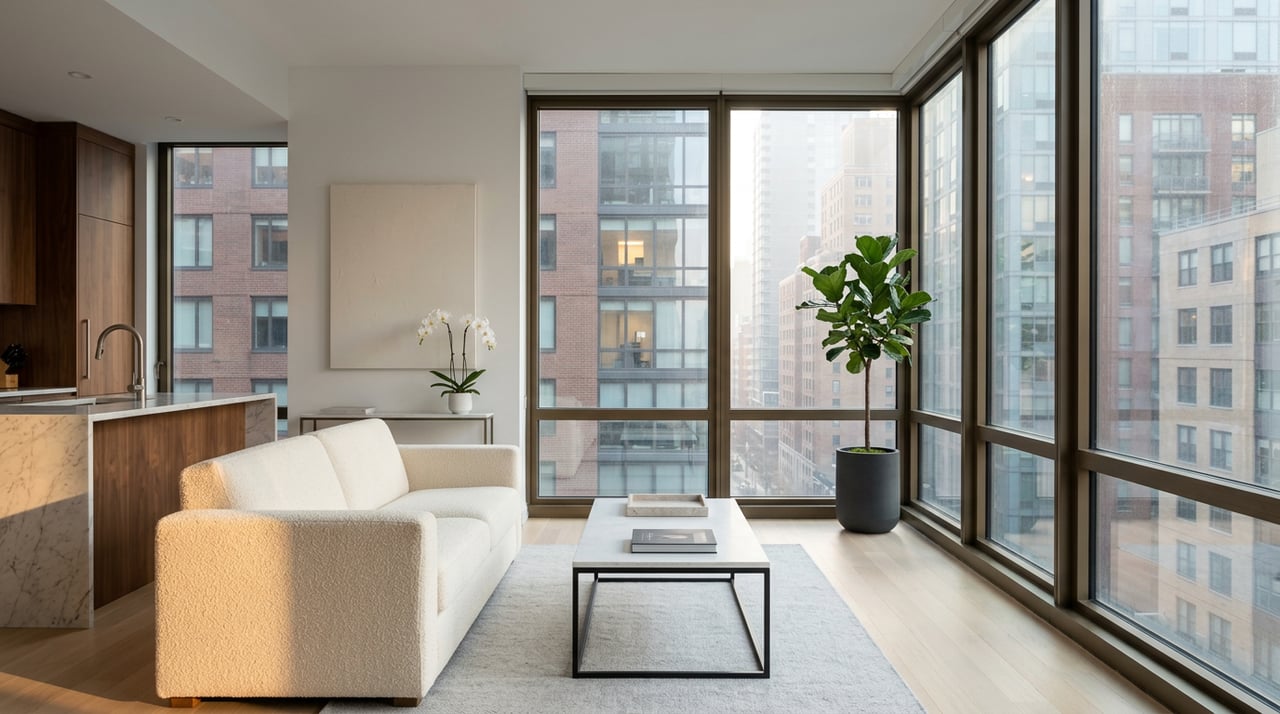
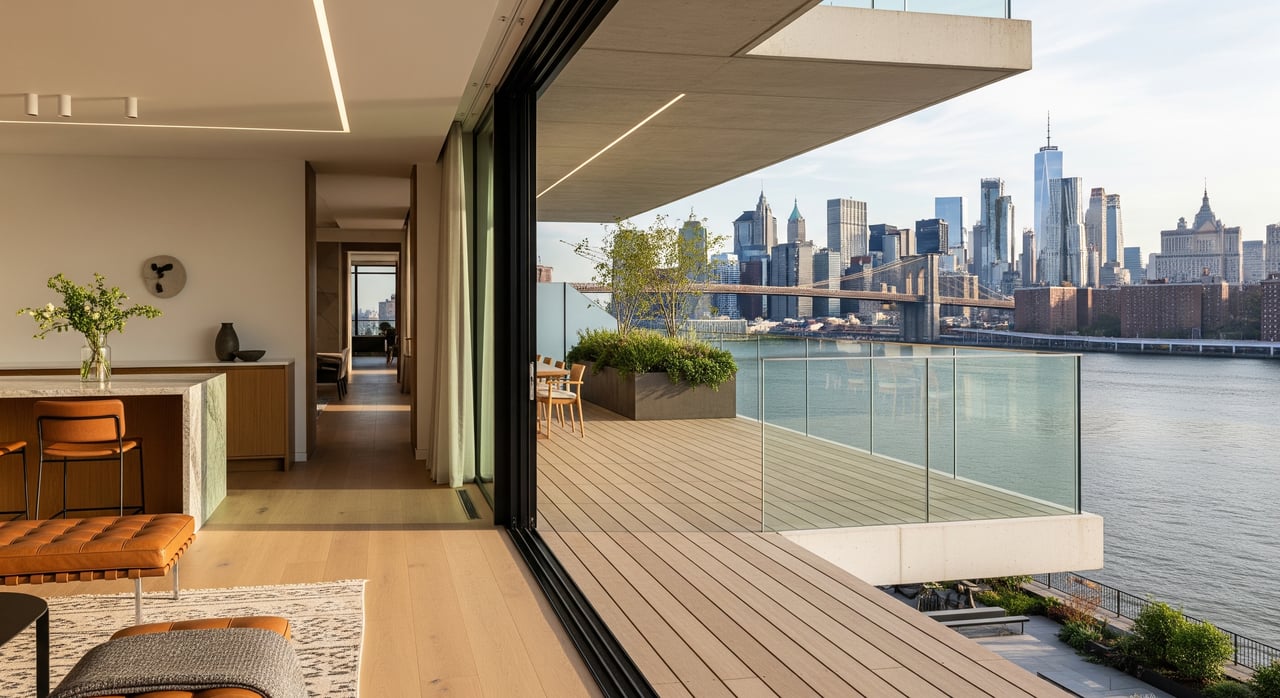
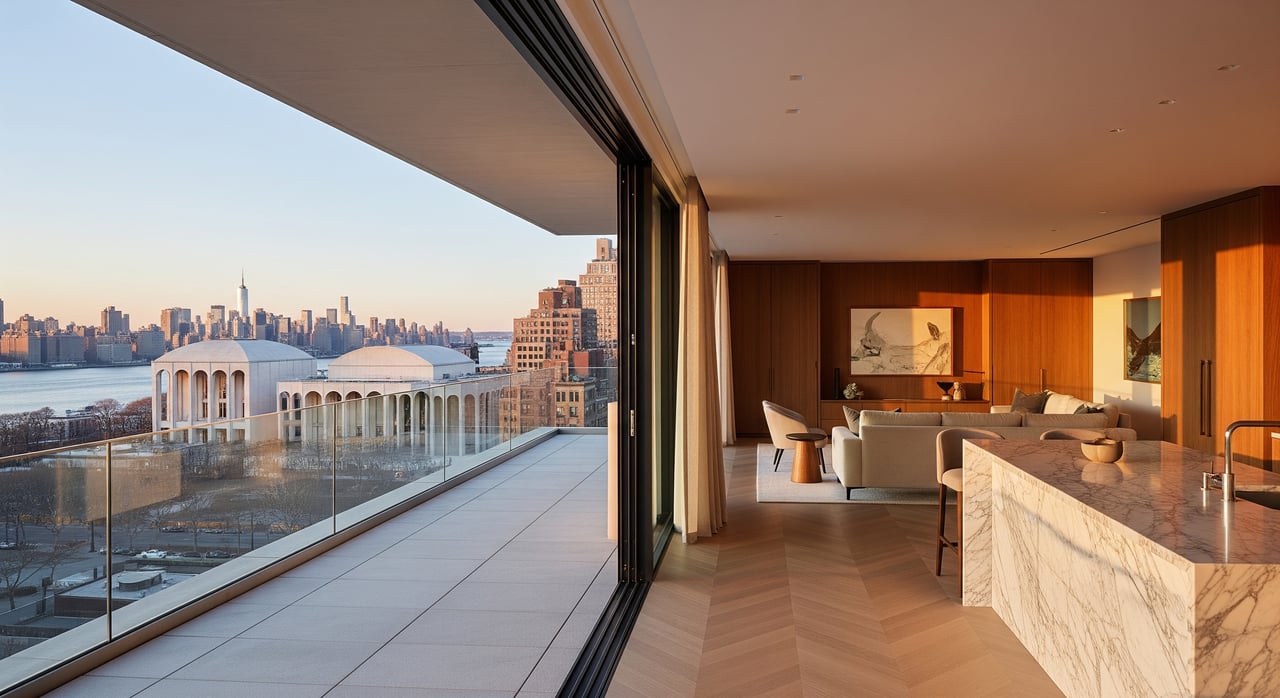
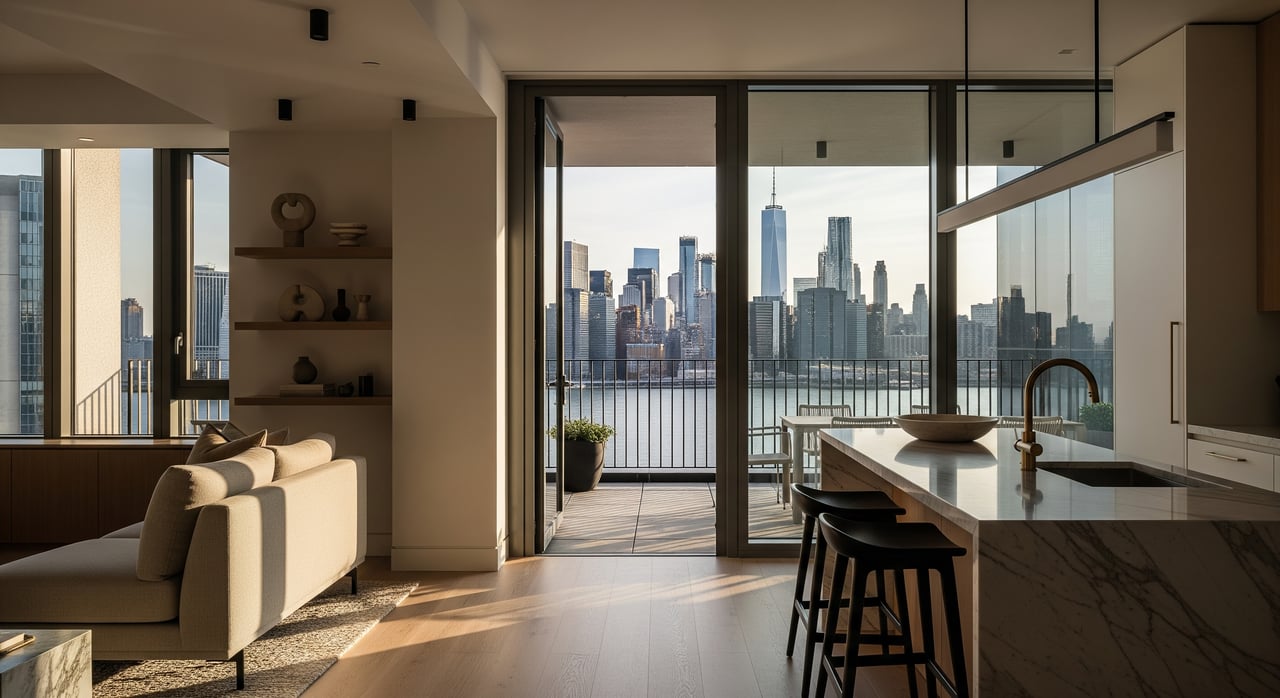
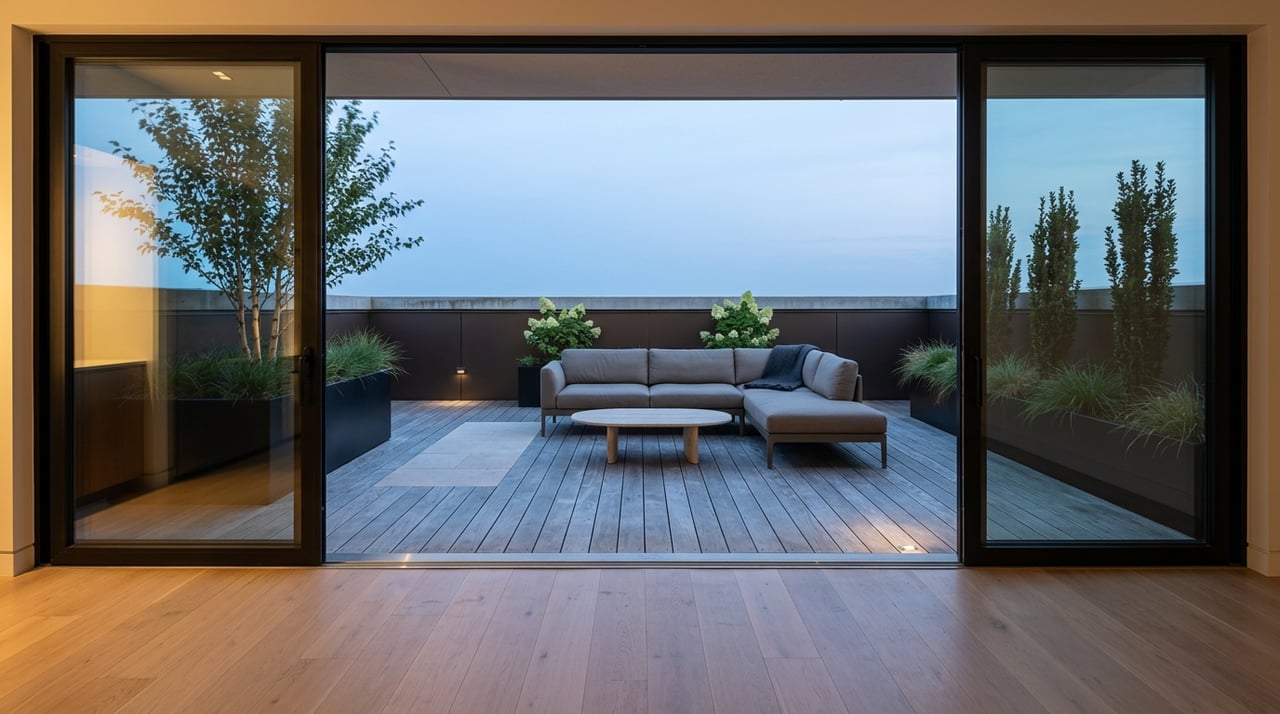
That matters because penthouses in Tribeca are typically priced on more than square footage alone. Buyers often pay for a combination of privacy, outdoor space, views, ceiling height, building pedigree, and true scarcity. In portfolio terms, that makes a Tribeca penthouse less like a standard income property and more like a scarcity-driven luxury holding with optionality.
Why the income story is only part of it
If your goal is to maximize yield, Tribeca is usually not the first market that stands out. Based on current StreetEasy medians, the rough gross base-rent yield is about 2.7% in Tribeca. That compares with roughly 2.1% in SoHo and about 4.0% on the Upper East Side.
This does not mean Tribeca is a weak asset. It means the market tends to reward a different ownership profile. A Tribeca penthouse may suit you better if you value long-term capital positioning, optional personal use, and the ability to lease at a high absolute rent when needed.
Tribeca still offers strong rental support
Even though implied yield is modest relative to purchase price, the rental case is still meaningful. In the Corcoran May 2025 Manhattan rental market report, SoHo/TriBeCa averaged $10,671 in rent, up 11% year over year, with 207 leases signed and 1.12% vacancy. That is a strong signal that high-end downtown rentals continue to attract demand.
StreetEasy’s 2025 year-in-review adds another important layer: Tribeca held its position as New York City’s most expensive rental neighborhood at about $7,900 median asking rent, even after a 5% year-over-year decline. In plain terms, rents can moderate, but the neighborhood still sits at the top of the market.
For a portfolio buyer, that rental backstop matters. If you do not plan to occupy the property year-round, Tribeca gives you a credible leasing option at a very high nominal rent level.
Scarcity supports long-term appeal
The strongest argument for a Tribeca penthouse is scarcity. Penthouses are already a narrow slice of inventory, and in Tribeca they are often especially distinctive. Layout, building quality, private terraces, skyline views, and privacy can vary widely from one property to the next.
That uniqueness can support pricing power over time, but it also means each asset has to be underwritten individually. A penthouse with ideal proportions, clean outdoor space, strong light, and respected building pedigree is not directly interchangeable with another “penthouse” a few blocks away. In this segment, the spread between average and exceptional can be wide.
Liquidity is healthy, but not simple
At the neighborhood level, Tribeca looks fairly liquid for a prime luxury market. StreetEasy reports median days on market of 62 days, which is the same headline figure shown for SoHo and slightly below the 66 days reported for the Upper East Side. That suggests buyers are active across these markets.
Still, penthouse liquidity is more nuanced than neighborhood medians imply. The buyer pool is smaller, and resale timing may depend heavily on the exact combination of floor plan, views, terrace quality, finish level, and building reputation. In other words, Tribeca penthouses can trade well, but they are not a plug-and-play commodity.
How Tribeca compares with SoHo
SoHo is the closest downtown comparison, but the two markets do not play exactly the same role. StreetEasy’s 2025 year-in-review notes that SoHo had the city’s highest median asking sale price, while Tribeca had the highest median asking rent. That difference is useful for portfolio planning.
If you are deciding between the two, SoHo may appeal more if you are focused on pure sales prestige and a globally recognized luxury brand. Tribeca may look stronger if you want a more residential downtown setting and a better leasing fallback when the property is not in use.
The distinction is subtle, but important. For many buyers, a Tribeca penthouse can offer a slightly more flexible hold strategy because the rental profile is stronger at the neighborhood level.
How Tribeca compares with the Upper East Side
The Upper East Side tells a very different investment story. StreetEasy’s Upper East Side data show a much lower median sale price of around $1.2 million and a median base rent of $3,950, which creates a stronger rough gross yield profile than Tribeca.
From a purely income-oriented perspective, the Upper East Side can be easier to justify. But it is also a different product mix, with more co-ops, more moderate pricing in many sections, and a less concentrated downtown trophy identity. Comparing a Tribeca penthouse to a typical Upper East Side apartment is useful for yield context, but not as a like-for-like luxury asset comparison.
Downtown condos have shown relative resilience
Longer-term pricing trends also support the idea that downtown luxury condos have held up well. According to Douglas Elliman’s Manhattan decade survey, SoHo/TriBeCa condos averaged $2,169 per square foot in 2024, up from $2,034 in 2015. That is a gain of about 6.6% over the period.
The same report shows Upper East Side condos averaged $1,805 per square foot in 2024, down from $1,991 in 2015, a decline of about 9.4%. Average sale price tells a similar story: SoHo/TriBeCa condos rose from $3.90 million to $4.44 million, while Upper East Side condos fell from $3.01 million to $2.58 million.
This does not guarantee future appreciation, of course. But it does suggest that prime downtown condo product has shown stronger resilience over the last decade than Upper East Side condos as a group.
What makes a Tribeca penthouse smarter
Not every penthouse in Tribeca is a smart buy. In a thin, high-value segment, asset selection matters even more than neighborhood selection. In practical terms, the strongest candidates often share a few traits:
- True scarcity, such as limited competing inventory in the building or immediate area
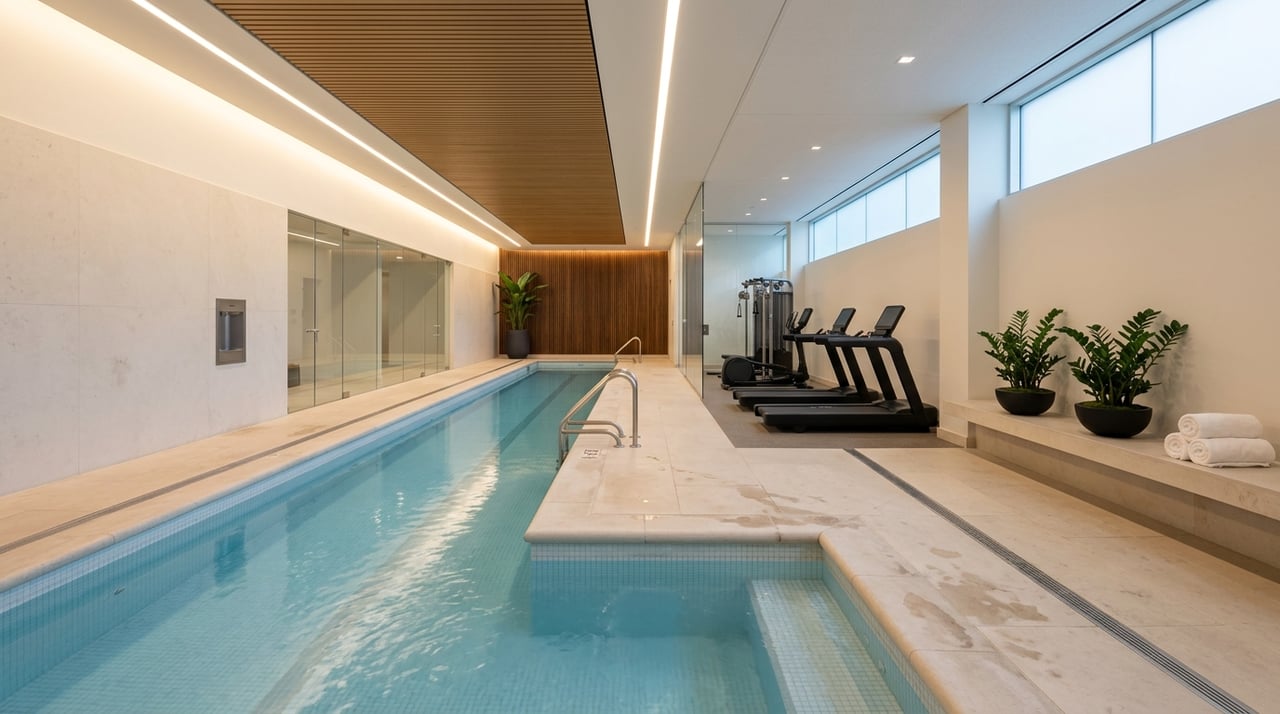
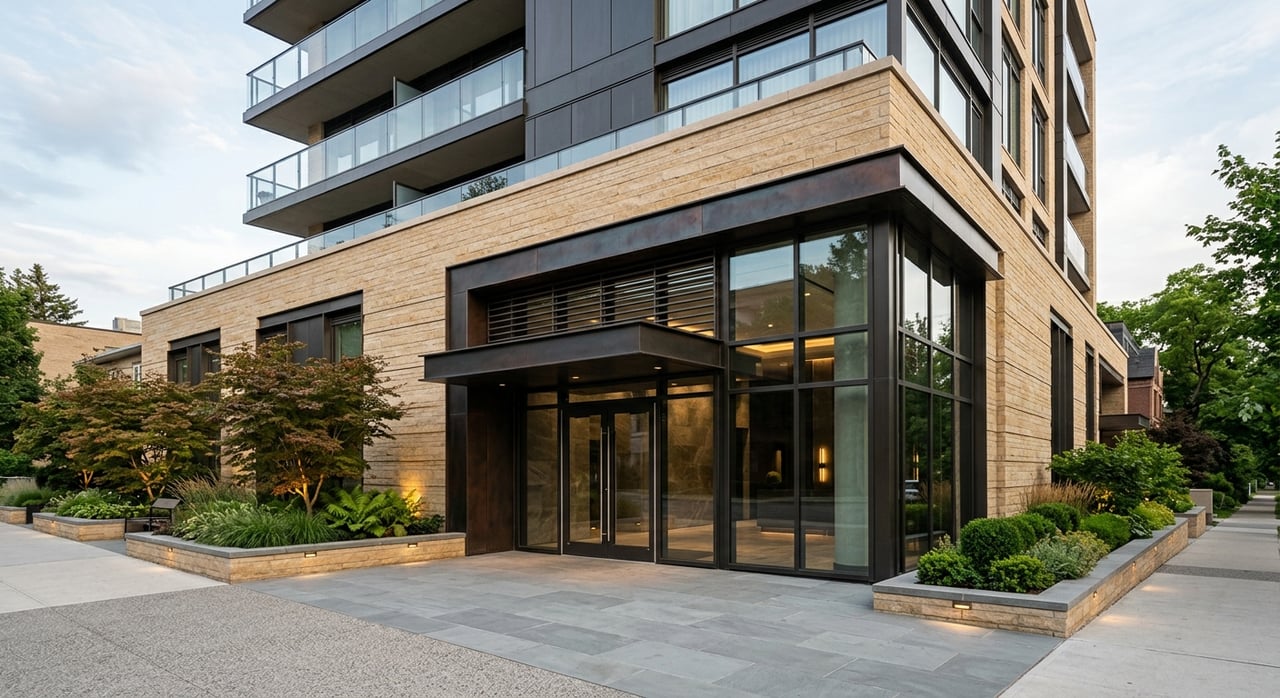
- Strong building pedigree, including design reputation, services, and overall quality
- Usable outdoor space, especially terraces that feel like an extension of the living area
- Light and views, which can significantly affect desirability and resale appeal
- Flexible layout, particularly for buyers who may alternate between personal use and leasing
- Condominium structure, where applicable, for easier ownership and leasing flexibility than many co-op formats
If one or more of those elements are weak, the pricing premium may be harder to defend later.
When a Tribeca penthouse makes sense
A Tribeca penthouse can be a smart portfolio play if your priorities include wealth preservation, long-duration luxury ownership, and optional leasing rather than maximum current income. It may also make sense if you want an asset that can function as a residence, pied-à-terre, or discretionary rental depending on your needs.
This is especially true for buyers who view New York property as one part of a broader capital strategy. In that context, Tribeca can serve as a blend of lifestyle utility and hard-asset exposure in a supply-constrained downtown market.
When it may not be the right fit
If your main objective is cash flow efficiency, Tribeca will likely feel expensive. The neighborhood’s rental power is real, but purchase prices are so high that yield remains modest by comparison with less trophy-driven markets.
It may also be the wrong fit if you need fast, predictable liquidity. Penthouses are highly specific assets, and their resale path can be more sensitive to market timing and property-level details than broader neighborhood statistics suggest.
The bottom line on Tribeca penthouses
For the right buyer, a Tribeca penthouse is a smart portfolio play because it combines scarcity, strong branding, rental optionality, and relative downtown condo resilience. What it usually does not offer is high current yield. That is the trade-off.
In other words, Tribeca penthouses tend to work best as a strategic luxury hold, not a pure income engine. If you want help evaluating whether a specific penthouse aligns with your broader buying or portfolio goals, Luca Paci offers discreet, investment-minded guidance tailored to high-value Manhattan decisions.
FAQs
Are Tribeca penthouses good investment properties in Manhattan?
- Tribeca penthouses can be strong long-term luxury holdings, especially for buyers focused on scarcity, capital preservation, and rental optionality rather than maximum yield.
How do Tribeca penthouses compare with SoHo penthouses?
- SoHo may offer stronger sales prestige at the neighborhood level, while Tribeca appears to have the stronger rental profile and a more residential downtown feel.
Do Tribeca penthouses generate strong rental income?
- Tribeca supports very high rents in absolute terms, but high purchase prices mean the implied gross yield is still modest compared with more income-oriented markets.
Are Tribeca penthouses more resilient than Upper East Side condos?
- Douglas Elliman’s decade survey shows SoHo/TriBeCa condos had stronger average price and price-per-square-foot performance than Upper East Side condos from 2015 to 2024.
What should you look for in a Tribeca penthouse purchase?
- Focus on scarcity, outdoor space, views, layout flexibility, building quality, and overall resale appeal, since penthouse performance is highly property-specific.