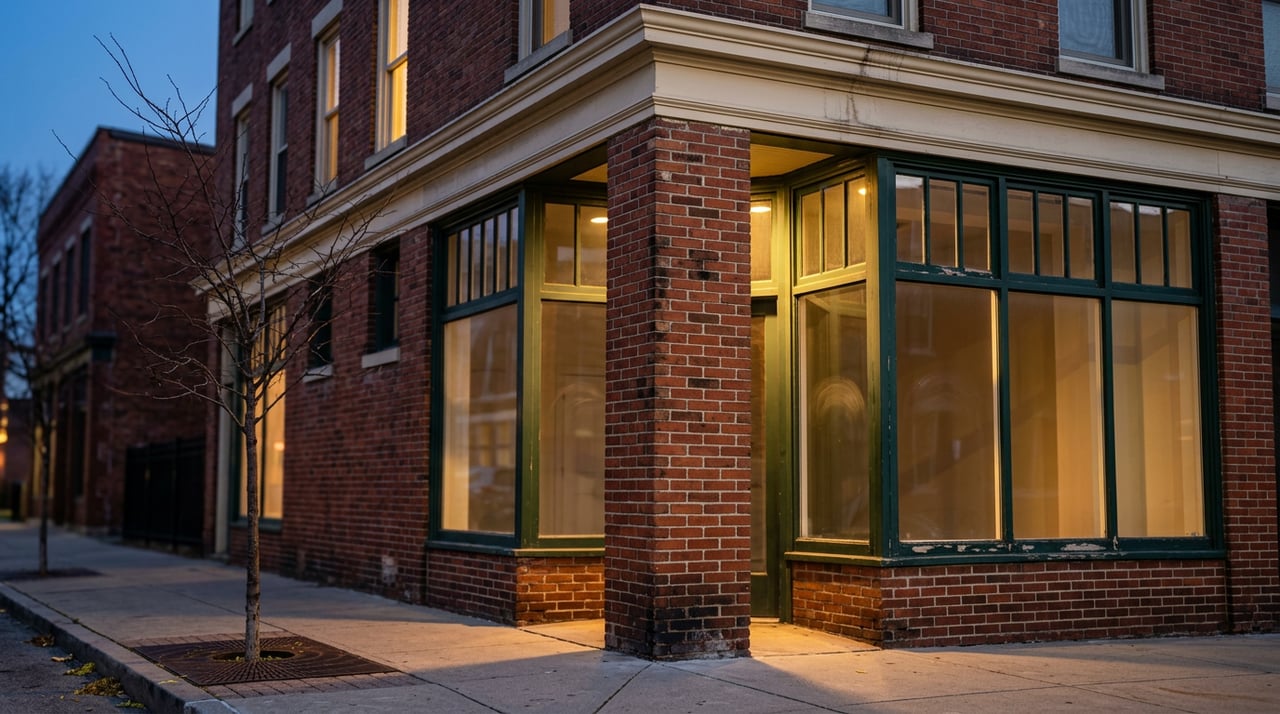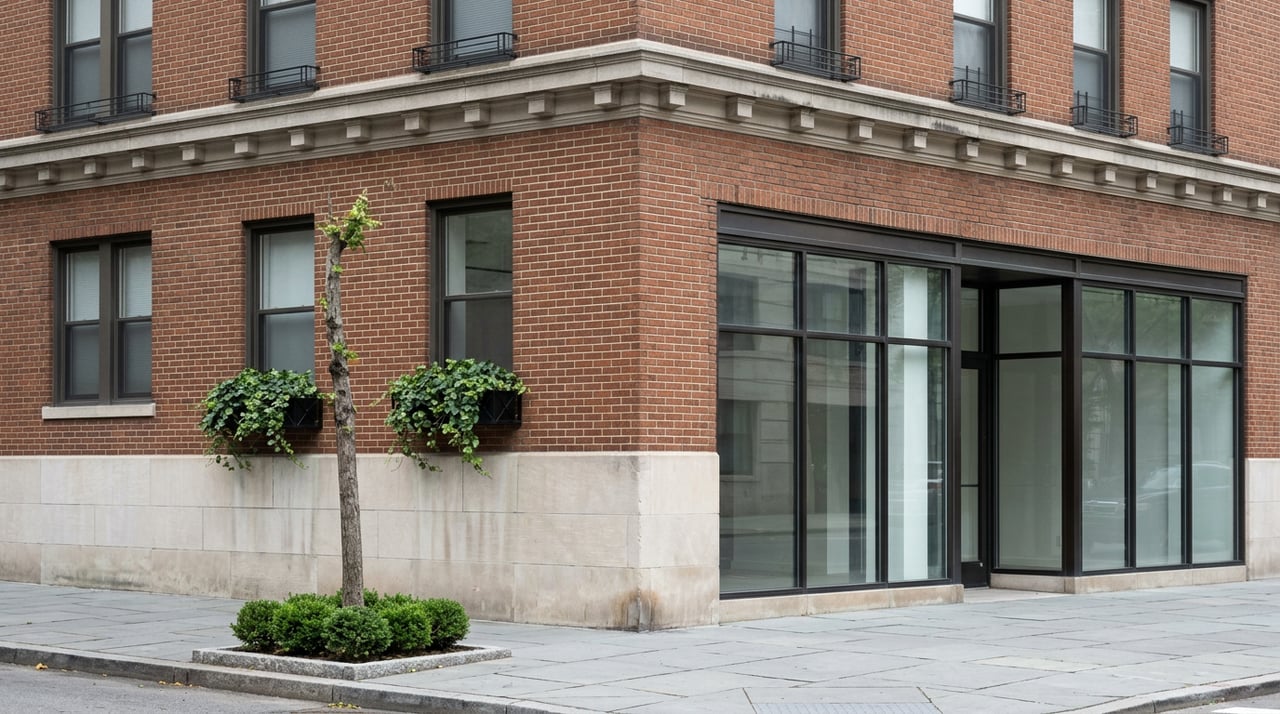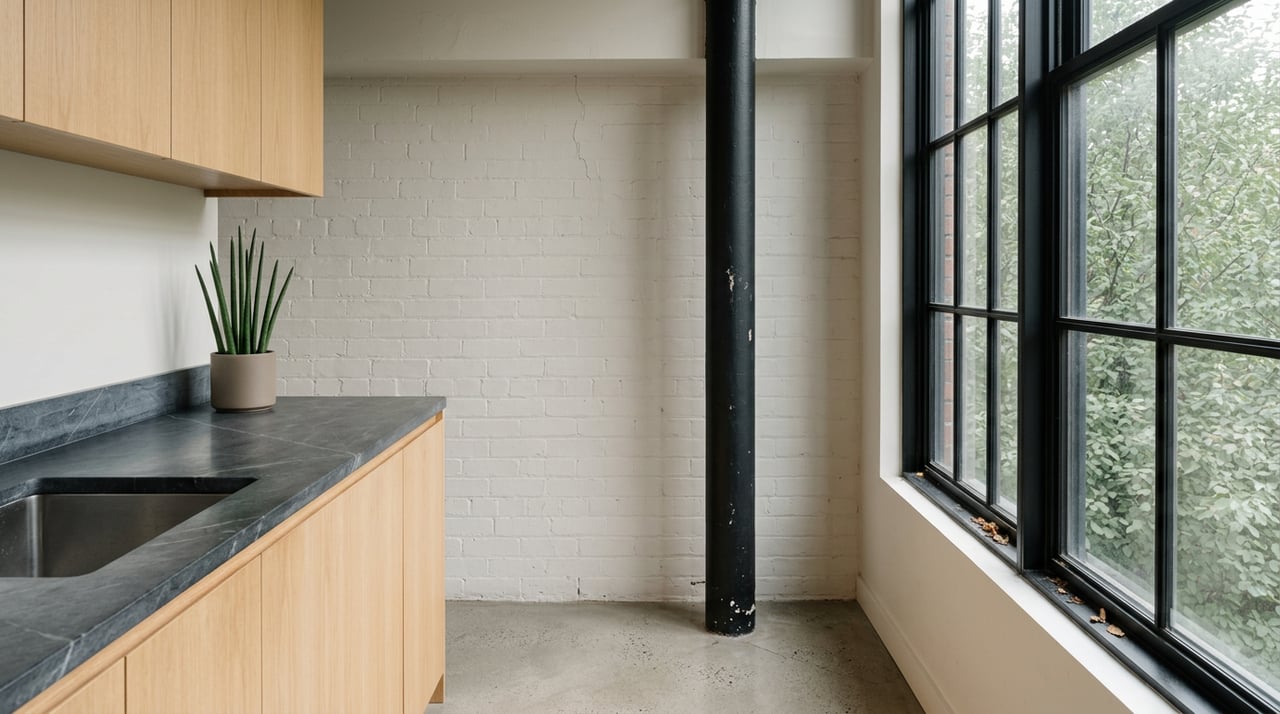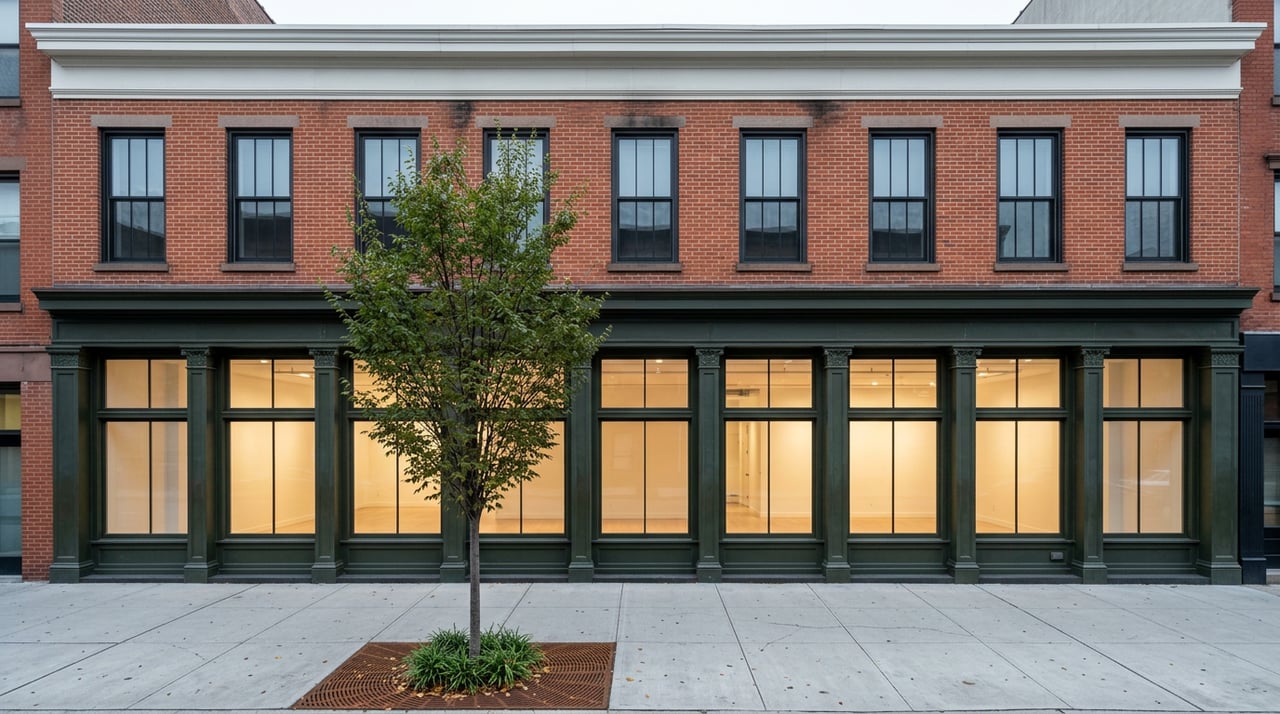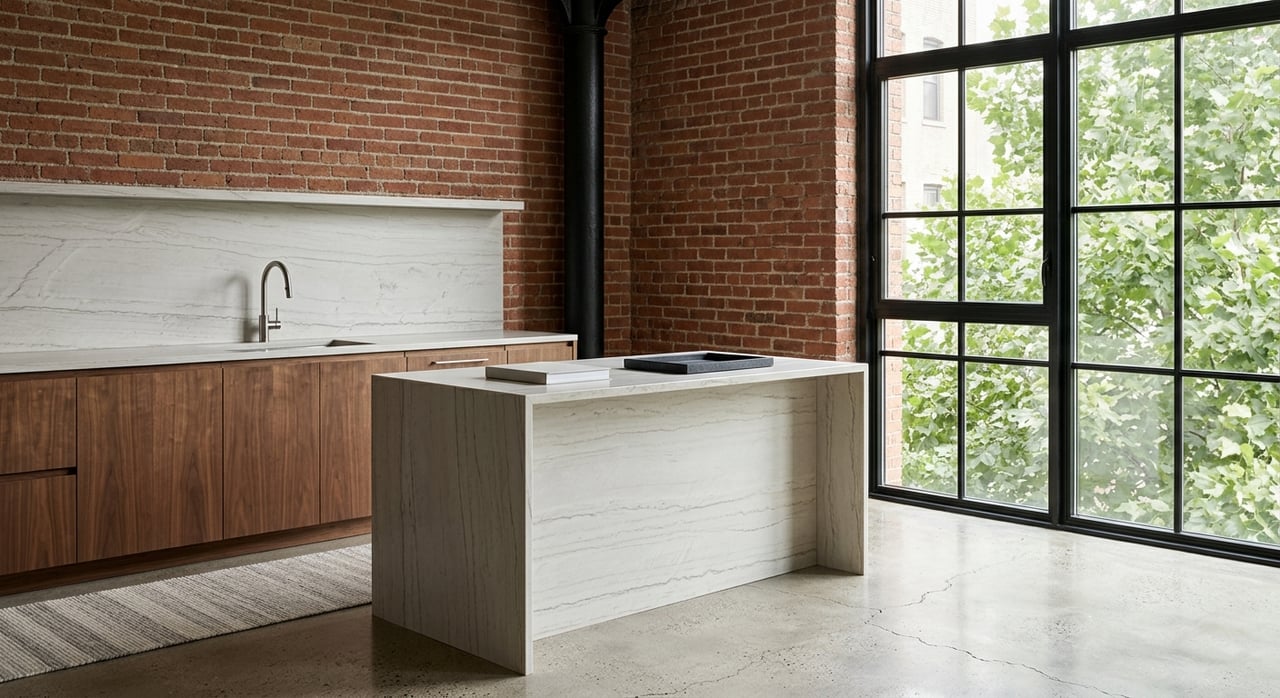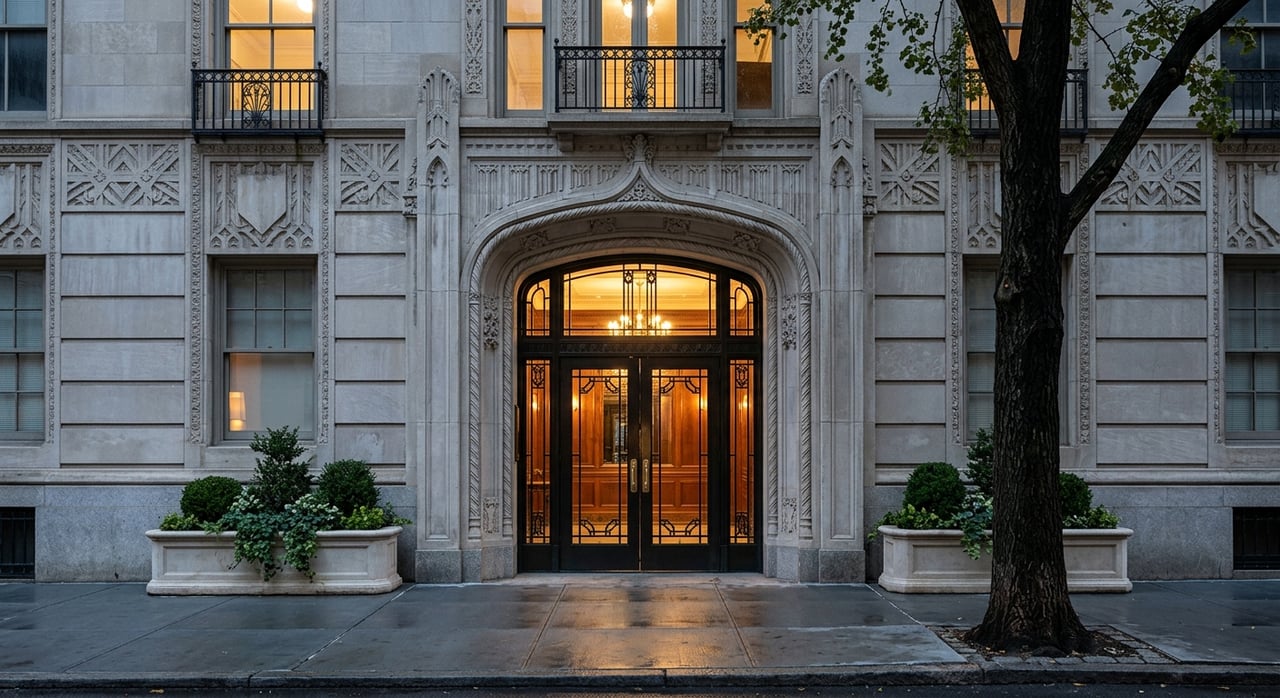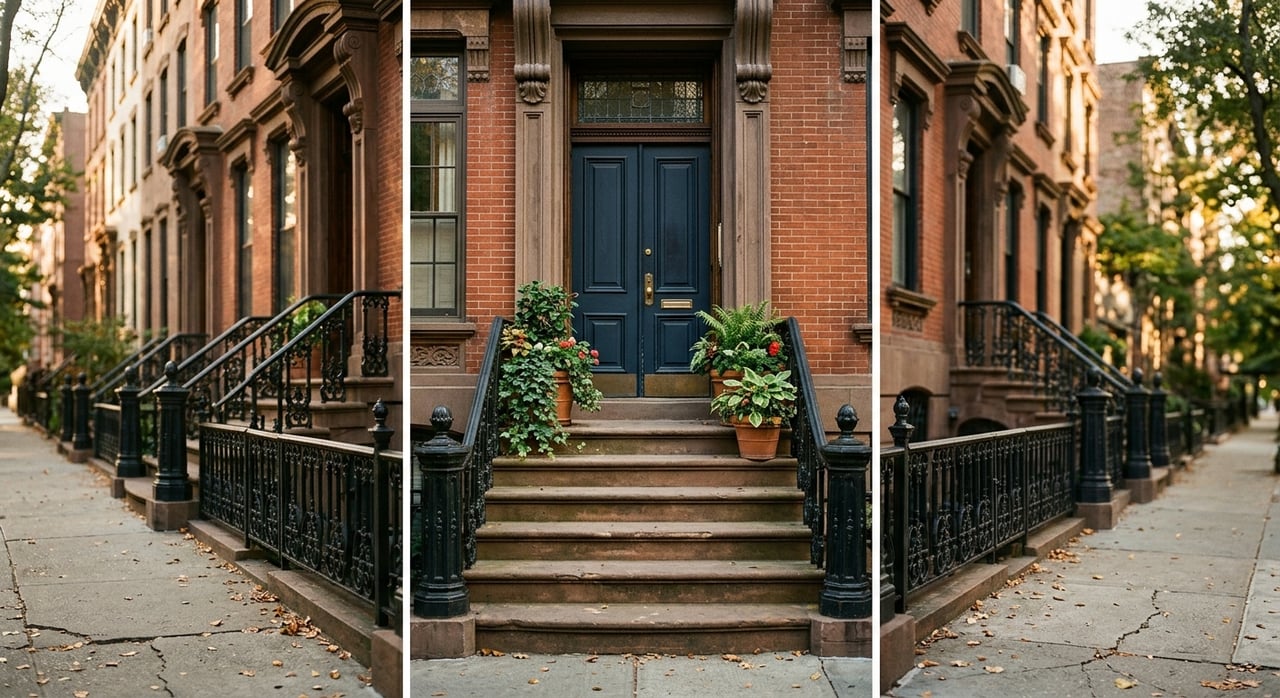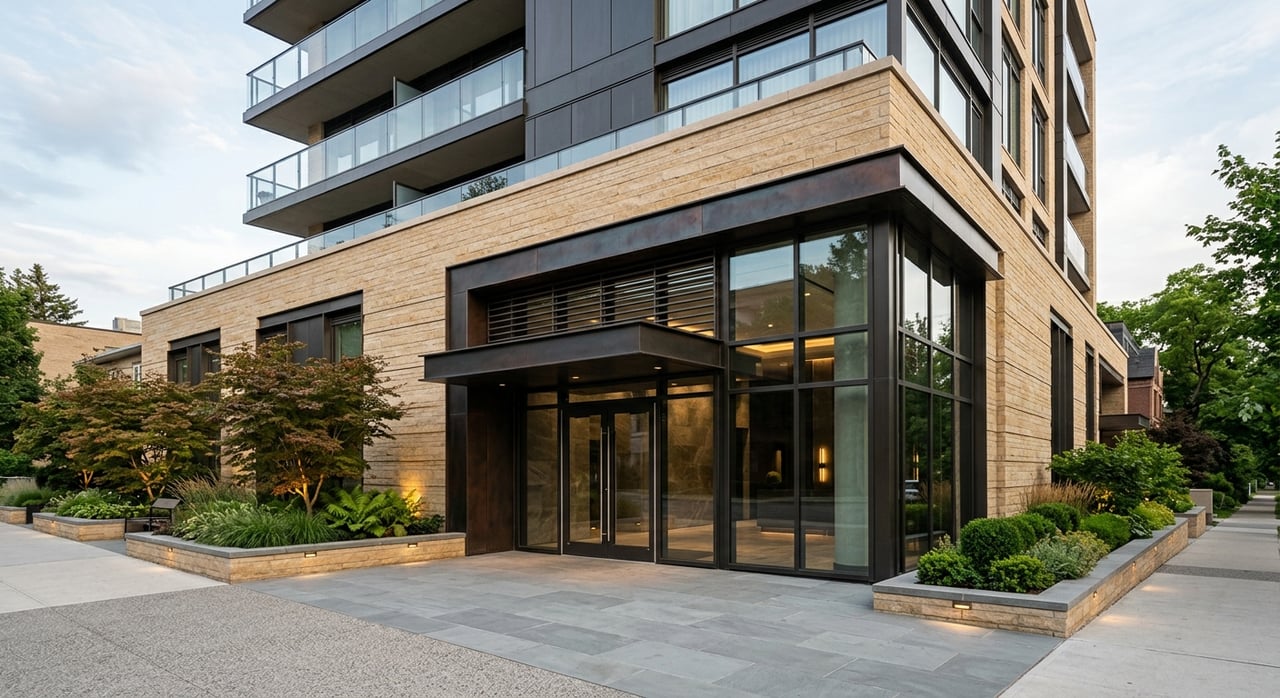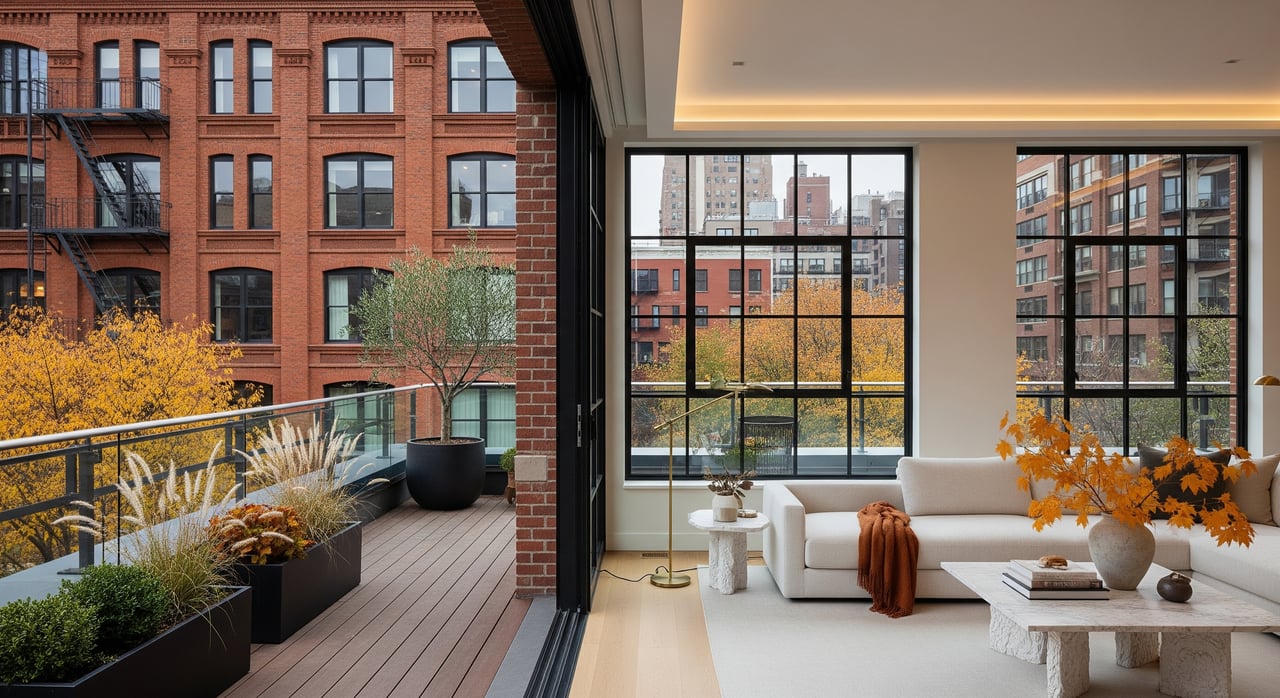
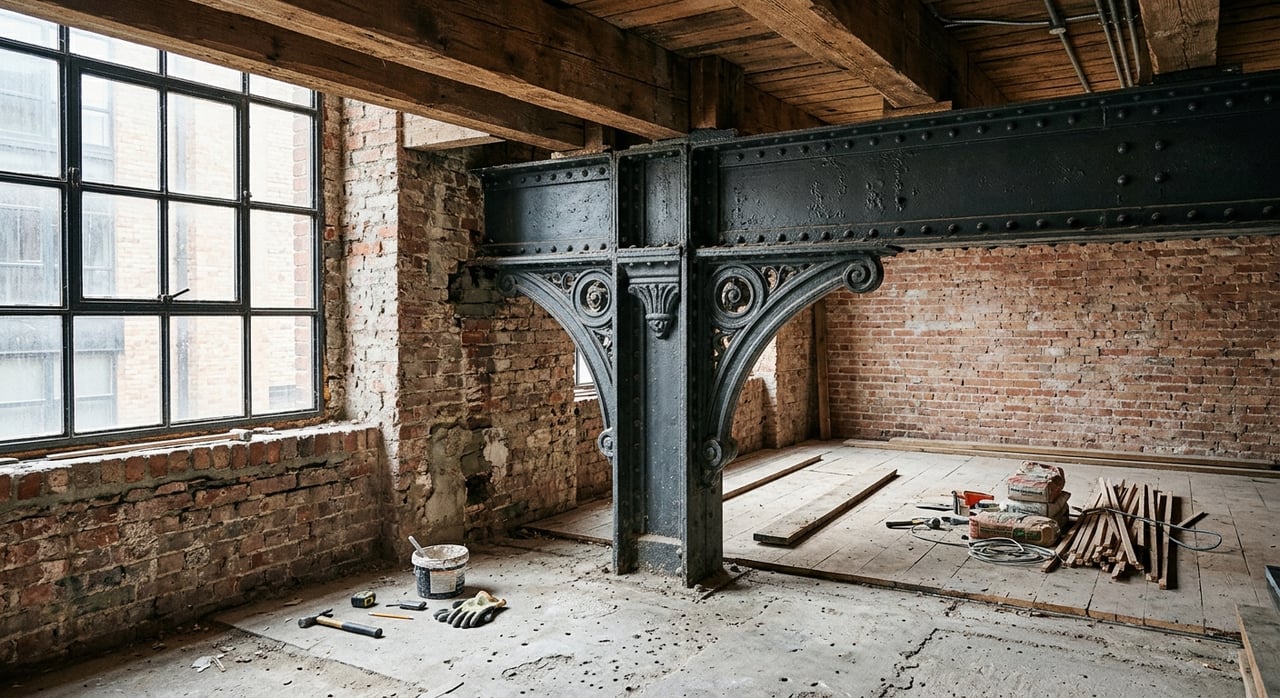
Buying a SoHo loft from overseas can look simple on the surface. You see high ceilings, cast-iron architecture, and a world-famous downtown address, and it is easy to assume you are comparing one kind of property to another. In reality, SoHo is one of Manhattan’s more technical markets, and the details behind a loft often matter more than the look. This guide will help you understand the legal, financial, and practical issues that deserve attention before you move forward. Let’s dive in.
Why SoHo Requires Extra Due Diligence
SoHo is not just a popular Manhattan neighborhood. It sits within the Special SoHo-NoHo Mixed Use District, which was adopted on December 15, 2021. That zoning framework broadened housing choices and supported a wider mix of residential, commercial, and community facility uses than the older rules that came before it.
That history matters because SoHo evolved from a manufacturing district with a narrow live-work model for artists. As a result, some lofts still carry legacy use issues that can affect lawful occupancy, renovation plans, and resale strategy. If you are buying from abroad, this is the first point to understand: a SoHo loft is not a uniform product type.
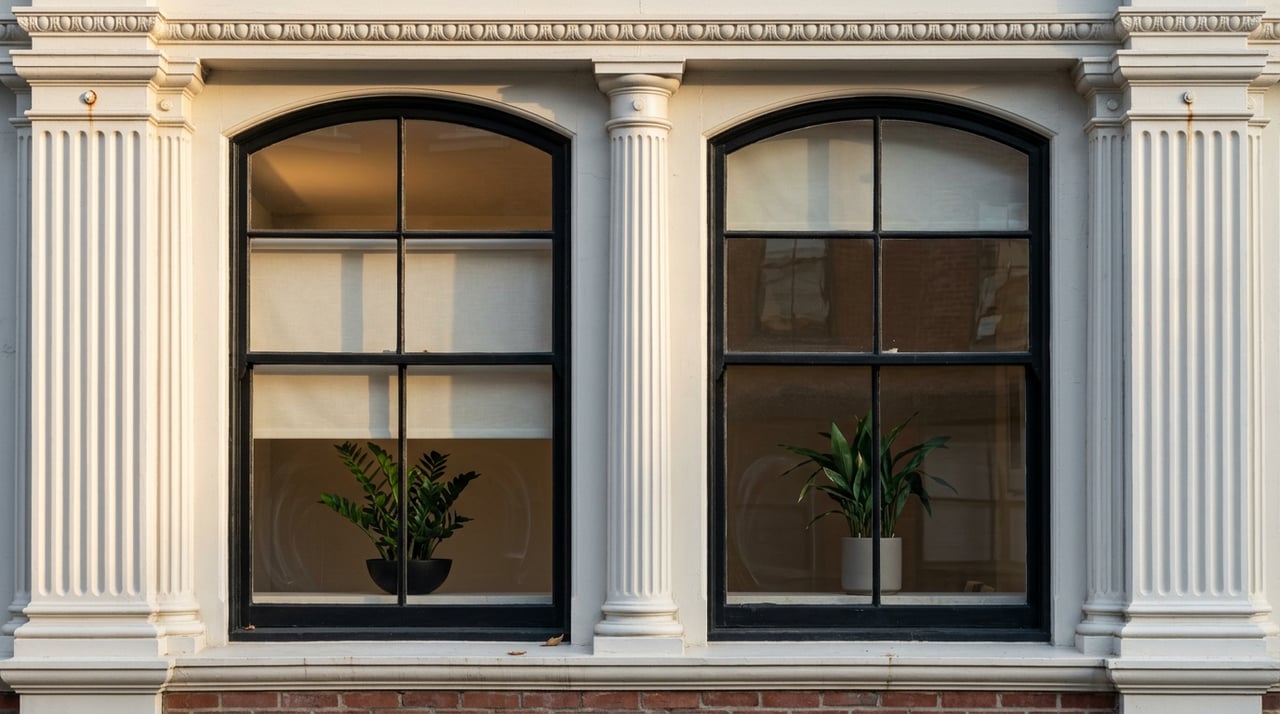
Many properties in the area also overlap with historic districts, including the SoHo Cast Iron Historic District and its extension. That can add another layer of review beyond zoning and building code issues. In practice, you may need to evaluate not only what the unit is, but also what changes are allowed in the building over time.
Know the Ownership Structure First
One of the biggest mistakes overseas buyers make is focusing on finishes and layout before confirming the legal structure of the asset. In SoHo, that can create expensive surprises later. Before you think about negotiation strategy, renovation, or rental potential, you should confirm whether the loft is a condo, co-op, Loft Law unit, or a unit with Joint Living-Work Quarters for Artists status.
Condos Offer Direct Ownership
In a condominium, you own the unit itself along with a proportionate share of the common areas. The condominium association manages shared rules, operations, and finances for the building.
For many cross-border buyers, condos are easier to understand because the ownership structure is more direct. Still, you should budget carefully for monthly condo fees, which are usually paid separately from your mortgage. These charges may cover common-area maintenance, reserves, and sometimes utilities or insurance-related items.
Co-ops Have Board Control and Different Tax Effects
A co-op works differently. Instead of owning real property directly, you buy shares in a corporation that owns the building, and those shares give you the right to occupy a specific unit.
This distinction matters in several ways. Co-op boards set and enforce building rules, and New York City’s co-op and condo tax abatement is available only for primary residences. Units owned by a business or LLC are not eligible, which means entity ownership can change the tax profile of the purchase.
Loft Law and JLWQA Status Can Be Critical
Some SoHo lofts fall into older legal categories that require close review. The Loft Board regulates the conversion of certain commercial and manufacturing spaces into lawful residential use, and interim multiple dwellings must be legalized within that framework.
There is also an important distinction around Joint Living-Work Quarters for Artists, often called JLWQA. Existing JLWQA uses may continue subject to occupancy restrictions, but new conversions to JLWQA have been prohibited since December 15, 2021. If a buyer does not qualify for JLWQA occupancy, the unit must be converted to residential use before it can be lawfully occupied.
In some cases, that conversion may require a City Planning Commission chair certification, a Department of Buildings filing, and a one-time SoHo-NoHo Arts Fund contribution of $100 per square foot. Some interim multiple dwelling units already under Loft Board jurisdiction may be occupied residentially without artist certification, but buyers still need to verify the building’s registration and certificate-of-occupancy status. The legal category of the loft often matters more than the loft aesthetic.
Financing for Overseas Buyers
If you are not a U.S. citizen or permanent resident, financing may still be available, but you should not assume the process will mirror a domestic purchase. Lenders may ask about immigration and residency status as part of underwriting, and some offer ITIN mortgage programs for borrowers without a Social Security number.
Those programs can be useful, but they often come with higher down payment requirements and higher interest rates than standard mortgage products. For that reason, financing should be tested early in your search, not after you identify a property you love.
The broader market context remains active for international purchasers. From April 2023 through March 2024, foreign buyers purchased $42 billion of U.S. existing homes, and New York was one of the top destination states. About half of foreign buyers paid in cash, which helps explain why well-capitalized overseas buyers can remain competitive in a market like SoHo.
Budget Beyond the Purchase Price
A loft’s purchase price is only part of the financial picture. Monthly carrying costs are a major piece of ownership in Manhattan, and they should be reviewed with the same discipline as the contract price.
Condo and co-op fees are usually paid separately from the mortgage. Depending on the building, they can range from a few hundred dollars per month to more than $1,000, and they may cover maintenance of common areas, insurance items, and reserve funding.
Before closing, you should review the building’s governing documents and financial statements carefully. This is especially important if you are buying from abroad and want a clearer view of the building’s operations, rule framework, and future capital needs.
Usage Rules Can Affect Your Strategy
A SoHo loft may feel flexible, but usage rights should never be assumed. If your plan includes occasional rental income, guest occupancy, or part-time use, you need to confirm what is actually allowed by law and by the building.
New York City defines a short-term rental as a rental shorter than 30 days, and illegal short-term rentals are subject to enforcement. That means you should not treat a SoHo loft like a hotel-style investment unit unless the use is clearly lawful.
Building-level rules matter too. Condo and co-op boards set and enforce their own rules through governing documents, and those rules can address subletting, guest use, and alteration approvals. In SoHo, two lofts on the same block can carry very different practical limitations depending on the building.
Renovation in SoHo Is Not Routine
Many overseas buyers are drawn to SoHo lofts because they see creative potential. Open floor plans, historic details, and large windows can make a property feel like a blank canvas. In this neighborhood, however, renovation rights should be verified before you build a vision around them.
In landmarked buildings and historic districts, most exterior changes require review by the Landmarks Preservation Commission. This can include alterations, reconstruction, demolition, and new construction. Even some exterior work that is not visible from the street may still require a permit.
Ordinary repairs done in kind are generally treated differently, but larger changes such as additions or the removal of architectural elements typically require a Certificate of Appropriateness. If you are evaluating a loft with future renovation in mind, landmark review should be part of your underwriting from day one.
A Practical SoHo Checklist
For overseas buyers, the smartest approach is to start with legal and operational clarity before focusing on design appeal. A disciplined review can save time, reduce risk, and make negotiations more informed.
Here is a useful due-diligence checklist:
- Confirm whether the unit is a condo, co-op, Loft Law IMD, or JLWQA unit
- Verify the legal occupancy pathway and certificate-of-occupancy status
- Test your financing assumptions early, including any ITIN or cross-border lending options
- Review monthly carrying costs and building financials
- Check building rules on subletting, guest use, and alterations
- Confirm whether landmark review may affect future renovation plans
- Consider your long-term exit strategy, including tax implications on a future sale
Plan for Exit as Well as Entry
Sophisticated buyers often focus on acquisition and overlook disposition. If you later sell a U.S. real property interest as a foreign owner, FIRPTA withholding generally applies, and in most cases the buyer is responsible for withholding 15%.
That does not mean every sale works out the same way, but it does mean exit planning deserves attention at the time of purchase. For many international buyers, the best acquisition strategy is one that also accounts for future ownership structure, tax profile, and resale execution.
SoHo Versus Nearby Alternatives
If you like downtown Manhattan loft living, it can also help to compare SoHo with nearby neighborhoods. Tribeca and the West Village offer strong appeal, but SoHo often carries a more layered mix of loft-law, landmark, and use-authorization questions.
Tribeca has its own mixed-use framework, while the Far West Village is described by city planning sources as predominantly residential with a diverse mix of residential building types. The key takeaway is not that one area is better than another, but that SoHo usually demands more legal due diligence upfront.
For a cross-border buyer, that can be a benefit as well as a challenge. When you understand the rules clearly, you are better positioned to identify assets that align with your goals and avoid properties that create hidden friction.
If you are considering a SoHo loft from abroad, the most valuable first step is not touring more listings. It is clarifying what you can legally occupy, how you want to own, and what flexibility the building actually offers. That is where disciplined advisory makes a meaningful difference. For discreet, investment-minded guidance on downtown loft acquisitions, connect with Luca Paci.
FAQs
What should overseas buyers verify before buying a SoHo loft?
- You should confirm the unit type, legal occupancy status, certificate of occupancy, building rules, carrying costs, and whether landmark or zoning issues could affect your intended use.
What is the difference between a SoHo condo and a SoHo co-op?
- A condo gives you direct ownership of the unit, while a co-op involves buying shares in a corporation that owns the building, with board rules and different tax implications for some ownership structures.
Can overseas buyers finance a SoHo loft in New York City?
- Yes, financing may be available, including some ITIN loan programs, but these loans can require higher down payments and may carry higher interest rates than standard mortgage products.
Can you use a SoHo loft as a short-term rental investment?
- You should not assume that you can, because New York City defines short-term rentals as rentals under 30 days and says illegal short-term rentals are subject to enforcement.
Why does JLWQA status matter in SoHo?
- JLWQA status matters because occupancy can be restricted, new conversions to JLWQA are prohibited after December 15, 2021, and some buyers may need a unit converted to residential use before lawful occupancy.
Do landmark rules affect SoHo loft renovations?
- Yes, many exterior changes in historic districts require Landmarks Preservation Commission review, and even some exterior work not visible from the street can require a permit.
What tax issue should foreign owners know before selling a SoHo loft?
- Foreign sellers should understand that FIRPTA withholding generally applies to the sale of a U.S. real property interest, and in most cases the buyer acts as the withholding agent.