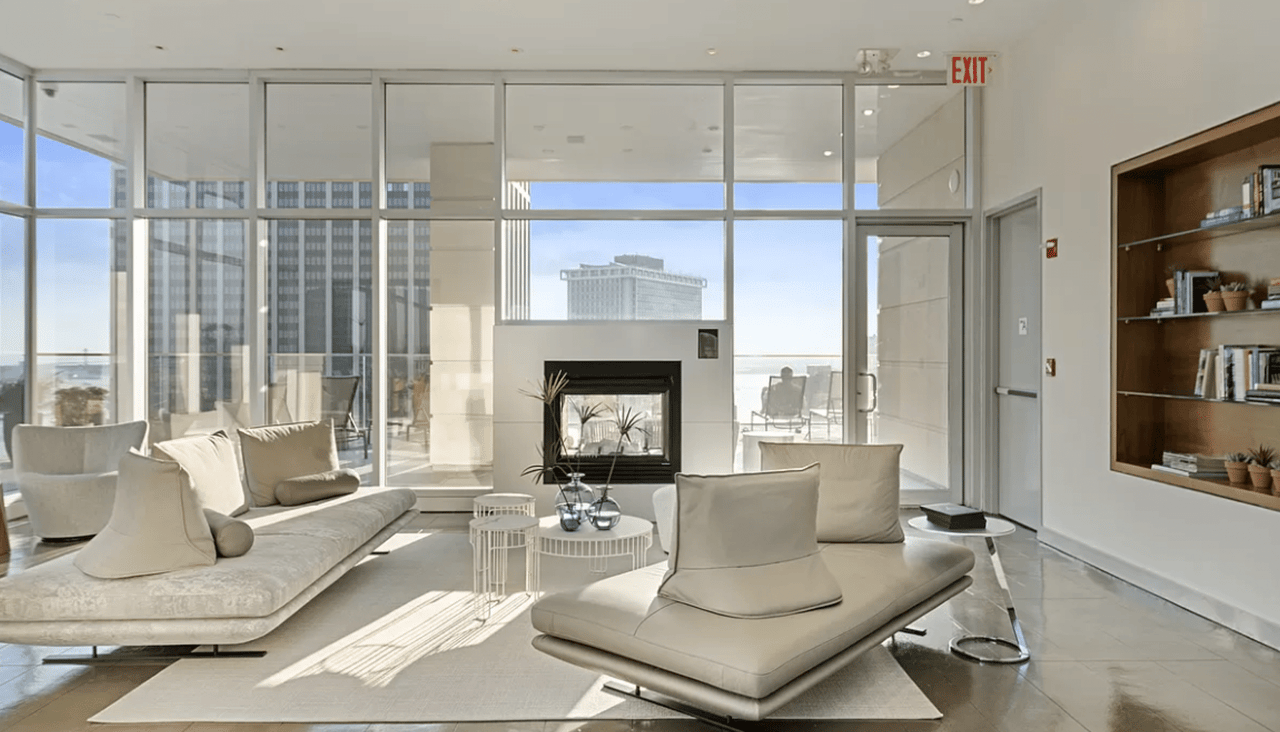
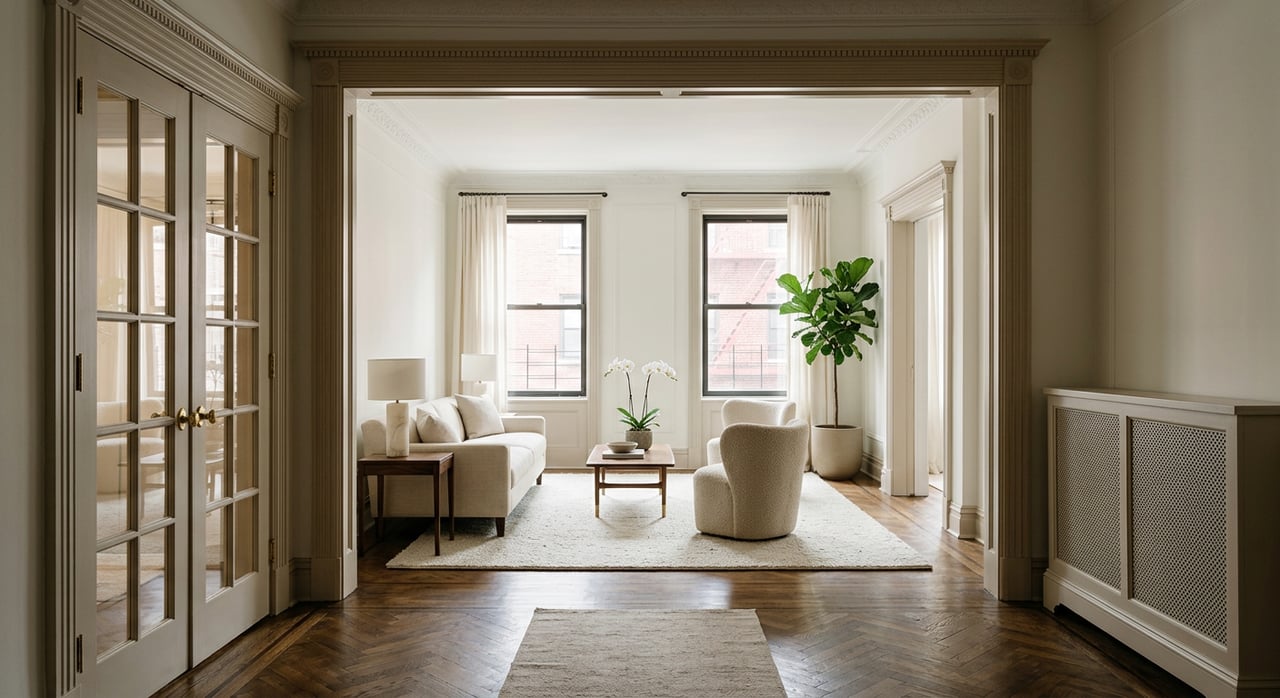
Thinking about selling your Upper East Side classic six without turning life upside down? You want a strong price, a clean process, and minimal disruption to daily life. In this guide you’ll learn how to position a classic six for today’s buyer, set a data-smart price, prep efficiently, and move through co-op steps with fewer surprises. Let’s dive in.
What defines a classic six
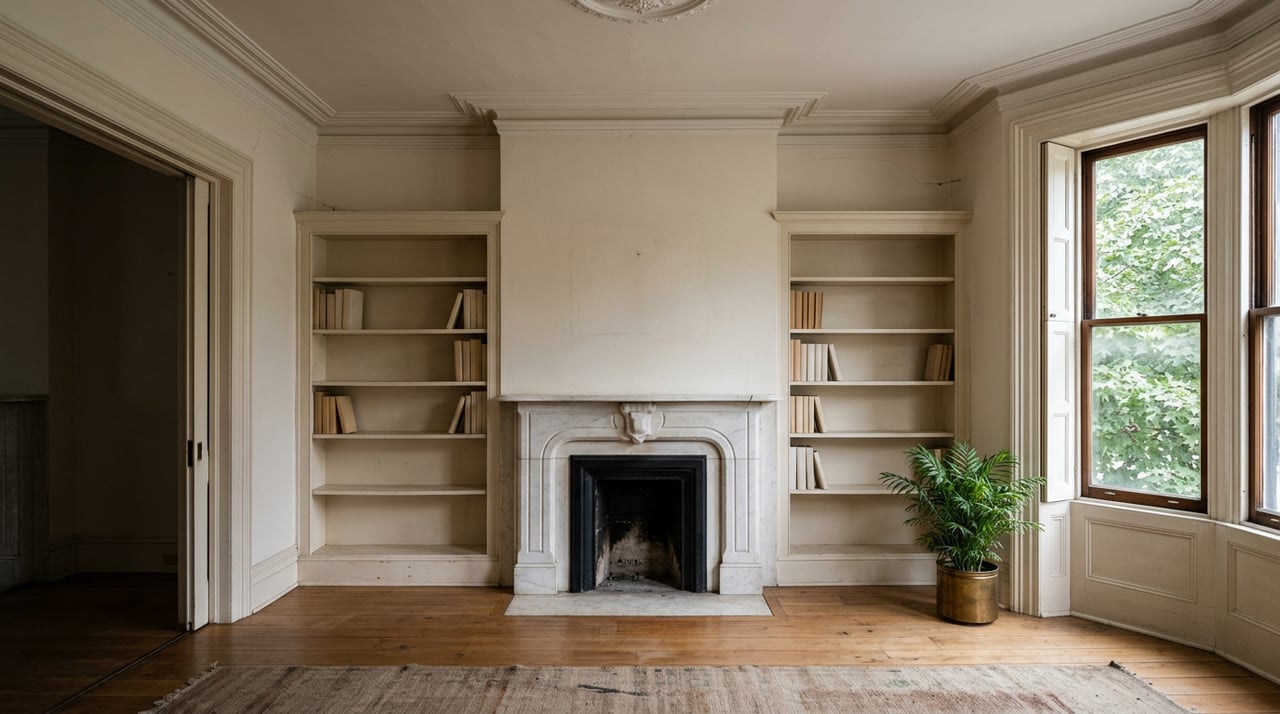
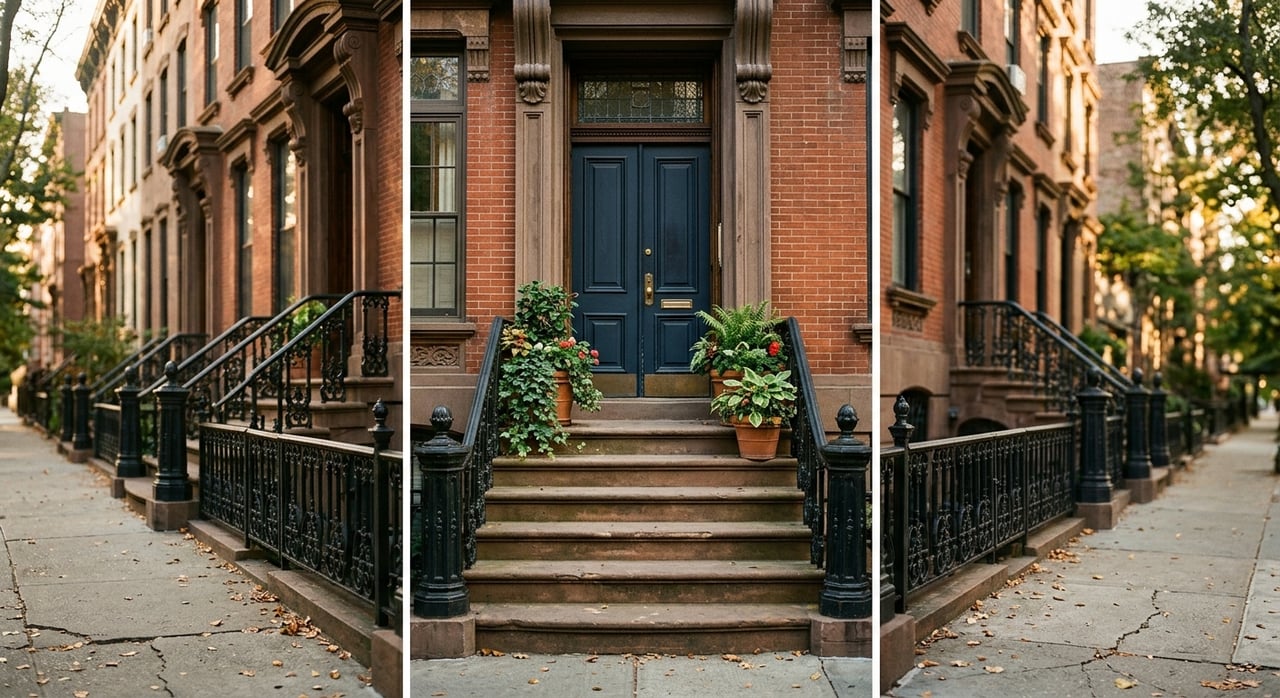
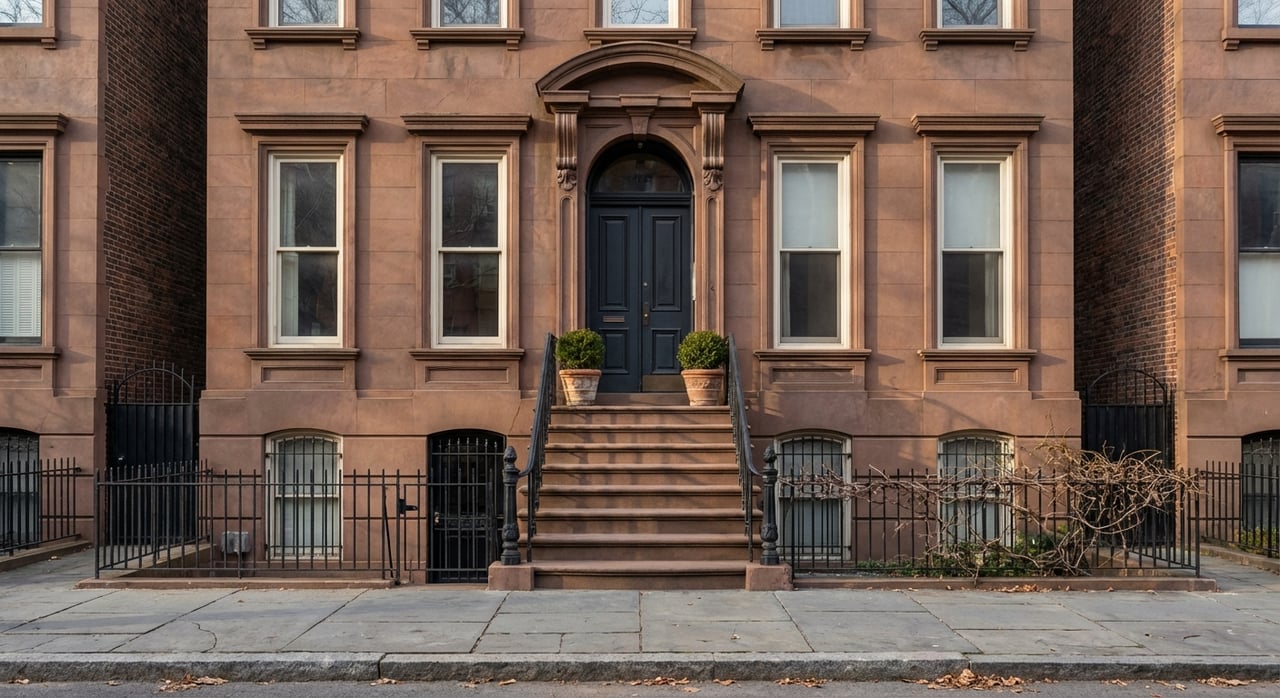
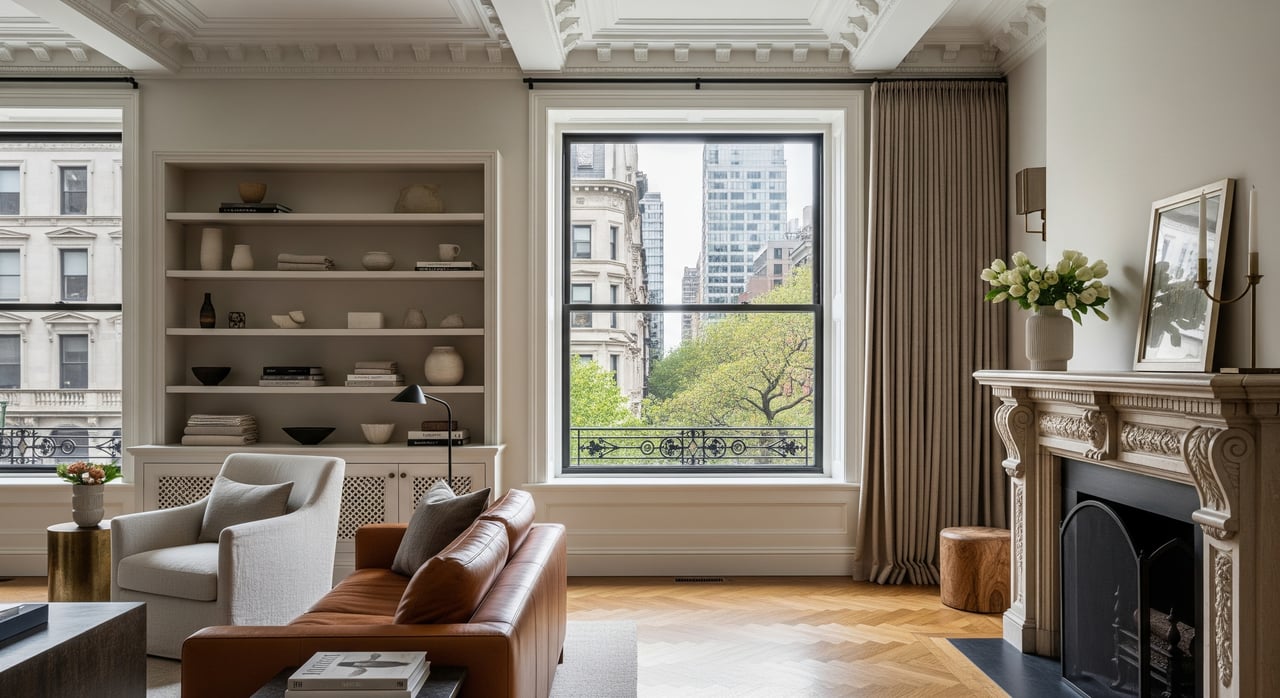
A classic six typically includes a separate living room, formal dining room, kitchen, two full bedrooms, and a smaller staff room that often serves as an office or guest room today. These layouts are most common in prewar co-ops and are prized for defined rooms, gracious foyers, and period details. For a clear overview of the layout and why it resonates with buyers, see this primer on the classic six’s features and appeal from Brownstoner’s definition of a classic six.
UES market snapshot and pricing context
The Upper East Side is a mixed micro-market with a wide range of pricing across Carnegie Hill, Lenox Hill, and Yorkville. Neighborhood medians hover in the low to mid seven figures, but classic six values depend on building, line, and condition. You’ll get the most accurate read by using hyper-local comps in the same building or on the same block, not citywide averages. For neighborhood-level context, review StreetEasy’s Upper East Side overview.
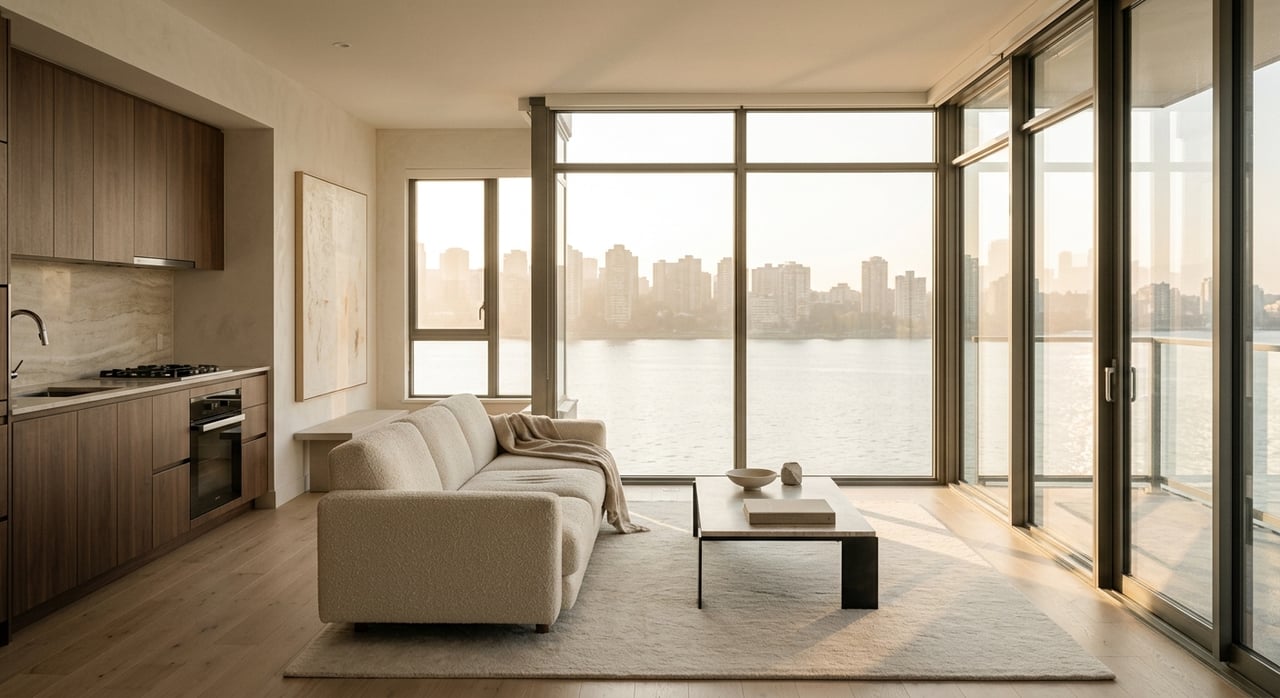
Classic six co-ops compete with newer condos that offer modern amenities and open plans. Your edge is space, character, and formal circulation. When you price and market, make those strengths obvious and easy to understand.
Who your buyers are
Your likely buyers value separate rooms and prewar details. Many are local move-ups or downsizers who want gracious entertaining space, a dedicated office, or flexible rooms. For a helpful perspective on what draws people to these homes, see Brick Underground’s explainer on classic six appeal.
Because many classic sixes are in co-ops, the buyer pool can be narrower than for comparable condos. Co-ops require board approval and often have stricter financial standards, which can extend timelines. For a clear comparison, see StreetEasy’s guide to co-ops vs condos and approvals.
Set the right price
Focus on building-specific comps for similar layouts and square footage. Adjust for condition, number of baths, exposures, ceiling height, outdoor space, and in-building amenities. Be open about building policies that affect demand, such as flip taxes, financing caps, or sublet rules, and incorporate these into pricing expectations. For a plain-English overview of co-op mechanics that influence value, review PropertyShark’s co-op guide.
Use a three-band strategy to choose your pricing posture:
- As-is market. Price to recent sales with similar condition. Focus on accurate presentation and disclosures.
- Price-improvement tier. Invest in high-ROI cosmetic updates and staging to justify a step up within the comp range.
- Renovated premium. If the kitchen, baths, and systems are modernized, you can target the top of the band for your building and line.
National remodeling data shows limited kitchen and bath refreshes often return a higher share of cost than major gut renovations. Review the 2025 benchmarks in Zonda’s Cost vs Value report before you commit to a large project.
Prep with low disruption
You can lift perceived value without major construction. The 2025 NAR staging study found that 29% of agents saw staging yield a 1 to 10 percent increase in offers, with a median professional staging spend of about 1,500 dollars. Photos, video, and virtual tours also influence buyer impressions. Explore these findings in the NAR 2025 Profile of Home Staging.
Prioritize this low-impact checklist:
- Deep clean, declutter, and depersonalize. Help buyers visualize their life in the space.
- Neutral paint. A fresh, consistent palette reads clean and move-in ready.
- Upgrade lighting and hardware. Replace dated fixtures, add layered lighting, and swap cabinet pulls and faucets.
- Repair floors and plaster, and regrout as needed. Small fixes prevent bigger price asks from buyers.
- Refresh the kitchen and baths. Consider refacing, counters, and select appliances instead of a gut. Check Cost vs Value trends before you invest.
- Order professional photos, an accurate floor plan, and a quality 3D or virtual tour. The NAR staging report shows visual assets carry weight with buyers.
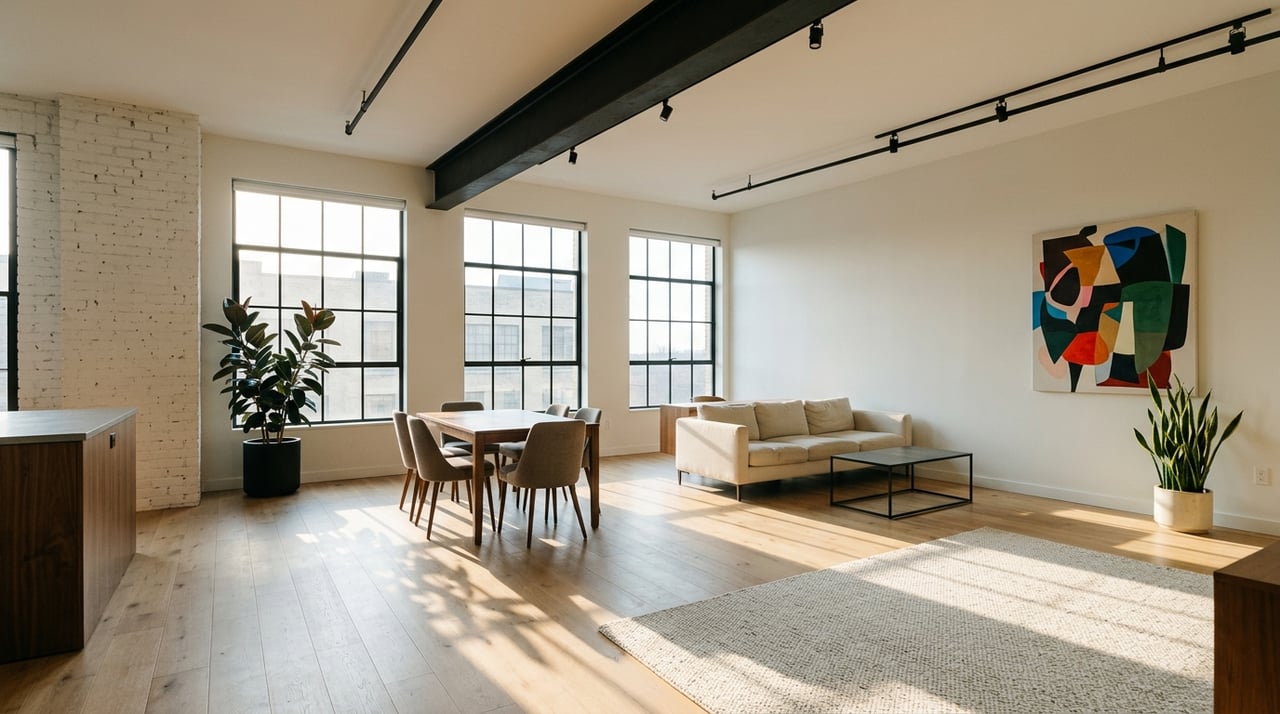
- Stage strategically. Consider partial staging in living and primary rooms and virtual staging elsewhere.
To keep life running smoothly, cluster work into short windows and use by-appointment showings. Storage solutions and virtual open houses can further reduce day-to-day impact.
Navigate co-op steps
Co-op sales have added steps that affect timelines. Buyers submit detailed board packages and often attend interviews. Approvals can take several weeks, sometimes longer. Set expectations upfront by sharing a simple building summary and directing buyers to StreetEasy’s co-op overview of timelines and requirements.
Financial standards vary. Many co-ops require larger down payments and strong post-closing liquidity. Some impose flip taxes or other fees, which should be disclosed early. For a concise refresher on these concepts, see PropertyShark’s guide to co-op governance, financing, and flip taxes.
Reduce friction by:
- Pre-qualifying buyers. Request a mortgage pre-approval or proof of funds and ask for a redacted sample board package early.
- Providing a clean seller packet. Share key building documents, recent assessments, and policy summaries upfront.
- Coordinating closely with your attorney and managing agent. Deliver requested documents quickly to keep the file moving.
Market the lifestyle
Lead with what a classic six solves: formal dining for hosting, a real home office or nursery, and graceful separation between public and private rooms. Use photography to show room flow and sightlines from foyer to living to dining. For a deeper take on how buyers view this layout, reference Brick Underground’s classic six overview.
If a buyer prefers a great room feel, illustrate flexibility with staged furniture plans or tasteful virtual renovations, rather than opening walls before you sell. Proximity to Central Park, museums, and neighborhood services should appear early in your narrative and captions.
Every listing should include:
- Accurate floor plan and interior square footage.
- High-quality photography plus a 3D or virtual tour.
- A concise PDF with building rules, flip tax details, recent assessments, and an outline of board approval steps.
- Targeted outreach to agents and buyers who focus on prewar co-op product, plus secondary exposure for fully renovated, turnkey offerings.
A simple timeline
- Weeks 1 to 2: Select an agent with UES co-op experience. Pull six to eight hyper-local comps and choose your pricing posture.
- Weeks 2 to 6: Complete cosmetic refresh, staging, and media. Schedule photos, floor plan, and 3D tour for launch.
- Weeks 1 to 6 on market: Manage showings in tight windows. Aim for a qualified buyer who appears board-approvable.
- Contract to close, about 4 to 12+ weeks for co-ops: Buyer assembles the board package, interview is scheduled, and final closing follows approval. For context on how approvals can affect timing, see StreetEasy’s co-op process overview.
Ready to talk?
If you want a discreet, strategy-led sale with minimal disruption, we can help you price precisely, prep efficiently, and market the strengths of your classic six. For a private conversation about timing, comps, and the steps ahead, connect with Luca Paci.
FAQs
What is a classic six layout in NYC?
- A classic six is a prewar apartment with a living room, formal dining room, kitchen, two bedrooms, and a smaller staff room that often serves as an office or guest space today, as outlined in Brownstoner’s classic six guide.
How should I price a UES classic six?
- Use same-building or same-block comps, adjust for condition and policies like flip taxes, and decide between as-is, price-improvement, or renovated-premium strategies using Cost vs Value ROI trends.
Do co-op rules change my buyer pool?
- Yes. Co-ops require board approval and often have stricter financial standards than condos, which can narrow the pool and affect timing; see StreetEasy’s co-op vs condo explainer.
What prep delivers the best return with less hassle?
- Start with cleaning, neutral paint, lighting and hardware updates, minor kitchen and bath refreshes, and professional staging and media; the NAR staging report and Zonda’s ROI data support this approach.
How long does a UES co-op sale take?
- After prep and listing, expect several weeks to secure a qualified offer, then about 4 to 12+ weeks for board package review, interview, and closing per StreetEasy’s co-op process overview.