Wondering whether Williamsburg waterfront living is actually serene, busy, glamorous, practical, or all of the above? The short answer is that it feels less like a secluded riverfront retreat and more like a highly connected part of daily New York life. If you are considering a move, a second home, or a strategic purchase in this part of Brooklyn, understanding the rhythm of the area matters just as much as seeing the views. Let’s dive in.
Williamsburg waterfront feels active
What surprises many buyers is how public and lived-in the waterfront feels. This stretch along the East River is not defined by one building or one address. It is shaped by parks, promenades, mixed-use residential towers, and gathering spaces that keep the area in regular use throughout the day.
That is a big reason the neighborhood feels dynamic rather than isolated. The water is always present, but it works more as the backdrop to everyday routines than as a private escape. In practice, that means you are not just buying a view. You are buying into a waterfront district with real daily utility.
Daily life starts with the park
A normal day on the waterfront often feels park-first rather than car-first. Domino Park is open daily from 6 a.m. to 11 p.m., with the dog run on the same schedule and the playground open from sunrise to sunset. The waterfront path is designed for repeat use, from early walks to evening strolls.
That schedule shapes how people use the neighborhood. You can start the morning with a walk along the river, fit in time outside with a dog or children, or end the day with skyline views at sunset without needing to plan around a long outing. The public spaces are part of the routine, not just an occasional amenity.
Domino Park sets the tone
Domino Park is the anchor of the waterfront experience. It includes a waterfront walkway, an elevated pedestrian bridge, dog run, playground, main field, bocce, volleyball, and event space. Domino Square adds a flexible public plaza with stadium-style seating and seasonal programming.
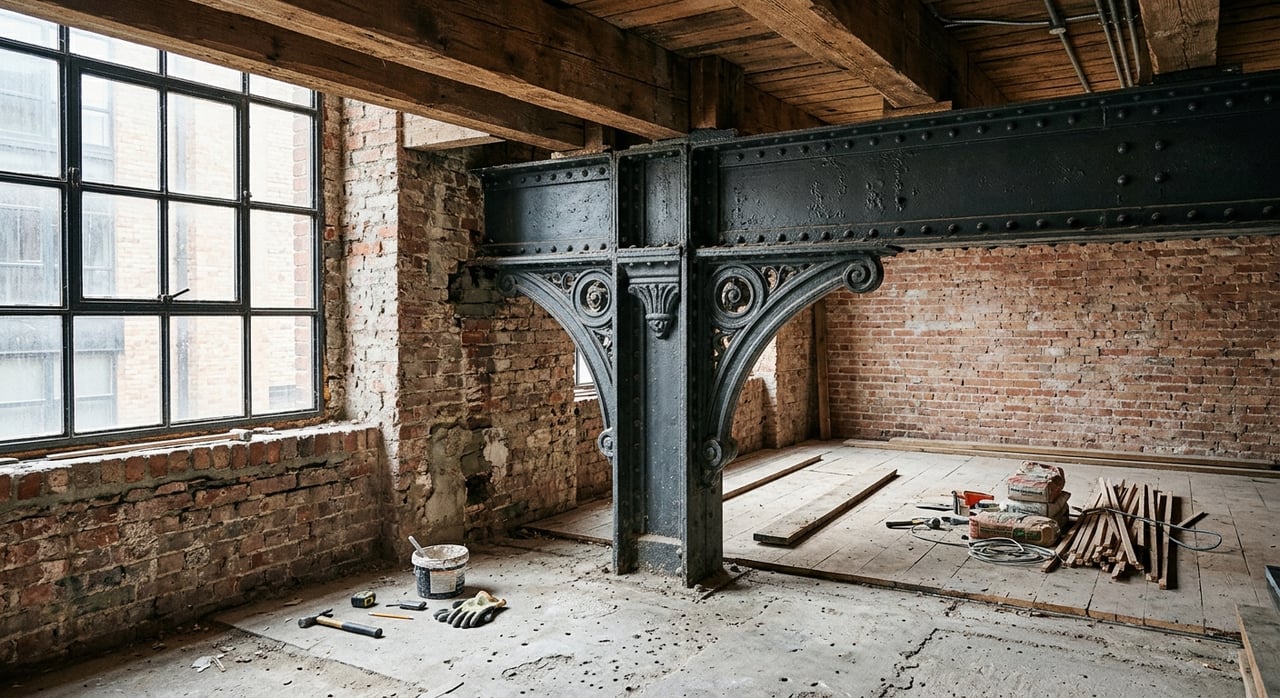
The design also preserves parts of the site’s industrial history. Elements from the former Domino Sugar Refinery, including columns from the original Raw Sugar Warehouse and refinery-inspired play features, give the area a specific identity. It feels polished, but it still reads as a reclaimed Brooklyn waterfront rather than a generic new development zone.
Outdoor options go beyond one park
The broader waterfront adds variety to everyday outdoor life. Marsha P. Johnson State Park offers seven acres along the East River with lawns, native gardens, a sandy beach, picnic areas, a dog run, a playground, public restrooms, and wide skyline views.
Bushwick Inlet Park expands the picture even further. The park includes multipurpose fields, playgrounds, a viewing platform, restrooms, and public waterfront access across a larger 35.53-acre footprint. Together, these parks make it realistic to build walking, jogging, outdoor time, and casual meetups into ordinary days.
The atmosphere changes by time of day
In the morning, the waterfront tends to feel calm, open, and scenic. You are more likely to notice walkers, joggers, dog owners, and people using the paths and open space as part of a regular schedule. The river and skyline are central, but the mood is functional as much as picturesque.
By afternoon and evening, the neighborhood becomes more layered. Parks and public spaces remain active, dining becomes part of the experience, and the surrounding streets begin to pull in more of Williamsburg’s cultural energy. This shift is part of what makes the area appealing to buyers who want both ease and activity.
Dining is built into the waterfront
One reason the area feels convenient is that food and gathering spaces are woven into the waterfront itself. Domino Square currently lists Stretch Pizza and Frita Batidos as open, so dining can be part of an afternoon in the park or an evening by the river.
That may sound like a small detail, but it changes the experience of living nearby. You do not always need to leave the waterfront to make use of it. The area supports casual, repeat visits that feel integrated into daily life.
Nightlife stays close at hand
The waterfront itself is scenic and residential in feel, but Williamsburg’s nightlife and cultural activity are close by. Music Hall of Williamsburg offers live music and bars across three floors, while Brooklyn Bowl at 61 Wythe Avenue combines live events, bowling, and a full-service restaurant.
This is where the broader Williamsburg lifestyle comes into focus. The waterfront gives you a calmer front door, while inland blocks add energy later in the day. For many buyers, that balance is exactly the point.
Transit is a real advantage
Views matter, but access matters more when you live somewhere full-time. The NYC Ferry East River route serves both North Williamsburg and South Williamsburg, with connections to Wall Street/Pier 11 and East 34th Street. During weekday peak periods and on non-winter weekends, service may split into A and B routes, so checking schedules is important.
Subway access adds another layer of flexibility. Bedford Avenue on the L train and Marcy Avenue on the J, M, and Z lines are identified as nearby options, and both stations are shown on MTA maps as ADA accessible. For many buyers, that means the waterfront can function well as either a Manhattan-oriented home base or a Brooklyn-centered residence with multiple commute choices.
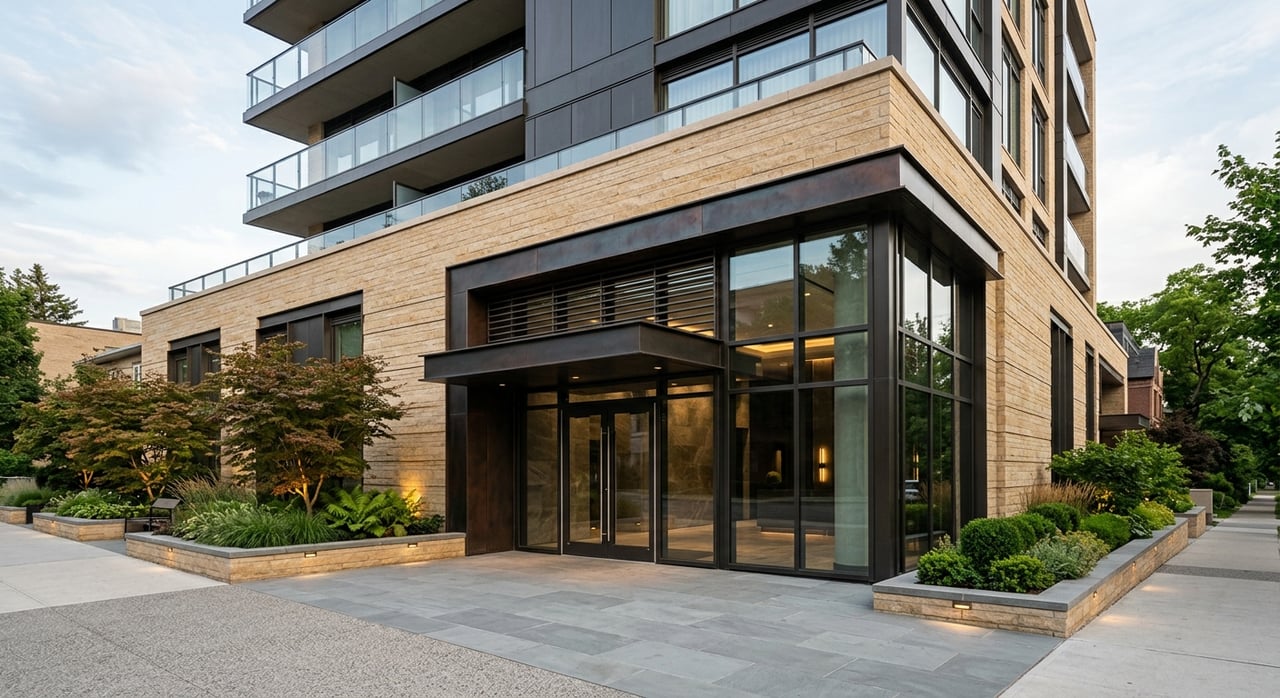
Newer condos feel service-rich
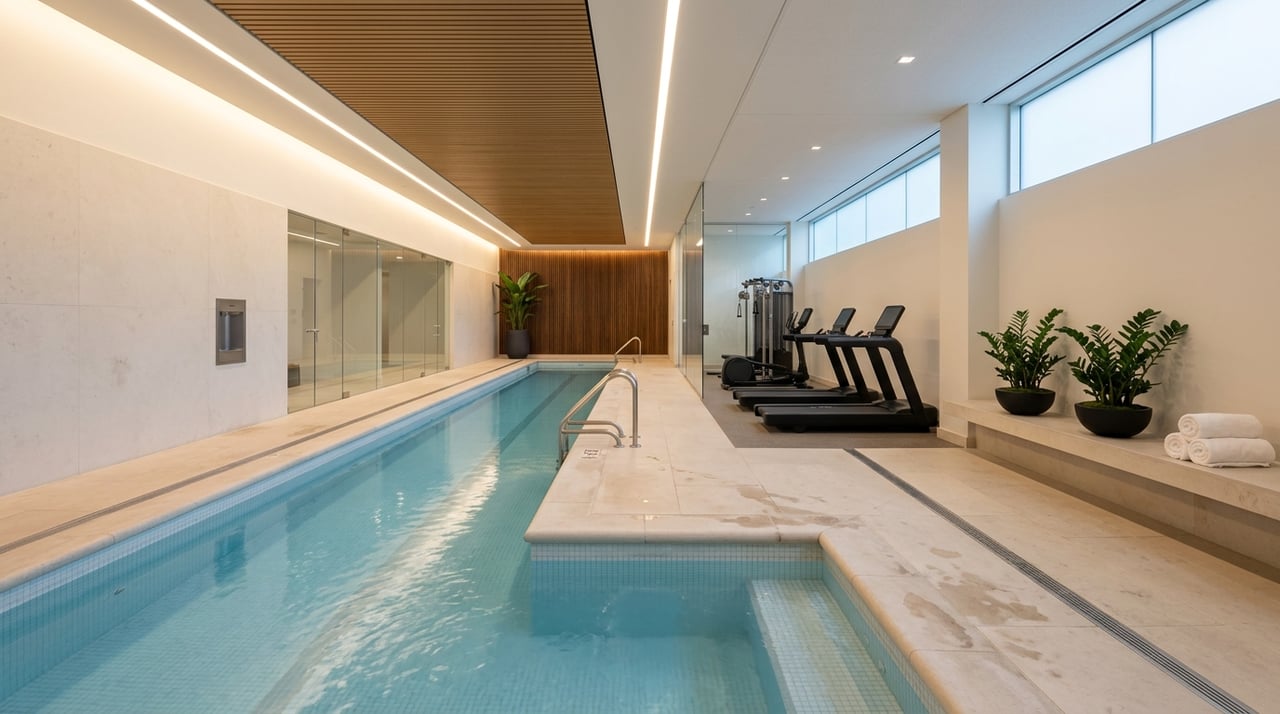
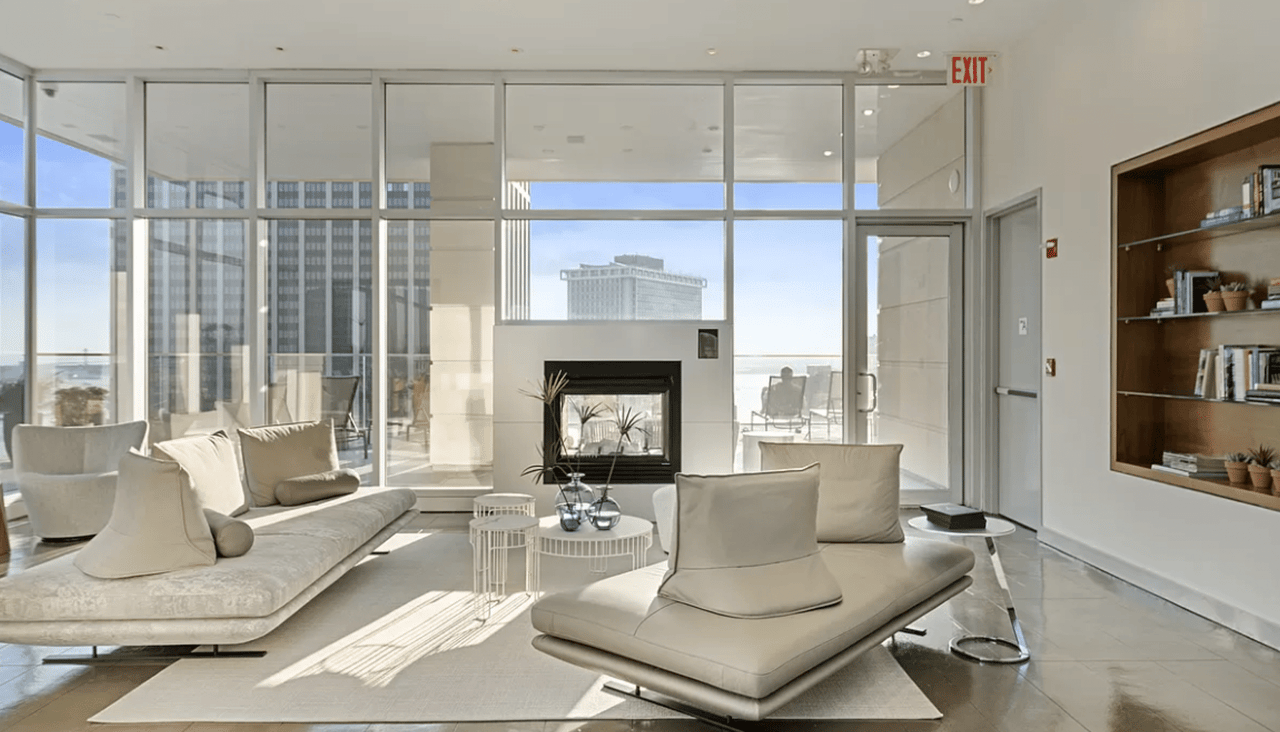
If you are comparing housing types, the waterfront’s newer condominium inventory tends to be notably amenity-forward. At One South First, amenities include an outdoor lounge pool, sundecks, grilling stations, a 46th-floor roof deck with private cabanas, a 24-hour fitness club, resident lounge and dining room, work-from-home lounge, private conference rooms, a screening theater, bicycle storage, pet grooming, concierge, and a shuttle bus.
One Williamsburg Wharf shows a similar pattern. Reported amenities include a rooftop pool deck, fitness center, indoor-outdoor game lounge, library, cinema, private dining room, co-working lounges, children’s playroom, elevated terrace, and a residents-only café. These offerings suggest a living experience centered on convenience, service, and time spent both inside the building and out in the neighborhood.
Interiors match the setting
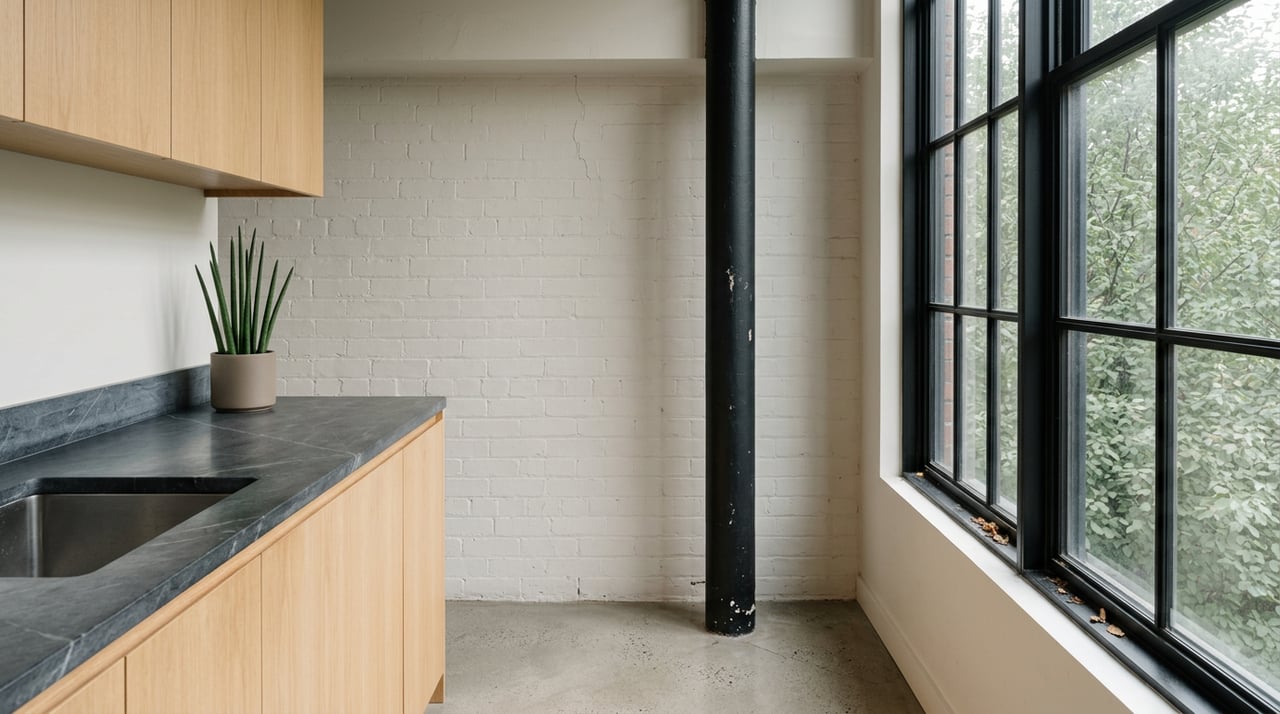
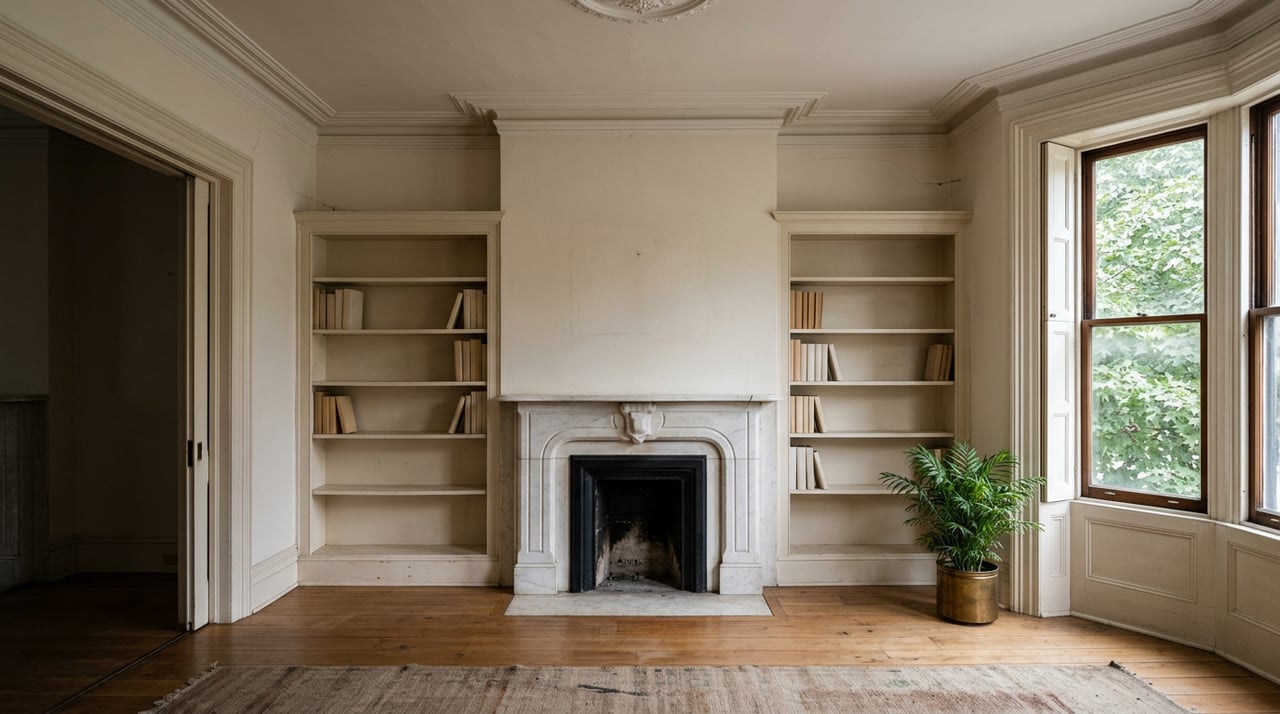
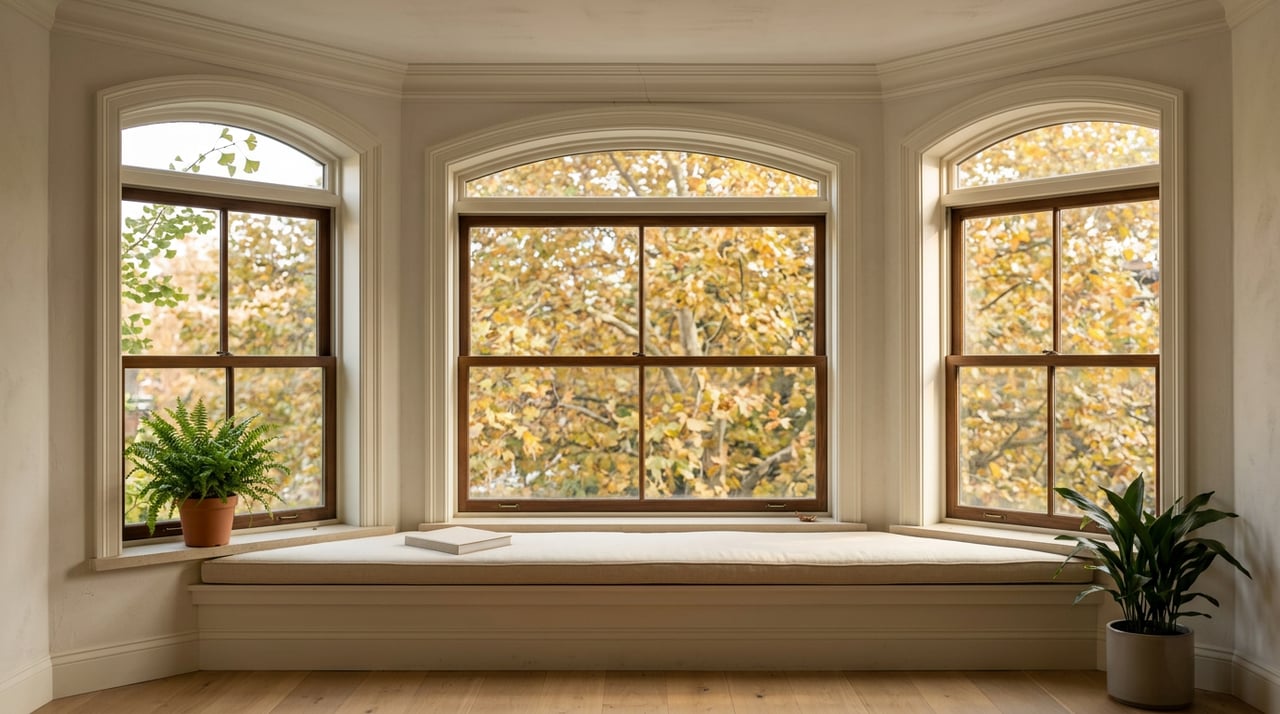
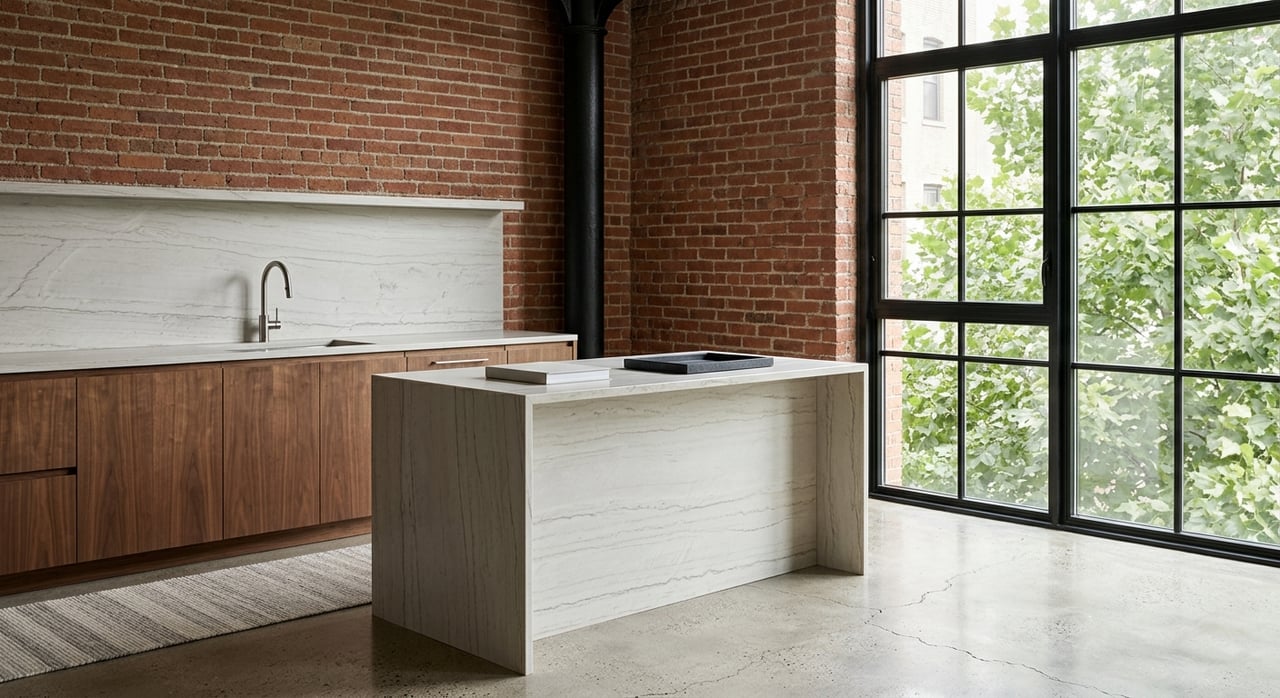
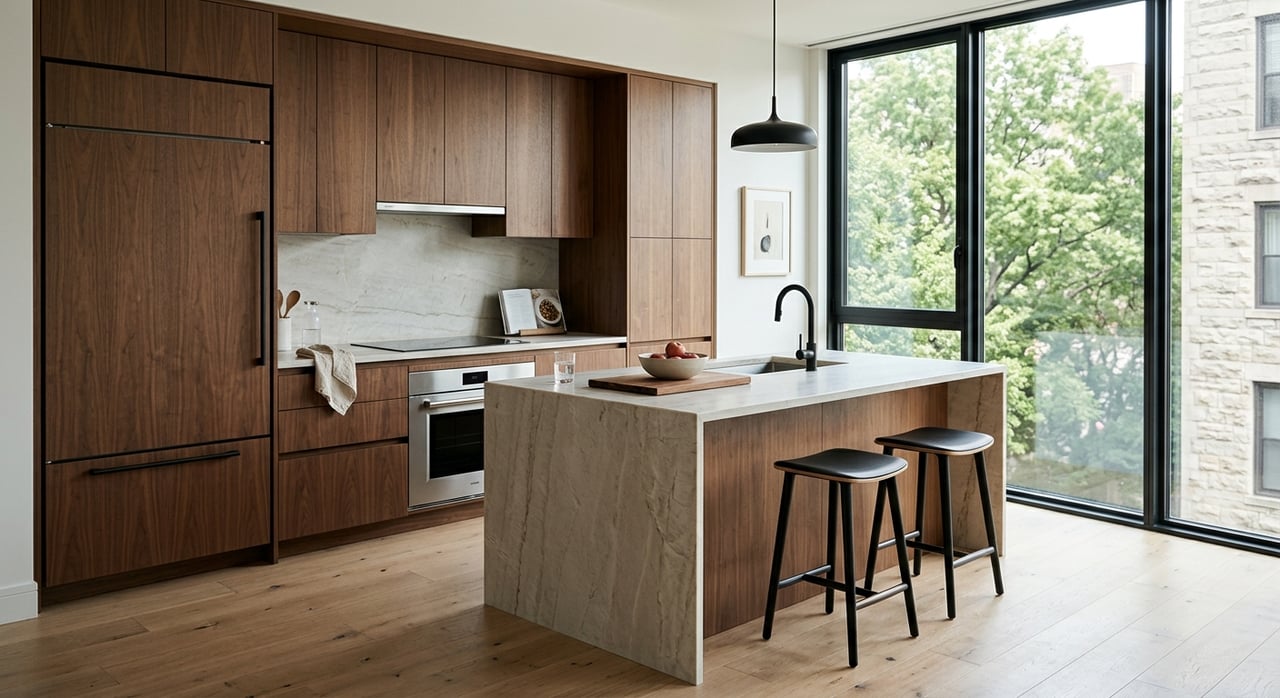
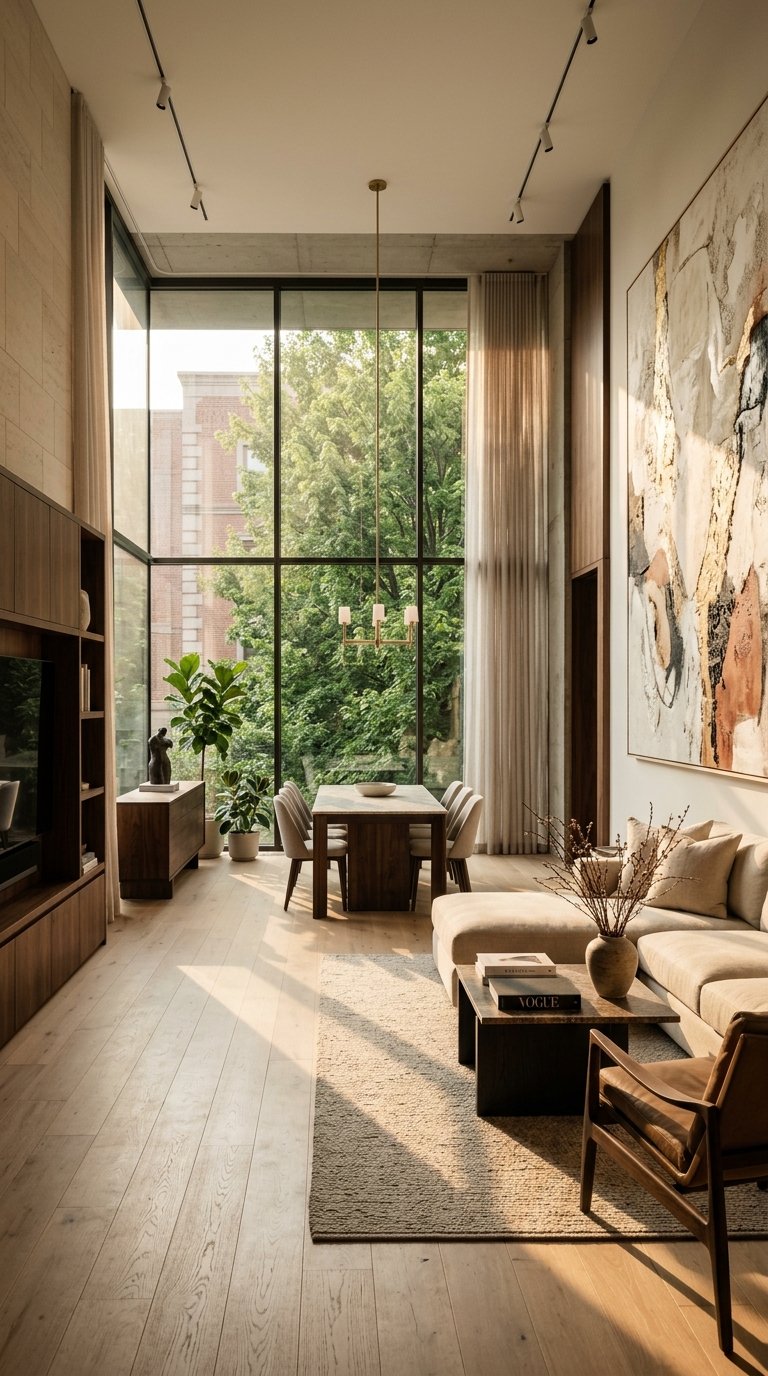
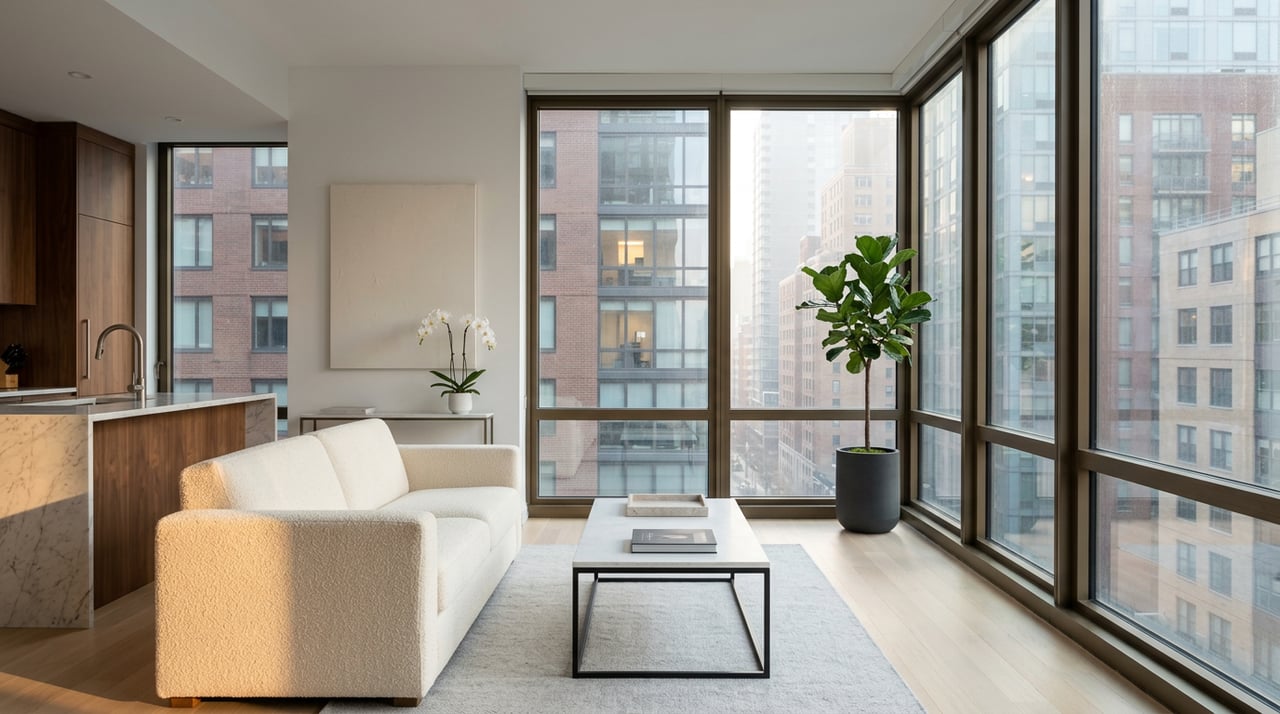
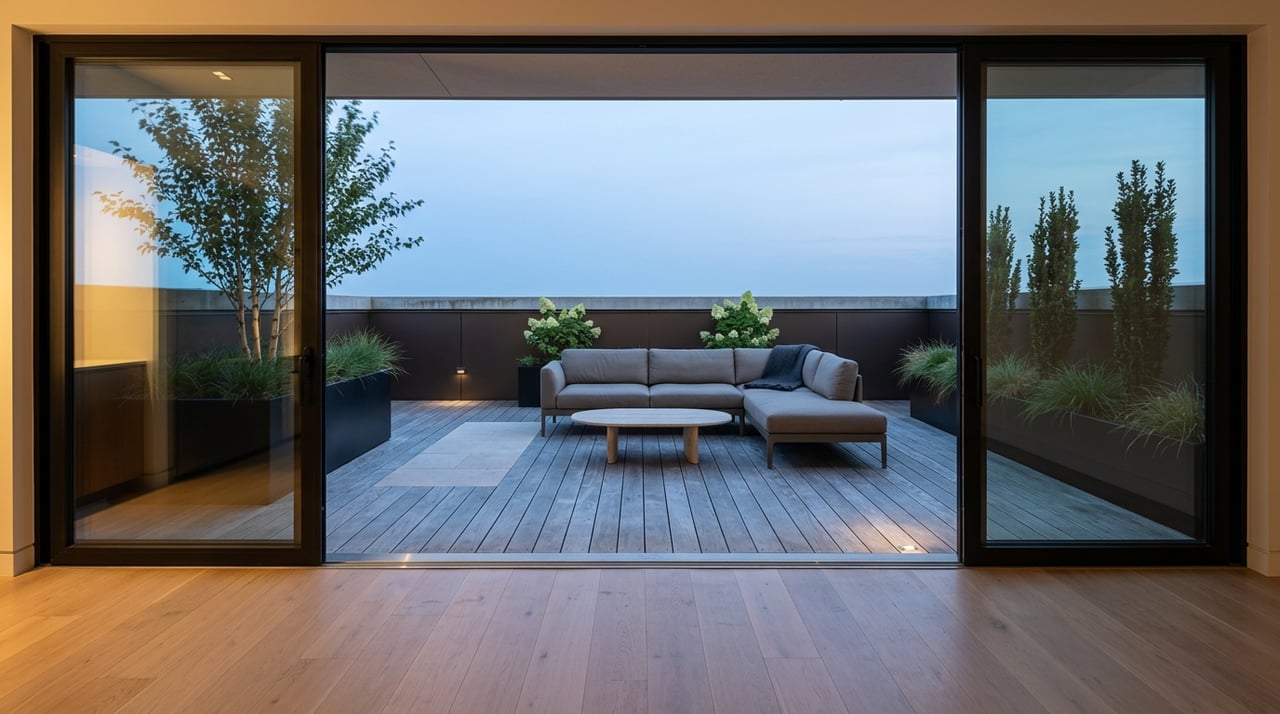
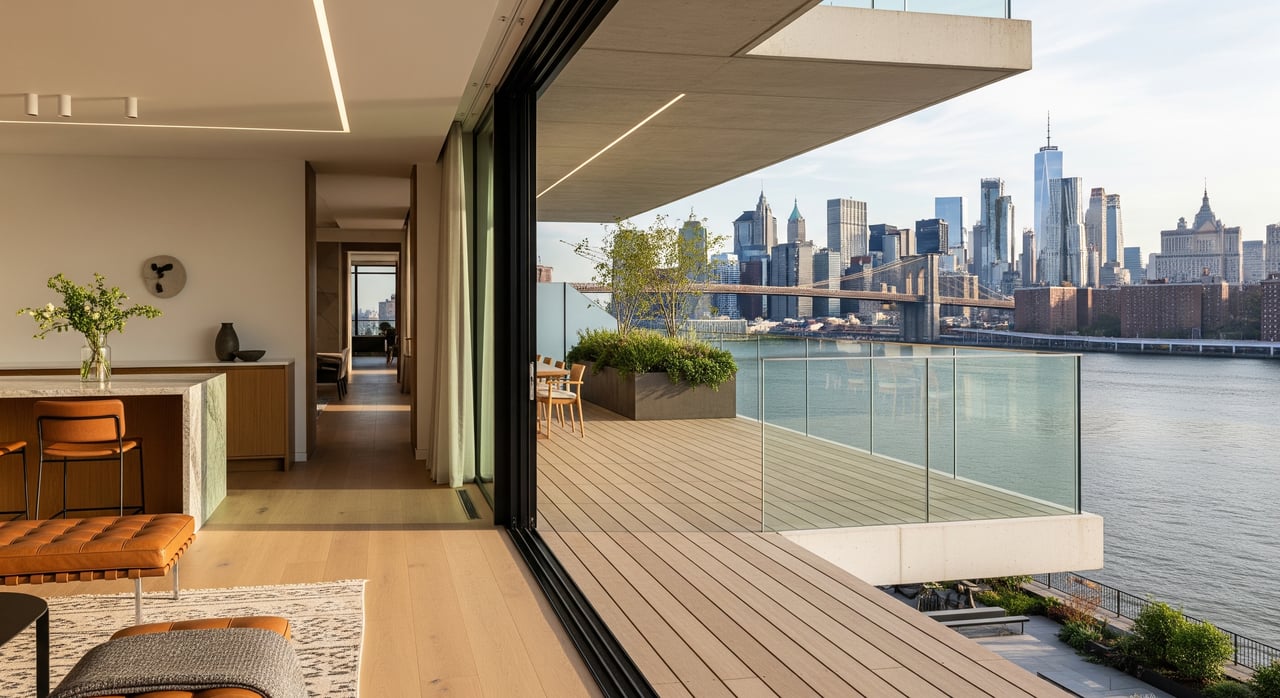
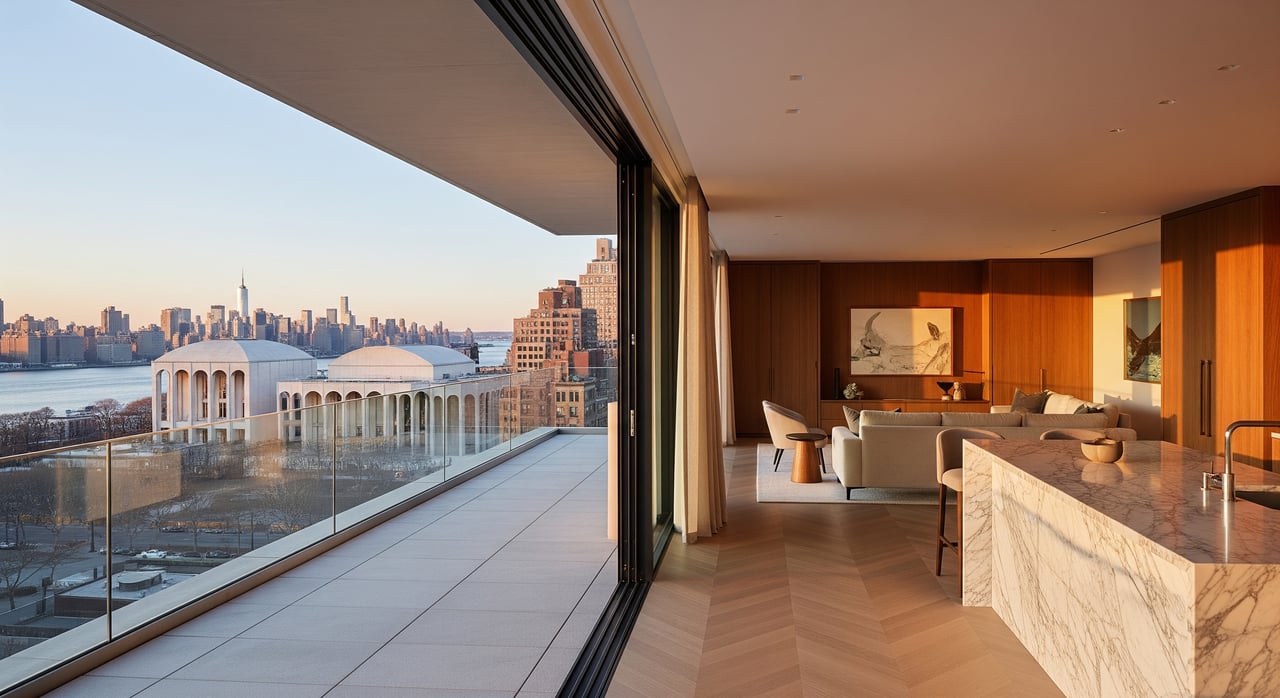
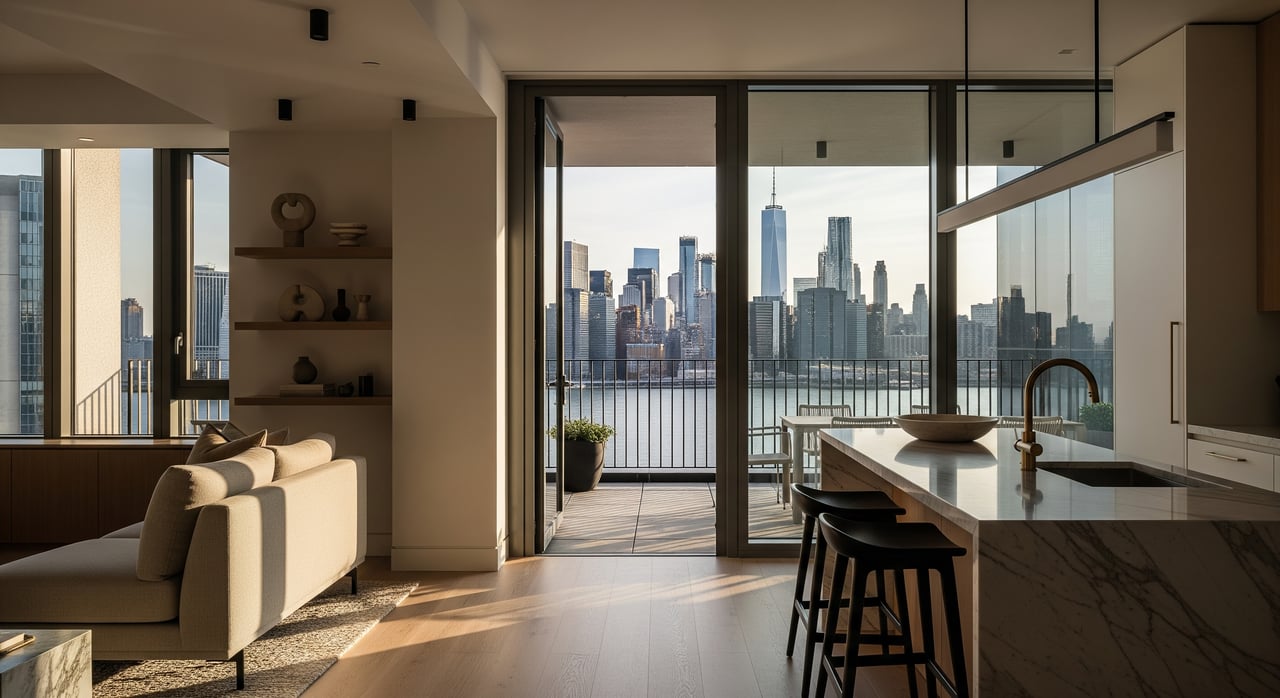
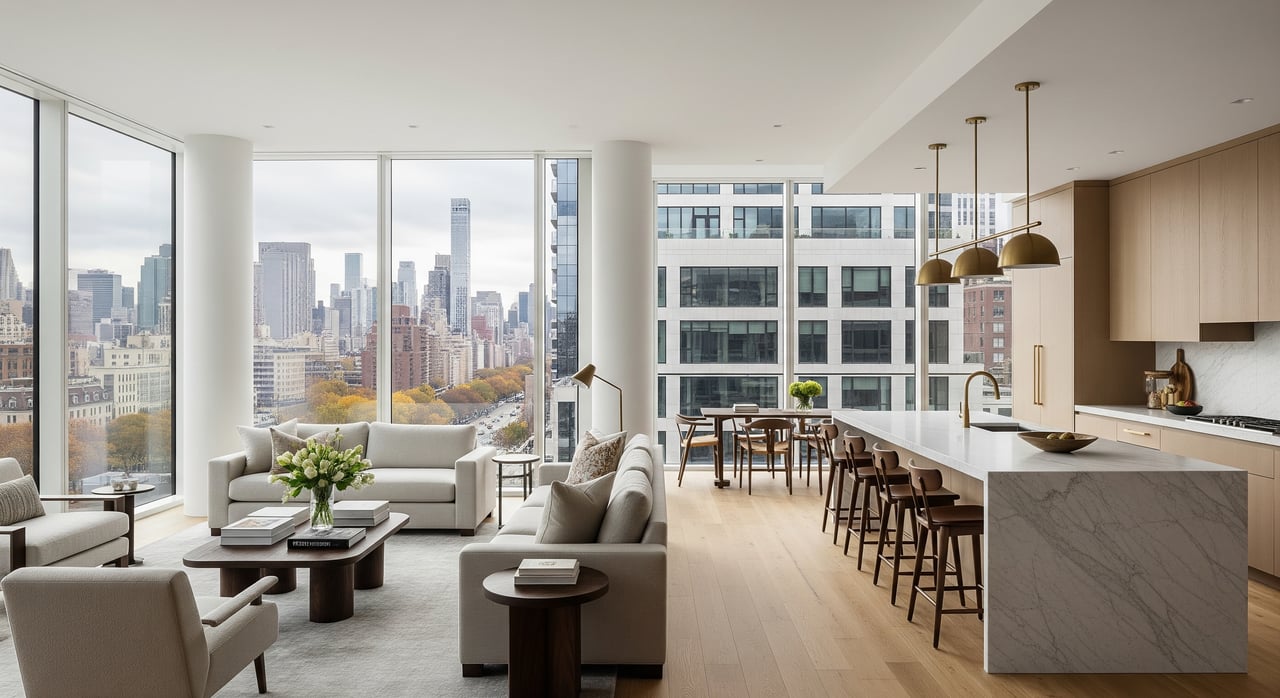
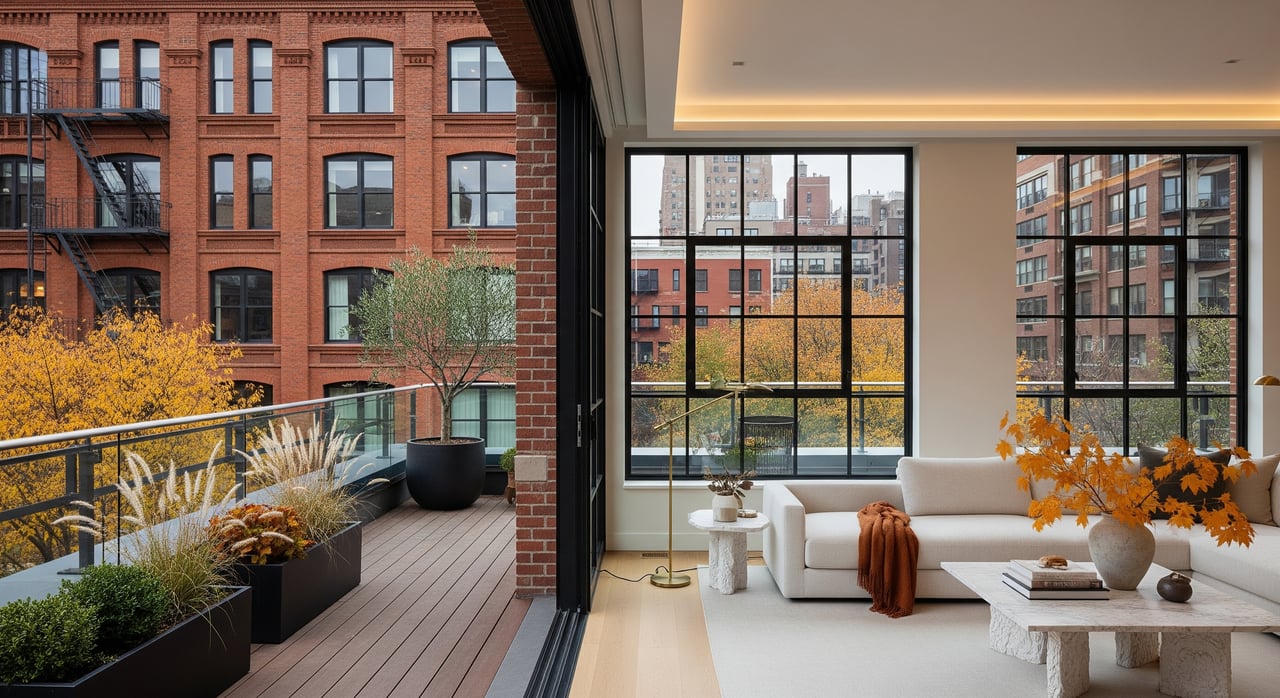
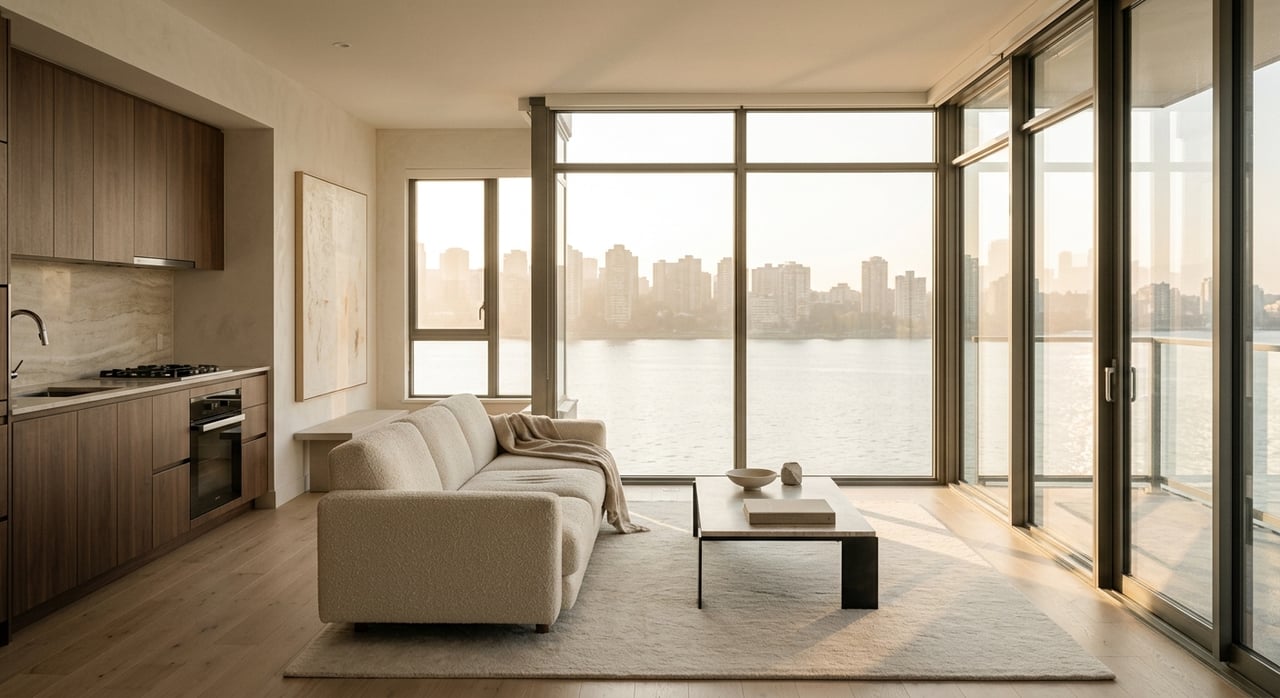
The residential design language along the waterfront often reflects the location itself. Typical finishes in newer buildings include floor-to-ceiling or oversized windows, East River and skyline views, efficient floor plans, high-end appliances, custom kitchens, marble countertops, island seating, and in some homes, private terraces.
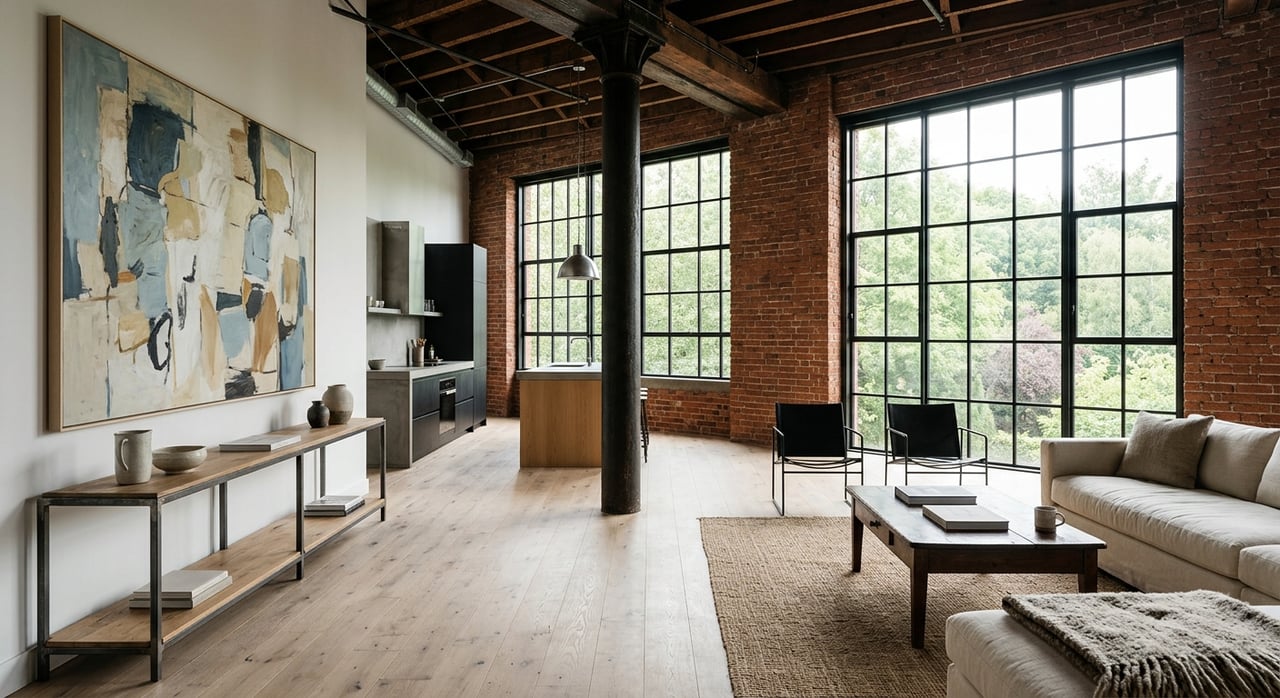
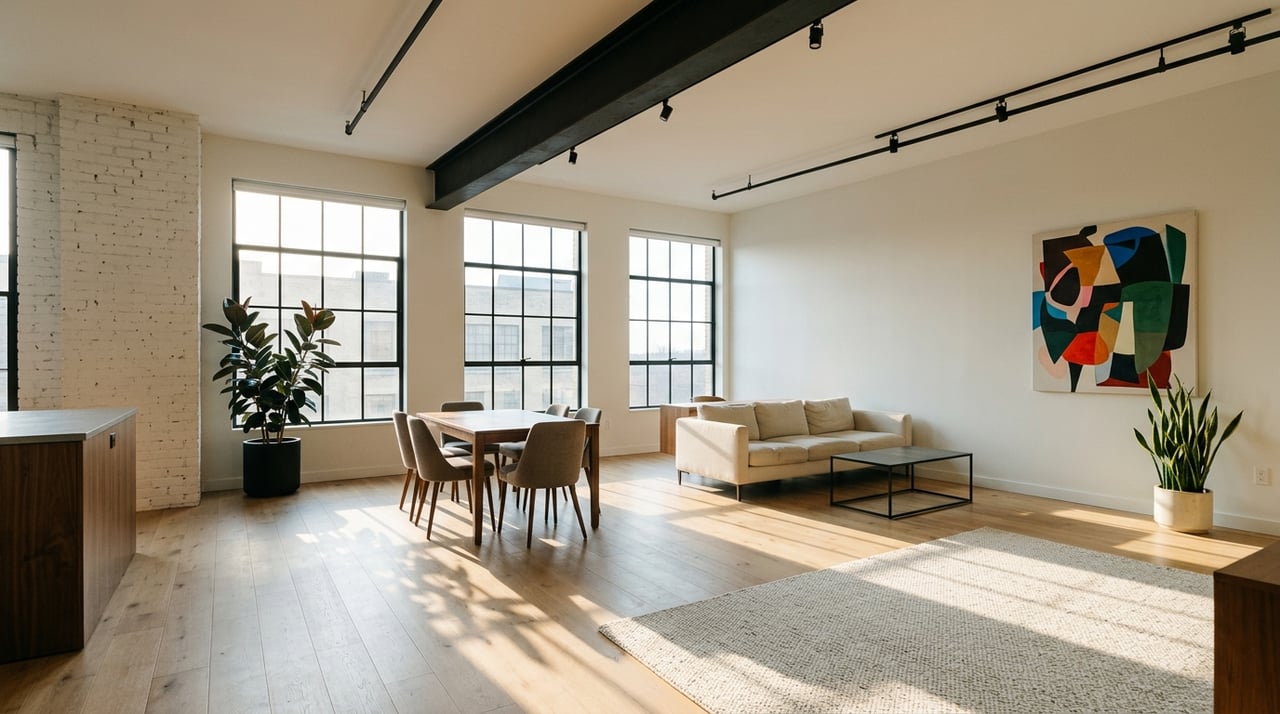
That combination creates a specific kind of appeal. It is less about old-school loft minimalism and more about polished, modern comfort with strong visual connection to the river and city. For second-home buyers and owner-occupants alike, that can make the area feel turnkey and easy to enjoy from day one.
Who tends to enjoy it most
Williamsburg waterfront living often works well for buyers who want their home to support both lifestyle and efficiency. If you value being able to walk outside and immediately access open space, dining, transit, and city views, the area can feel highly functional. If you prefer a setting that is scenic but not sleepy, it offers that too.
It can also appeal to second-home buyers looking for a city base with a strong sense of place. The combination of amenity-rich buildings, waterfront parks, and quick access to both Brooklyn and Manhattan gives the area practical appeal beyond its visual draw.
What it really feels like
So what does Williamsburg waterfront living really feel like? It feels active, public, connected, and visually striking. It offers a version of waterfront life where the river is part of your everyday environment, but the neighborhood still behaves like a real New York neighborhood with movement, options, and overlap between home, recreation, and culture.
That is what makes the area stand out. You are not stepping away from city life. You are stepping into a more open-air, service-rich, and park-centered version of it.
If you are weighing whether Williamsburg’s waterfront aligns with your lifestyle or purchase criteria, Luca Paci offers discreet, high-touch guidance tailored to both personal use and long-term real estate strategy.
FAQs
What is daily life like on the Williamsburg waterfront?
- Daily life often revolves around parks, walking paths, dining, and flexible transit rather than driving. Domino Park’s long daily hours make it easy to fit outdoor time into a normal routine.
Is Williamsburg waterfront living mainly about the view?
- No. The views are a major draw, but the area also offers meaningful public space, dining, parks, and commuting options that shape how it feels to live there day to day.
What parks are part of Williamsburg waterfront living?
- Domino Park is the main anchor, and the broader waterfront also includes Marsha P. Johnson State Park and Bushwick Inlet Park, each offering different types of outdoor space and public access.
How do you get around from the Williamsburg waterfront?
- The area is served by the NYC Ferry East River route, and nearby subway access includes the L train at Bedford Avenue and the J, M, and Z lines at Marcy Avenue.
What do newer Williamsburg waterfront condos usually include?
- Newer buildings in the area often feature amenities such as pools, roof decks, fitness centers, lounges, co-working spaces, children’s playrooms, concierge services, and bicycle storage, along with modern interior finishes and large windows.