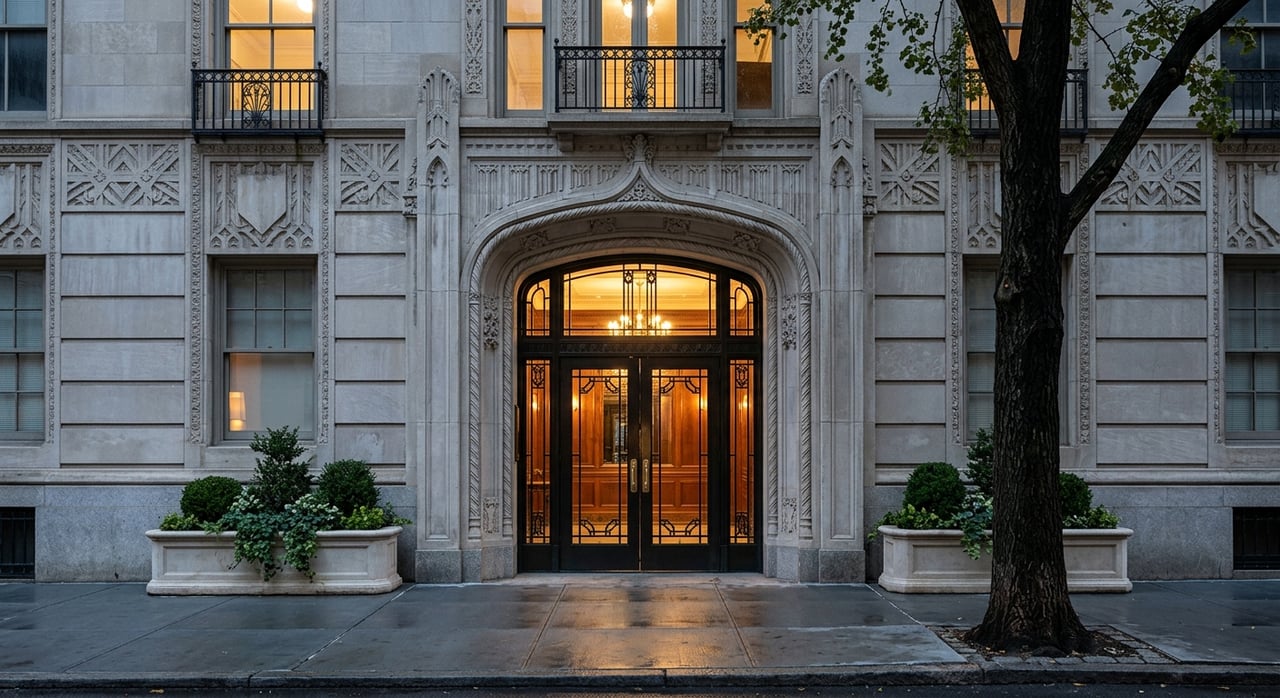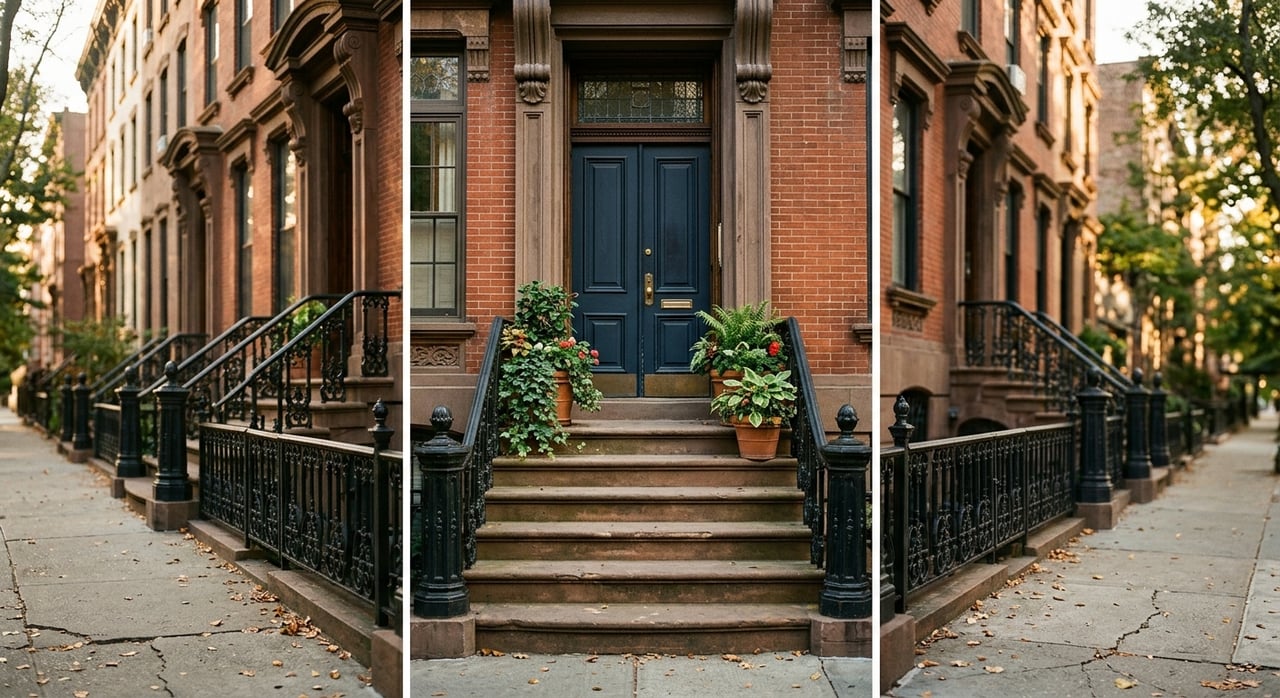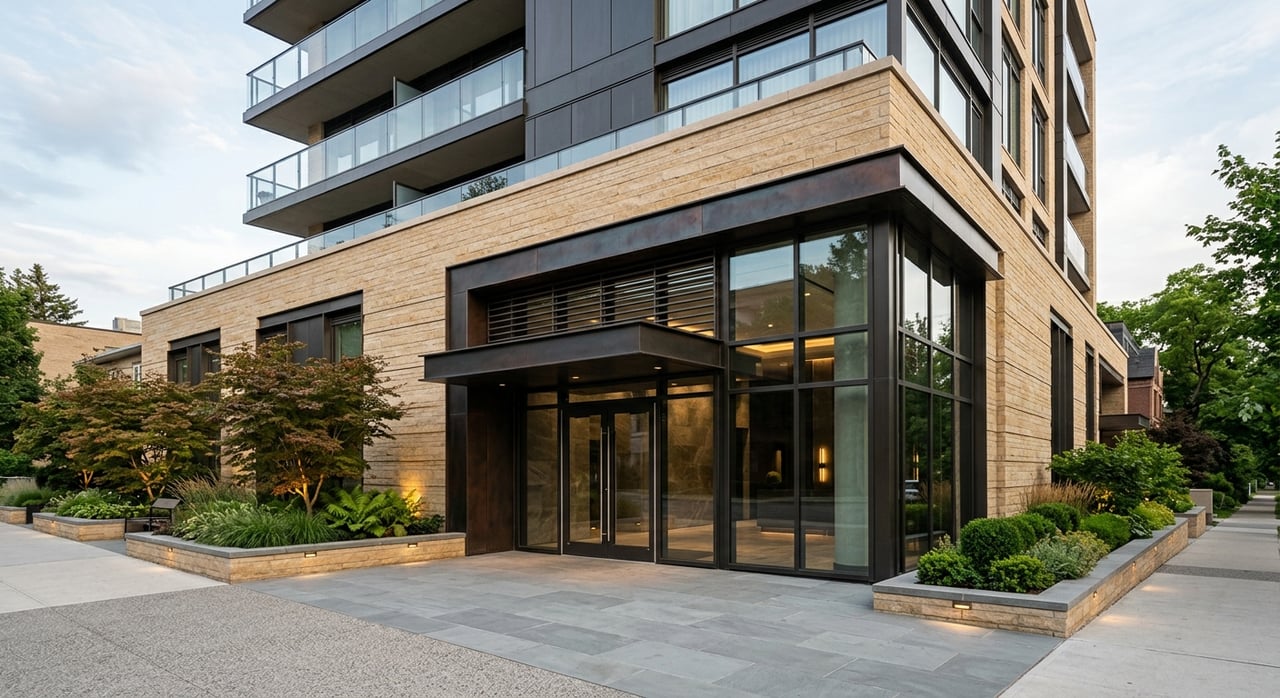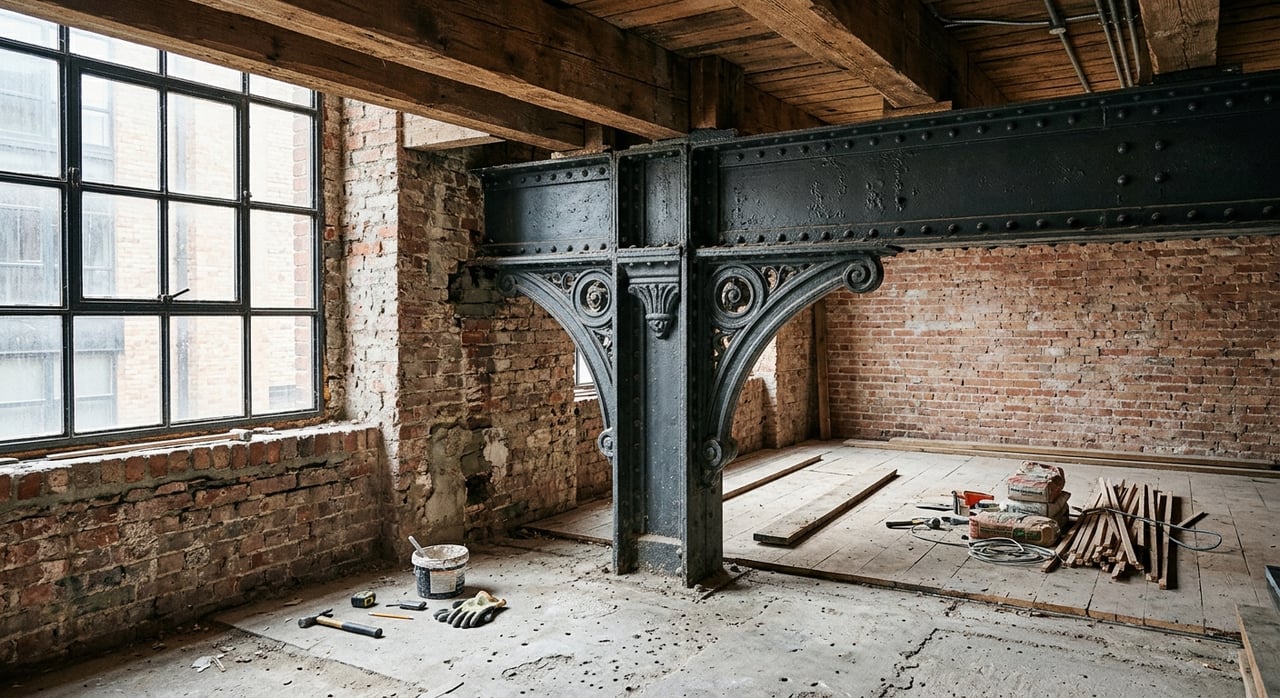
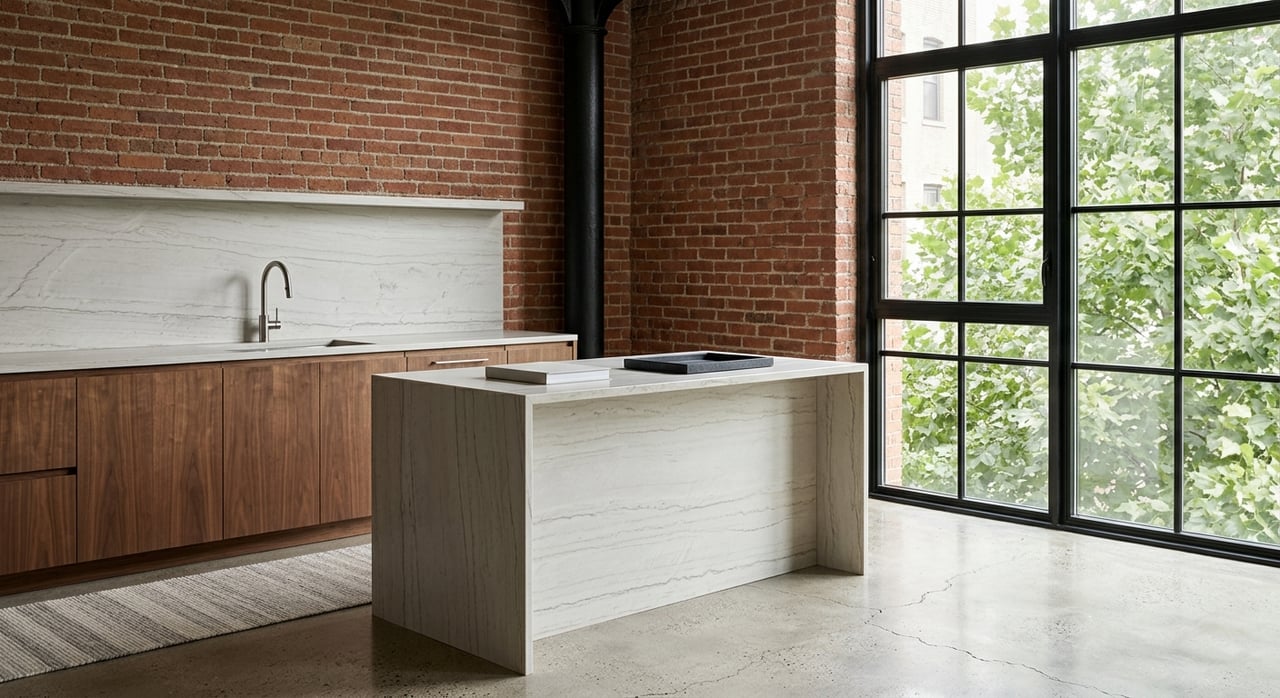
If you are buying in Chelsea, one of the first real choices is not just budget or block. It is product type. Do you want the volume, history, and architectural character of a loft conversion, or the turn-key systems and amenity package of a newer development? In a neighborhood that offers both within a short walk, understanding the tradeoffs can save you time, sharpen your search, and help you buy with more confidence. Let’s dive in.
Why Chelsea offers both
Chelsea is not a one-note housing market. Its residential landscape reflects both its industrial past and its more recent wave of West Side development.
The neighborhood’s loft identity comes from former commercial, warehouse, and manufacturing buildings that were adapted for residential use. At the same time, West Chelsea and the High Line corridor saw a newer generation of development shaped by planning rules around height, setbacks, transparency, and public access. In practical terms, that means you are often choosing between architectural scarcity and modern convenience in the same neighborhood.
What defines a loft conversion
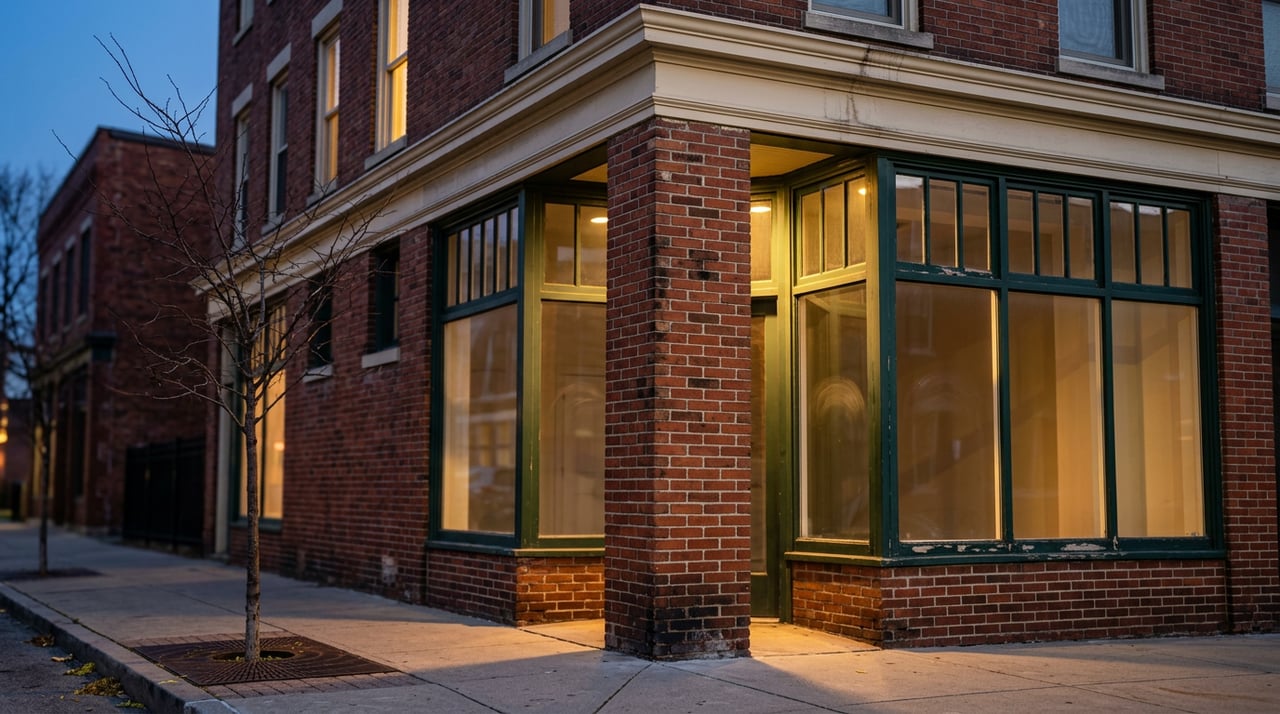
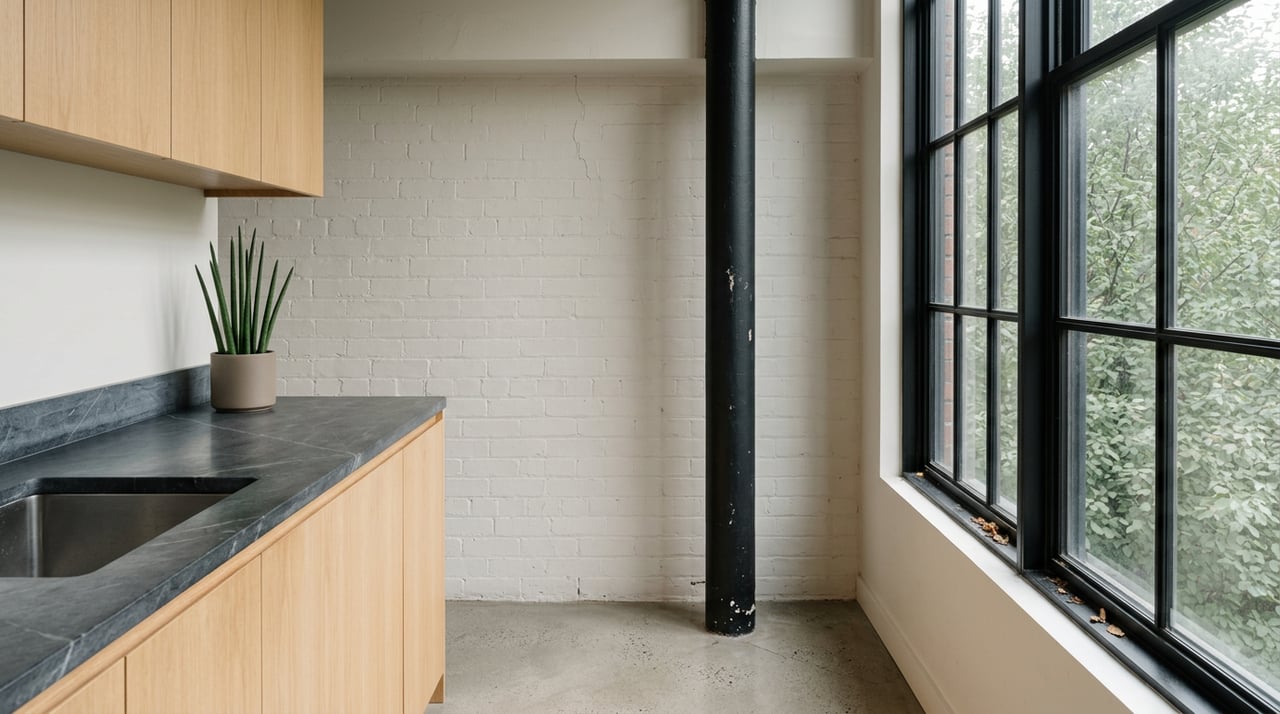
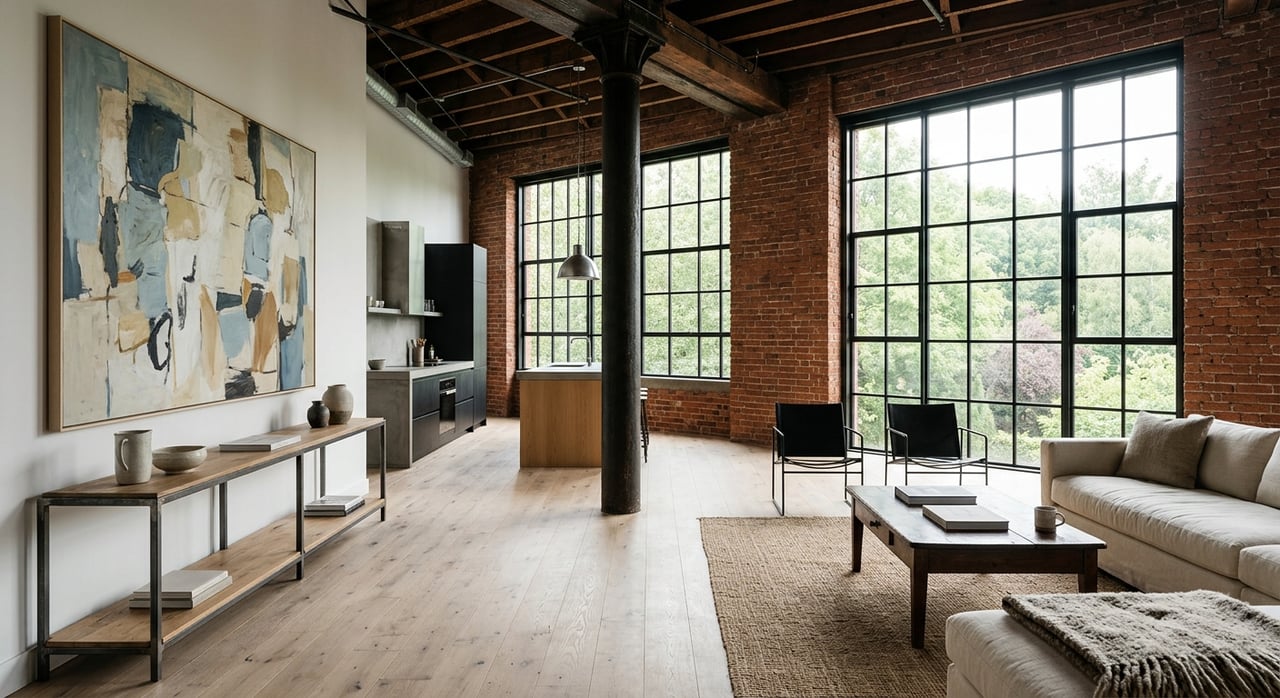
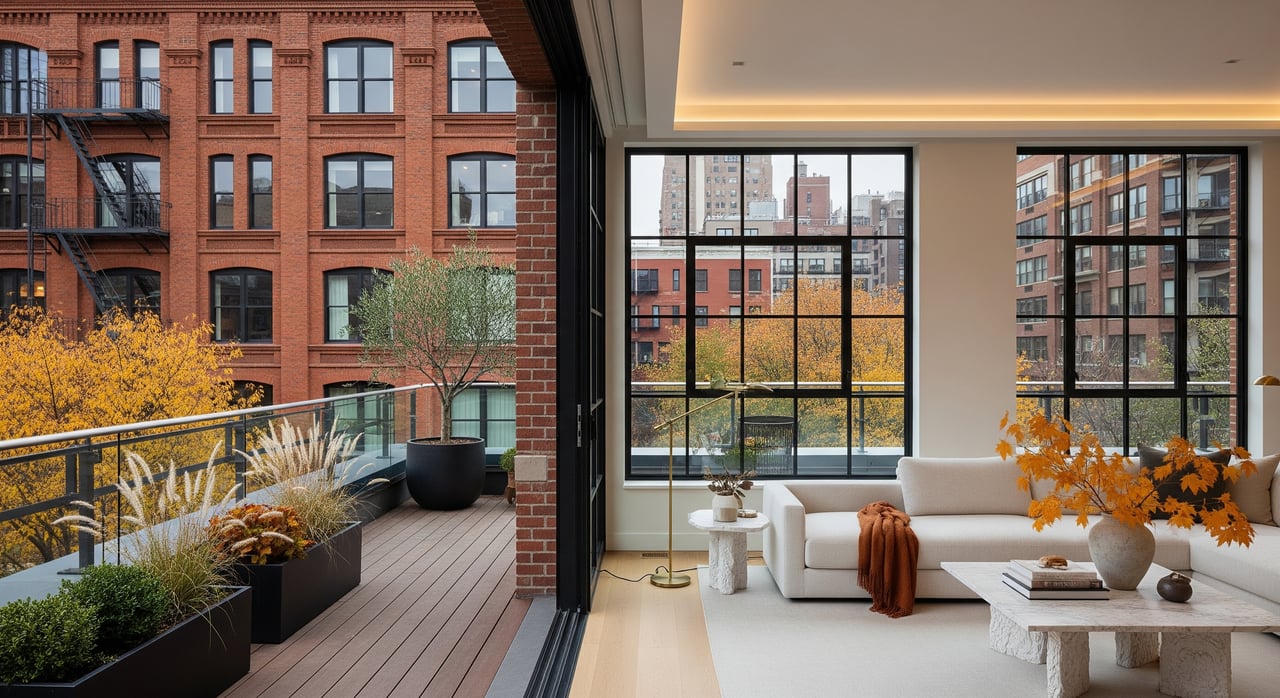
A true loft is typically a former industrial or commercial space turned into a home. In Chelsea, that often means high ceilings, oversized windows, open spans, exposed columns, brick, or visible structural elements.
What makes lofts compelling is the feeling of volume. Even when the square footage is not dramatically larger, the scale and openness can make the home feel expansive and flexible.
That same openness can create tradeoffs. Privacy may be limited, room counts can be unconventional, and some lofts may have less window exposure in certain interior areas than a more conventional apartment.
Why lofts stay in demand
True lofts remain relatively scarce in Manhattan. That scarcity helps explain why Chelsea continues to be one of the core downtown loft markets alongside neighborhoods like Tribeca and SoHo.
For many buyers, a loft is not just an apartment. It is a specific architectural experience that can be difficult to replicate in new construction, even when a developer borrows loft-style design cues.
What defines a new development
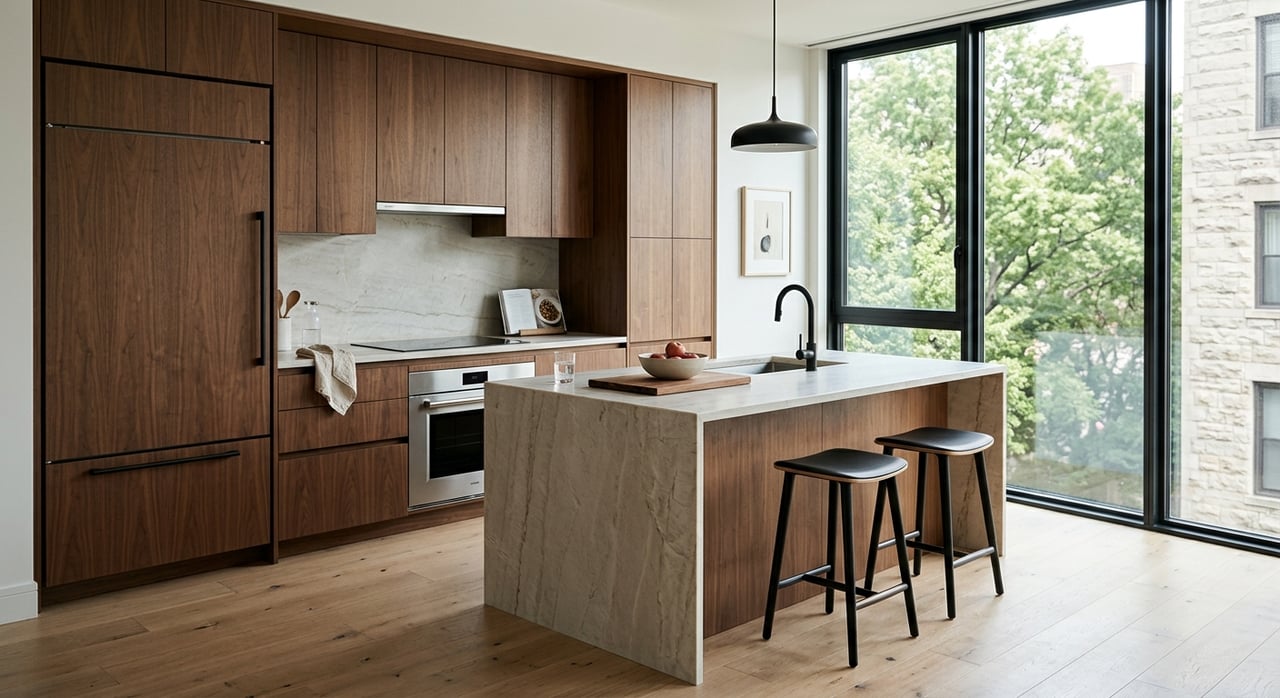
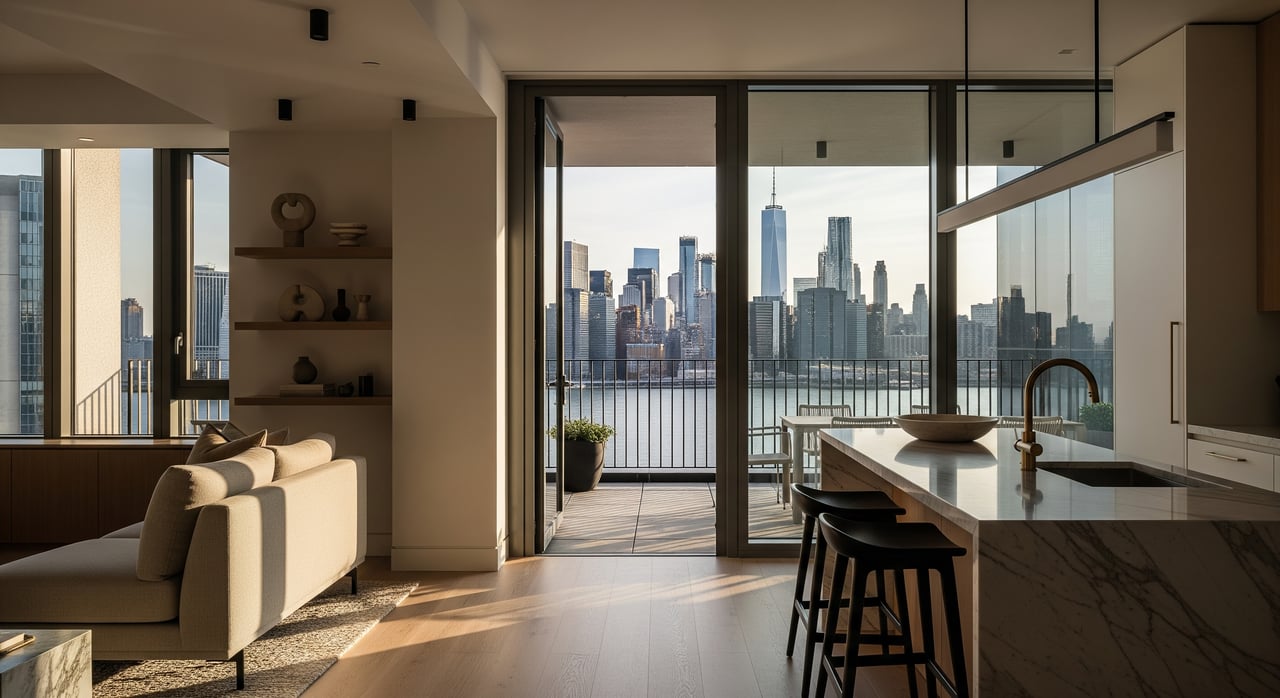
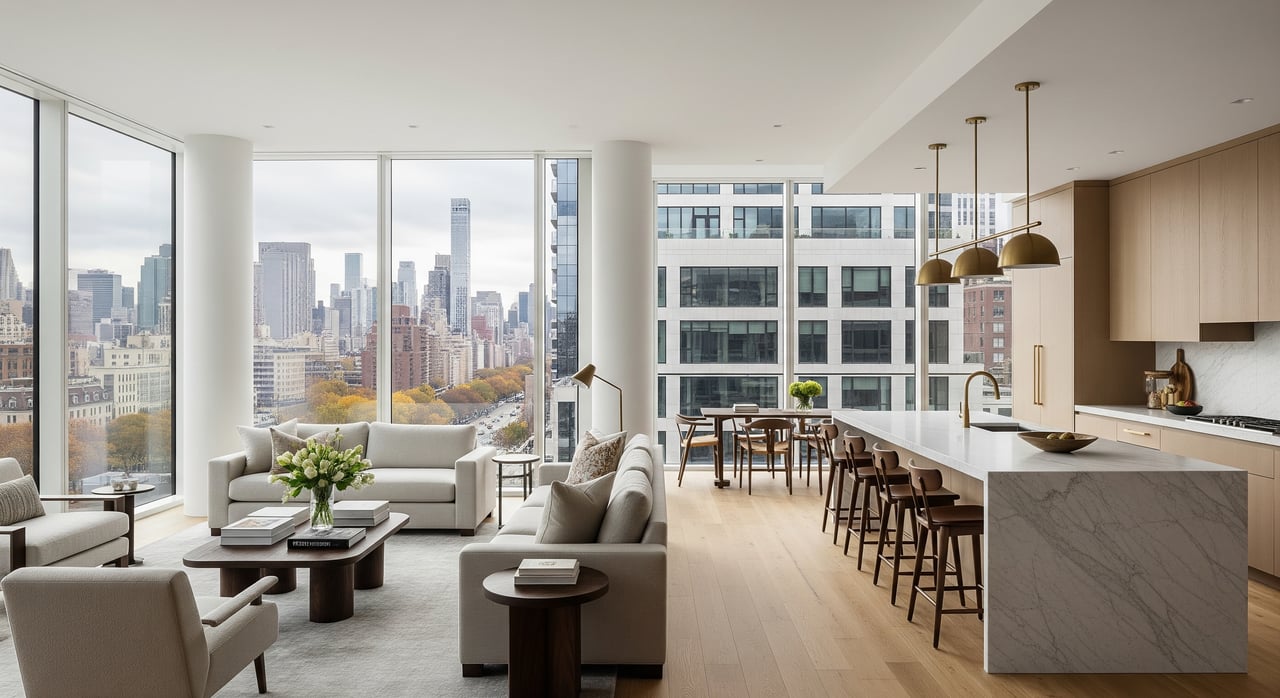
In Chelsea, new development usually means condo ownership and newer building systems. These homes are often designed for a more predictable, turn-key ownership experience, with contemporary finishes and layouts that feel familiar to a wide range of buyers.
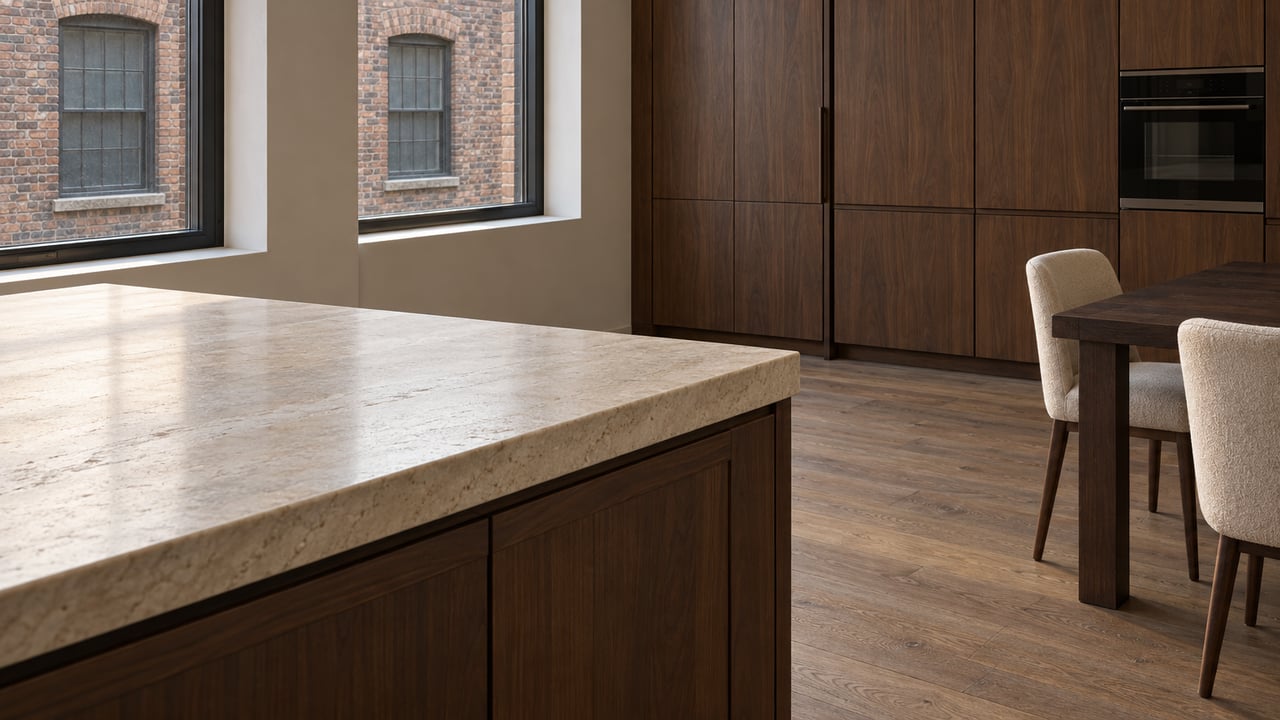
Many new developments near West Chelsea also include features buyers often prioritize in daily life, such as central air and in-unit laundry. Some buildings use loft-inspired details like open kitchens, larger windows, and higher ceilings, but they are not the same thing as a true conversion.
Why new developments appeal to many buyers
Newer buildings tend to offer more standardized layouts, finishes, and mechanical systems. If you value ease, lower immediate renovation demands, and a more streamlined move-in process, that can be a meaningful advantage.
For some buyers, especially second-home purchasers or cross-border buyers, that predictability matters as much as the architecture itself. It can make planning, budgeting, and furnishing simpler from the start.
Layout and livability in daily use
The biggest difference between these product types often shows up in how you live in the space every day. A loft usually prioritizes openness and adaptability, while a new development typically prioritizes structure and consistency.
If you like entertaining, displaying art, or having a large central living area, a loft can be very appealing. If you need more defined zones for sleeping, working, or hosting guests, a newer apartment may support those needs more easily.
Loft living: flexible but not always private
Lofts can work well if you want to reconfigure how you use the home over time. The open volume can support a highly personal layout, especially for buyers who prefer fewer walls and more visual continuity.
The tradeoff is that open-plan living can be less practical for multiple people working from home or needing separate quiet areas. In some cases, a loft may also have fewer legal bedrooms than a more conventional apartment of similar size.
New development: more defined and predictable
New developments usually offer a clearer room structure and a more standardized floor plan. That can make it easier to compare options, plan furniture, and understand how the home will function before you move in.
If your priority is efficient daily use with fewer layout surprises, this product type often delivers a more straightforward experience.
Amenities, staffing, and service levels
Amenities are one of the clearest dividing lines between Chelsea loft conversions and new developments. Many classic loft buildings compete on space and character rather than on service density.
By contrast, newer developments often build their value proposition around lifestyle programming. That can include fitness centers, pools, pet amenities, porter service, and other building services that shape daily convenience.
What loft buildings may lack
Many traditional loft buildings do not offer the same staffing or amenity package as newer properties. You may find less on-site service, fewer shared facilities, and a more understated building experience.
That is not necessarily a downside. For some buyers, the absence of a large amenity package is part of the appeal, especially if they prefer character over a resort-style feature set.
What new developments often include
New developments often package convenience directly into the building. If you want a staffed lobby, a fitness center, or a building designed around modern expectations, this can be attractive.
It is important to remember that these features are rarely free. Amenities and staffing usually increase monthly carrying costs, so the lifestyle upgrade should be weighed against the recurring expense.
Understanding monthly costs in Chelsea
In Chelsea, asking price is only part of the ownership equation. Monthly costs can differ meaningfully depending on whether the property is a condo or co-op, how the building is staffed, how reserves are managed, and whether the property has major maintenance needs.
For condos, common charges fund building operations, but property taxes are separate. For co-ops, maintenance typically includes a share of building property taxes along with operating expenses and, in some buildings, the underlying mortgage.
NYC class 2 includes cooperatives and condominiums, and the city’s tax rate for class 2 in tax year 2026 is 12.439 percent. The practical takeaway is simple: you should evaluate the full monthly cost structure, not just the purchase price.
Why assumptions about monthlies can mislead
It is easy to assume that loft buildings are always cheaper to carry and new developments are always more expensive. In reality, either assumption can be wrong.
A smaller loft building may have leaner monthlies if it has limited staffing and fewer amenities. But if that same building is under-reserved or facing major repairs, the ownership cost can rise quickly. On the other side, a new development may offer efficient systems, but amenity-heavy service levels can push recurring costs higher.
New-development fees to watch closely
If you are considering a new condo development in Chelsea, closing costs deserve extra scrutiny. Sponsors commonly ask buyers to contribute one to two months of common charges to a working capital fund, and some projects also request reserve-fund contributions.
Those early years can also be less stable than the marketing materials suggest. Sponsor-projected carrying costs may be set low at launch and then adjust upward once the building is complete and operating under normal conditions.
For a buyer who values clean underwriting, this is one of the most important diligence areas in the new-development category.
Due diligence issues in loft conversions
Loft diligence is different. In some Chelsea buildings, the history of conversion from commercial or manufacturing use can intersect with the city’s Loft Law and Interim Multiple Dwelling framework.
That matters because legalization status, code-compliance work, and any remaining Loft Board issues can affect timing, cost, and risk. Not every loft faces these issues, but when they exist, they deserve careful review before contract.
Historic district considerations
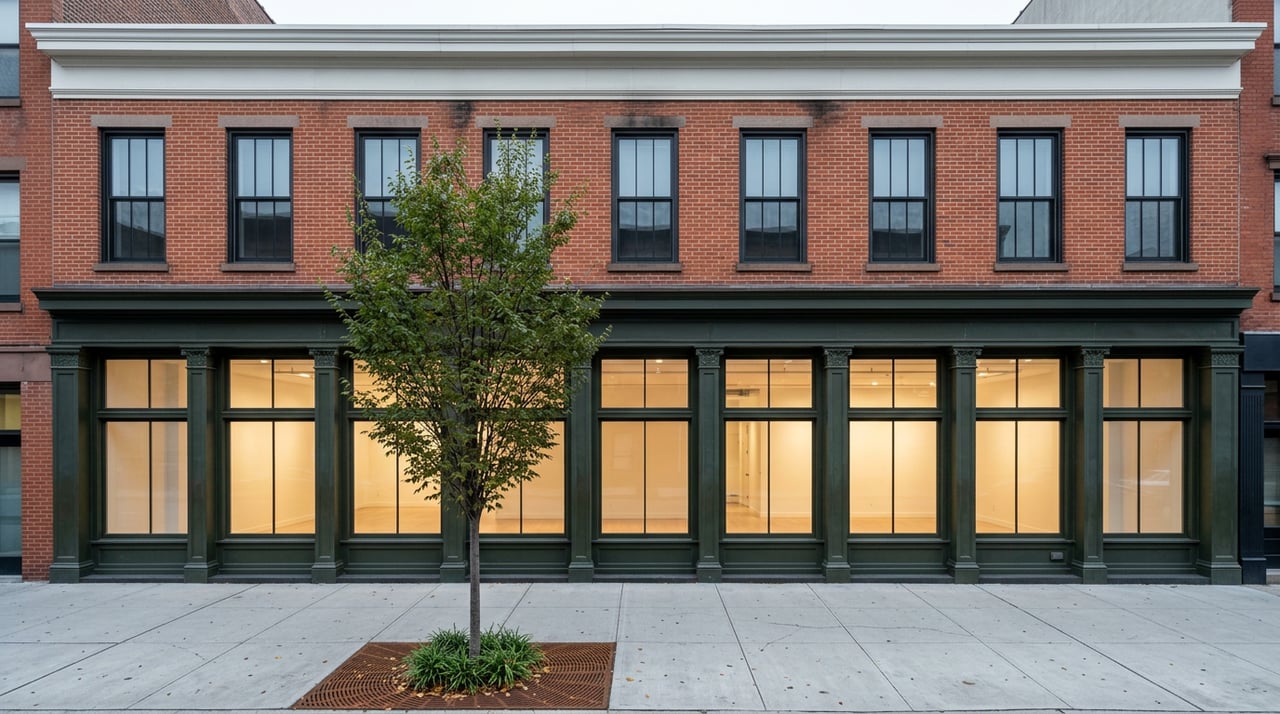
Some Chelsea properties are also affected by landmark or historic-district rules. Exterior changes in historic districts often require review, and work affecting the exterior of a landmarked or historic-district building generally needs approval from the Landmarks Preservation Commission.
If you expect to replace windows, alter the facade, or reposition the property through exterior upgrades later, this can affect your flexibility.
Resale, subletting, and future optionality
Beyond aesthetics, the smarter comparison is often about future options. How easy will the home be to resell, sublet, or incorporate into a broader property strategy?
In Chelsea, that question depends not only on whether a property is a loft or a new development, but also on whether it is a condo or co-op. Ownership structure can matter just as much as architecture.
When new developments may have the broader buyer pool
Condos generally offer more flexibility for subletting, pied-a-terre use, and resale than co-ops. For buyers who want broader exit options, a condo in a newer development often presents a cleaner path.
That can be especially relevant if you are thinking like an investor, a second-home buyer, or someone who may need to adapt your use over time.
When loft resale depends on fit
Loft conversions can have very strong appeal, but the buyer pool is often more specific. Light, layout, room count, and architectural details matter a great deal, and one renovated loft does not always set value cleanly for another because each unit can differ so much.
That uniqueness is part of the allure, but it can also make pricing and resale less straightforward.
Which Chelsea product may suit you best
If you value authenticity, scale, and architectural personality, a loft conversion may be the better fit. You may accept more complexity in exchange for a home that feels distinctive and hard to duplicate.
If you value predictability, contemporary systems, and a higher-service lifestyle, a new development may align better with your goals. You may pay for that convenience through higher monthlies or closing-time fees, but the ownership experience can feel simpler from day one.
The right answer is rarely universal. It depends on how you live, how long you plan to hold, and whether you are optimizing for character, ease, flexibility, or long-term optionality.
In a market as nuanced as Chelsea, the best decisions usually come from comparing not just finishes and floor plans, but financial structure, governance, future resale, and the realities of the building itself. If you want a discreet, analytically grounded view of which Chelsea product type aligns with your priorities, Luca Paci can help you evaluate the tradeoffs with clarity.
FAQs
What is the difference between a Chelsea loft conversion and a Chelsea new development?
- A loft conversion is usually a former industrial or commercial space adapted for residential use, while a new development is a newly built residence, often a condo, with newer systems, finishes, and amenities.
Are Chelsea lofts always cheaper than Chelsea new developments?
- No. Loft buildings can have lower monthlies if they offer fewer amenities, but costs can rise if the building has weak reserves or major repair needs. New developments may have higher recurring costs because of staffing and amenity packages.
Do Chelsea new developments usually have more amenities than loft buildings?
- Yes. New developments are more likely to include features like staffed service and shared amenities, while classic loft buildings often focus more on space and character than on extensive building services.
Why does ownership type matter when buying in Chelsea?
- A Chelsea loft or new development can be either a condo or co-op, and that ownership structure affects monthly costs, subletting flexibility, resale process, and board approval requirements.
Are there special diligence issues with Chelsea loft conversions?
- Yes. Some loft buildings may involve Loft Law or code-compliance issues tied to former commercial or manufacturing use, and some properties may also be affected by landmark or historic-district review for exterior changes.
What should you review before buying a Chelsea new development?
- You should review common charges, separate property taxes, any working capital or reserve-fund contributions at closing, and whether projected early carrying costs may rise after the building begins normal operations.