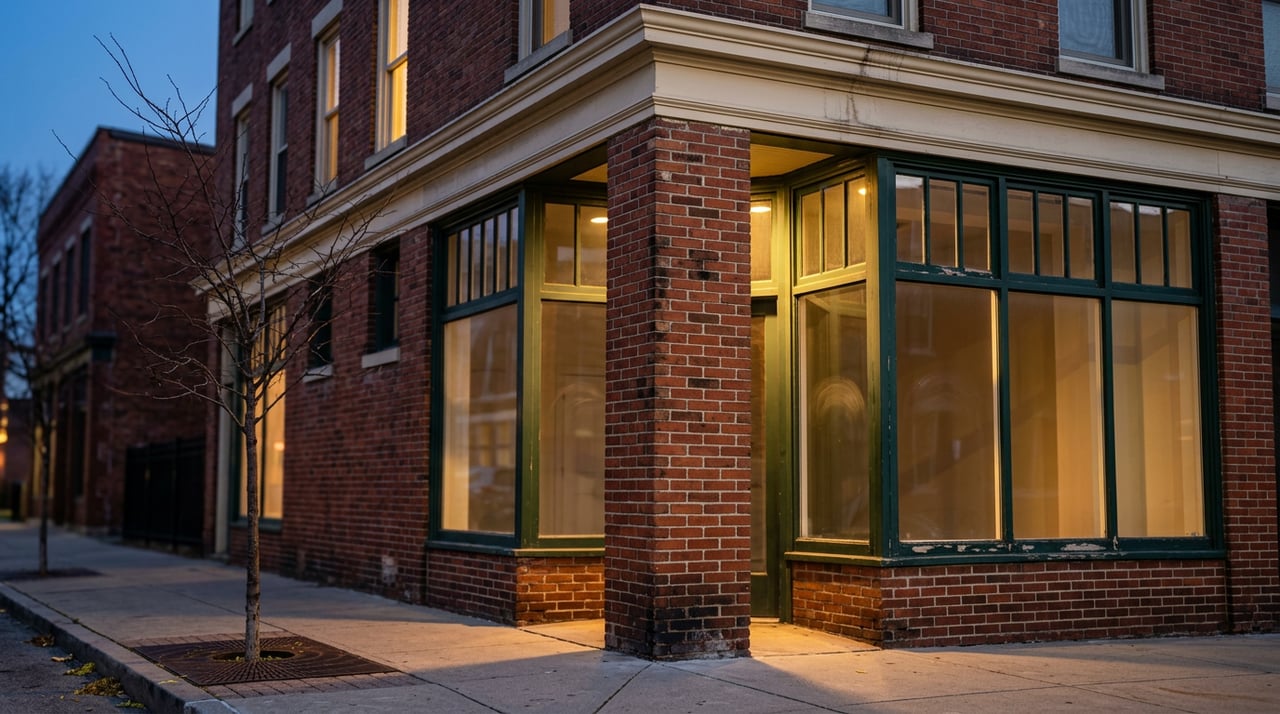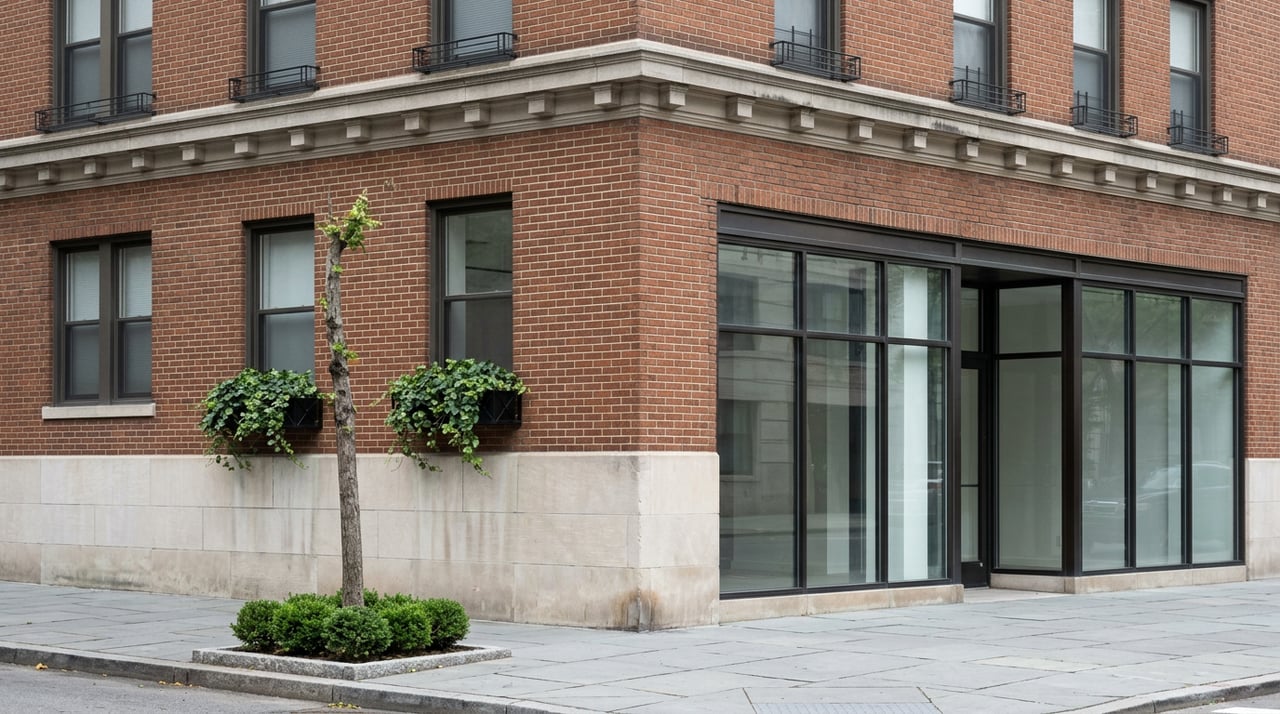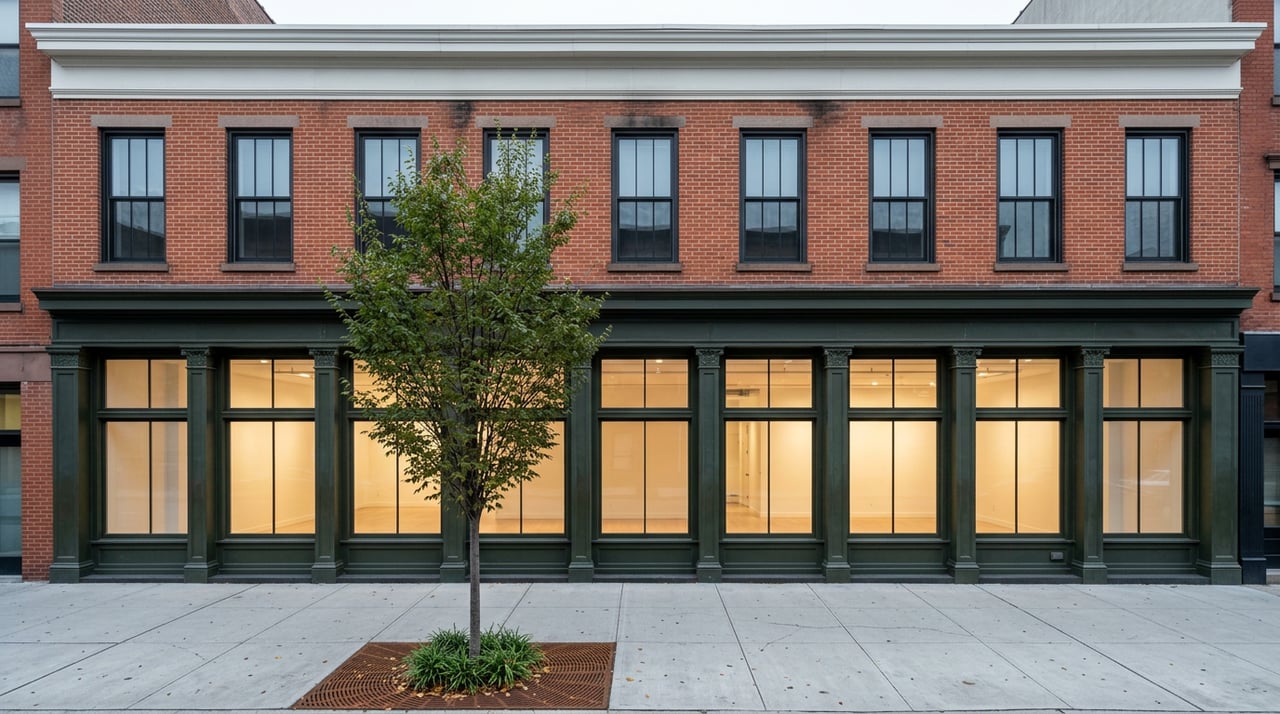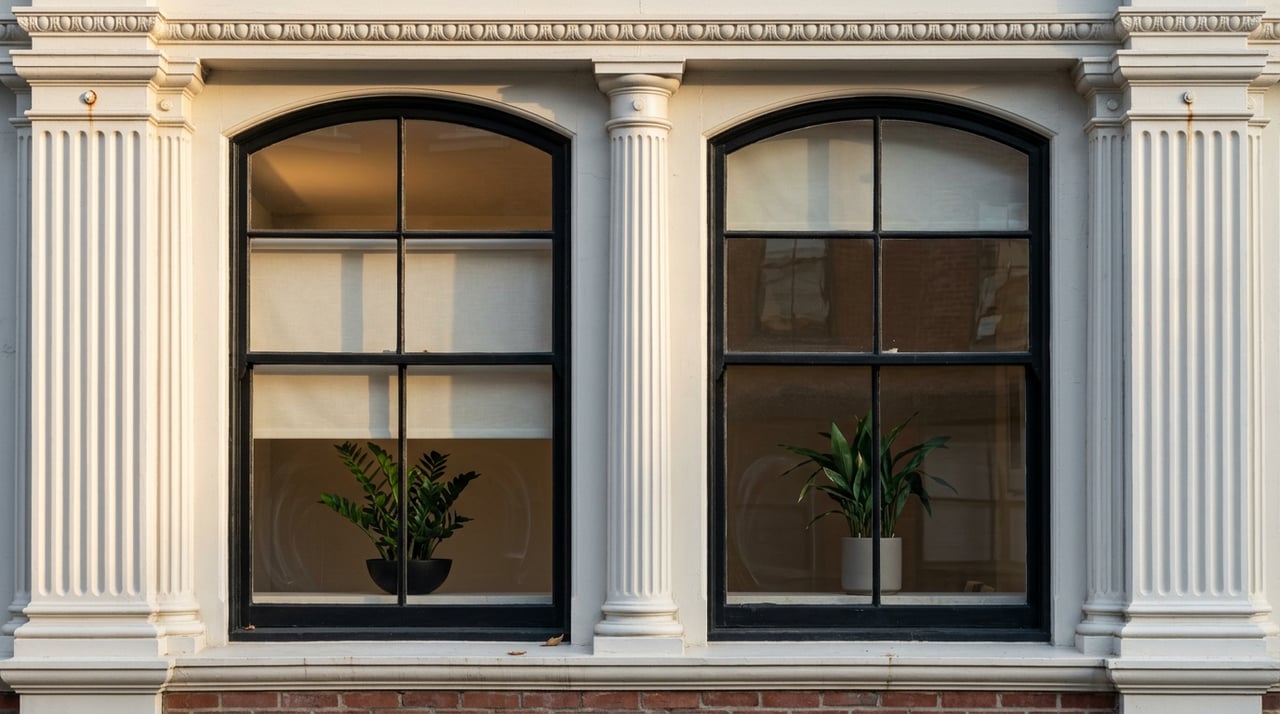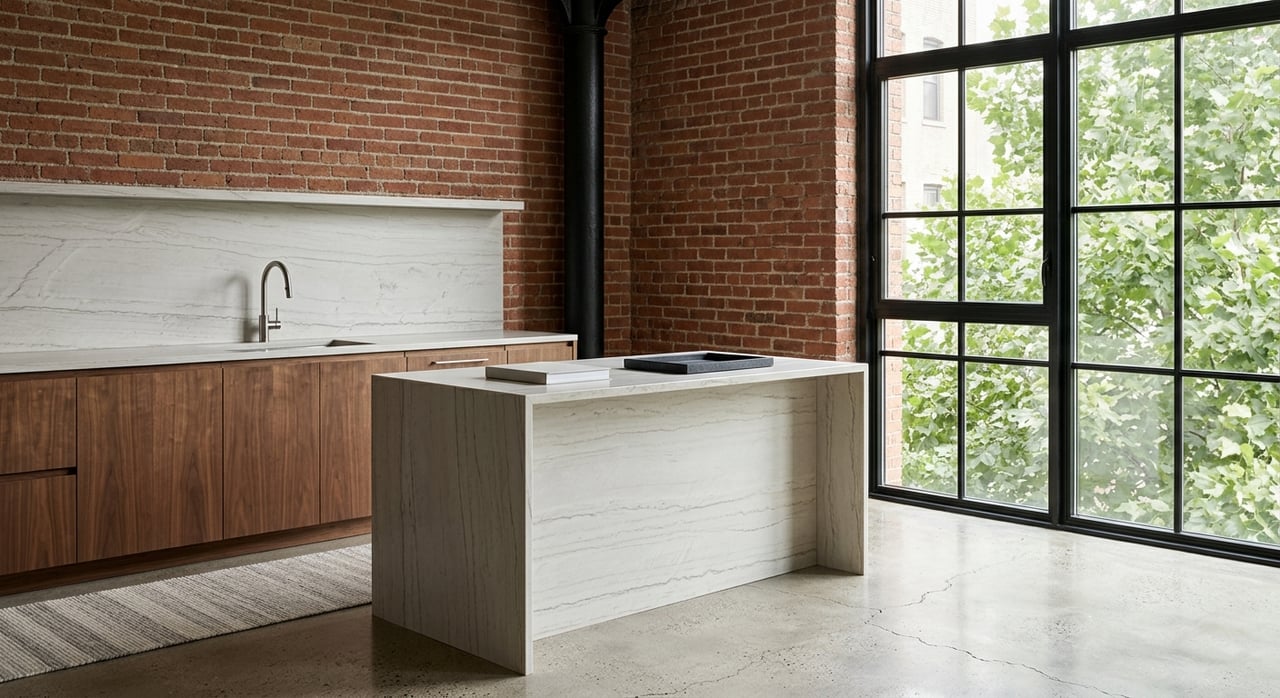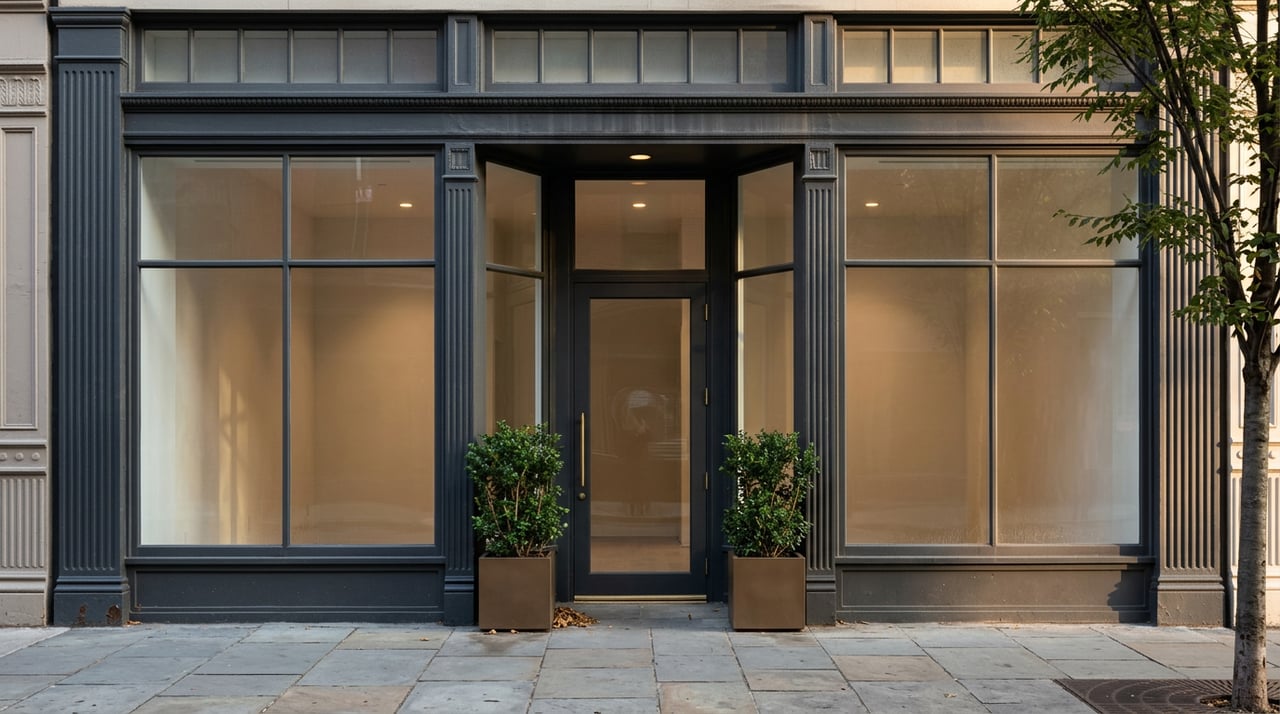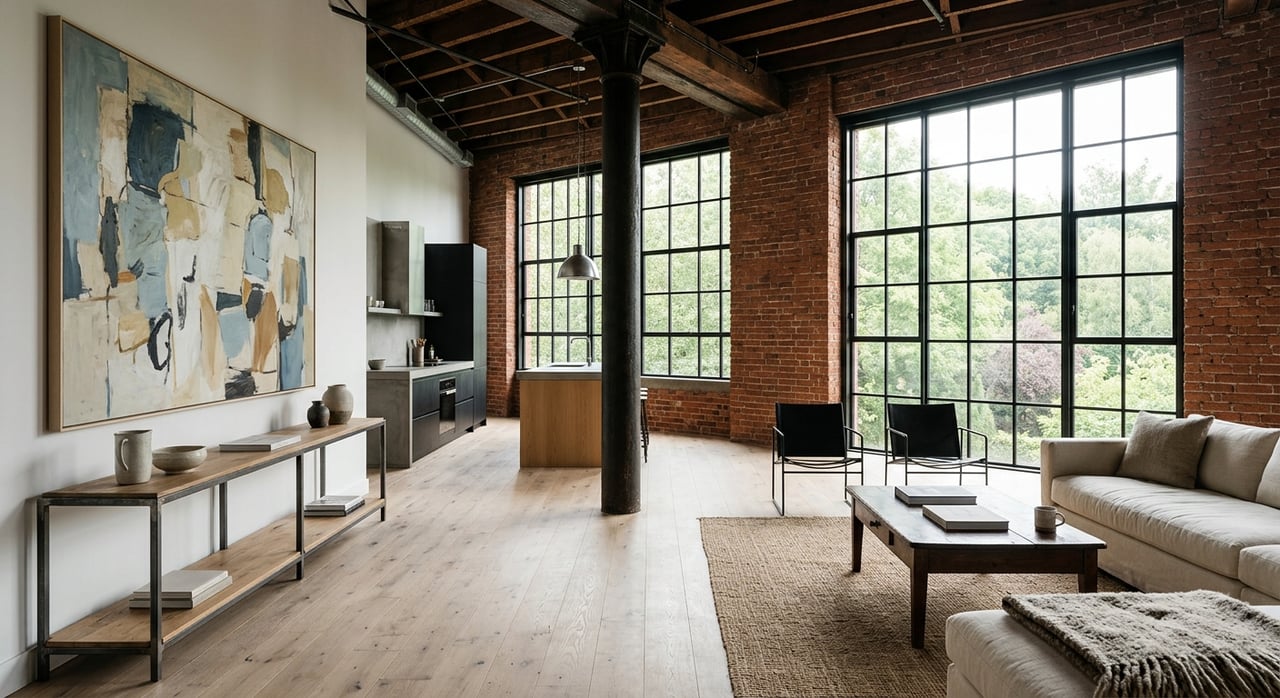
Walk Grand Street between Leonard and Lorimer on any weekday morning and you'll pass a stretch of ground-floor retail that has quietly become the busiest grocery corridor in the neighborhood. A discount German supermarket chain is about to cut a ribbon at one end. A small-format Whole Foods has already been ringing up sales at the other for months. Neither store existed here two years ago. Both picked this same six-block run of Grand Street without much overlap in who they're trying to reach.
That's the part worth sitting with. Restaurants open and close in Williamsburg on a schedule that has nothing to do with population shifts. A hot chef can land anywhere with the right landlord and the right buzz. Grocery chains don't work that way. They run rooftop counts, income bands, and foot traffic models before they sign a lease, and they rarely bet on the same block twice unless the data tells them two different things are both true. Grand Street just got that bet placed on it twice in one year, by two grocers built for opposite shopping habits. That tells you more about who actually lives here now than any restaurant opening does.
The corridor, block by block
The two anchors are close enough to walk between in under ten minutes:
- Lidl, at 573 Grand Street, holds its grand opening on August 26, 2026, with a 7:40 a.m. ribbon-cutting, free coffee and croissants, and a bakery case stocked for the occasion with a Toffee Pecan Cookie, a Brookie, a Blueberry Scone, and a Brownie Pop. The store occupies a former Key Foods site between Leonard and Lorimer Streets and joins four other Lidl locations already operating in Brooklyn.
- Whole Foods Market Daily Shop, at 774 Grand Street, opened earlier this year after slipping past its original December 11, 2025 target. The store that eventually opened runs close to 8,000 square feet, smaller than the roughly 10,700 square feet initially reported when the lease was signed, and it's built around the same grab-and-go layout Whole Foods has used in Hell's Kitchen, Lenox Hill, and the East Village.
Two grocers, two blocks apart, opening within roughly six months of each other on the same street. That kind of clustering doesn't happen by accident in retail leasing.
Two formats, two habits
Here's where it gets specific enough to matter. Lidl's model is built on volume and price: private-label staples, imported goods, a rotating bakery program, and hours built for a full weekly shop. The Daily Shop format Whole Foods is running four blocks away is built for the opposite kind of trip: produce and prepared food up front, a compact footprint, and a customer who's stopping in two or three times a week rather than loading a cart once.
Whole Foods has said internally that a large share of shoppers at its Lenox Hill Daily Shop location visit multiple times weekly, which is the entire premise behind the format: it's designed for someone who lives close enough to treat the store like a pantry extension, not a destination. Lidl's bet is the opposite kind of household, one doing a real weekly shop and choosing this specific location over a competitor on price and selection.
Put those two bets next to each other and the read on Grand Street changes. This isn't a corridor serving one type of resident. It's serving two distinct daily routines at the same time, on the same six blocks, and both chains judged the numbers strong enough to commit real square footage to it.
The cafes filling in the gaps
The coffee and breakfast layer around those two anchors has moved just as fast, and every addition points the same direction: shorter trips, more of them, closer to home.
Partners Coffee opened its second Williamsburg location this year at North 9th and Bedford, doubling down on a neighborhood it already had a foothold in. Cafe Landwer, the Berlin-founded chain with an eighty-year history in Mediterranean breakfast and lunch service, landed near the Pod hotel. Motek, the Miami-based Israeli-inspired chain, opened on Wythe Avenue with a menu built around hummus, pita, and schnitzel served across lunch, brunch, and dinner. None of these are pop-ups or one-off concepts. They're chains that scaled elsewhere first and chose Williamsburg as a next market, which is its own kind of validation.
Stack that against the two grocery anchors and the picture holds together. A resident on this stretch of Grand Street can now run a full week's errands, from a discount grocery haul to a fast coffee stop to a sit-down brunch, without leaving a fifteen-minute walk radius. That kind of density in daily-life infrastructure is usually a lagging indicator. Retail chains don't build it until the rooftops are already there to support it.
The waterfront is playing a longer game
A ten-minute walk east, Williamsburg Wharf is building a different kind of food scene, and it's moving on a completely different clock. The 3.75-acre development at 470 Kent Avenue has signed three notable food tenants so far: Breads Bakery, known for its chocolate babka and already operating a Brooklyn waterfront location at Pier 1 Pavilion; The Goods Mart, a female-owned convenience shop focused on healthier snacks and pantry staples making its Williamsburg debut; and chef Eyal Shani's Naked Tomato, a concept built around single-ingredient dishes that only opened its first location in Miami this past May.
Naked Tomato's Brooklyn location isn't expected until late 2026, more than a year after it was first announced. Compare that timeline to Grand Street, where Lidl went from lease to ribbon-cutting and Whole Foods opened despite a delay, both landing within a single calendar year. The Wharf is building a destination for people who'll travel to it. Grand Street is building infrastructure for people who already live within walking distance and need groceries on a Tuesday.
Both are real signals about Williamsburg's trajectory, but they're not the same signal. One is about who the neighborhood wants to attract. The other is about who's already here and how they're actually spending a weekday.
What it adds up to
The generic version of this story is "Williamsburg keeps getting new restaurants," which is true and also tells a longtime resident nothing they didn't already know from walking past the construction scaffolding. The more useful version is that the neighborhood's grocery infrastructure just caught up to its population in a way that took two competing chains, two different price points, and two different shopping habits to fully cover. That's a different kind of growth than a chef-driven opening cycle, and it's the kind that tends to stick around regardless of which restaurant is trending that season.
If you already live along Grand Street, the practical upshot is straightforward: your weekly errands just got shorter, and you now have a real choice between value and convenience within the same walk. If you're watching the neighborhood from a distance, the more interesting fact is that two grocers who don't gamble on hype both decided this corridor was worth building for right now.
For buyers and owners thinking about what that kind of retail commitment means for a neighborhood's staying power, Luca Paci Real Estate tracks these shifts as part of a broader read on how North Brooklyn's residential and retail markets are moving together. Reach out to request a discreet consultation if you'd like that context applied to a specific property or a specific block.