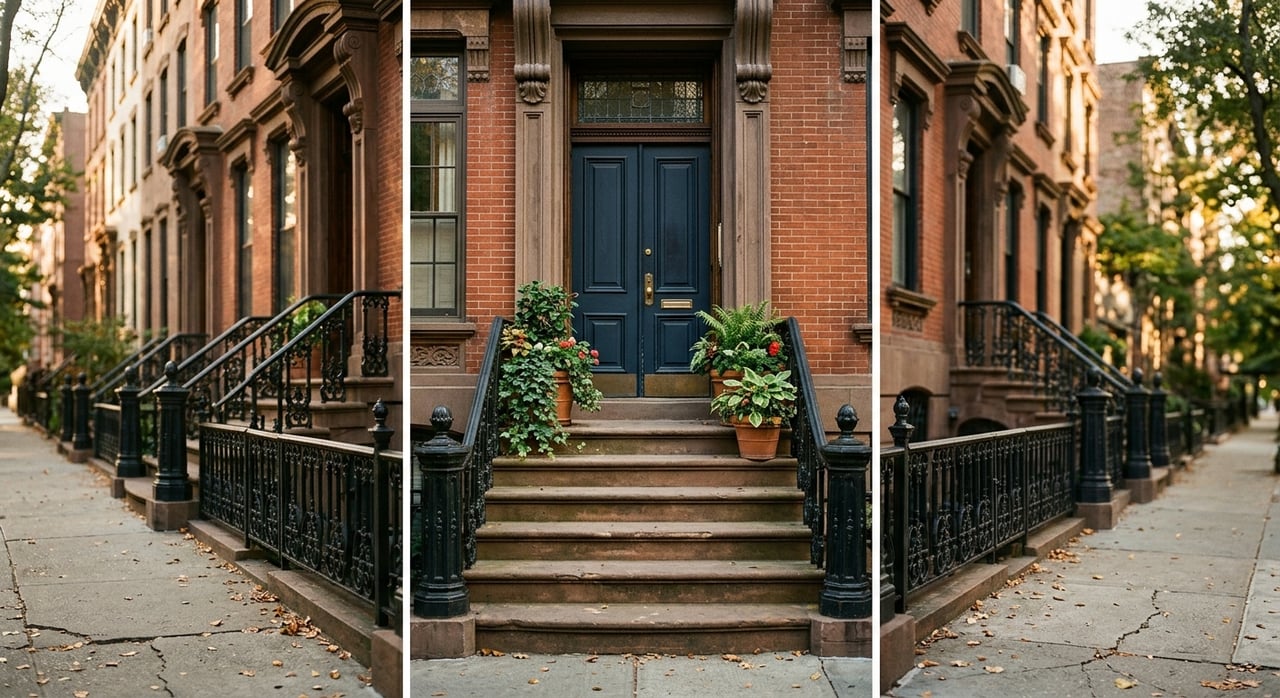
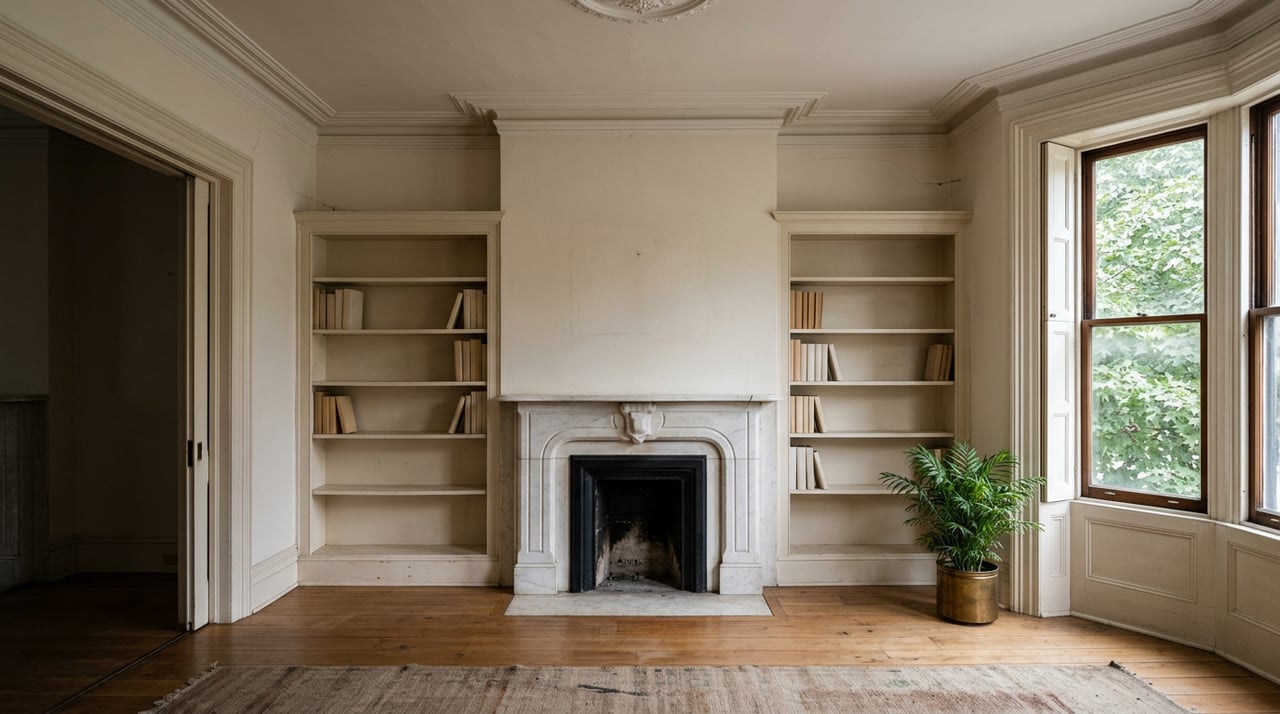
A Bedford-Stuyvesant brownstone can be marketed as a legal three-family with an owner's duplex over a garden rental, complete with a rent roll for the top two floors and photos of a finished basement unit. Then a lender orders the appraisal, and the file that comes back shows a Certificate of Occupancy for a single-family dwelling. The rental income a buyer built into their offer, the debt-service math their mortgage broker ran, none of it survives contact with the document the city actually has on file.
This isn't rare in Bed-Stuy. It's close to routine, and it's one of the reasons the neighborhood's median sale price is such an unreliable compass for anyone comparing it against Clinton Hill, Bushwick, or Crown Heights. The number that shows up in a portal search is a blend of three different products sold under one neighborhood name, and the paperwork behind a specific listing predicts your outcome far better than that median ever will.
Three Markets, One Zip Code
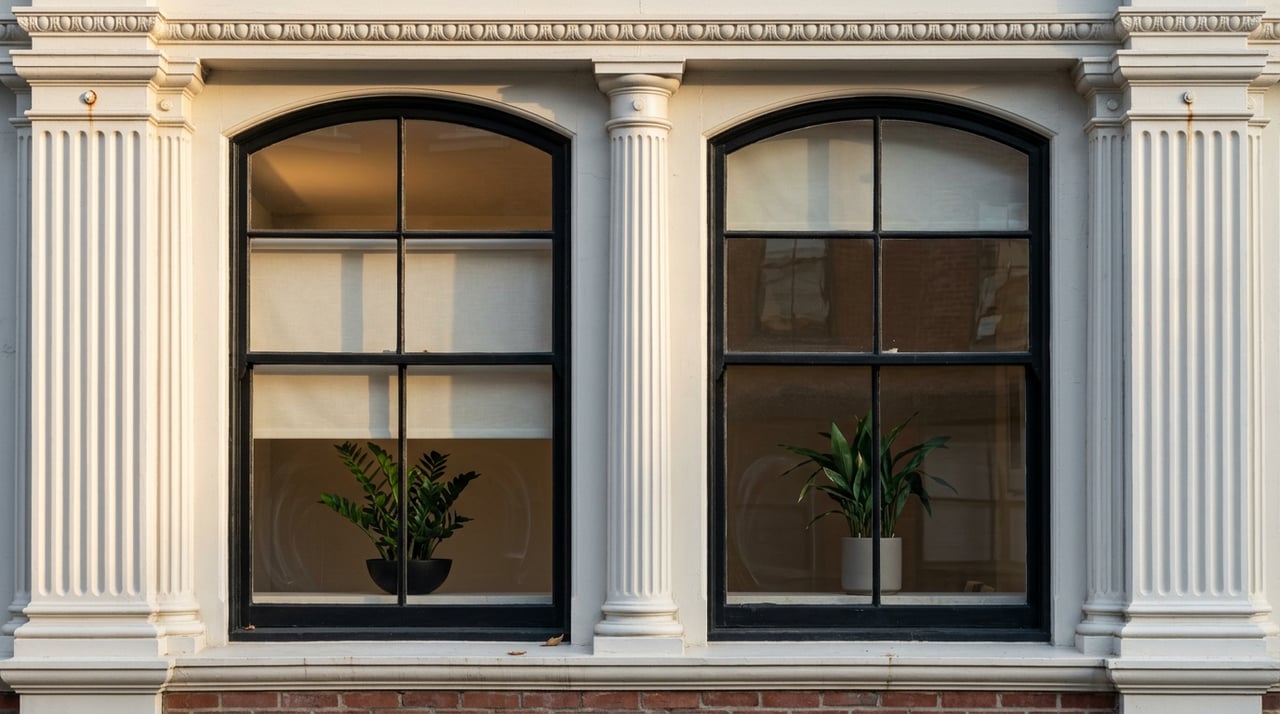
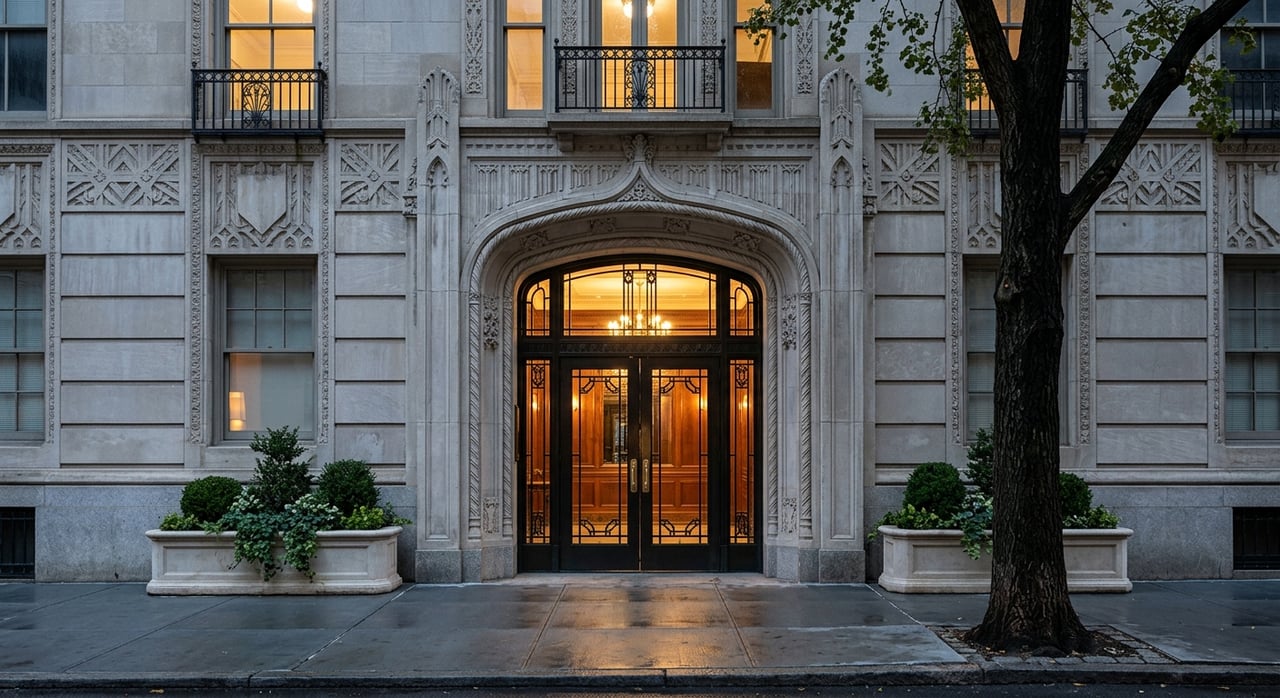
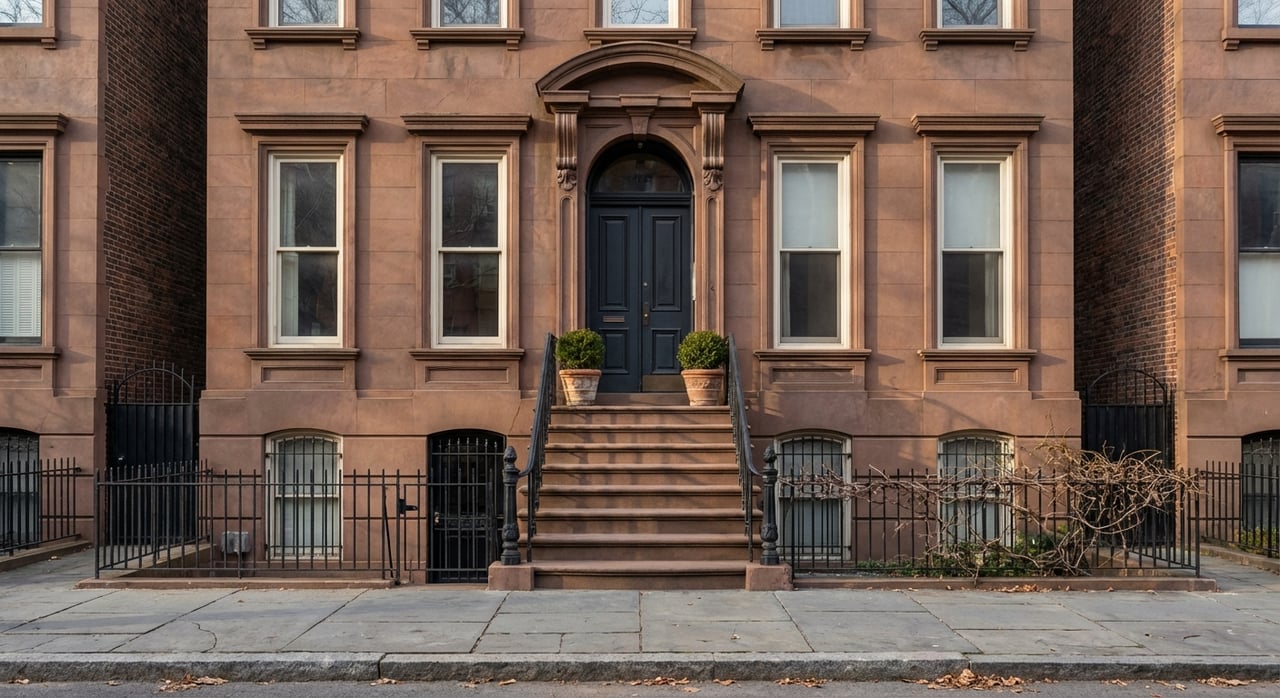
In the first quarter of 2026, Bed-Stuy posted the highest single-family transaction volume of any Brooklyn submarket. Twenty-two closings, a median price of $2.12 million, up 17 percent year over year. Those sales cluster on renovated homes inside the Stuyvesant Heights Historic District, on blocks like Decatur, Macon, and Bainbridge Streets, where limestone rowhouses and intact facade details rival anything in Park Slope or Carroll Gardens.
In that same quarter, multi-family properties, the two, three, and four-family houses that let an owner live in one unit and rent the others, closed ninety-three times at a median of $1.72 million, with individual sales ranging from $780,000 to $3.25 million. That spread on its own tells you the multi-family category isn't one market either. Condition, configuration, and legal status are doing the sorting inside it.
Then there's a third tier, harder to isolate in a single quarter but visible in the broader trend. Over the three months ending in May 2026, the neighborhood's overall median sale price sat around $1.6 million, up 21.2 percent year over year, while the median time to sell stretched to 95 days, longer than the 78 days recorded a year earlier. A rising median alongside slower absorption isn't a contradiction. It's what happens when more of the closed volume shifts toward higher-priced, renovated single-family stock while unrenovated houses on transitional blocks closer to Bushwick sit longer, waiting for a buyer willing to take on the work.
| Tier | What's actually selling | Recent pricing signal |
|---|---|---|
| Renovated single-family, historic district | Restored brownstones on Stuyvesant Heights blocks | $2.12M median, Q1 2026, 22 closings, up 17% year over year |
| Legal 2-4 family with rental income | Owner-occupant plus tenant configuration, documented unit count | $1.72M median, Q1 2026, 93 closings, range $780K to $3.25M |
| Unrenovated or transitional-block stock | Original condition or partial renovation, blocks nearer Bushwick | Broader trailing median near $1.6M as of May 2026, 95 days on market |
Appraisal guidelines used across the mortgage industry direct appraisers to select comparable sales with similar site, room count, finished area, style, and condition. That's exactly why a renovated single-family limestone on a landmarked block and an unrenovated three-family two streets away almost never land in the same comp set, no matter how close they sit on a map. Treating the neighborhood median as a stand-in for either property misreads both of them.
The Document That Overrides the Listing Description
Every one of those three tiers assumes the building's legal use matches what's advertised. That assumption is exactly where Bed-Stuy deals run into trouble.
The New York City Department of Buildings states that a Certificate of Occupancy defines the legal use and permitted occupancy of a building, and that no one may legally occupy a structure until the department has issued one. Most of Bed-Stuy's rowhouse stock predates the modern certificate requirement, which took effect in 1938. For those buildings, an absent certificate isn't automatically a red flag. The department can issue a Letter of No Objection confirming that a building's use, established before 1938, remains legal as long as nothing about the use, egress, or occupancy has changed since, and lenders and title companies routinely accept that letter in place of a certificate, according to a breakdown of the rule from Gerard Law Firm.
The trouble starts when a building was altered after 1938 without matching paperwork, which is exactly how a listing described as a legal three-family ends up resting on a Certificate of Occupancy, or a Letter of No Objection, that only supports two units, or one. The city is direct about the consequence: a Certificate of Occupancy cannot be issued while open violations or open applications remain on file, and occupying a building beyond what its certificate allows is treated as an illegal conversion, the kind of finding that can trigger an inspection and, in serious cases, a vacate order.
None of that shows up in listing photos. It shows up when a lender's underwriter or an appraiser pulls the file, which is why the smarter move is pulling that file before writing an offer, not after signing a contract.
Why the Historic District Line Changes the Math
The Stuyvesant Heights Historic District adds its own layer of process on top of the certificate question. Exterior work on a designated block, replacing a window, repairing a stoop, altering anything visible from the street, generally requires a permit reviewed against the district's architectural standards, even though ordinary repairs and maintenance are usually exempt and designation doesn't require restoring a building to its original appearance. That review adds time and cost to a renovation, and it's also a reason those blocks hold their premium over comparable square footage a few streets away, outside the district line.
A brownstone's paperwork and its position relative to a historic district line predict its price more reliably than its square footage does.
What to Ask Before You Write an Offer
- Does the marketed unit count match the current Certificate of Occupancy, or, for a pre-1938 building, a Letter of No Objection actually on file with the Department of Buildings?
- Are there open violations or open applications that would block a certificate from being issued or amended?
- Is the block inside the Stuyvesant Heights Historic District or a nearby designated extension, and if so, what exterior work was approved versus done without a permit?
- If part of the appeal is rental income, does the legal configuration actually support that income, or does it depend on space the certificate doesn't recognize as a separate unit?
- What have closed sales in the same tier and the same few blocks actually done recently, rather than what the neighborhood-wide median suggests?
The Number That Actually Predicts Your Outcome
If you're comparing Bed-Stuy against Clinton Hill or Bushwick using one median price, you're comparing an average that erases the exact distinctions that determine what you'll pay and how long you'll wait to close. A $2.12 million median for renovated single-family sales sitting alongside a $780,000 low end for multi-family stock in the same quarter isn't statistical noise. It's three different products being sold under one neighborhood name. The certificate on file, not the number on the listing, tells you which product you're actually buying.
Does a missing Certificate of Occupancy mean I can't buy the house? No. For buildings constructed before 1938, the Department of Buildings can issue a Letter of No Objection confirming that legal use predates the certificate requirement. Lenders and title companies typically accept that letter as proof of legal use, provided nothing about the building's use, egress, or occupancy has changed since 1938.
Can I still get financing if the marketed unit count doesn't match the certificate? It depends on how far apart the two are. A mismatch found during underwriting can require the seller to legalize the extra unit before closing, or it can push a lender to underwrite the property based on its legal configuration rather than its marketed one, which changes the numbers an offer was built on.
Does landmark status inside Stuyvesant Heights mean I need permission for every renovation? Not for ordinary repairs and maintenance, which are generally exempt. Work visible from the street, replacing windows, altering a stoop, changing a facade, typically does need review, and that review is part of what protects the block's value over time.
Reading a Bed-Stuy listing well means reading the certificate as closely as the floor plan. If you're comparing a specific property against the neighborhood's blended numbers and want a second read on its legal status before you write an offer, Luca Paci offers a discreet consultation to work through the paperwork, the comps, and the math together.