If you want Manhattan living that feels visually rich the moment you step outside, Chelsea makes a strong case. Here, your daily routine can include an elevated park walk, a gallery stop, and a design-focused market run, often within the same few blocks. For buyers who care about culture, architecture, and a car-light lifestyle, Chelsea offers a distinct mix of convenience and character. Let’s dive in.
Why Chelsea stands out
Chelsea is not defined by just one landmark or one housing type. Its strongest identity comes from the West Chelsea and High Line corridor, where public space, former industrial buildings, and art-focused streets create a neighborhood experience that feels layered and active.
The High Line runs through this story in a very practical way. NYC Parks describes it as an elevated freight rail line transformed into a public park on Manhattan’s West Side, with Chelsea access points at 14th, 16th, 17th, 20th, 23rd, 26th, 28th, and 30th Streets. The park is also wheelchair accessible, which adds to its everyday usability.
Chelsea also has a strong design and food anchor in Chelsea Market. The concourse is open from 7 am to 10 pm, making it useful not just as a destination, but as part of the rhythm of daily life. In practice, Chelsea often feels like a walkable sequence of park, galleries, and market blocks rather than a neighborhood built around a single center.
High Line living in Chelsea
For many buyers, the High Line is more than scenery. With long daily hours from 7:00 AM to 10:00 PM and multiple entry points in Chelsea, it works as both a leisure route and a practical neighborhood connector.
That matters if you value movement and access as part of your day. A morning walk, an afternoon meeting, or an evening stroll can all happen along the same corridor, which gives this part of Chelsea a sense of continuity that is hard to replicate elsewhere in Manhattan.
Transit access supports that car-light lifestyle. The corridor is a short walk from the A/C trains at 14th and 23rd Streets and the L train at 14th Street and 8th Avenue, which helps make the neighborhood feel connected without needing a car for everyday routines.
Chelsea’s art scene feels built in
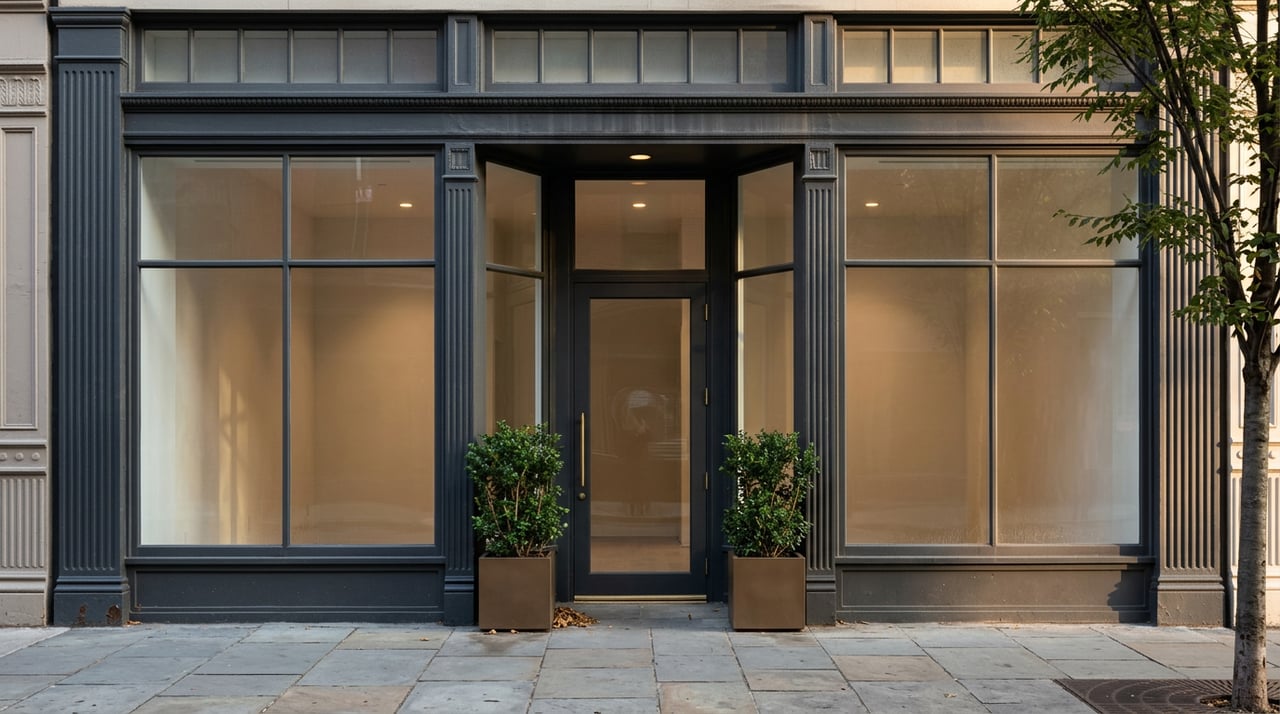
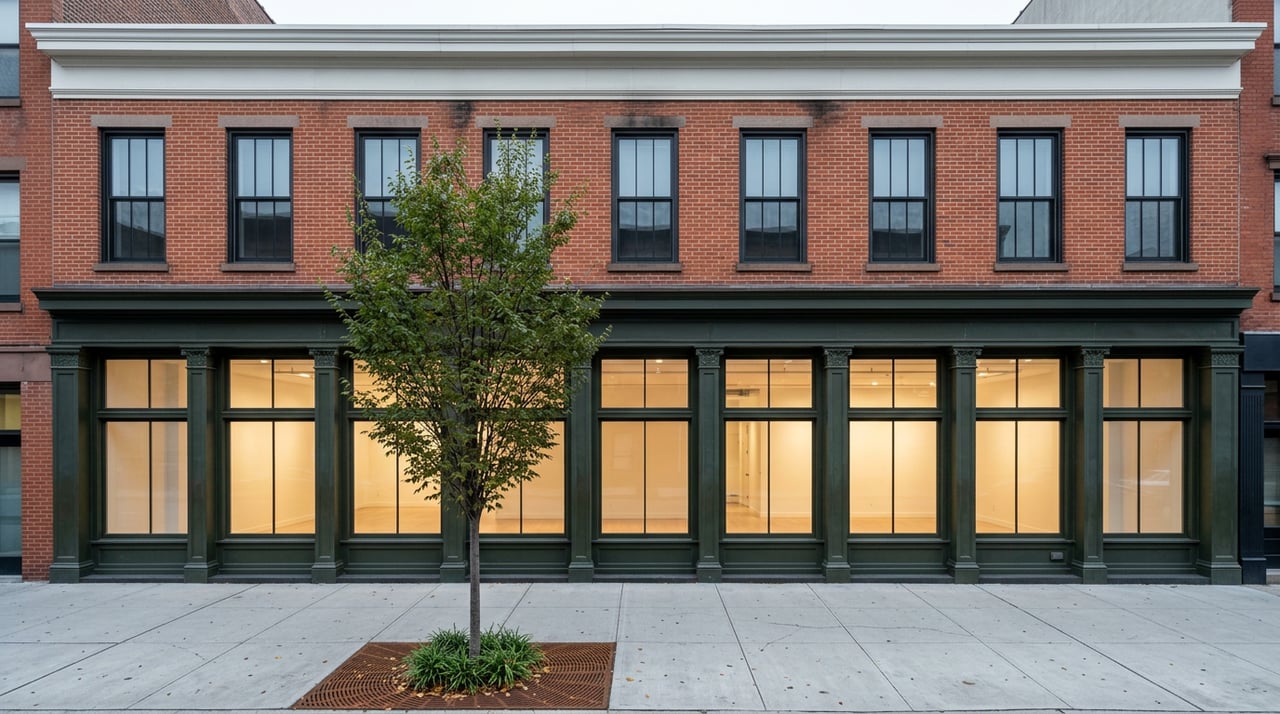
Chelsea remains one of Manhattan’s major art hubs, with a strong concentration of galleries mainly around 18th to 28th Streets between 10th and 11th Avenues. NYC Planning has described West Chelsea as the city’s premier gallery district, with galleries and art-related uses occupying former garages and warehouses.
That gallery presence shapes how the neighborhood feels. You are not just near art in the abstract. In many parts of West Chelsea, art is part of the street-level experience, which gives the area a more visual, design-aware atmosphere than many other residential pockets downtown.
The gallery hours also tell you something useful about lifestyle. David Zwirner on West 20th Street is open Monday through Friday, 10 a.m. to 6 p.m.; Dia Chelsea on West 22nd Street is open Wednesday through Saturday, noon to 6 p.m.; Pleiades Gallery on West 27th Street is open Tuesday through Saturday, noon to 6 p.m.; and First Street Gallery on West 27th Street is open Wednesday through Saturday, 11 a.m. to 6 p.m.
In practical terms, Chelsea’s art scene is easiest to enjoy during the day or after work rather than late at night. If that cadence fits how you live, it can make the neighborhood feel especially rewarding on an ordinary weekday.
Design retail and market convenience
Chelsea Market adds another layer to the neighborhood’s appeal. It supports the food-and-shopping loop from morning through evening, which is useful if you want convenience without sacrificing character.
Current official listings include dining options such as The Lobster Place, Cull & Pistol, and Los Mariscos. The retail mix also leans into design and gifting, with stores such as Anthropologie, MUJI, Fishs Eddy, and Posman Books.
That combination helps explain Chelsea’s broader appeal. If you enjoy neighborhoods where errands, casual dining, and browsing can happen in the same outing, Chelsea offers that in a way that feels polished but still active.
Chelsea housing offers two identities
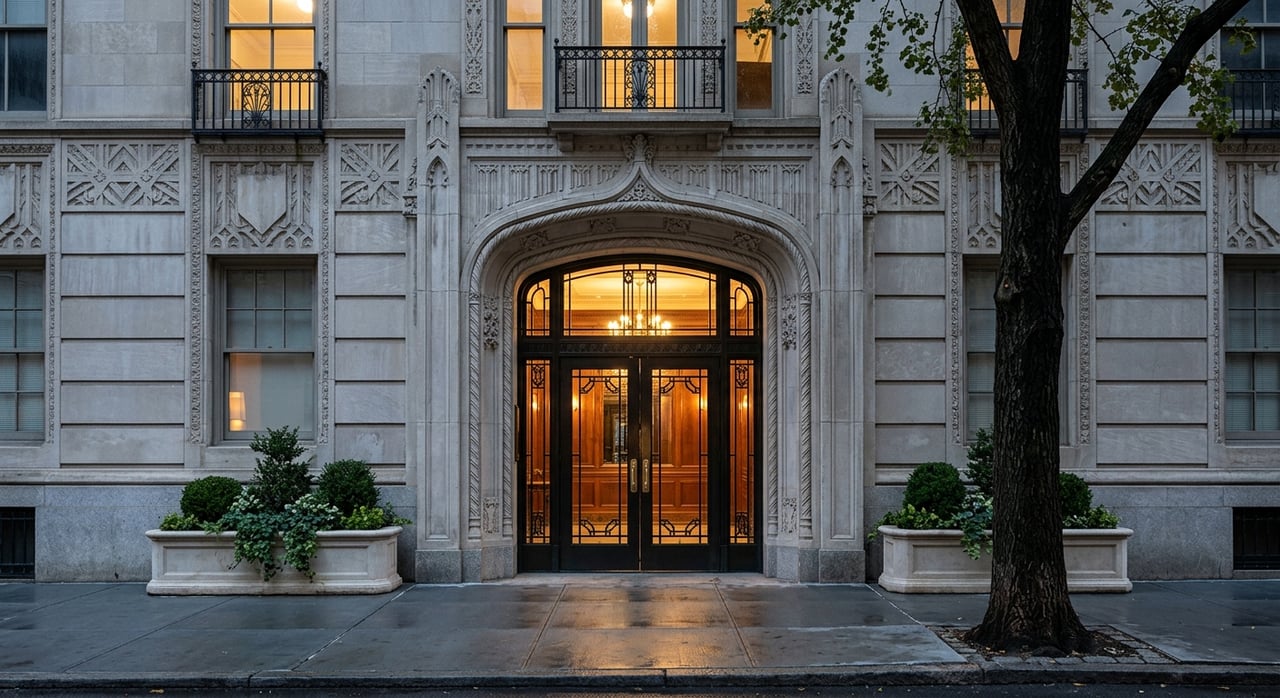
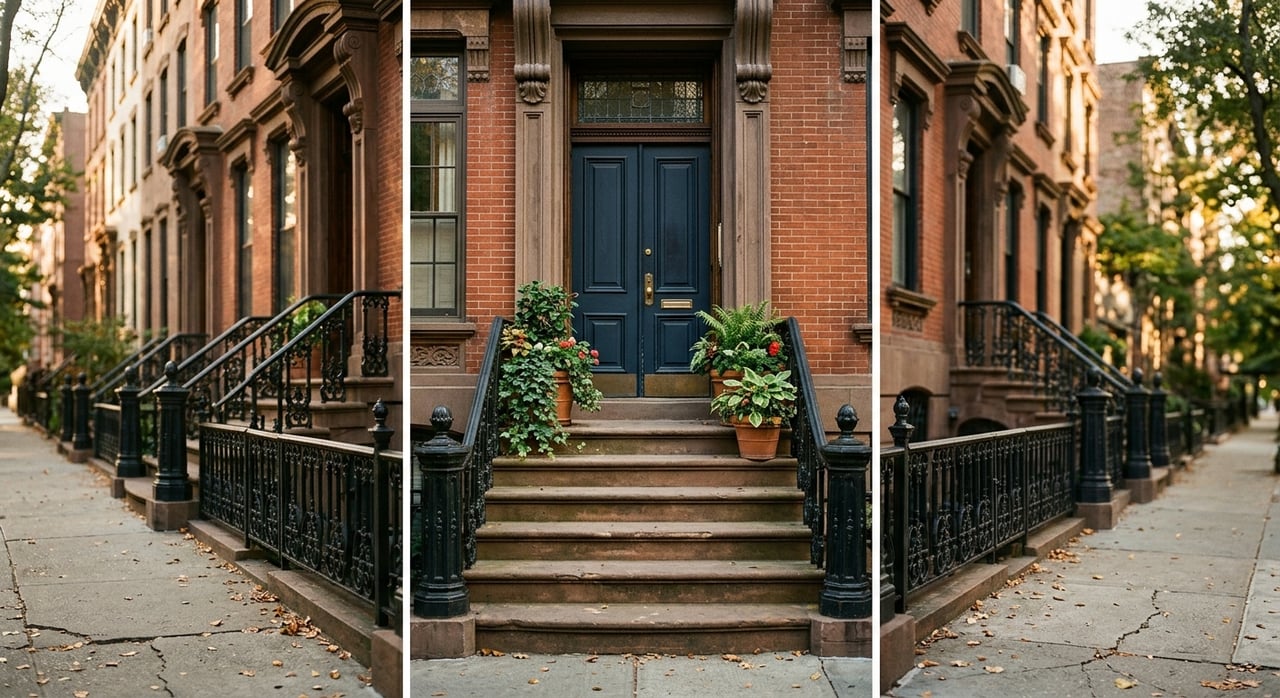
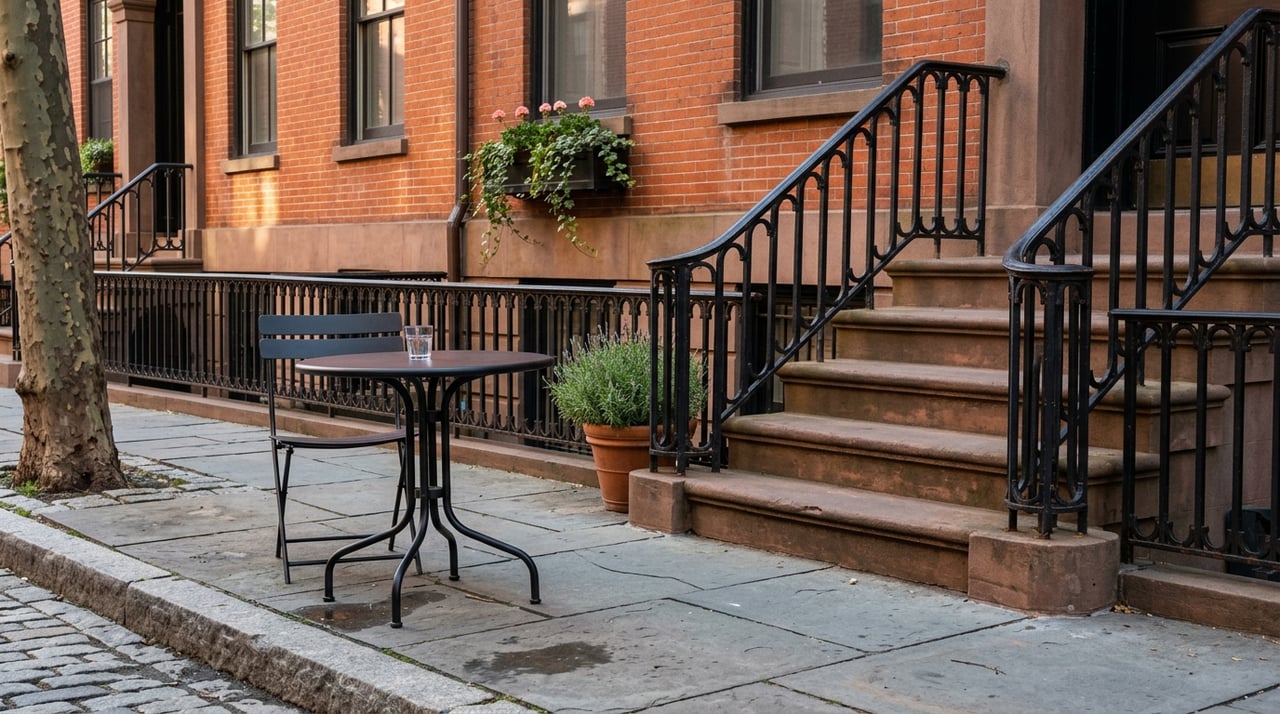
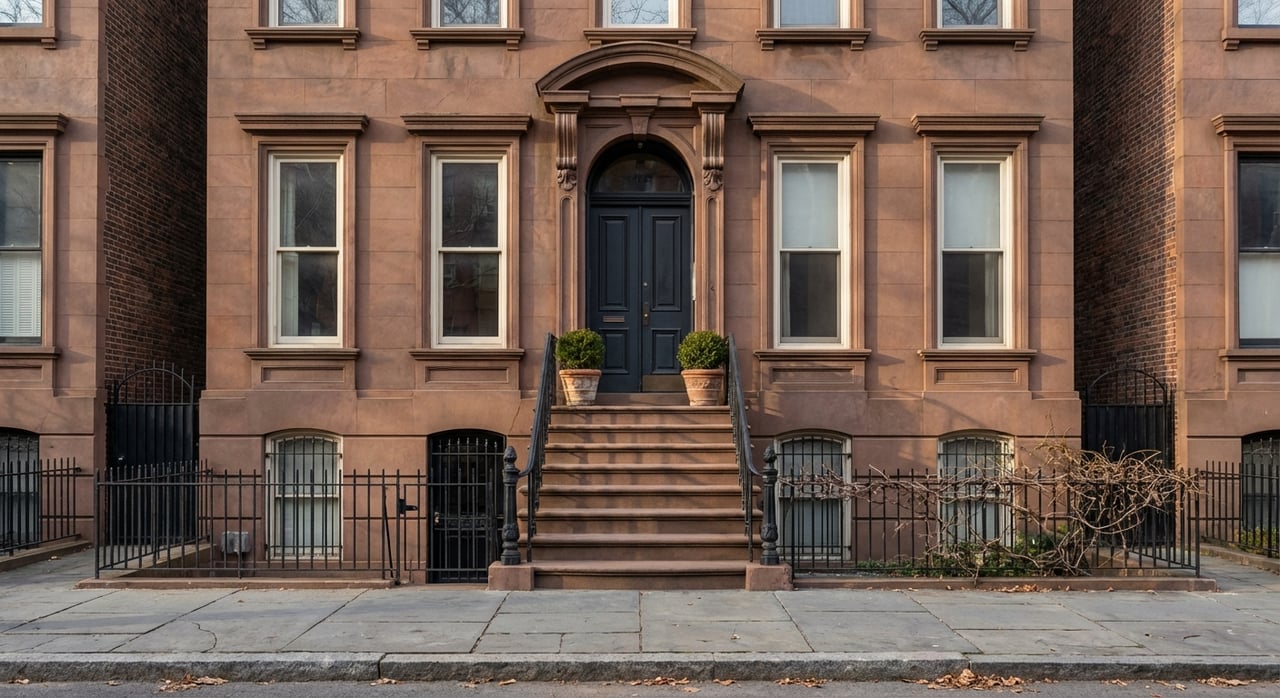
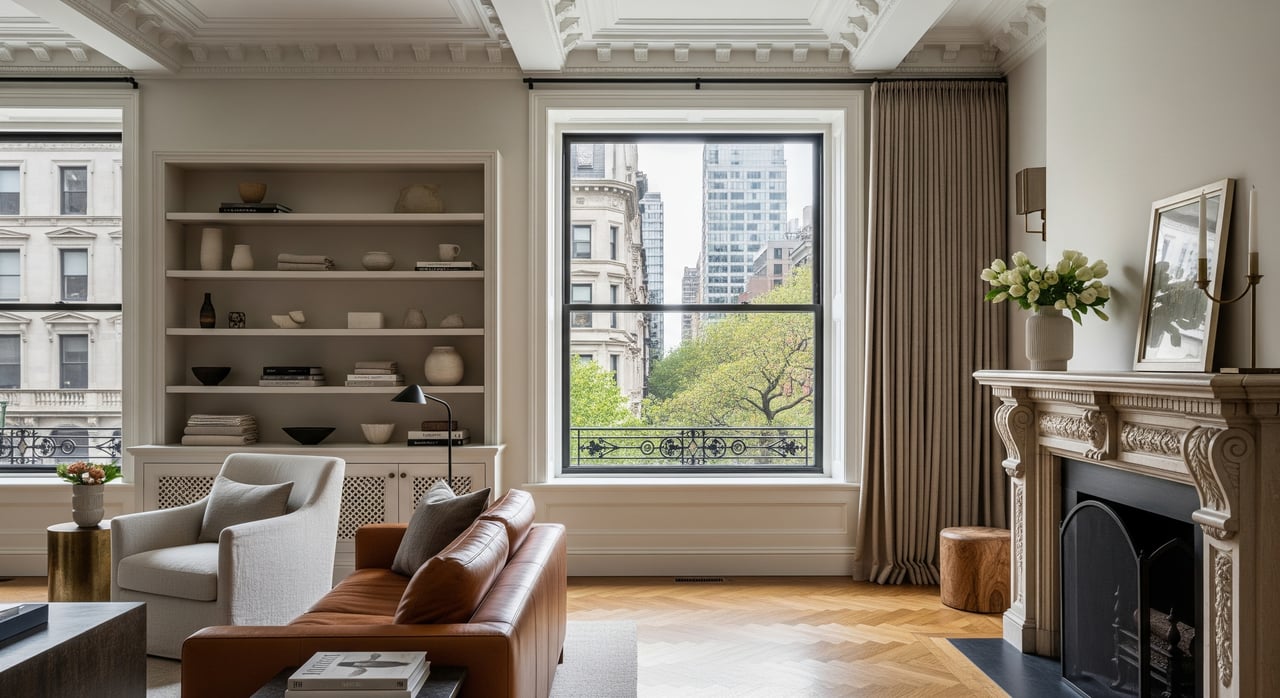
Chelsea’s housing stock is one of its biggest strengths because it offers real variety. NYC Planning describes the neighborhood as having low-rise brownstones and townhouses, luxury converted lofts, mid- to high-rise apartment buildings, condominiums and cooperatives, and walk-up tenements.
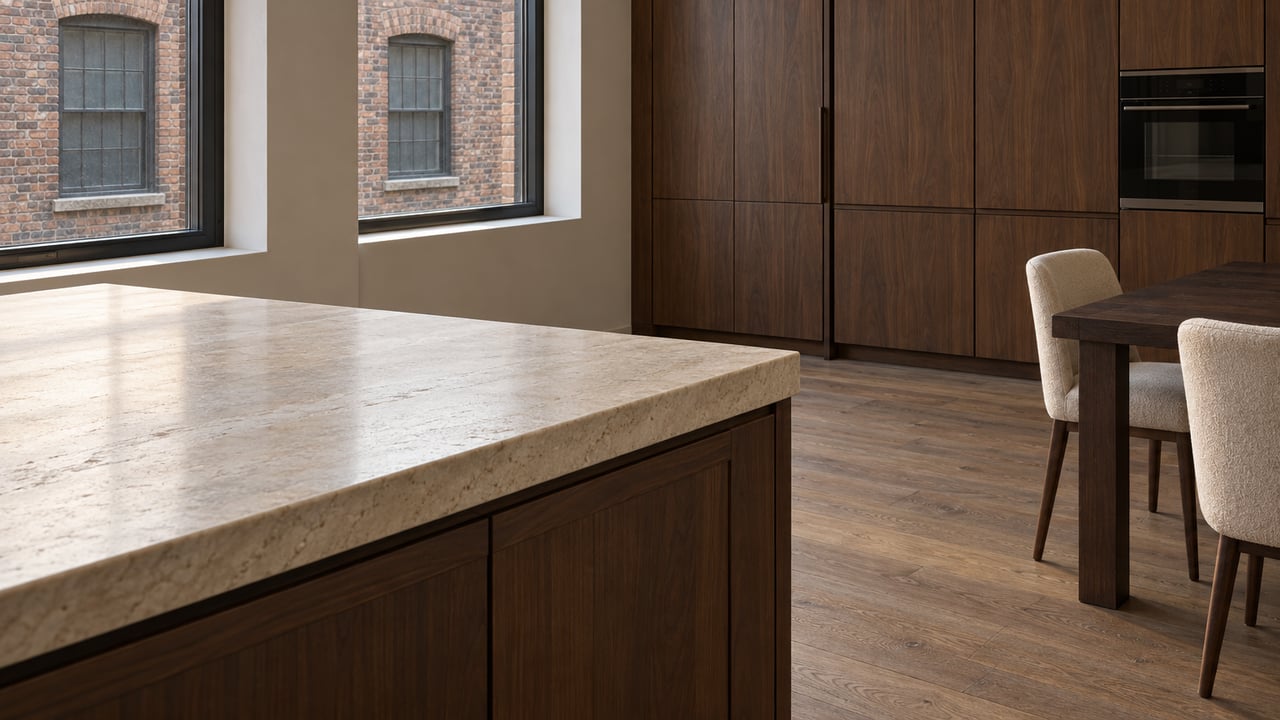
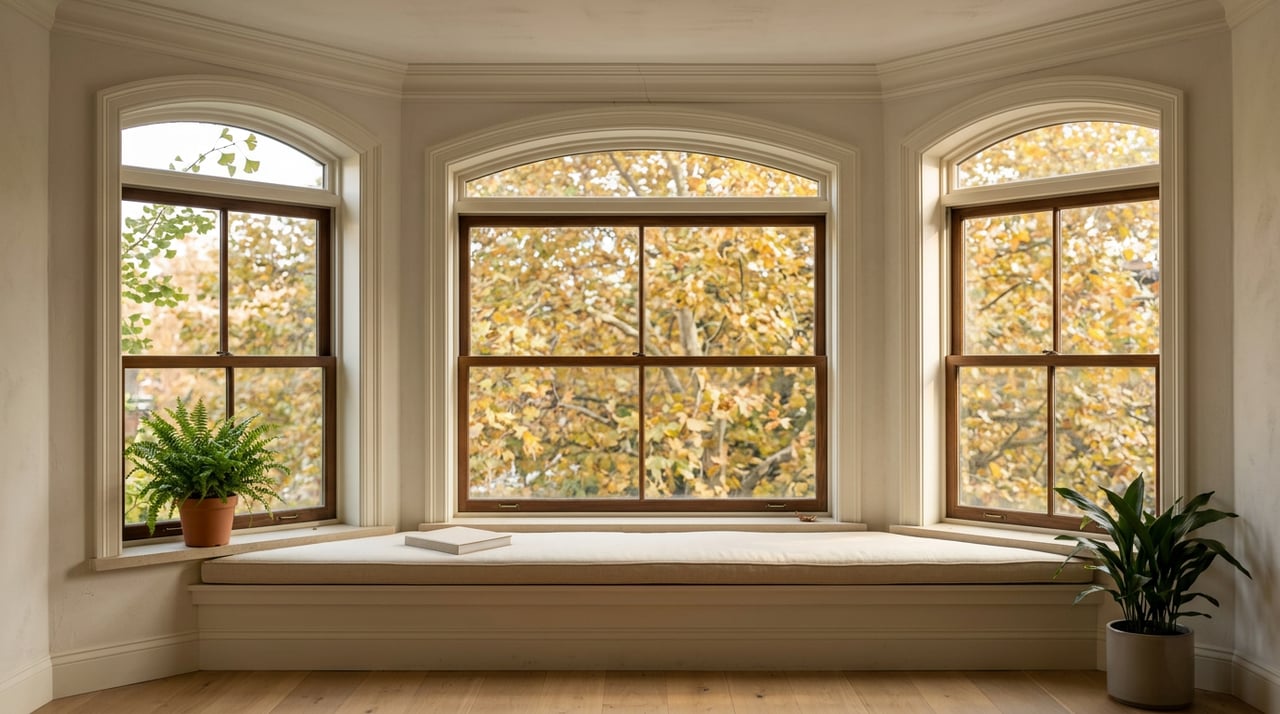
For a buyer, that means Chelsea is less about one fixed look and more about choosing the kind of living experience that fits you. Some homes offer historic texture and older industrial character, while others deliver a more turnkey, service-oriented condo lifestyle.
A useful way to think about Chelsea is through two parallel housing identities:
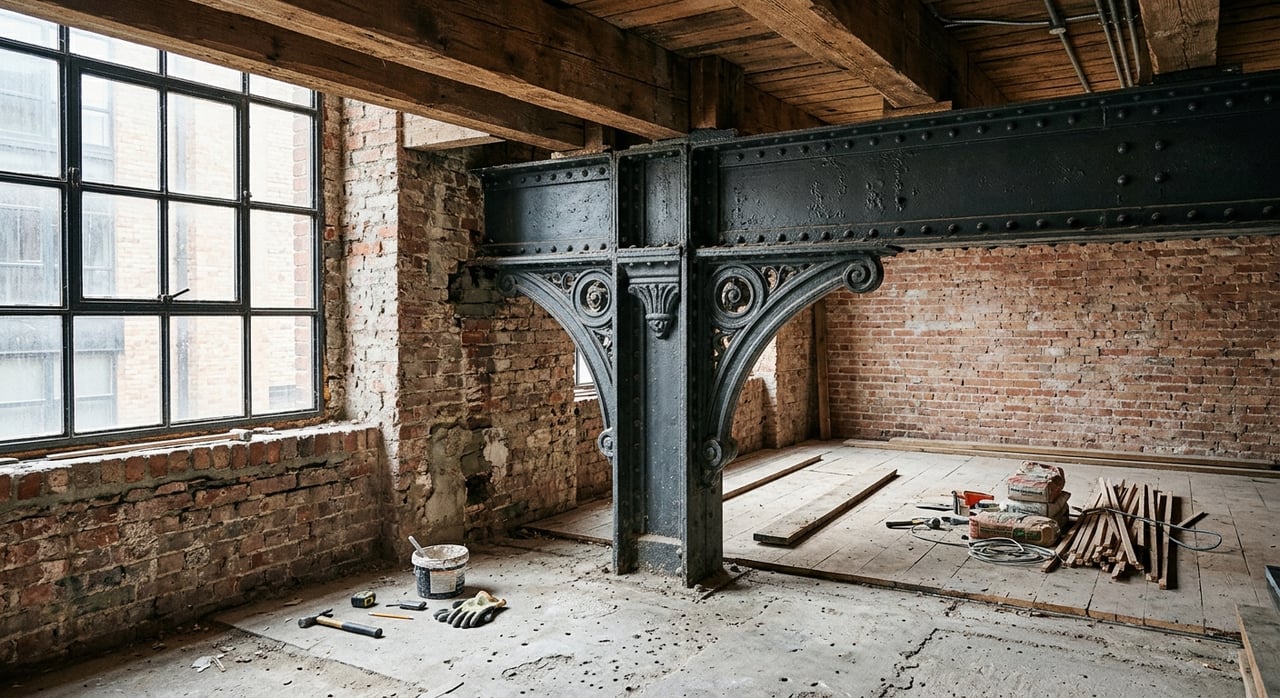
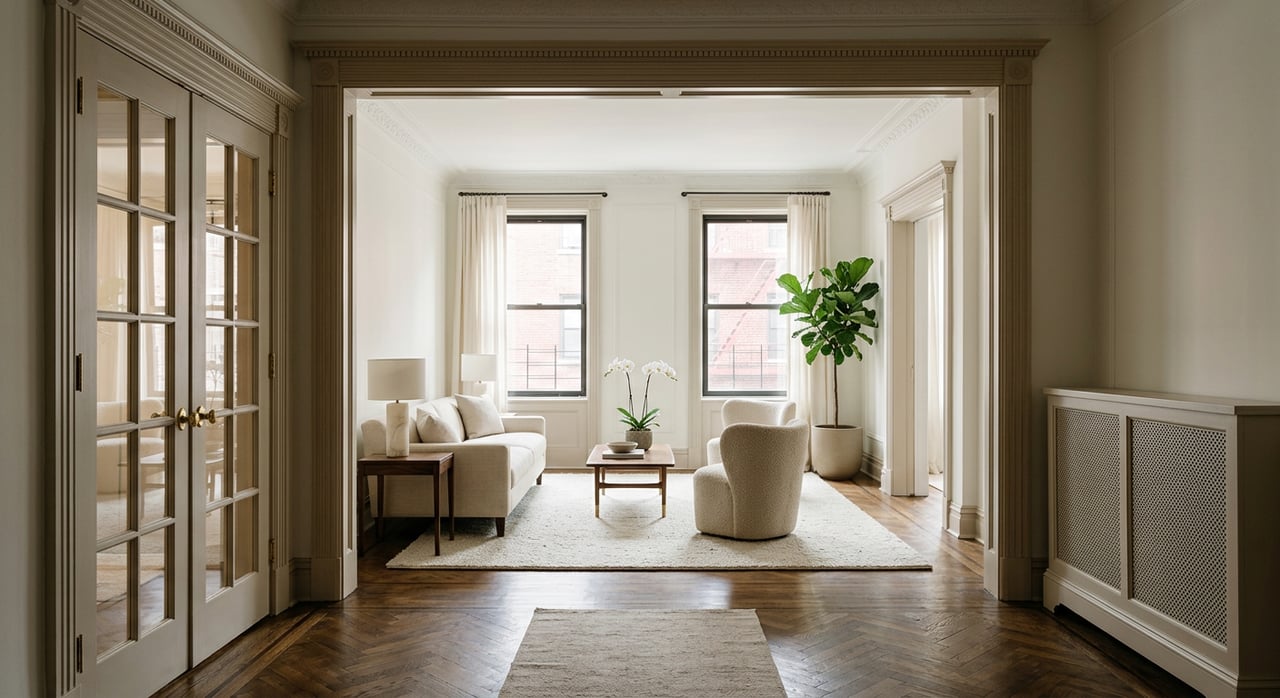
- Older conversions and prewar stock for buyers who want texture, scale, and architectural character
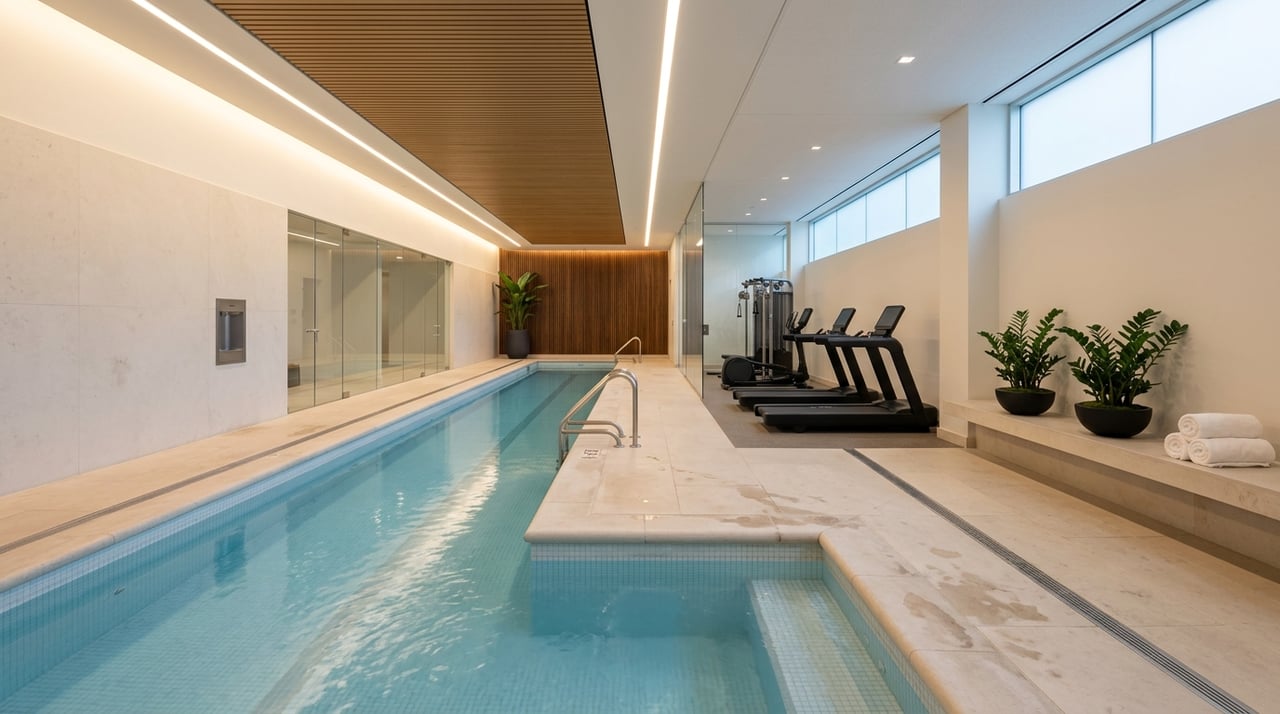
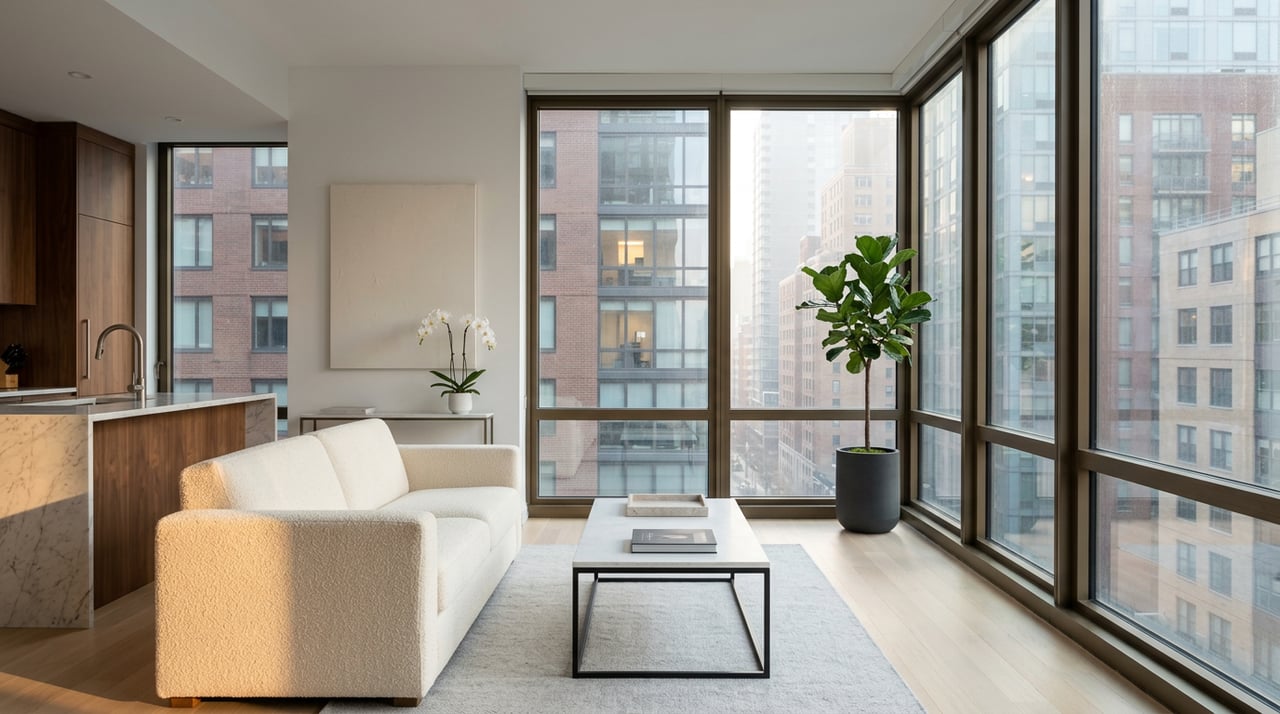
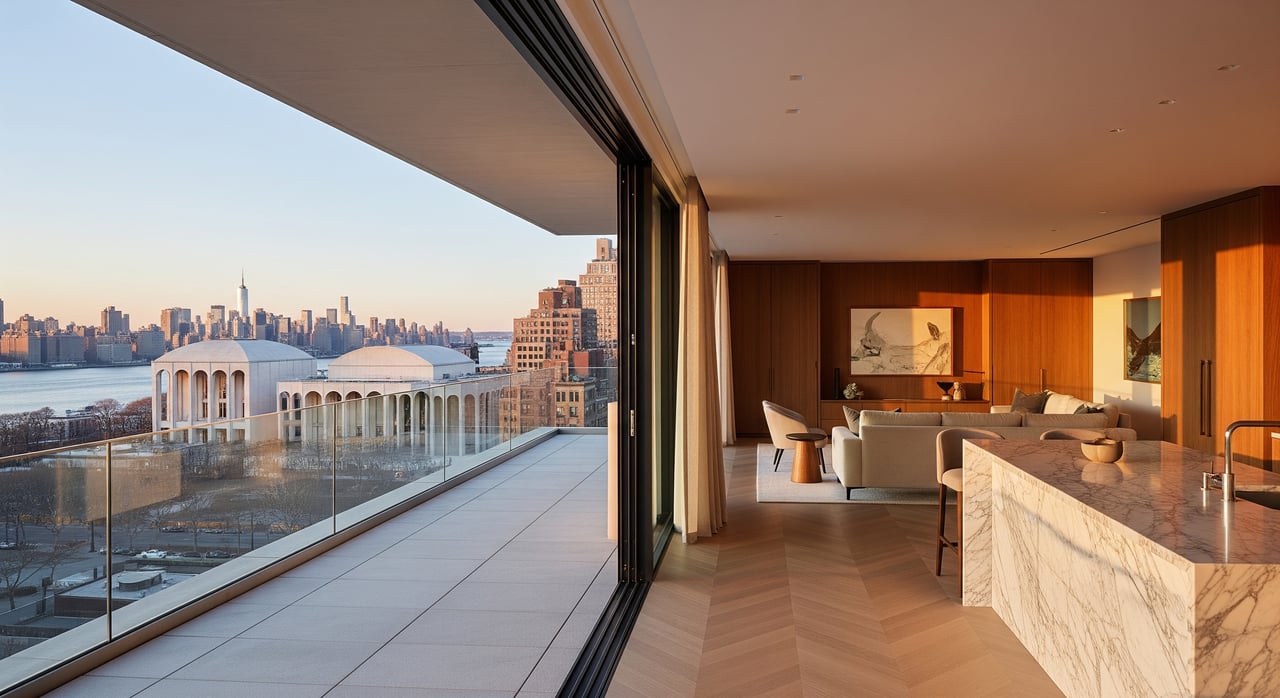
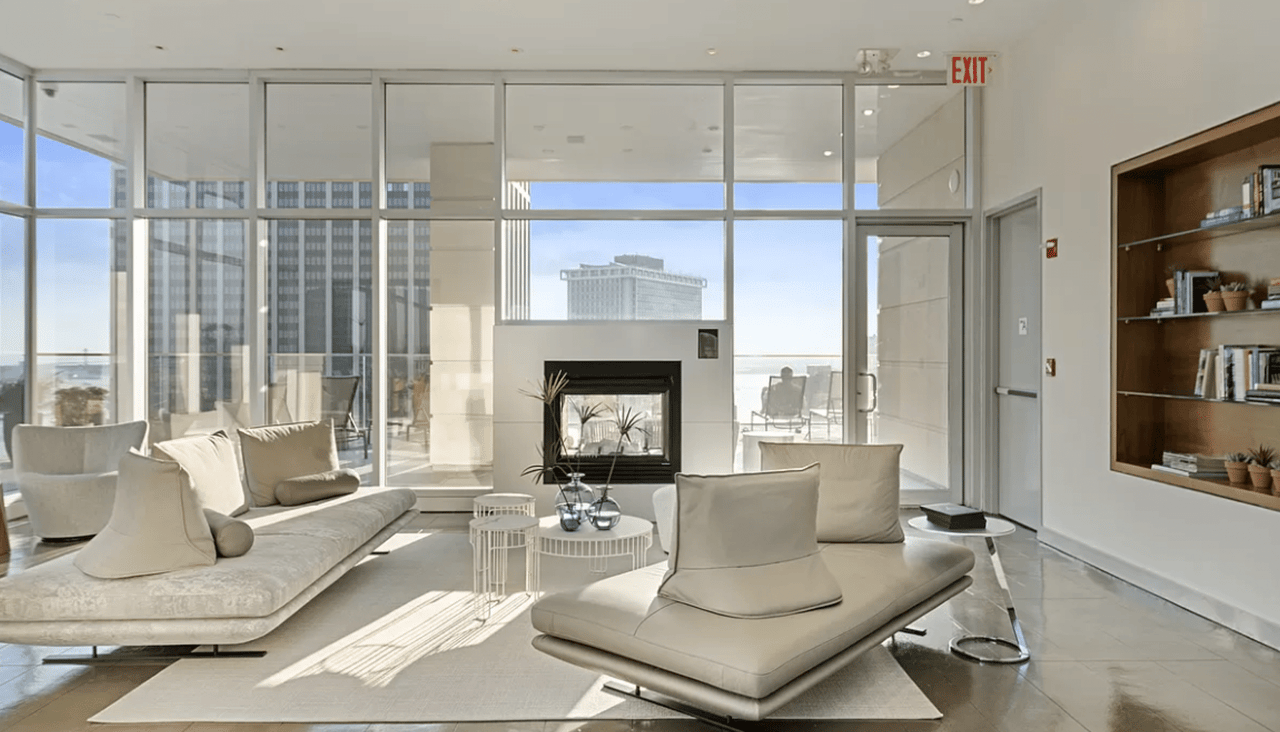
- Newer condominium buildings for buyers who want amenities, elevator service, and a more streamlined move-in experience
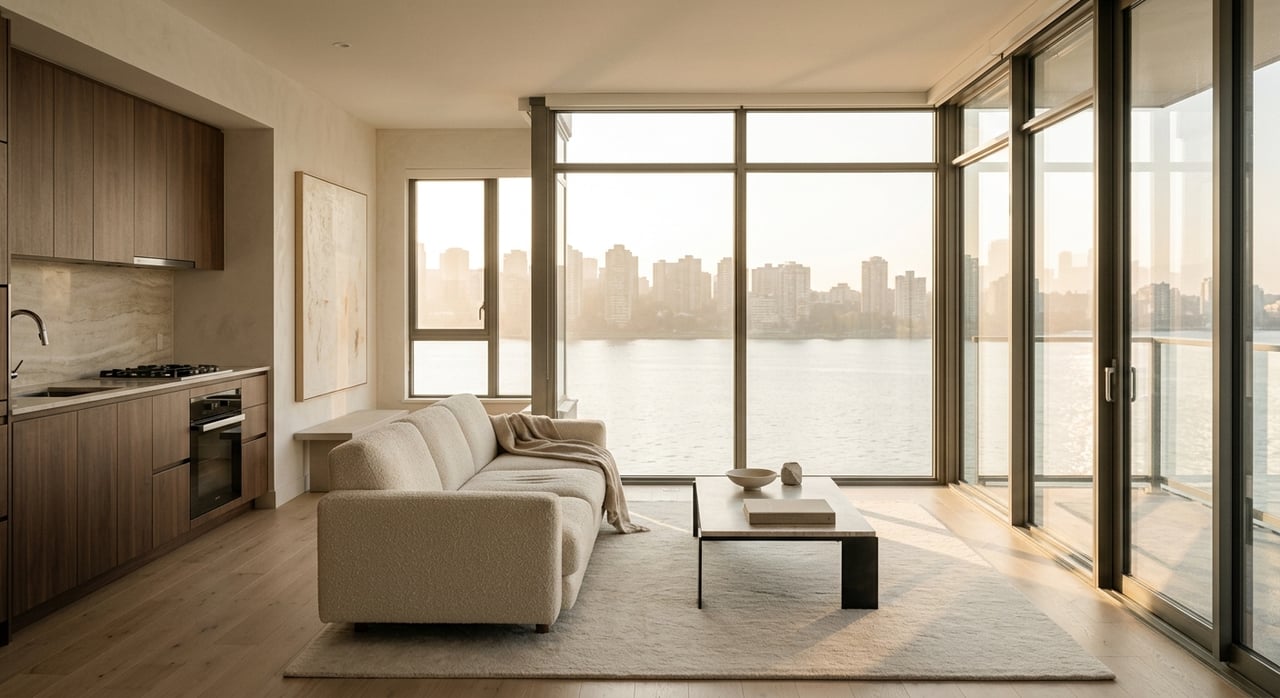
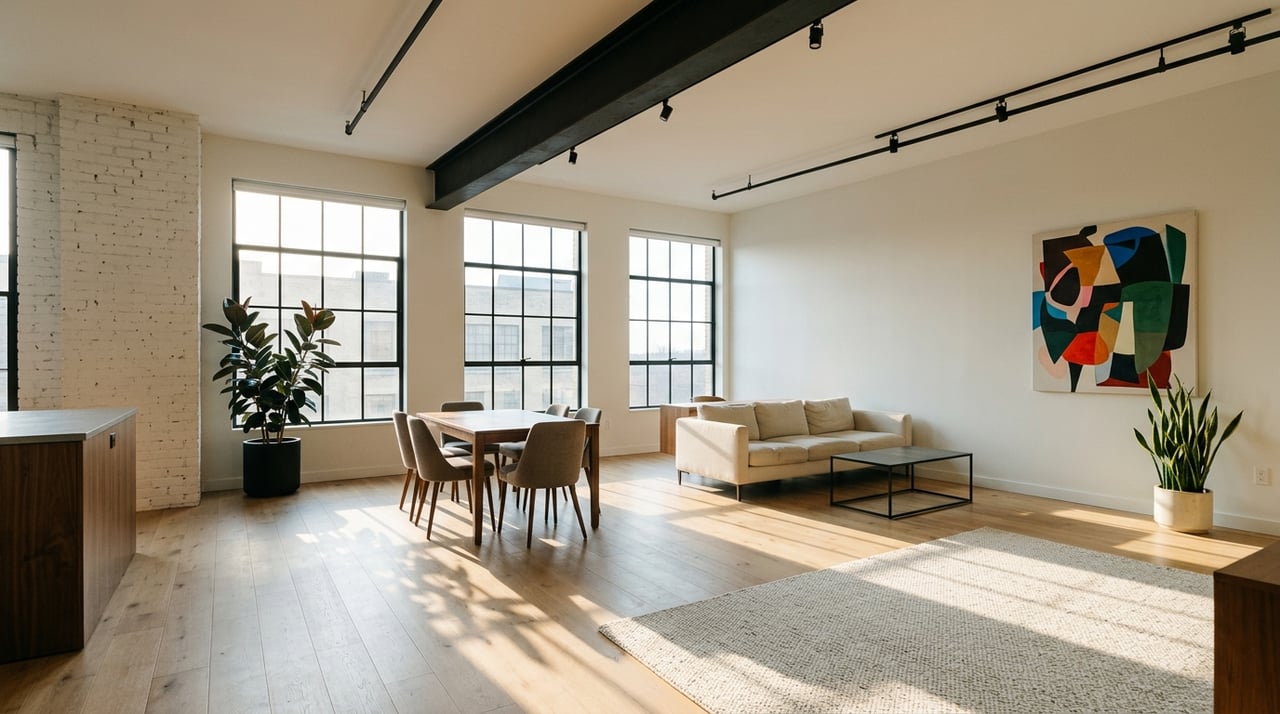
That range gives Chelsea unusual flexibility. You can search for loft-like volume and original character, or focus on newer full-service residences that align with a more lock-and-leave lifestyle.
The appeal of Chelsea lofts
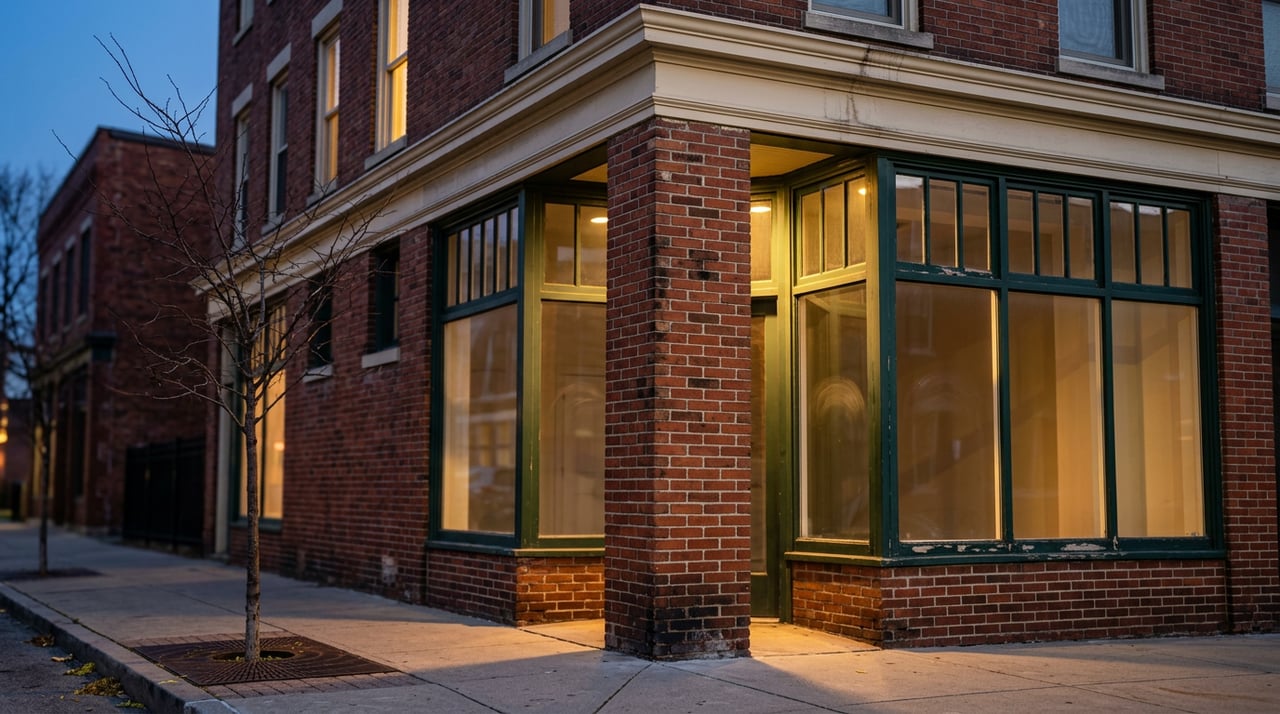
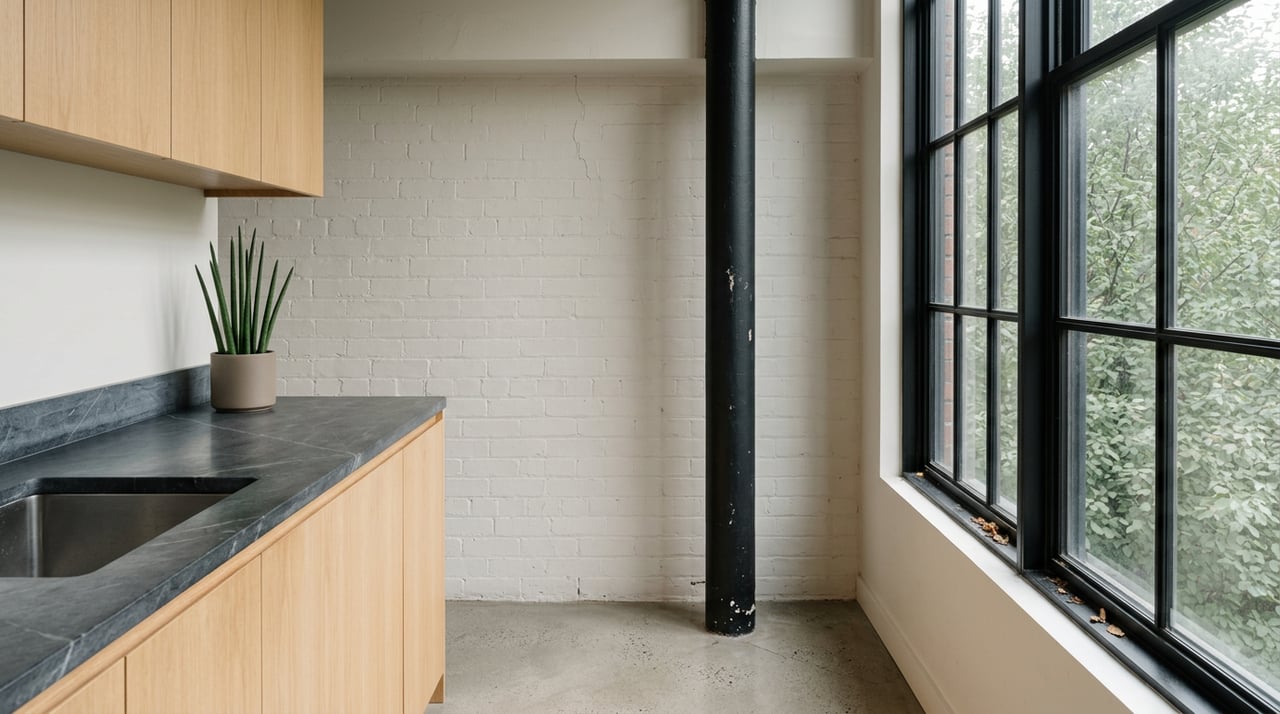
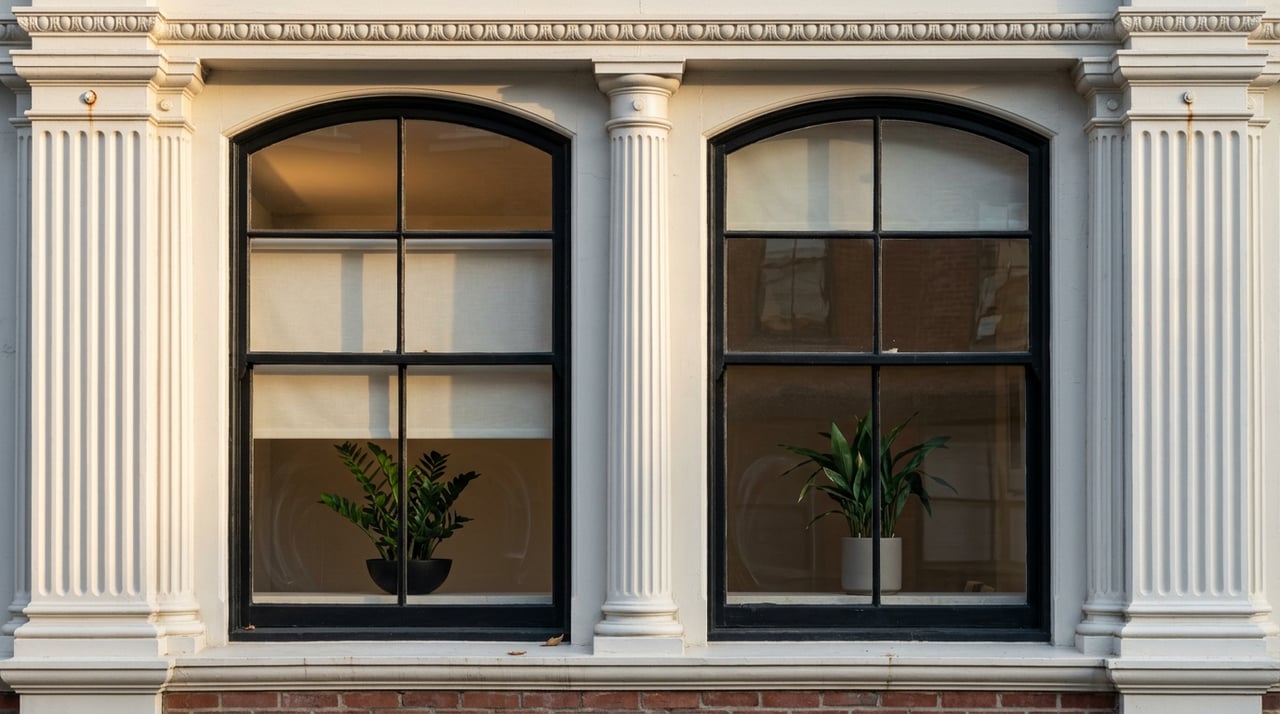
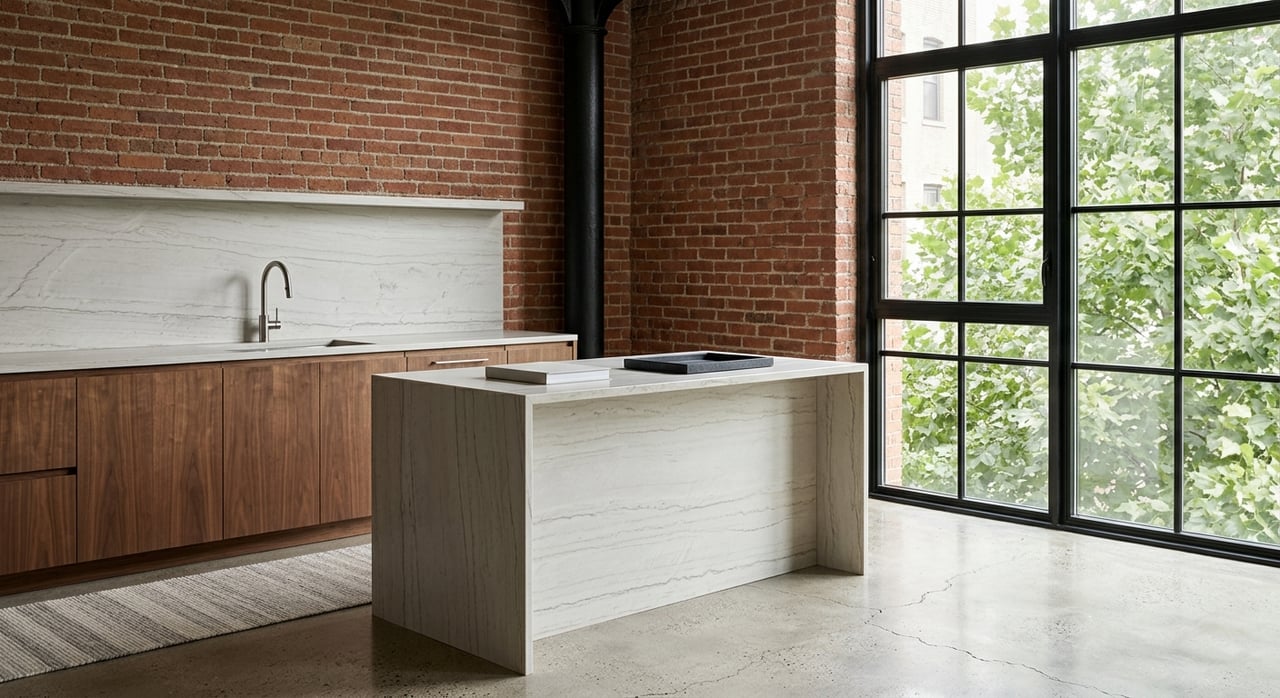
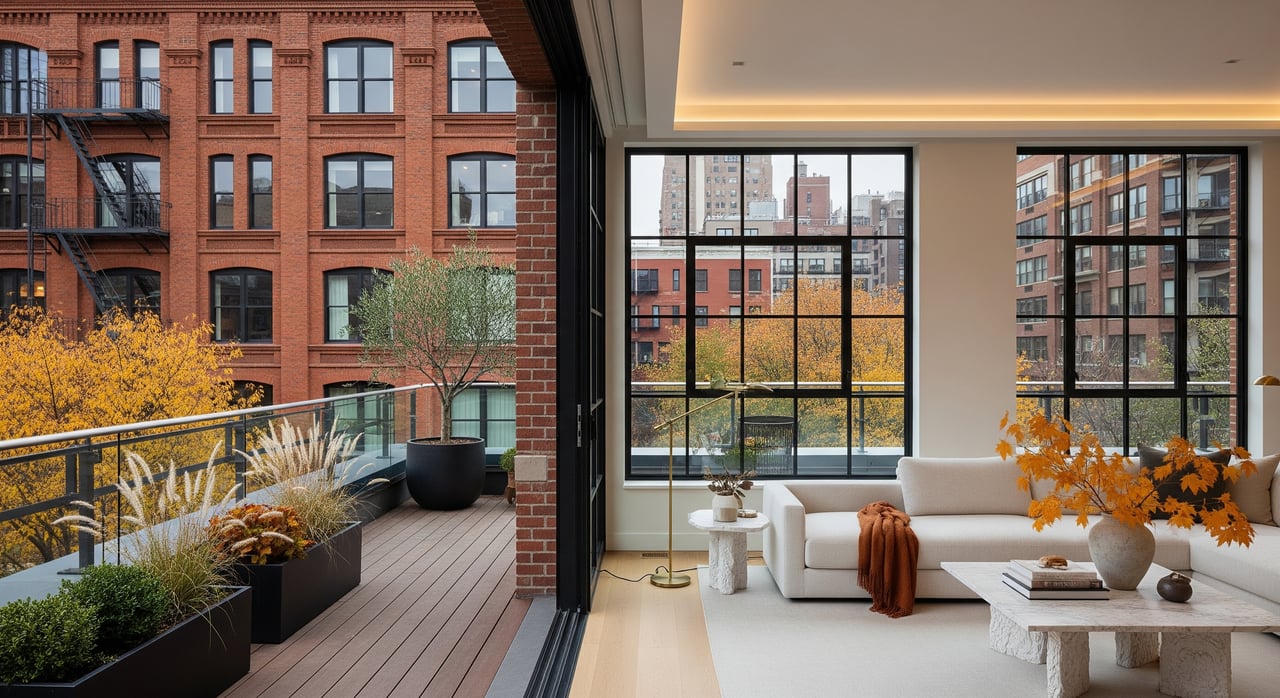
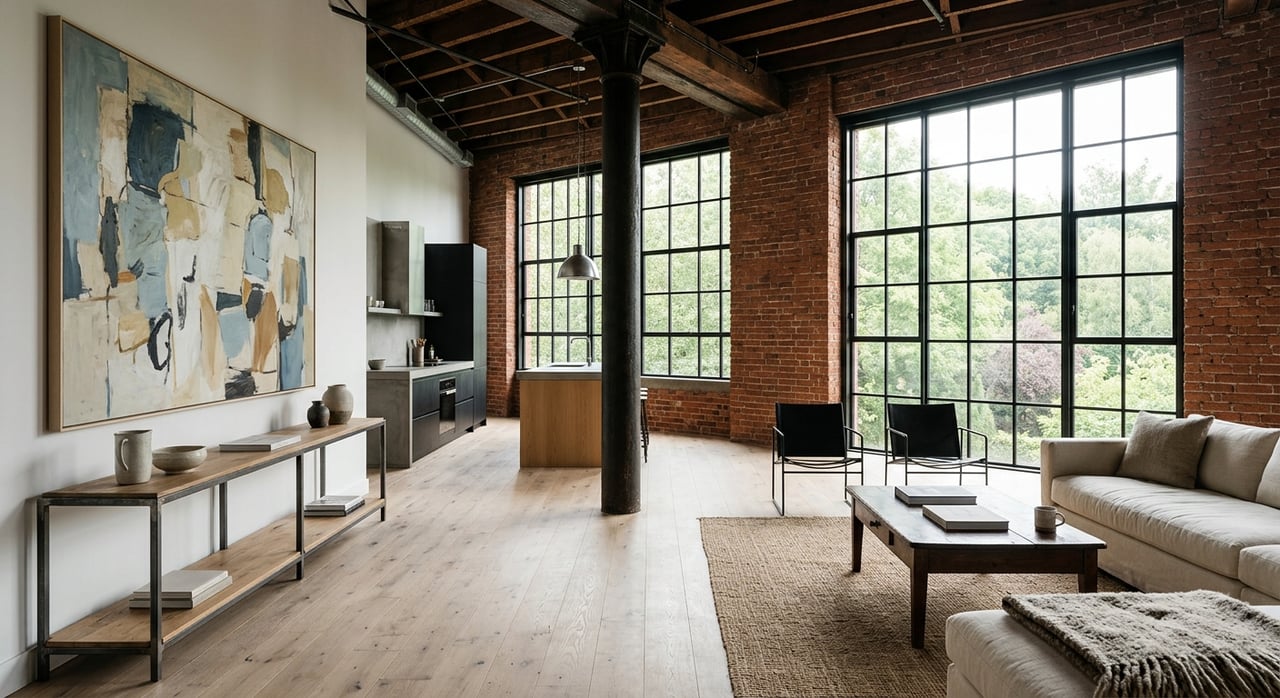
Chelsea’s loft story is still one of the neighborhood’s clearest draws. Converted industrial buildings help define the area’s visual identity, especially in West Chelsea, where former warehouses and garages became part of the gallery and residential fabric.
Loft 25 at 420 West 25th Street offers a useful example. StreetEasy lists it as a 1912 condo building in West Chelsea with 79 units and 9 stories, with residences ranging from studios to three-bedrooms, plus garden duplexes and penthouses.
That kind of building helps illustrate classic Chelsea loft appeal. You get older industrial bones and a sense of architectural texture, but often within a condominium ownership structure that can feel more practical for today’s buyer.
New condos shape West Chelsea
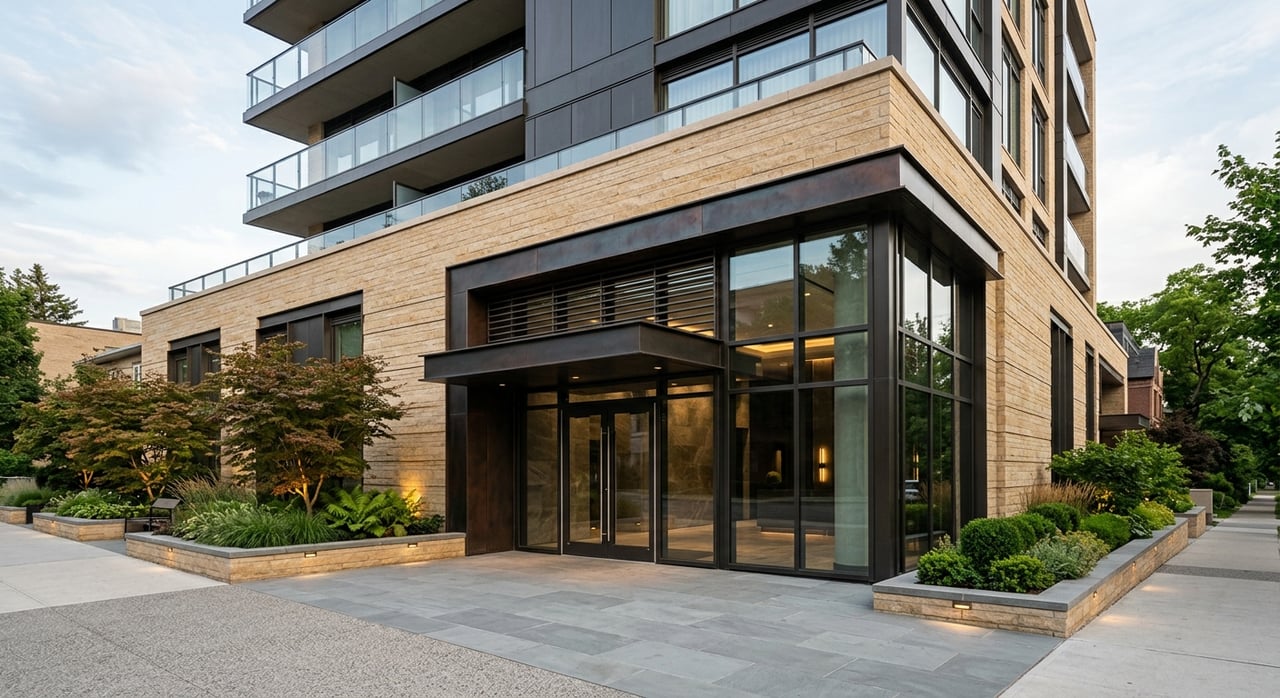
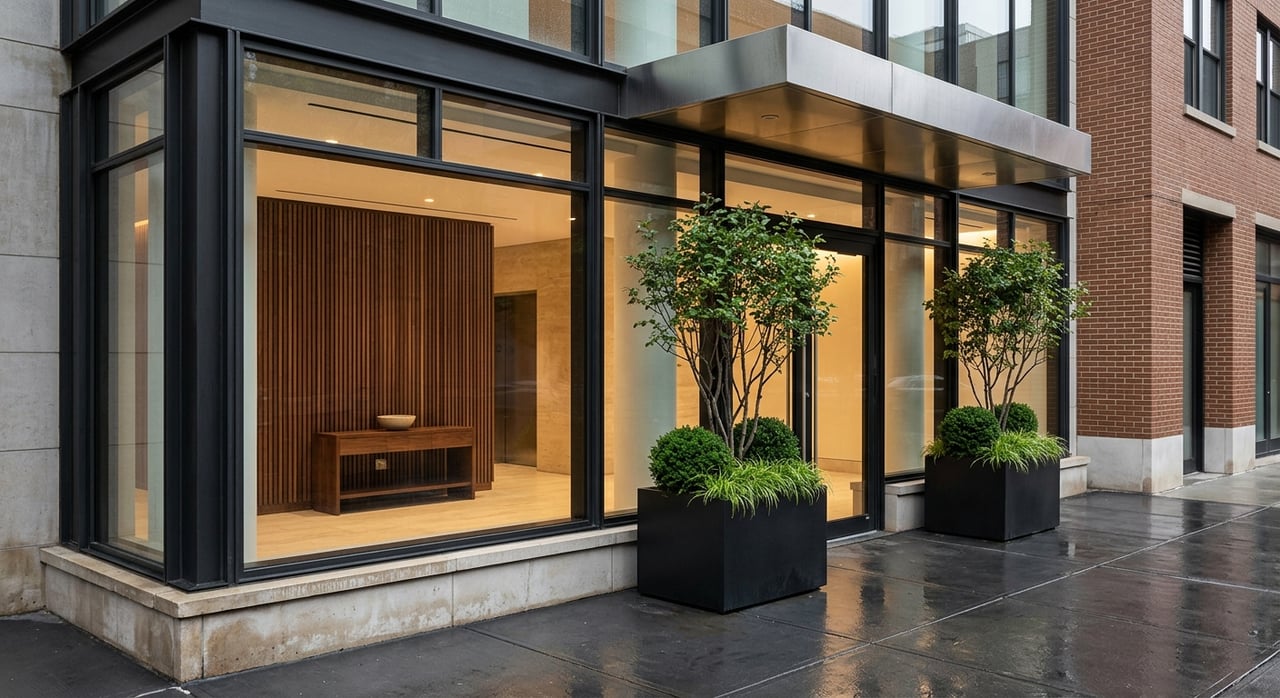
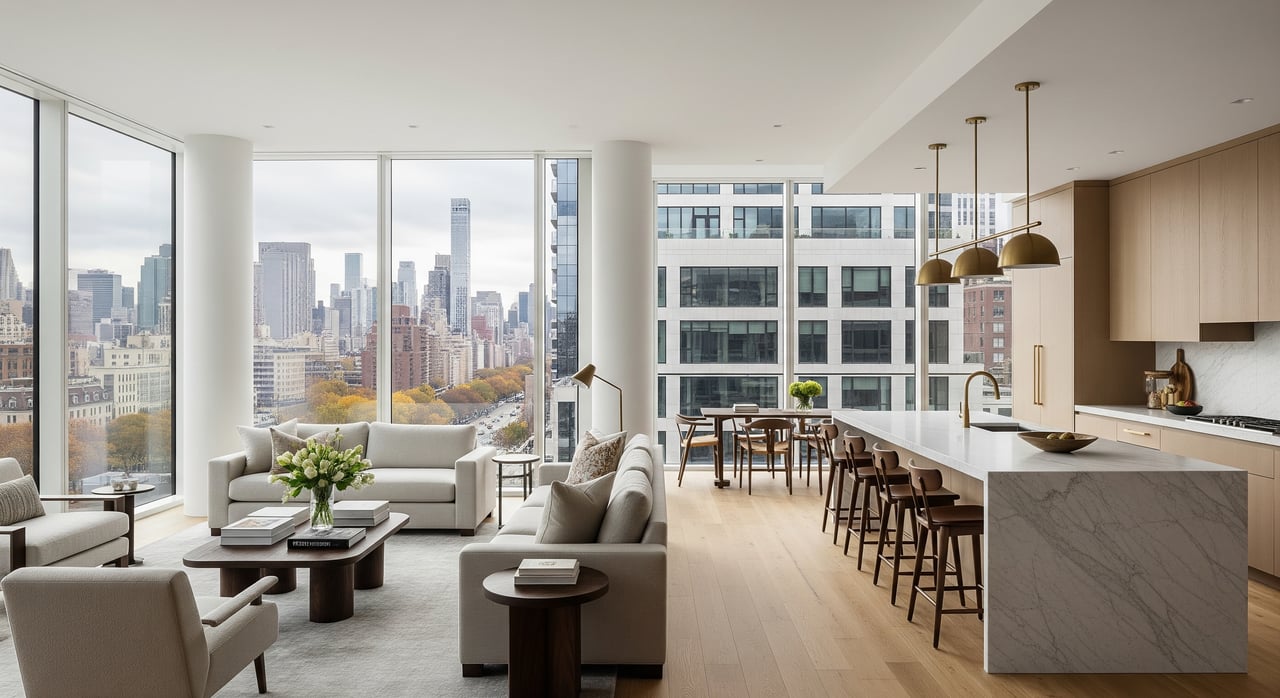
Chelsea also has a substantial new-development and boutique-condo layer. StreetEasy currently lists 176 condo or condop buildings in Chelsea, including newer examples such as One High Line at 500 West 18th Street, Lantern House at 515 West 18th Street, Linea at 428 West 19th Street, and The Cortland at 555 West 22nd Street.
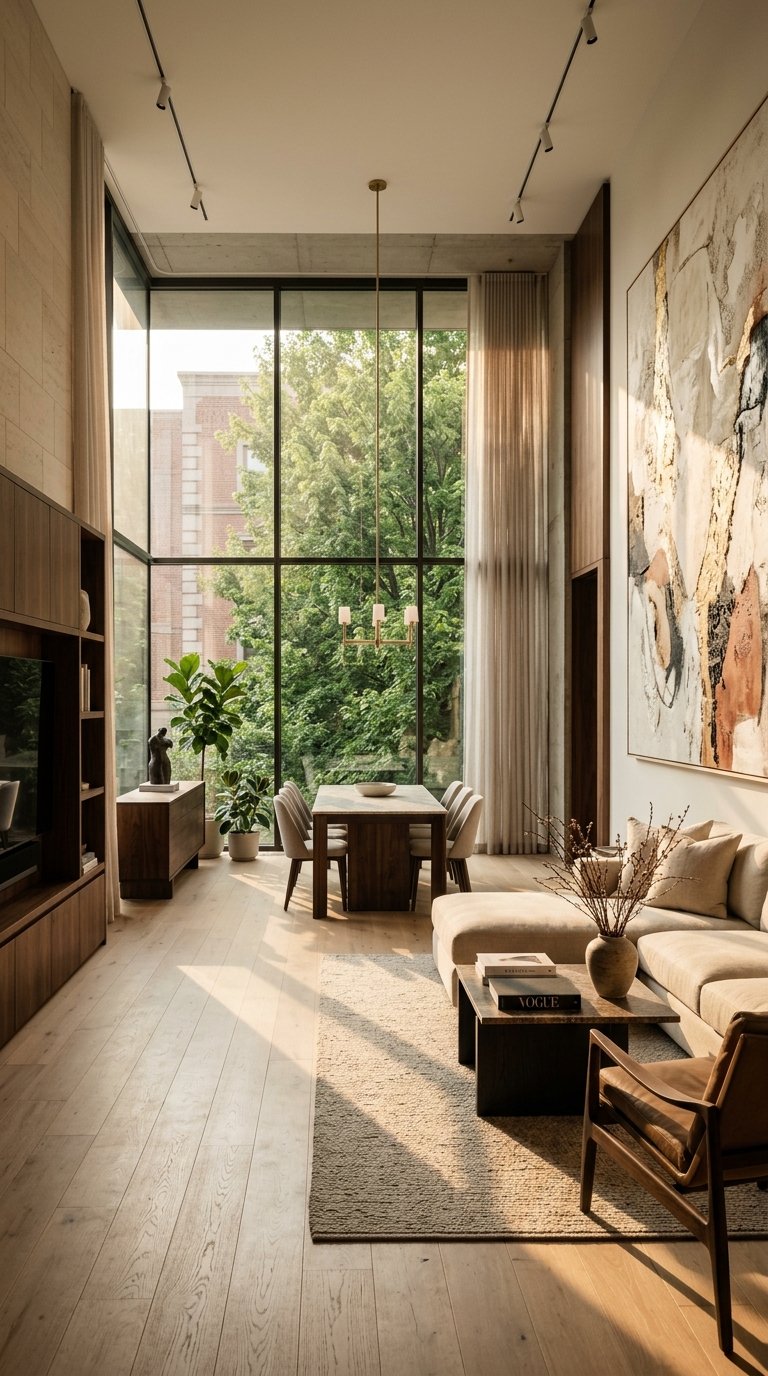
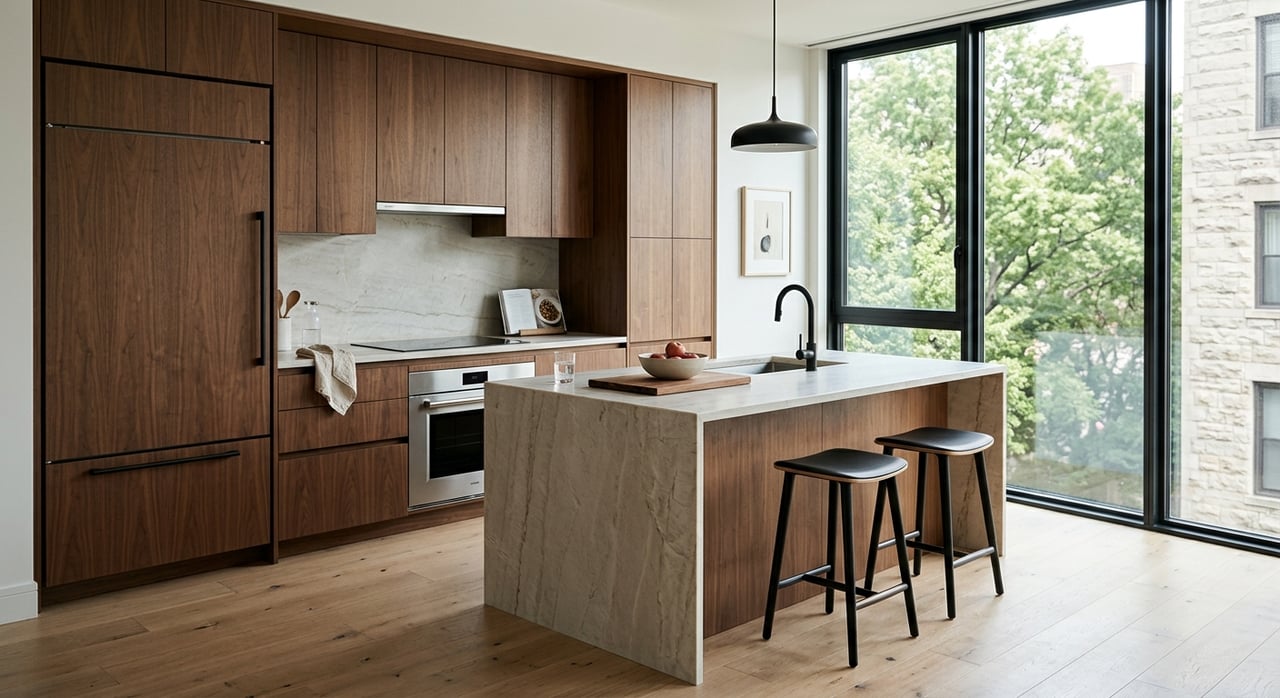
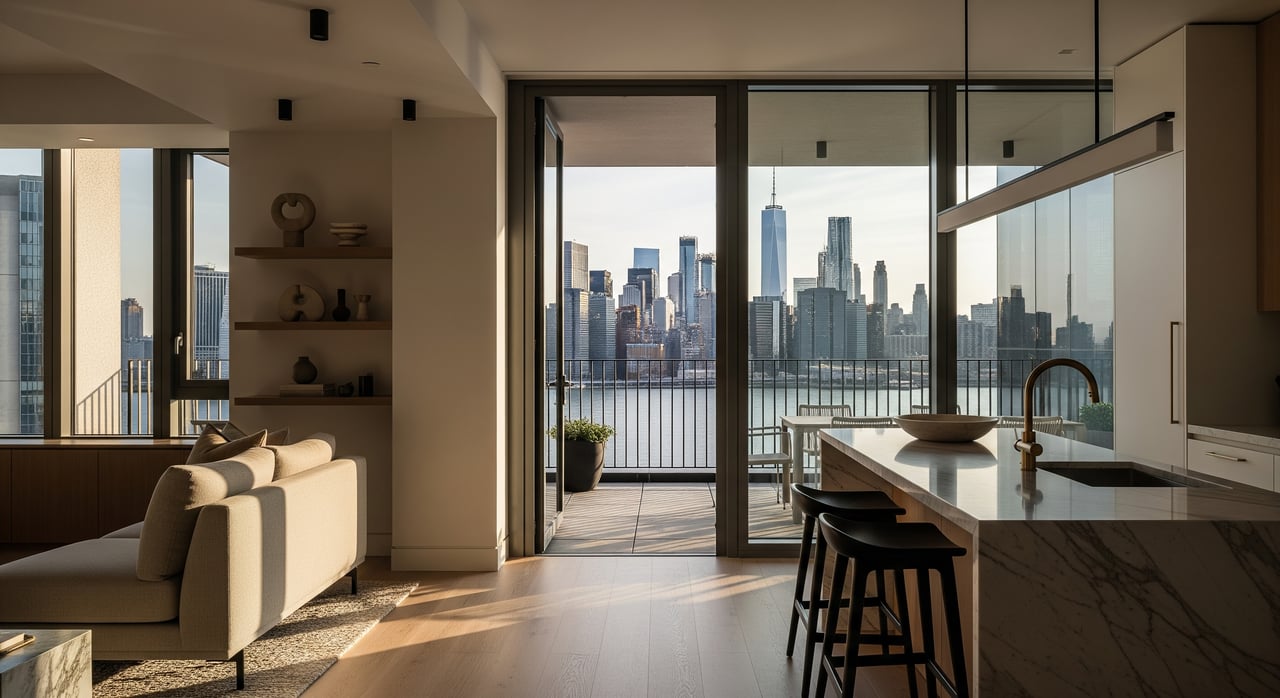
This newer inventory is especially important if you are focused on finishes, amenities, and a more contemporary residential experience. In West Chelsea, that inventory often clusters near the High Line, which puts modern buildings close to the park, galleries, and design-oriented retail.
There is also a meaningful difference between boutique scale and larger full-service living. A 32-unit building like Linea or a 57-unit building like 100 Eleventh Avenue offers a different experience from larger buildings such as Chelsea Mercantile with 352 units or Chelsea Stratus with 202 units.
If your priorities include privacy, service level, or building atmosphere, those details matter. Chelsea gives you the chance to compare those formats within the same broader neighborhood story.
Who Chelsea fits best
Chelsea is strongest for buyers who want their home base connected to culture and movement. If you like the idea of stepping out to a park, browsing galleries during the day, and folding design-focused retail into your weekly routine, the neighborhood delivers on that promise.
It can be especially compelling if you are choosing between loft character and architecturally distinct newer condos. Chelsea gives you both, often within a short distance of the High Line corridor that anchors so much of the neighborhood’s energy.
At the same time, Chelsea is less suited to buyers looking for a very quiet, inward-facing residential setting with limited foot traffic. The concentration of destination uses around the High Line, galleries, and Chelsea Market brings steady daily visitors, which is part of the neighborhood’s appeal but also part of its reality.
How to think about Chelsea strategically
If you are evaluating Chelsea as a primary home, second home, or investment-minded purchase, it helps to begin with the micro-location. The West Chelsea and High Line axis is the clearest frame because it concentrates the neighborhood’s art identity, design retail, and much of its newer condo inventory.
From there, your decision often comes down to what you value most. Do you want older scale and texture, or do you want newer systems and amenities? Do you prefer boutique intimacy, or a larger full-service building with a broader amenity package?
Those are the kinds of questions that shape a smart search in Chelsea. In a neighborhood with this much variety, a focused strategy can help you match lifestyle goals with the right block, building type, and ownership structure.
Chelsea rewards buyers who look beyond labels and pay attention to how they want to live day to day. If you want a Manhattan neighborhood where art, design, and public space are part of your weekly rhythm, Chelsea remains one of the city’s most distinctive options.
For discreet, highly tailored guidance on Chelsea condominiums, lofts, and downtown Manhattan opportunities, request a consultation with Luca Paci.
FAQs
What makes Chelsea, Manhattan appealing for art-focused living?
- Chelsea stands out for its concentration of galleries, especially around 18th to 28th Streets between 10th and 11th Avenues, along with the West Chelsea streetscape of former warehouses and art-related uses.
How does the High Line affect daily life in Chelsea?
- The High Line offers multiple Chelsea access points from 14th through 30th Streets and is open daily from 7:00 AM to 10:00 PM, making it useful for both leisure and day-to-day neighborhood movement.
What types of homes can you find in Chelsea, NYC?
- Chelsea includes brownstones, townhouses, luxury converted lofts, mid- to high-rise apartment buildings, condominiums, cooperatives, and walk-up tenements, giving buyers a wide range of architectural styles and living formats.
Are newer condo buildings common in Chelsea?
- Yes. Chelsea has a significant condo and condop inventory, including newer developments in West Chelsea near the High Line, alongside boutique condos and larger full-service buildings.
Is Chelsea a good fit if you want a quieter residential setting?
- Chelsea may be less ideal if you want very low foot traffic, since the High Line, galleries, and Chelsea Market attract steady daily visitors and help create an active neighborhood atmosphere.