If you think the Upper East Side is one simple neighborhood, one walk across a few avenues will prove otherwise. A block near Central Park can feel formal and quiet, while a block closer to Lexington, Second, or farther east in Yorkville can shift your routine, housing options, and price point in a meaningful way. If you are trying to buy with both lifestyle and long-term value in mind, understanding those micro-differences matters. Let’s dive in.
Why block-by-block matters
The Upper East Side runs roughly from 59th to 96th Streets between Central Park and the East River, but it does not behave like one uniform market. Local market guides consistently describe it as a set of micro-markets, where values and apartment types can change quickly as you move east-west and north-south.
That means your best address is not just about being “on the Upper East Side.” It is about deciding what matters most to you in daily life, whether that is park access, transit speed, architectural character, quieter streets, or a more value-oriented entry point.
West-to-east: how the feel changes
Park, Fifth, and Madison blocks
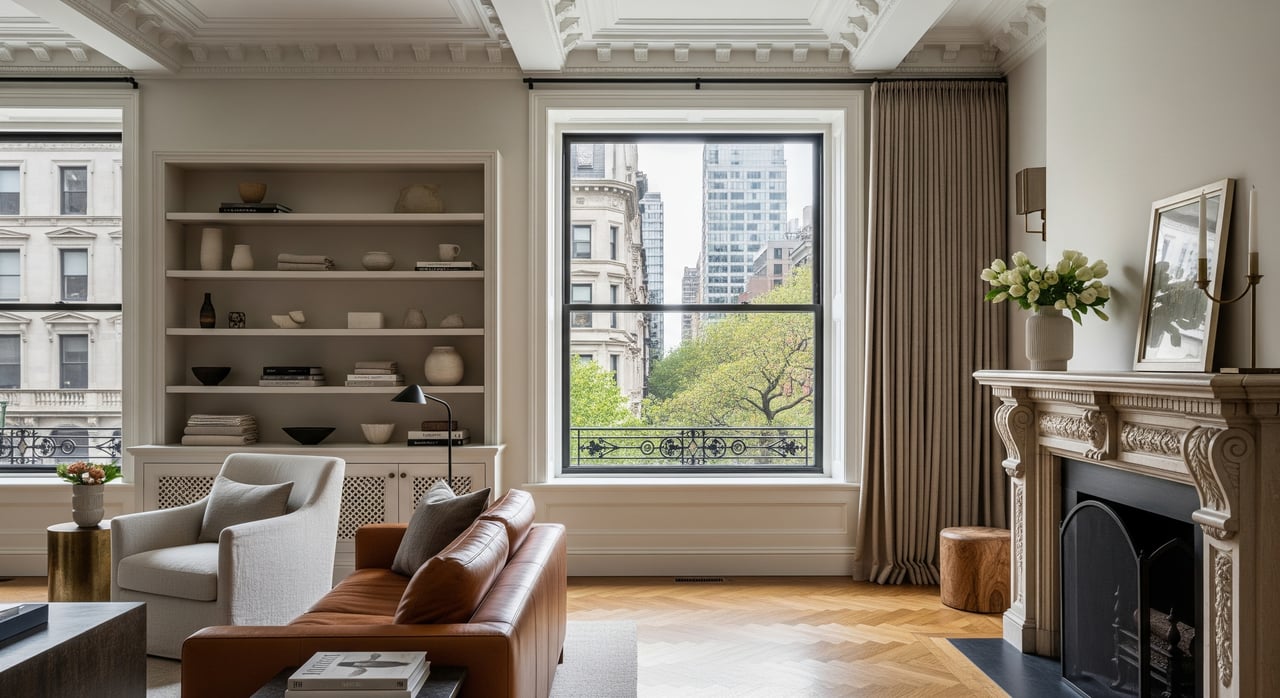
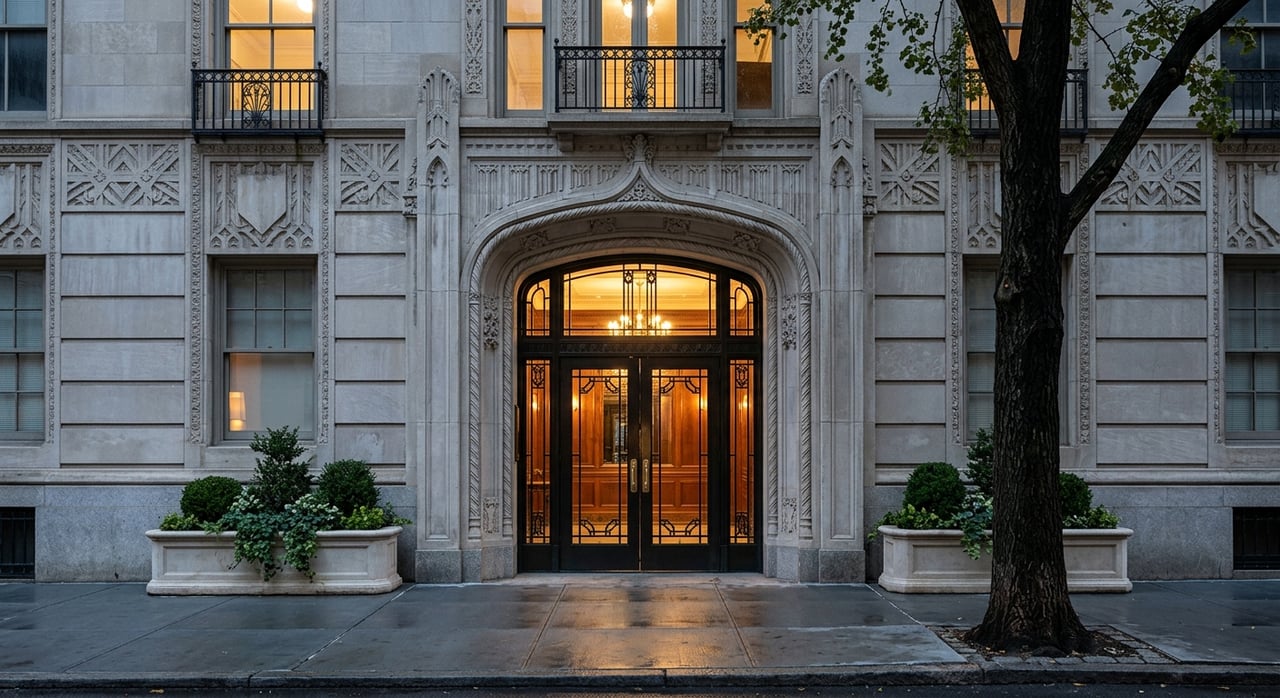
Blocks near Park Avenue and Fifth Avenue tend to represent the classic image of the Upper East Side. Local guides describe these blocks as home to some of Manhattan’s most expensive real estate, including stately co-ops and Central Park-facing condos.
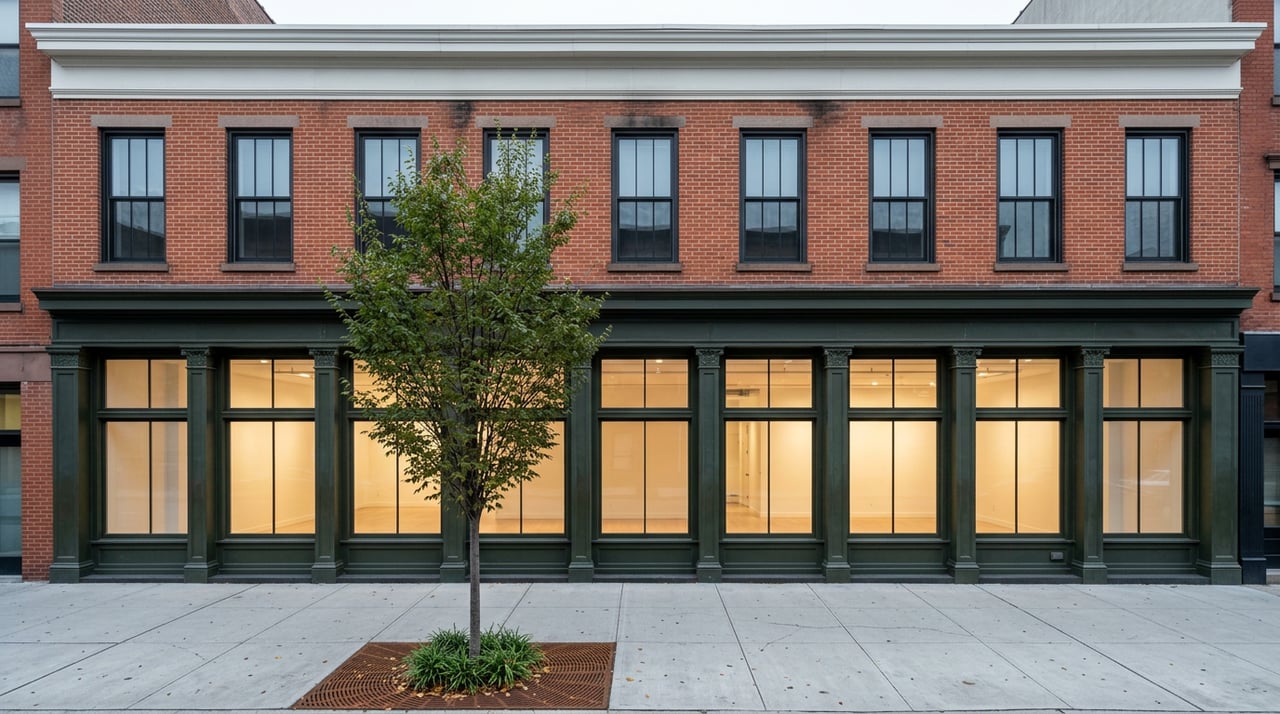
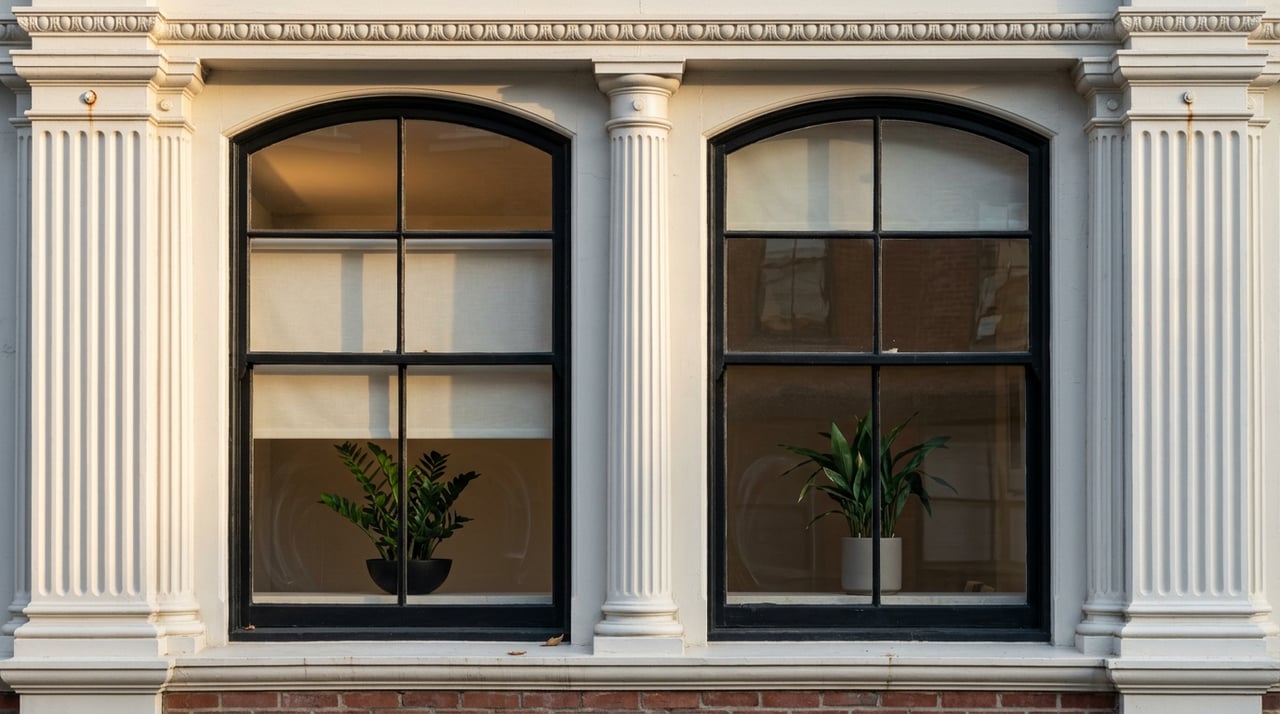
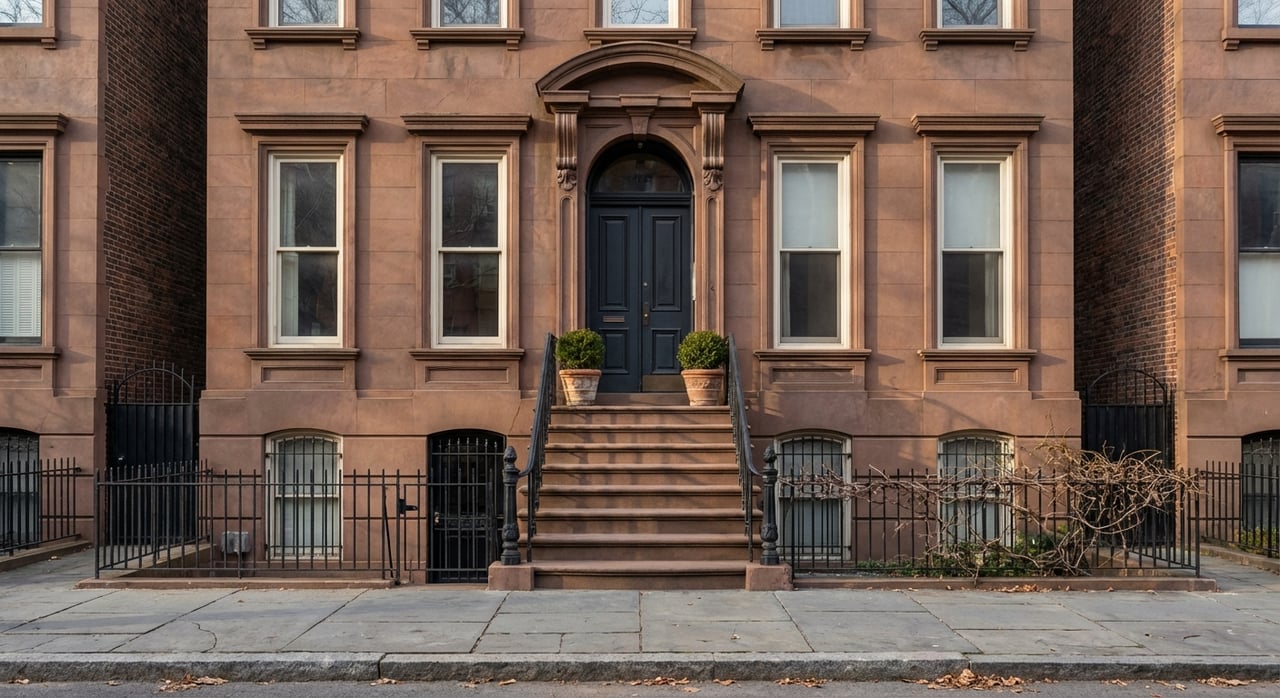
If you are drawn to a more formal streetscape, these blocks often deliver that in a very consistent way. The combination of older façades, established buildings, and proximity to the park creates a polished, highly recognizable Upper East Side experience.
Lexington and Second Avenue core
Move east and the neighborhood becomes more convenience-driven. StreetEasy notes that Second Avenue is lined with restaurants, pubs, and sports bars, and this part of the neighborhood benefits from strong subway access through the 6 and Q lines.
For many buyers, this middle corridor offers a practical balance. You may trade some of the quiet and formality of the park-adjacent blocks for easier transit, more everyday retail, and a faster-moving street life.
Yorkville and the far east side
Farther east, Yorkville often feels more understated. Market descriptions point to this area as a more affordable part of the Upper East Side, and current median listing data places Yorkville below Lenox Hill, Carnegie Hill, and Metropolitan Hill.
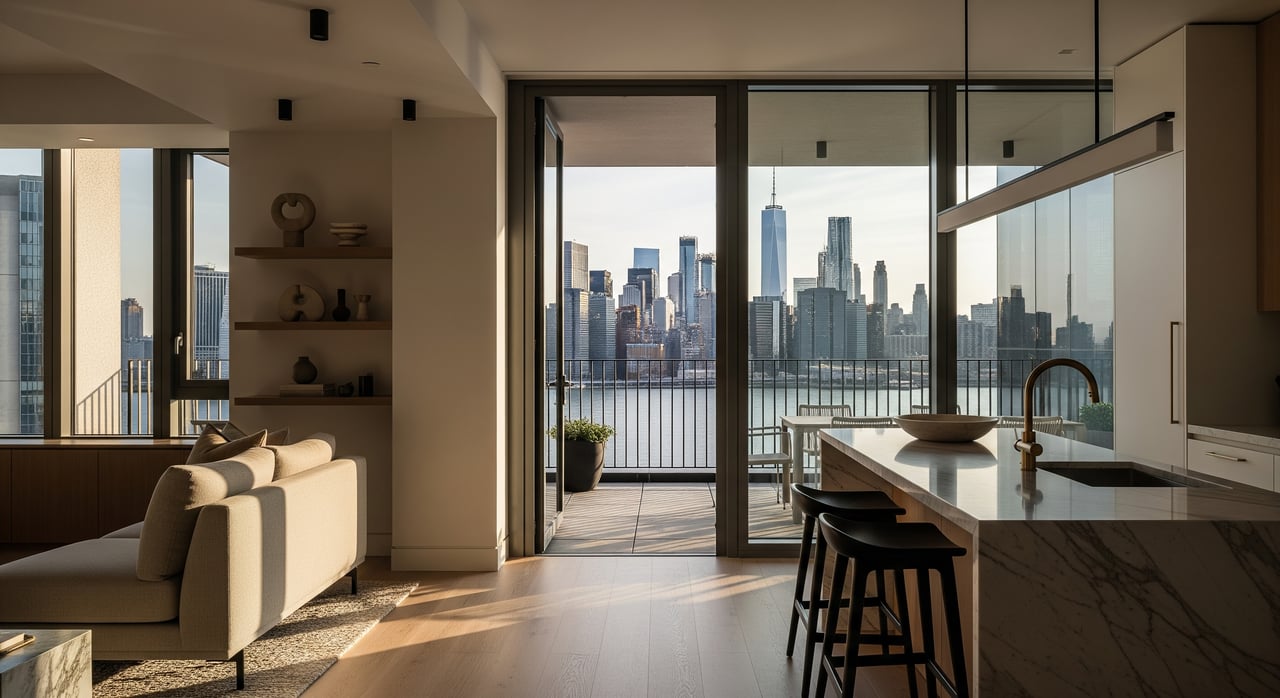
That does not mean compromise in a simple sense. For many buyers, Yorkville can mean a stronger value proposition, easier access to the Second Avenue Subway, and a neighborhood rhythm that feels more relaxed and less formal than the park edge.
North-to-south matters too
Lenox Hill in the lower UES
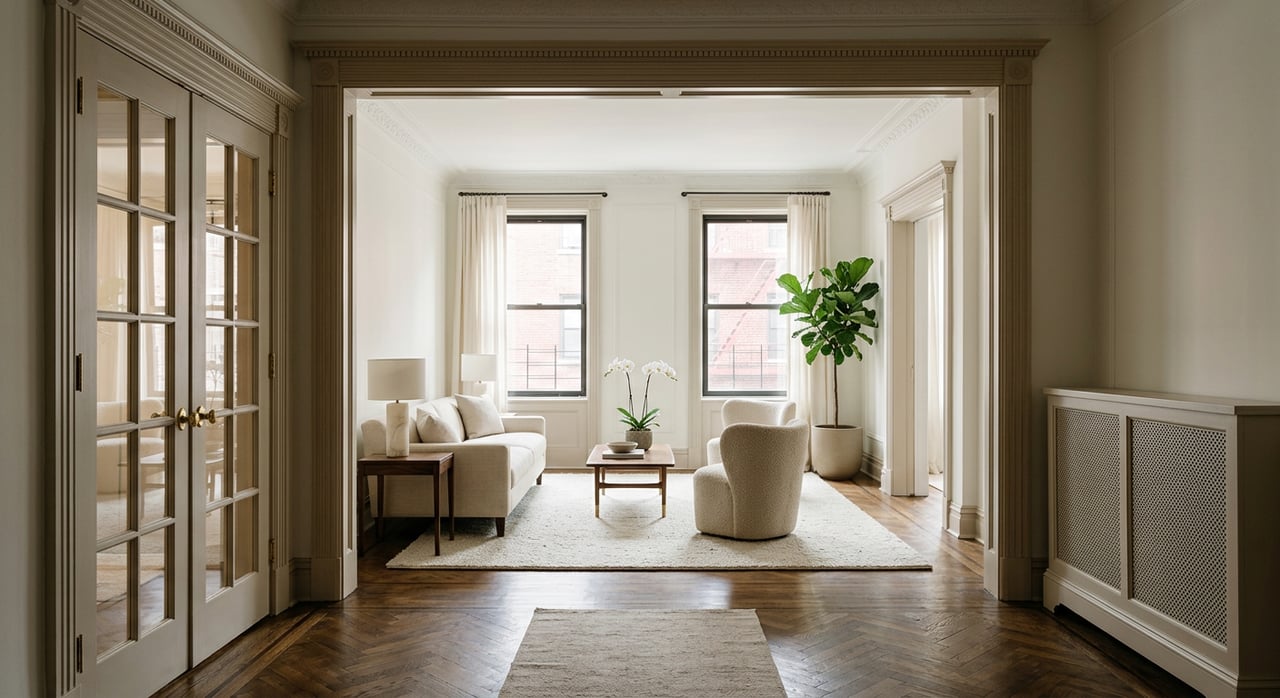
Lenox Hill, especially along the park edge, is often associated with glamorous residences and a refined look. If you are searching in the 60s and 70s, you may find a mix of high-end buildings, established co-ops, and strong Central Park adjacency.
This part of the Upper East Side can appeal to buyers who want a prestigious address and direct access to both the park and major cross-town connections. It is often where the neighborhood feels closest to a classic Manhattan postcard.
Carnegie Hill in the upper UES
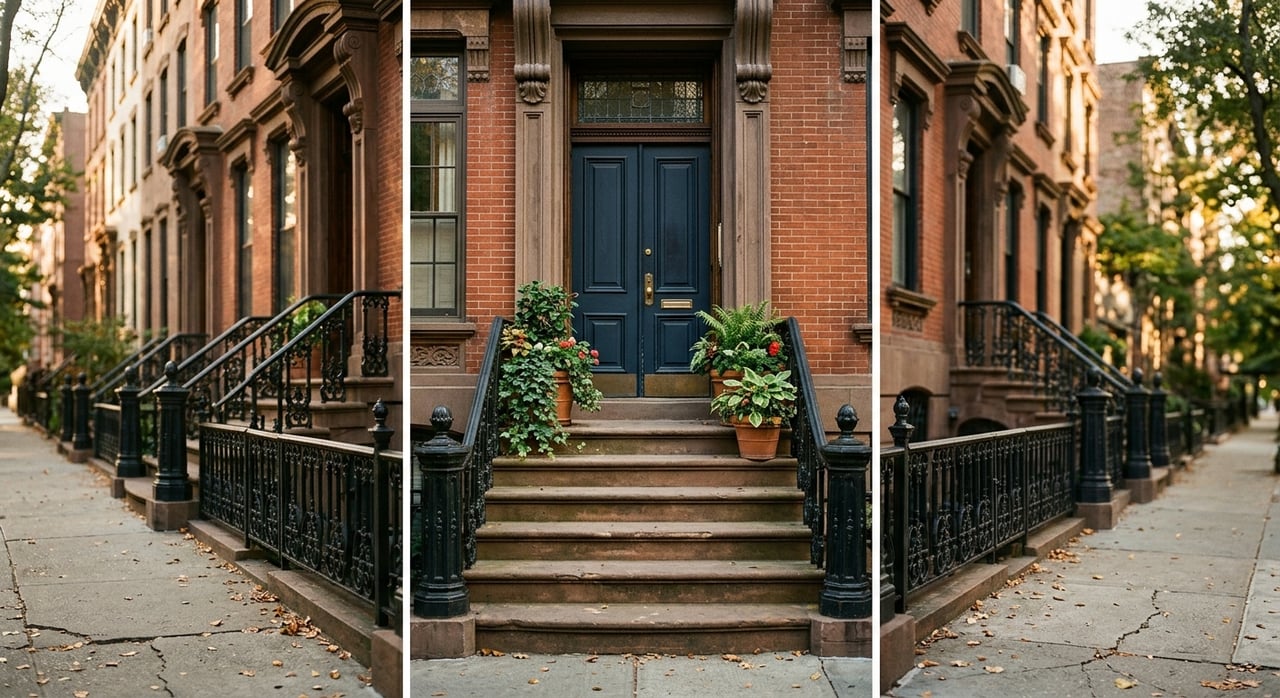
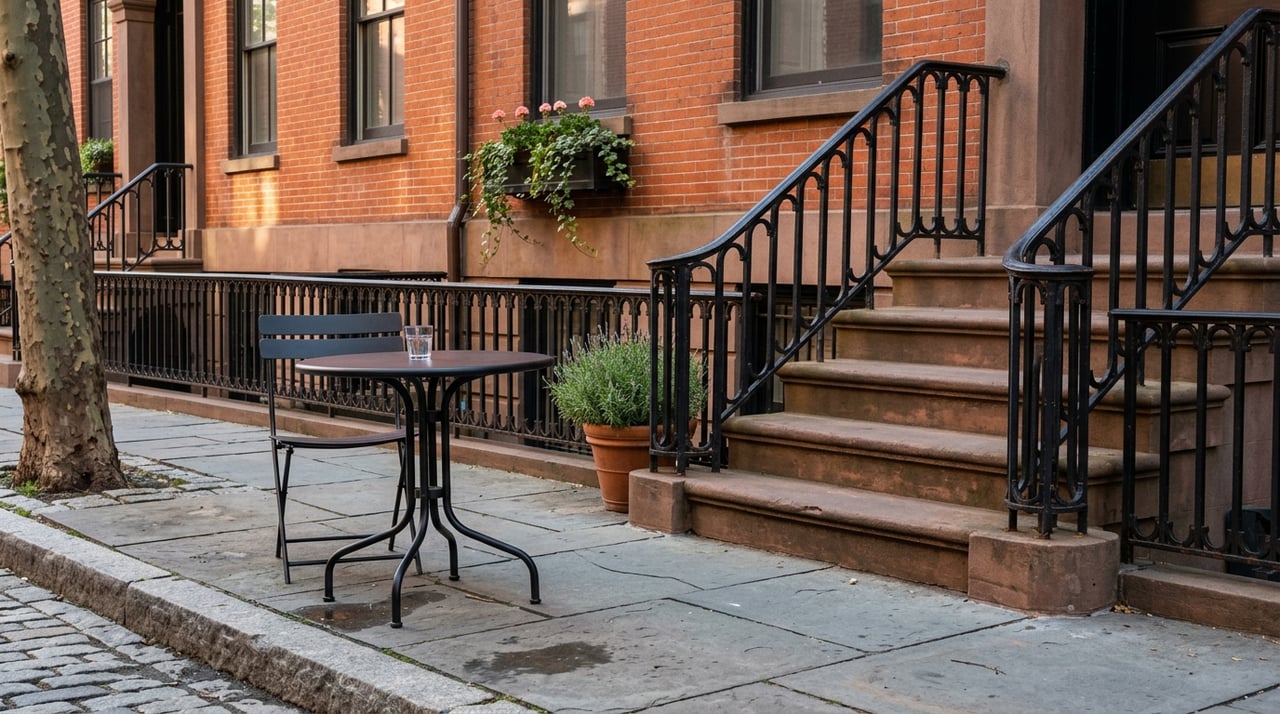
As you move into the high 80s and 90s, Carnegie Hill brings another layer of character. StreetEasy describes it with Neo-Gothic mansions and brownstones, and city landmark maps show a strong historic-district presence in this area.
For buyers, that can translate into a more uniform streetscape and a stronger sense of architectural continuity. It can also mean that the block itself becomes a major part of the property’s value, not just the apartment inside the building.
Historic districts can shape your decision
On the Upper East Side, landmark status is not an abstract detail. The Landmarks Preservation Commission maps show dense protected areas along Park Avenue, Museum Mile, Carnegie Hill, and parts of the East 63rd to East 75th Street range.
The practical impact is important. The city requires advance review for alterations, reconstruction, demolition, and new construction affecting designated buildings and historic districts, so a landmark-heavy block may offer more preserved character but less exterior flexibility.
For you as a buyer, that can be a plus or a constraint depending on your goals. If you value consistency, older façades, and a stable visual identity, protected blocks can be especially attractive. If you want a broader mix of building types or more changeable surroundings, non-designated blocks may feel more adaptable.
Transit can redefine daily life
Q line advantage
One of the biggest changes to the Upper East Side in recent years has been the Second Avenue Subway. The MTA reports that Phase 1 extended Q service from 63rd to 96th Streets and added stations at 72nd, 86th, and 96th Streets, all of which are listed as fully accessible.
That matters if you want to live farther east without feeling cut off. For many buyers, the Q has made Yorkville and the far east side much more compelling as full-time residential choices.
Lexington Avenue still matters
The Lexington corridor remains central to everyday movement. MTA station documents identify 68th Street/Hunter College as a 6 line station, and 77th Street as the busiest local station on the Upper East Side.
If your schedule depends on quick, familiar access to the subway, a Lexington-adjacent block may still be your best fit. These blocks tend to prioritize efficiency and connectivity over quiet.
Buses fill in the map
The subway is not the whole story. The M79-SBS on 79th Street, M86-SBS on 86th Street, M96 on 96th Street, and M15-SBS along First and Second Avenues help connect the neighborhood east-west and north-south.
That bus network is one reason some buyers feel comfortable choosing a quieter residential block that is not directly beside a station. Your commute may still be very manageable, even if your front door is a little farther from the train.
Parks and waterfront access change the routine
Central Park is a real daily-use amenity, not just a scenic backdrop. The park is open daily from 6:00 a.m. to 1:00 a.m., and the east side includes access points and destinations near 72nd, 79th, 85th, and 96th Streets.
If you want morning runs, evening walks, or quick outdoor breaks, a park-adjacent block can shape your lifestyle in a direct way. That convenience often carries a premium, but for many buyers it is part of the reason they choose the Upper East Side in the first place.
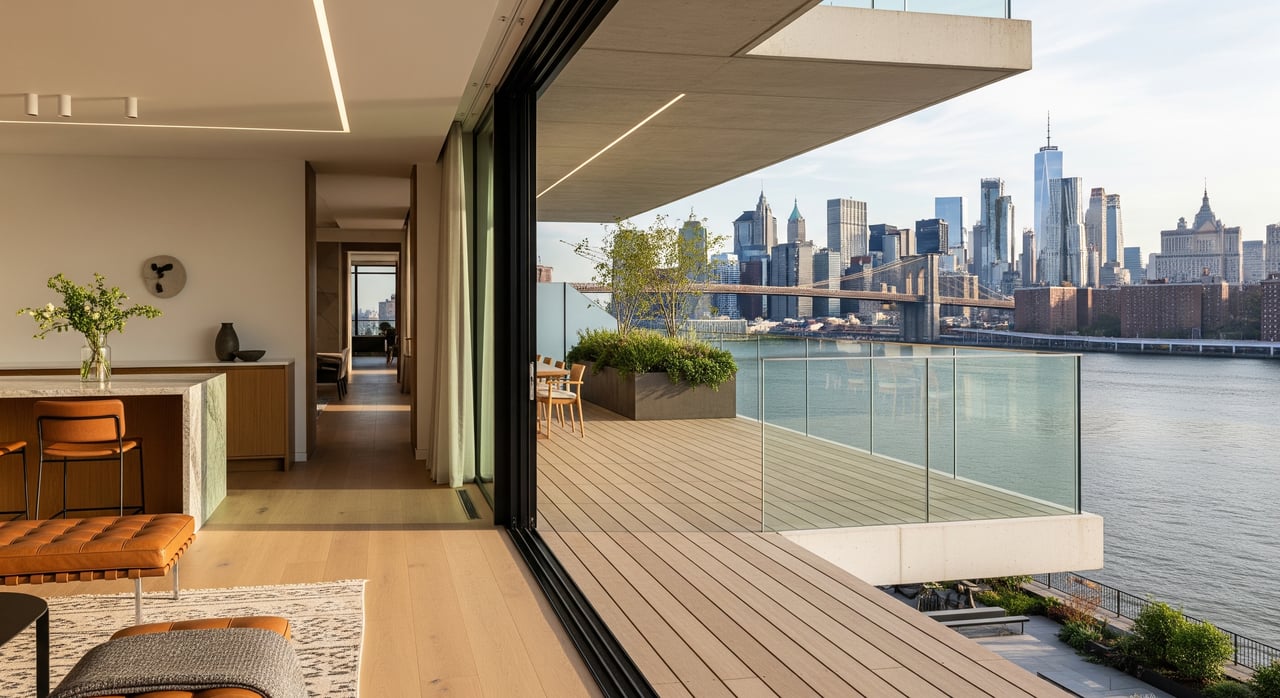
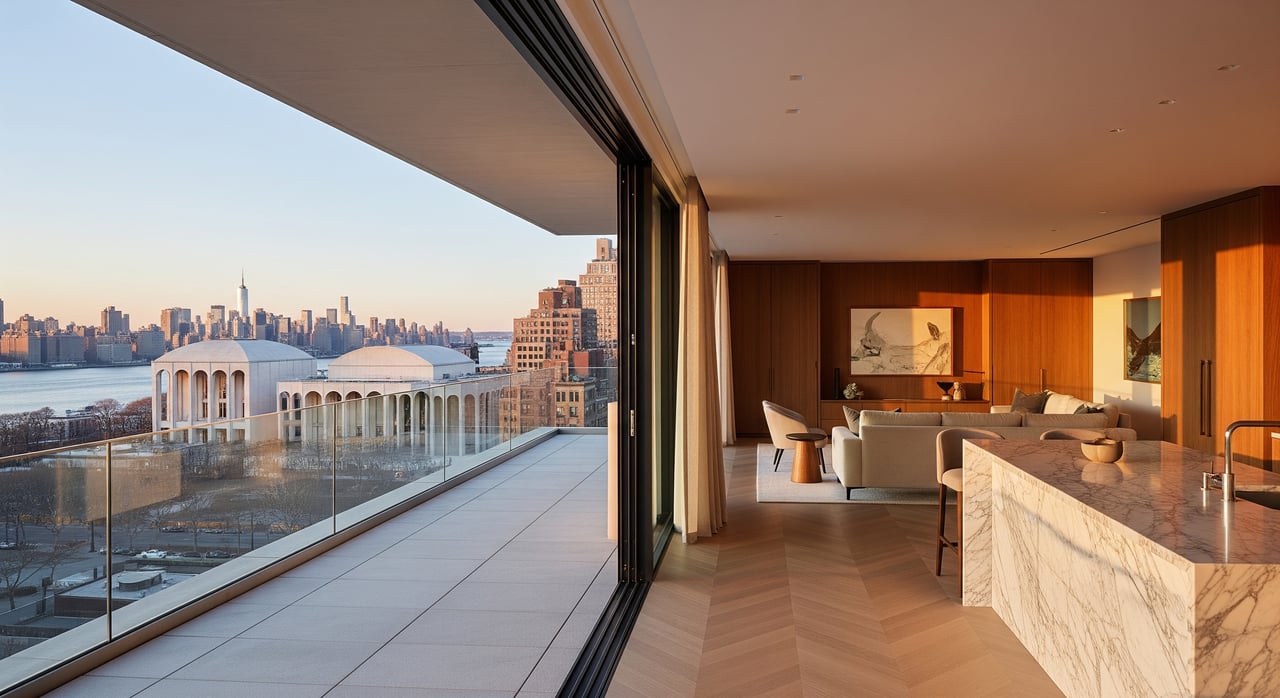
On the eastern edge, the East River Esplanade adds another layer. City sources identify a greenway segment from East 70th to East 75th Streets, and the East 81st Street pedestrian bridge provides ADA-accessible access to the East River Esplanade.
For some buyers, that means the far east side offers more than relative value. It can also support a waterfront routine that feels distinct from the Central Park side of the neighborhood.
What current price signals suggest
Neighborhood-wide data should be read carefully, because different platforms use different datasets and definitions. As of May 2026, Realtor.com describes the Upper East Side as a buyer’s market with a $1.75 million median listing price, a $1.1 million median sold price, 57 median days on market, and a 97% sale-to-list ratio, while StreetEasy shows a $1.2 million median sale and a $3,950 median base rent.
The more useful takeaway is directional, not absolute. The Upper East Side appears to offer buyers room to compare options thoughtfully rather than assume every listing will command the same urgency or premium.
Sub-neighborhood medians make the east-west spread easier to see. Realtor.com shows Yorkville at a $999,000 median listing price, Carnegie Hill at $2.2 million, Lenox Hill at $3.395 million, and Metropolitan Hill at $3.25 million.
That spread helps explain why block selection is so important here. In simple terms, the premium tends to rise on park-edge, landmark-heavy blocks with stronger views and a more tightly preserved streetscape, while more easterly blocks can offer a more value-oriented entry point with strong transit convenience.
How to choose the right UES block
The smartest way to choose an Upper East Side address is to match the block to your routine, not just your search filters. A beautiful apartment on the wrong block for your lifestyle can feel less satisfying over time than a slightly less obvious choice that serves you well every day.
As you compare options, focus on a few core questions:
- Do you want Central Park access within a short walk?
- Do you prefer quieter side streets or a more active avenue environment?
- Is subway proximity a top priority, especially near the Q or 6?
- Are you drawn to historic character and protected streetscapes?
- Do you want a block with a more flexible building mix?
- Are you targeting the most prestigious park-adjacent blocks, or the strongest value within the Upper East Side?
In a neighborhood with this much variation, precision matters. A disciplined search can help you avoid overpaying for features you will not use, while also making sure you do not miss a block that fits your lifestyle and long-term goals better than the obvious choices.
If you are weighing a classic Carnegie Hill address against a transit-friendly Yorkville condo, or deciding whether a park-edge premium is worth it for your needs, a block-by-block view can bring much more clarity. For discreet, investment-minded guidance tailored to your priorities, Luca Paci can help you evaluate the Upper East Side with both lifestyle and strategy in mind.
FAQs
What makes the Upper East Side different block by block?
- The Upper East Side functions like several micro-markets, with meaningful changes in price, housing stock, transit access, and street feel as you move between park-adjacent blocks, avenue corridors, and farther-east sections like Yorkville.
What is the most value-oriented part of the Upper East Side?
- Current sub-neighborhood data in the research report shows Yorkville with a lower median listing price than Lenox Hill, Carnegie Hill, and Metropolitan Hill, making it one of the more value-oriented entry points in the neighborhood.
What is the benefit of living near the Second Avenue Subway on the Upper East Side?
- The Q line adds stations at 72nd, 86th, and 96th Streets, which improves access for blocks farther east and makes many Yorkville and far-east addresses more convenient for daily commuting.
How does landmark status affect an Upper East Side purchase?
- On designated buildings and historic-district blocks, exterior alterations and certain building changes require advance city review, which can preserve neighborhood character but also limit flexibility.
Is living closer to Central Park worth the premium on the Upper East Side?
- It depends on how often you will use the park, since park-adjacent blocks can support daily outdoor routines and a quieter setting, but they also tend to come with higher prices and stronger premiums.
Should I choose a Lexington Avenue block or a quieter side street on the Upper East Side?
- If fast transit and convenience matter most, Lexington-adjacent blocks may suit you better; if you prefer a calmer residential feel, a quieter side street or a farther-east block may be a better match.