If you are drawn to homes that feel more like a canvas than a set of labeled rooms, Chelsea deserves a close look. For design-minded buyers, loft living here offers a rare mix of scale, natural light, industrial character, and cultural energy that can be hard to replicate elsewhere in Manhattan. This guide will help you understand what defines a Chelsea loft, how the neighborhood feels day to day, and what to evaluate before you buy. Let’s dive in.
Why Chelsea Still Stands Out
Chelsea remains one of Manhattan’s most compelling loft neighborhoods because its built environment has been shaped by planning decisions meant to preserve character while allowing change. The 1999 Chelsea rezoning covered more than sixty blocks and aimed to protect the neighborhood’s existing feel while creating new housing opportunities.
In West Chelsea, the Special West Chelsea District added another layer of direction. City planning materials describe a framework meant to support mixed use, encourage residential use on appropriate streets, support arts-related activity, and facilitate the reuse of the High Line as public open space.
For you as a buyer, that context matters. It helps explain why Chelsea still feels like a hybrid of old warehouse New York and contemporary residential Manhattan, rather than a neighborhood that lost its original texture completely.
What Defines a Chelsea Loft
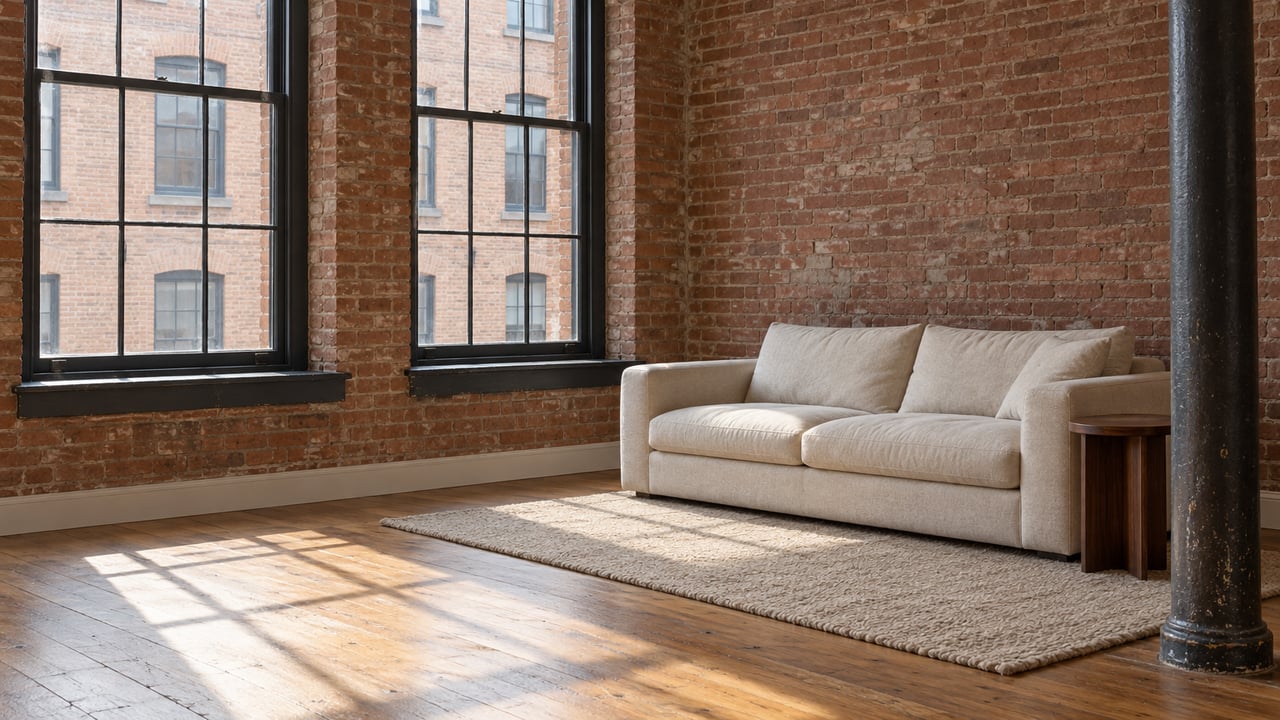
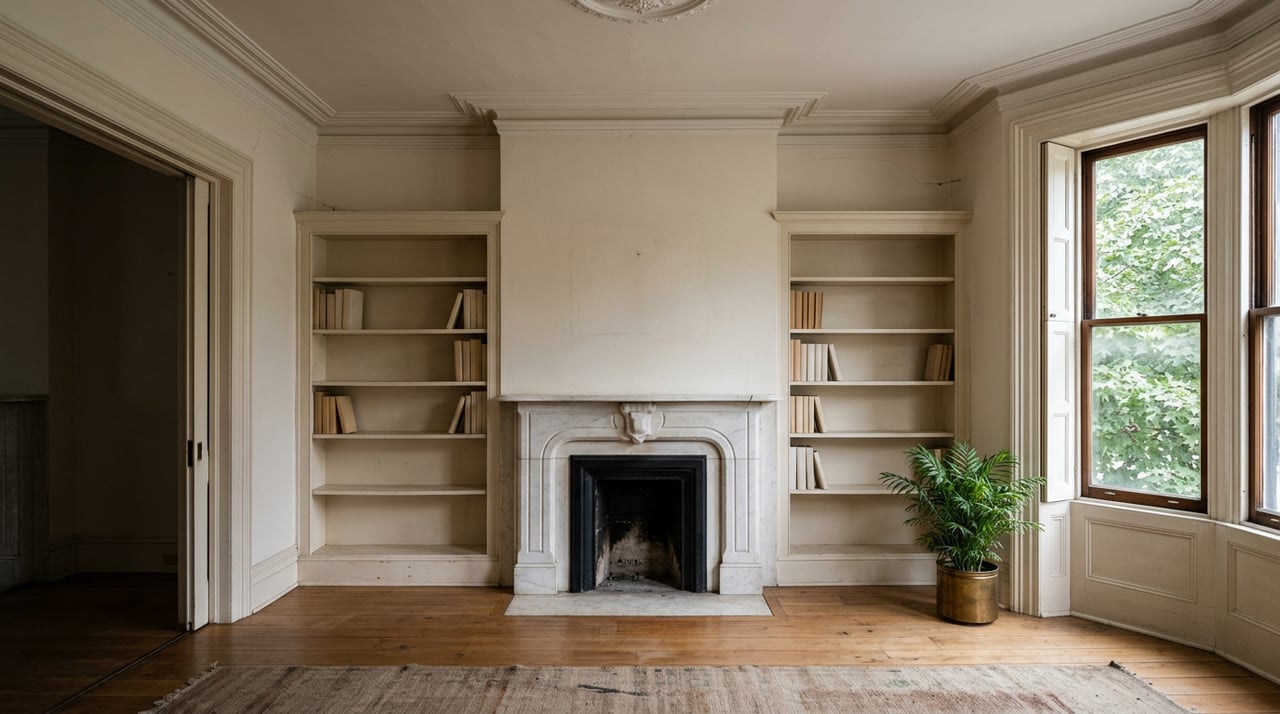
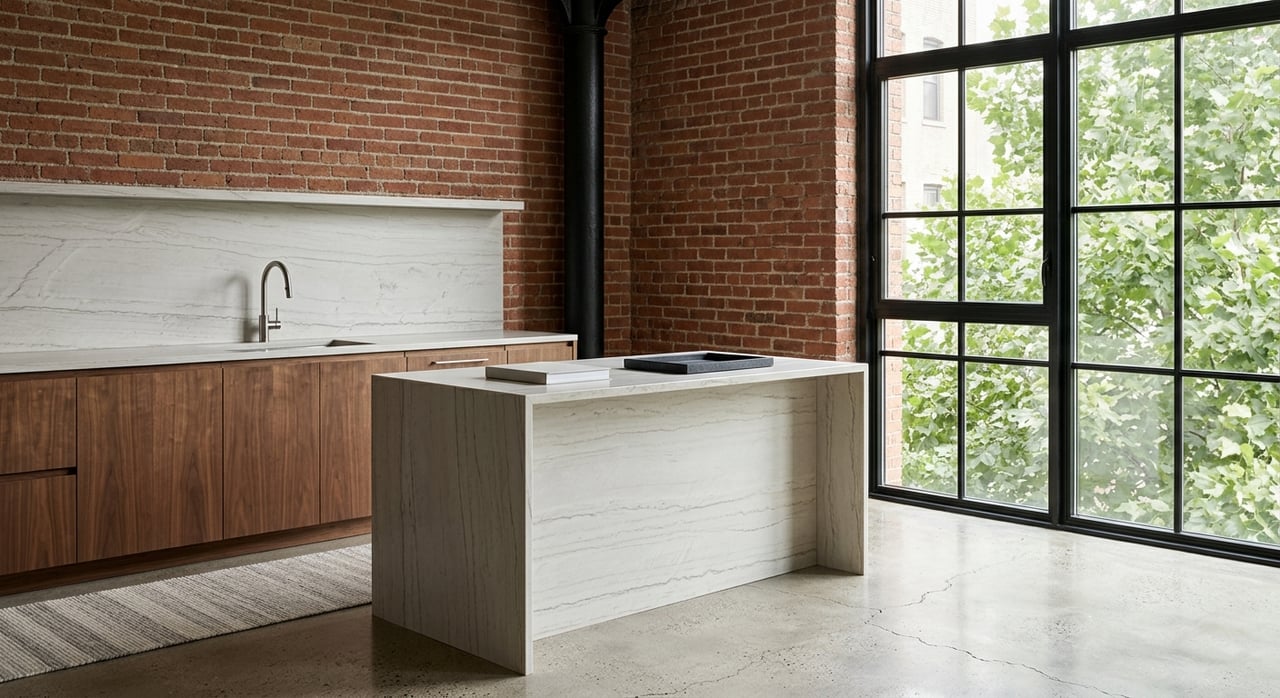
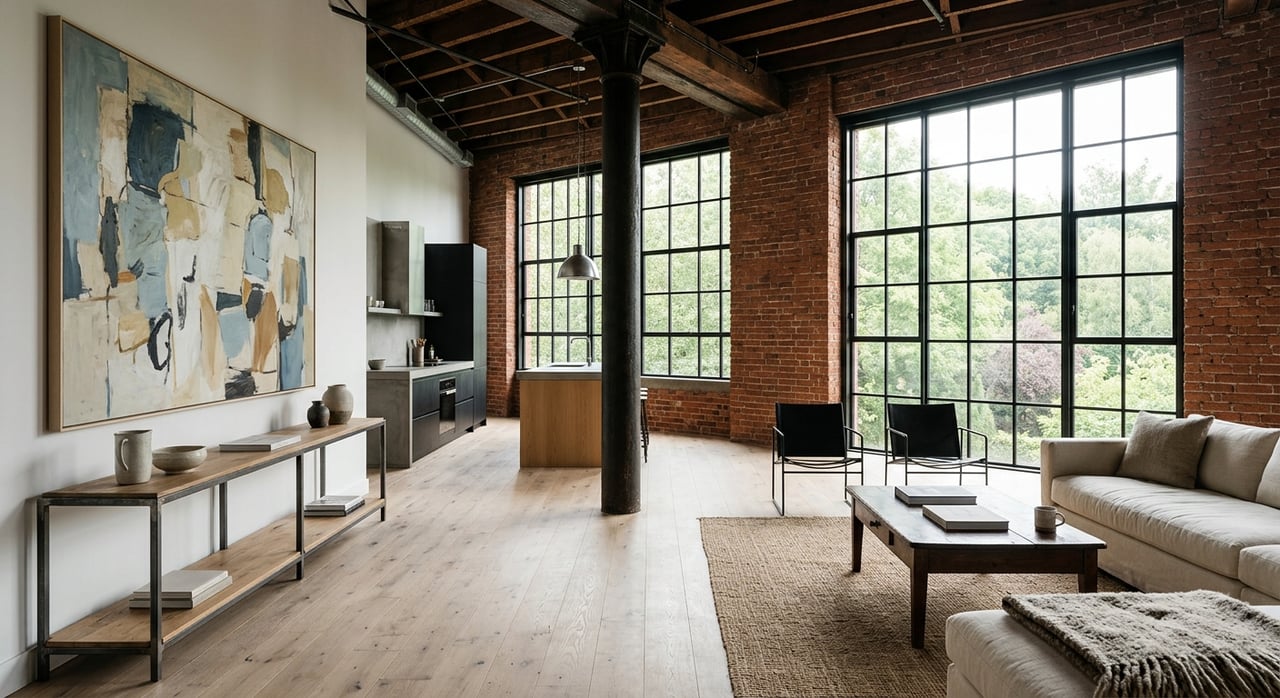
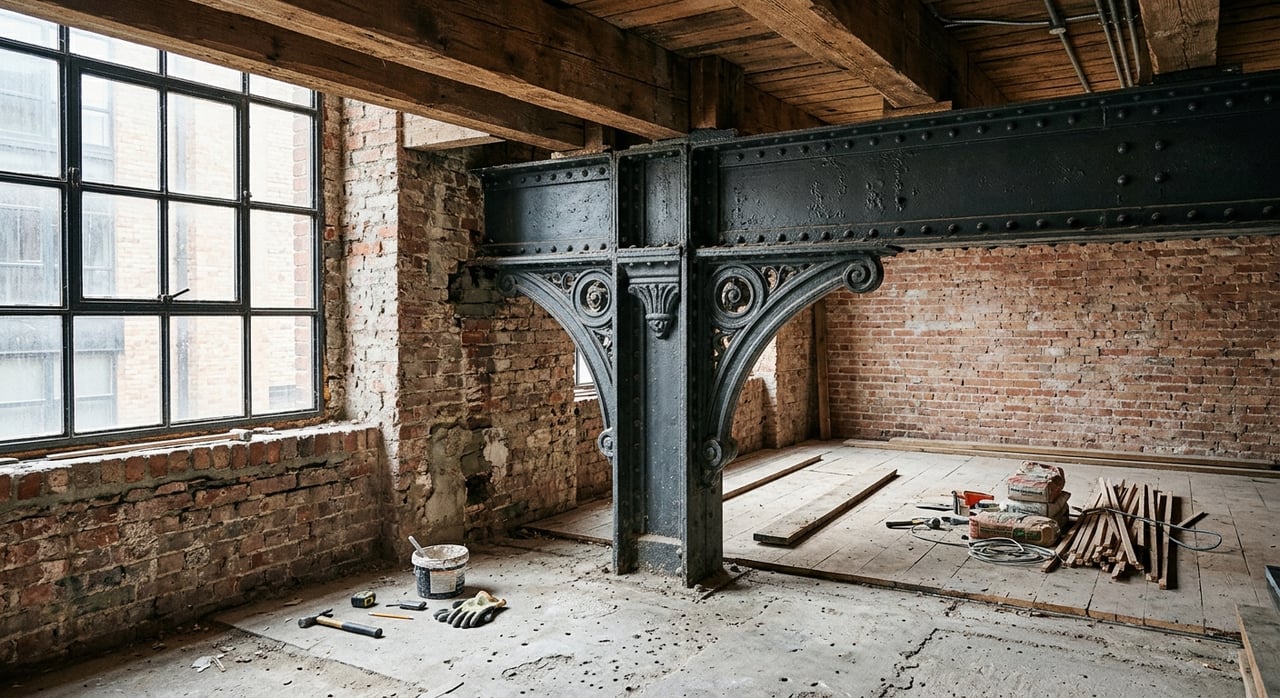
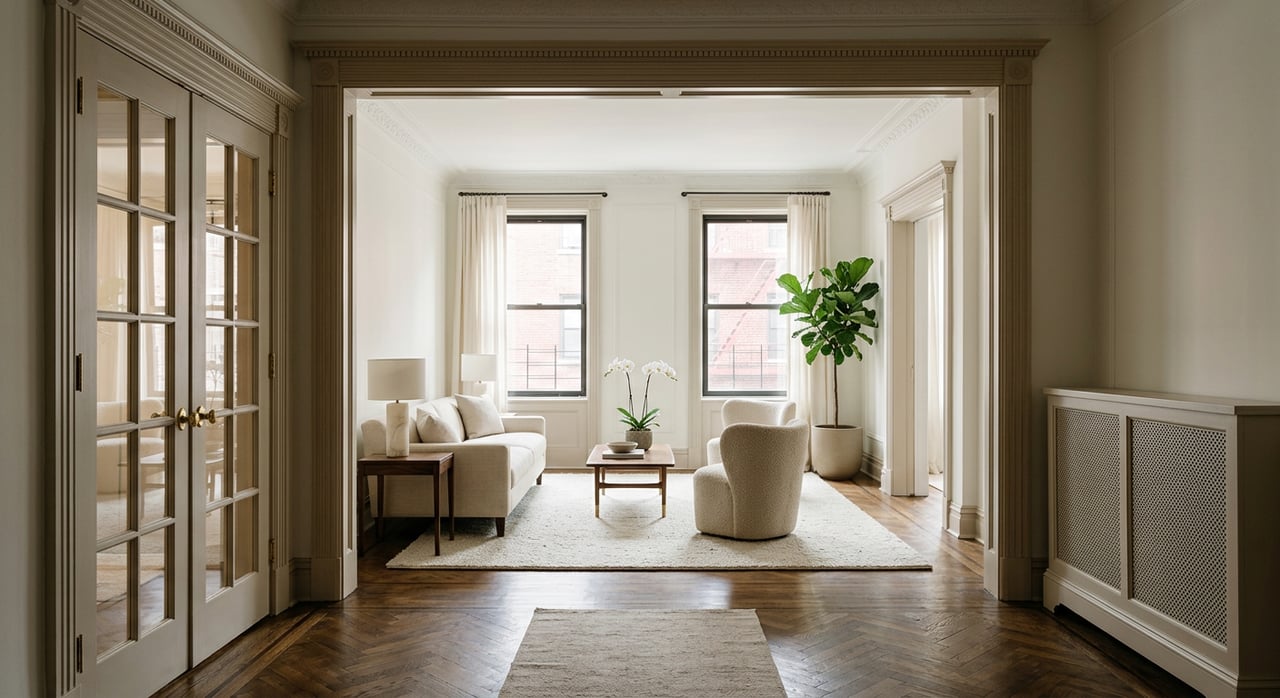
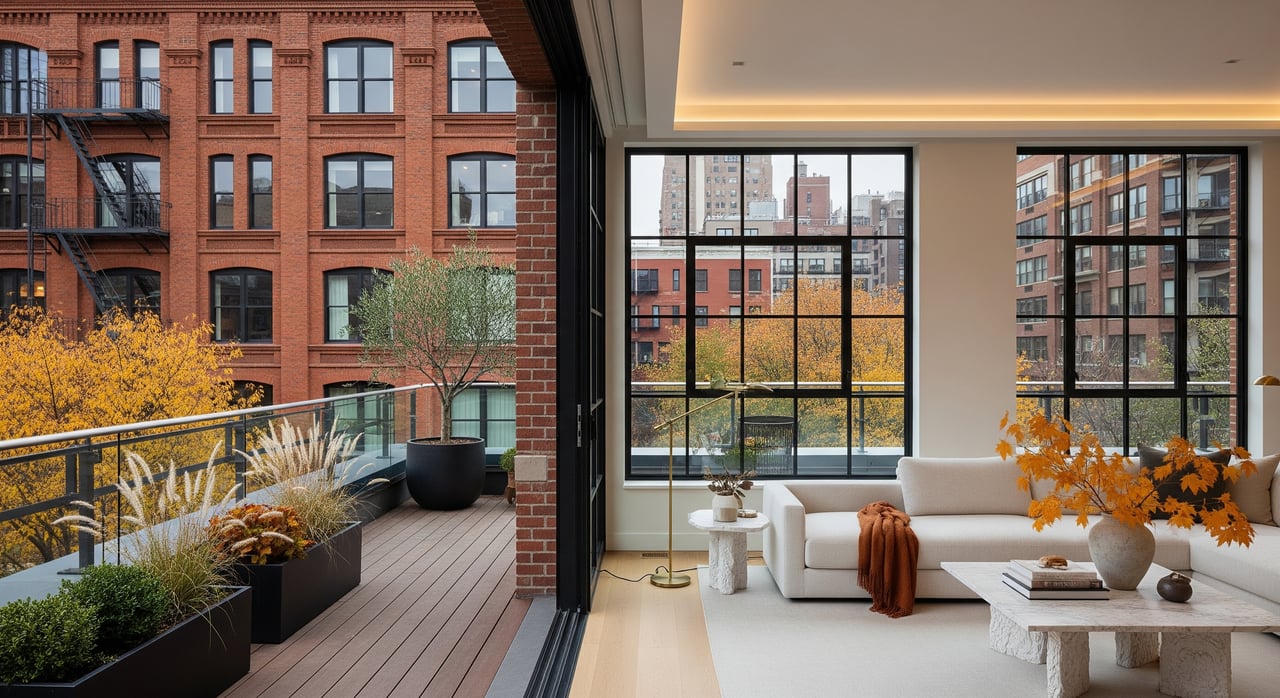
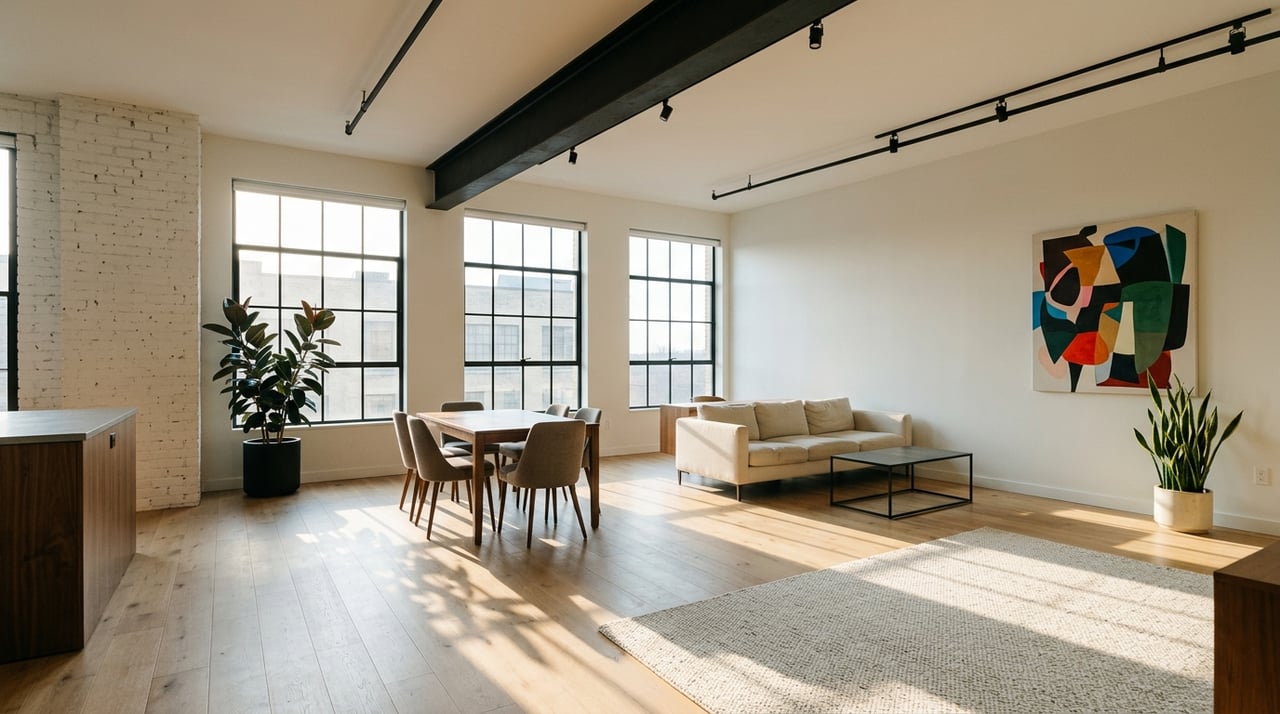
A true New York loft is usually a former commercial or industrial building that has been adapted for residential use. Typical features include open floor plans, high ceilings, structural columns, exposed brick, and large windows that bring daylight deep into the home.
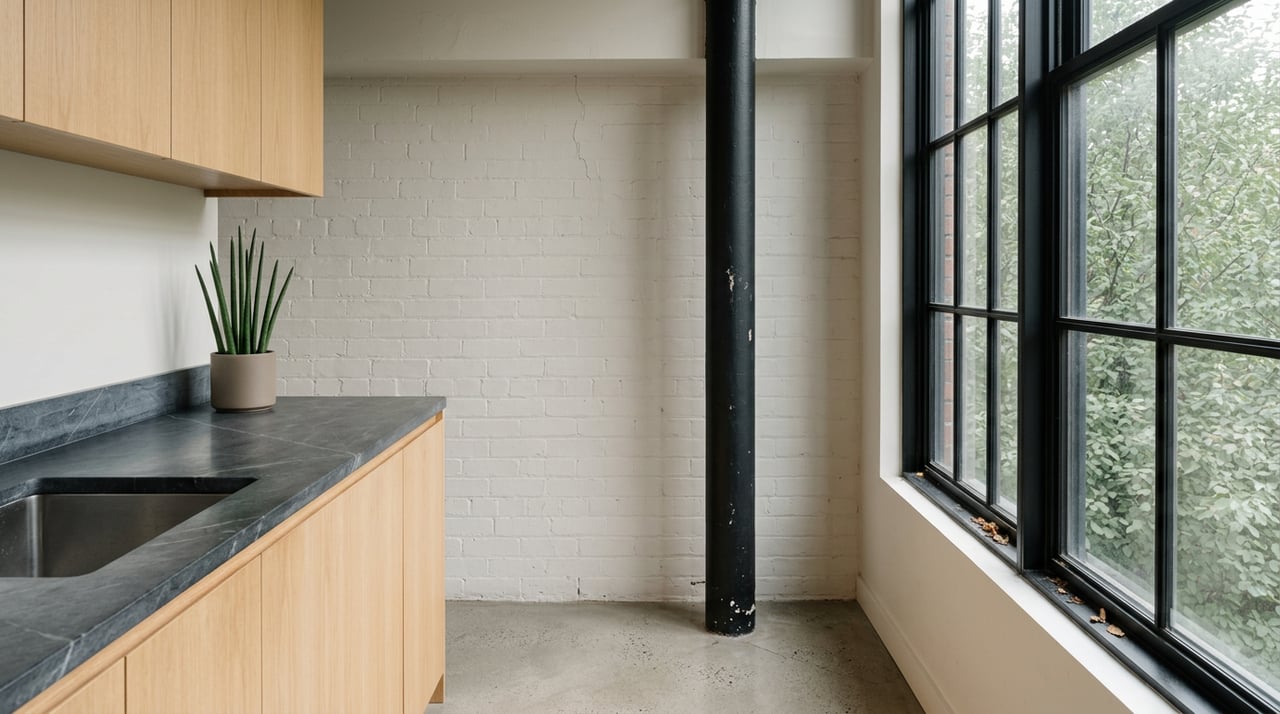
In Chelsea, those details can be especially striking. Local renovation examples include preserved brick walls, barrel-vaulted ceilings, and ceiling heights reaching 14 feet, all paired with oversized windows.
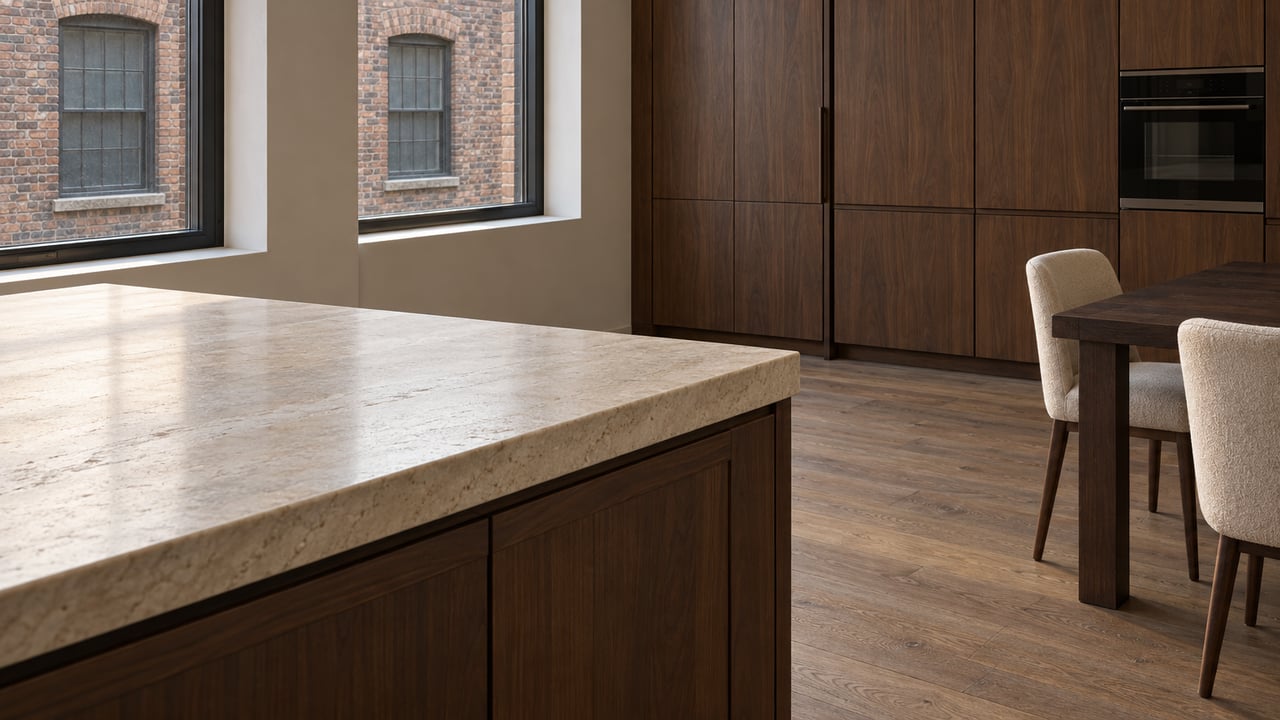
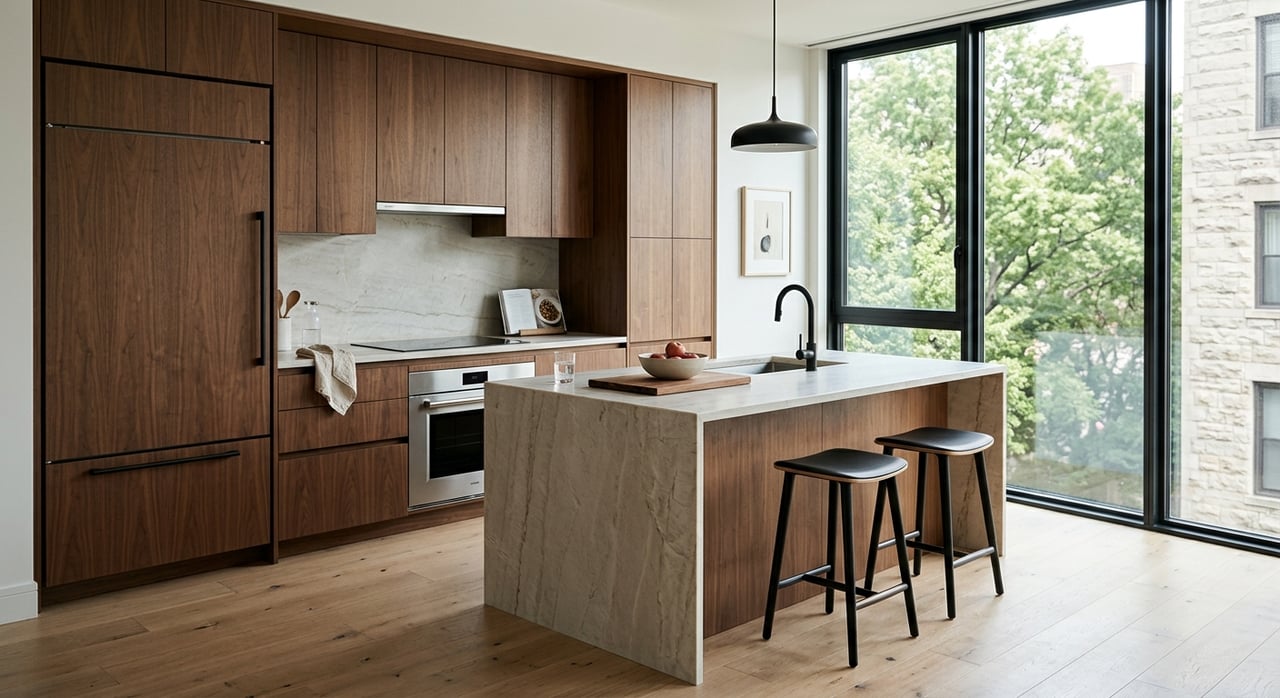
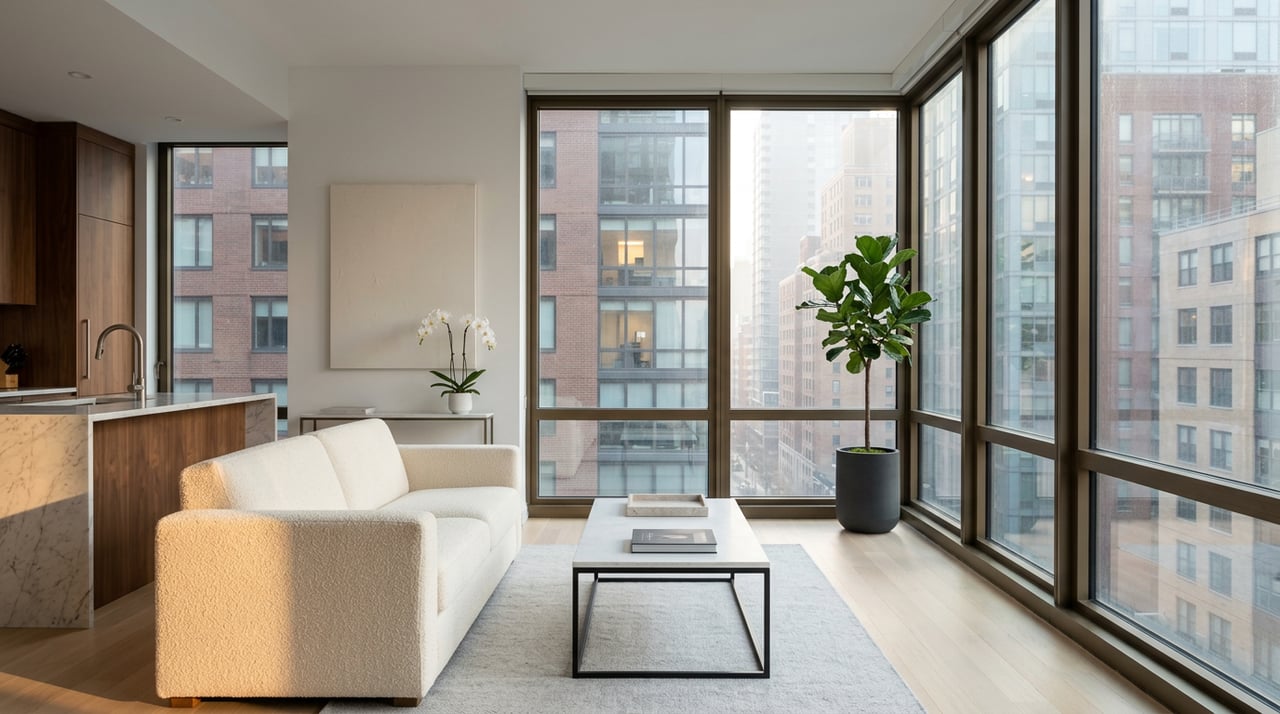
That said, not every Chelsea loft is the same. Some are authentic conversions in older buildings, while others are newer homes designed to feel loft-like without the same industrial bones.
Why Design-Minded Buyers Respond to Lofts
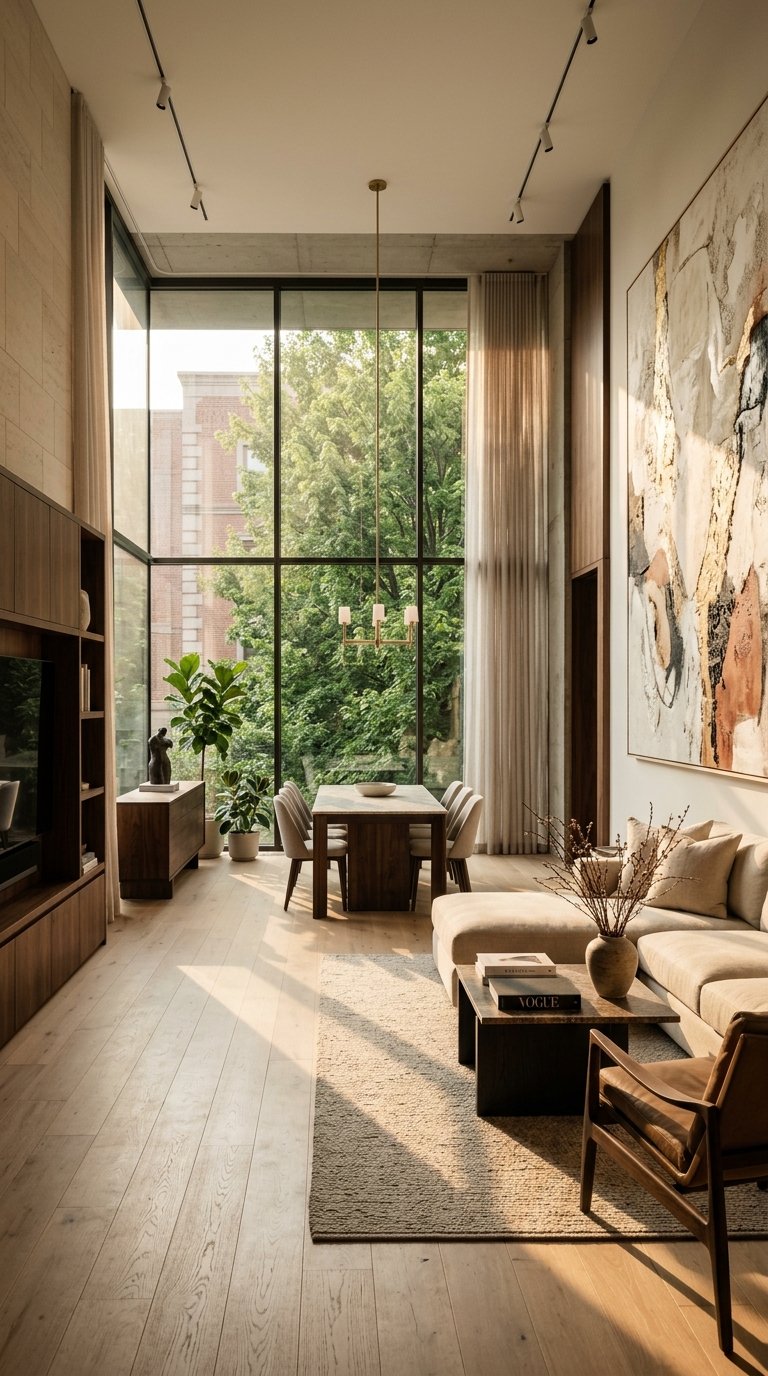
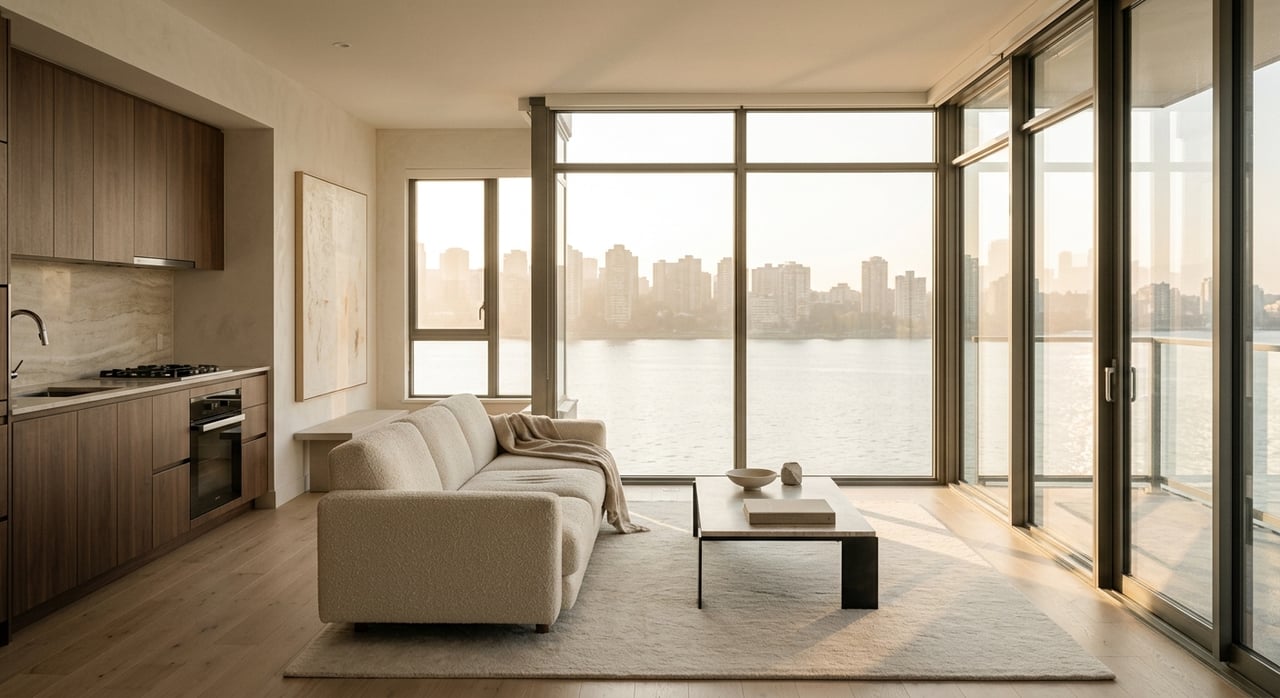
Loft living often appeals to buyers who think in terms of volume, flow, and flexibility rather than a strict room count. An open plan gives you more freedom to shape the home around how you actually live, whether that means large-scale entertaining, displaying art, or creating a polished work-from-home setup.
Chelsea is particularly well suited to that mindset. The neighborhood’s loft typology, combined with its art presence and the spatial logic around the High Line, creates homes that often feel bigger and more open than square footage alone might suggest.
If you value clean sightlines, natural light, and a home that can evolve with your needs, a Chelsea loft can offer a more adaptable living platform than a conventional apartment layout.
How the High Line Shapes the Experience
The High Line runs 1.45 miles from Gansevoort Street to West 34th Street between Tenth and Eleventh Avenues. Around it, West Chelsea zoning uses height, setback, transparency, and open-space rules designed to protect light, air, and views near the park.
That planning framework has a real effect on how nearby homes feel. For many buyers, it contributes to a stronger sense of openness and visual breathing room, especially in lofts with large windows and broad living spaces.
This is one reason High Line-adjacent properties can feel so compelling in person. The value is not only in the address, but in the way the surrounding urban design can support light and spatial clarity.
West Chelsea’s Design-Led Street Life
Chelsea’s loft appeal is not limited to what happens inside the apartment. Daily life in West Chelsea is closely tied to the neighborhood’s creative identity, particularly west of Tenth Avenue between West 18th and West 27th Streets.
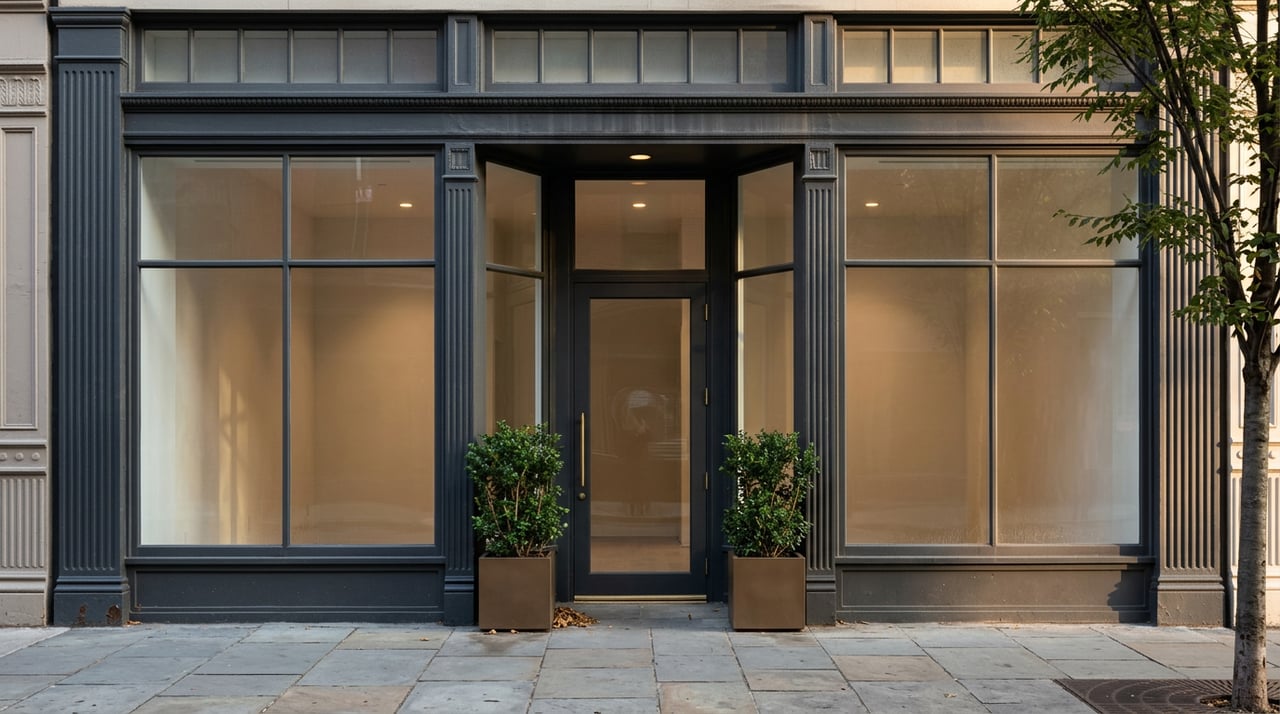
A recent NYC Planning report states that the area is home to about 290 galleries and describes it as New York City’s largest arts district. That concentration gives the neighborhood a distinct rhythm shaped by exhibitions, openings, and creative commerce.
For a design-minded owner, this can add another layer of value. You are not just buying square footage. You are stepping into an environment where visual culture is part of the everyday street experience.
Old Chelsea and West Chelsea Feel Different
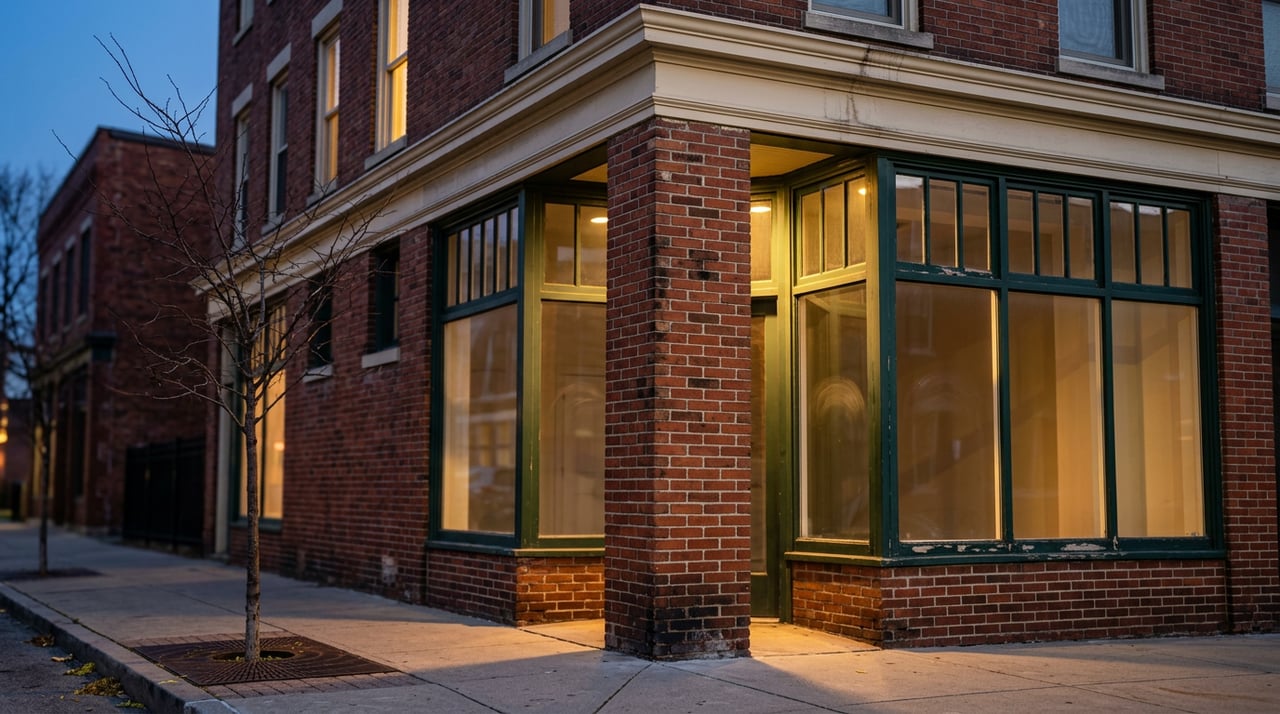
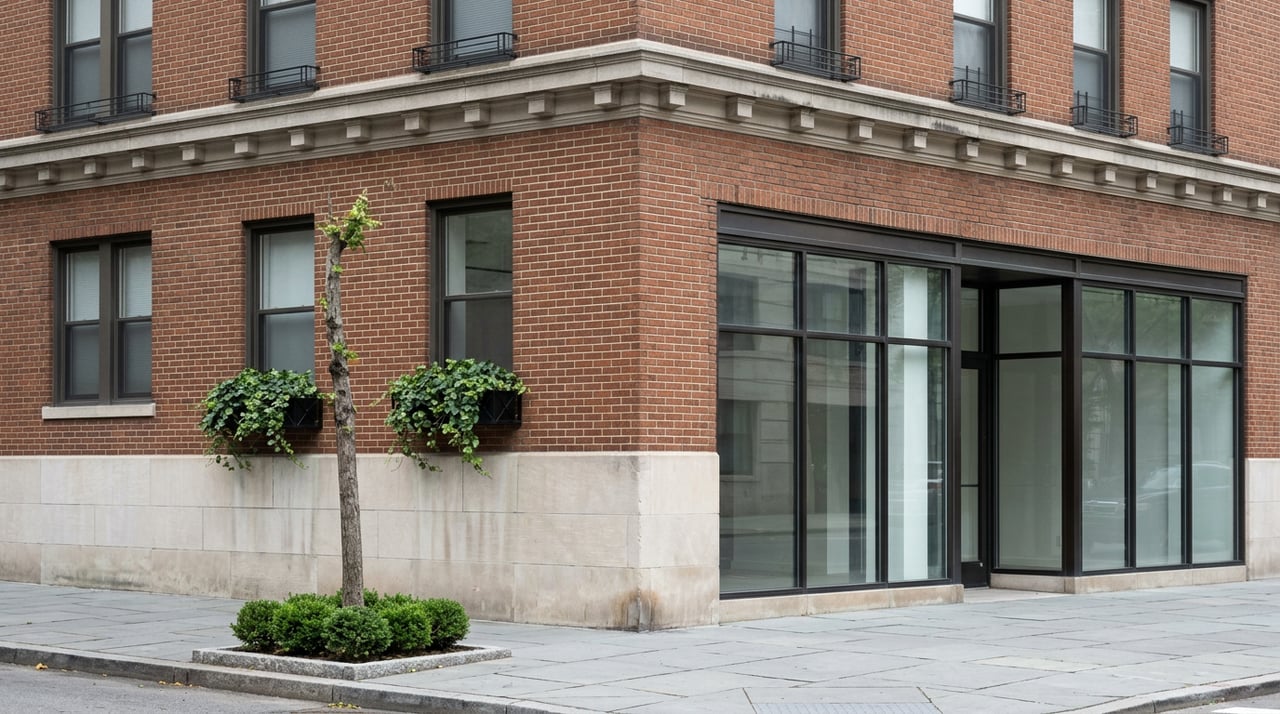
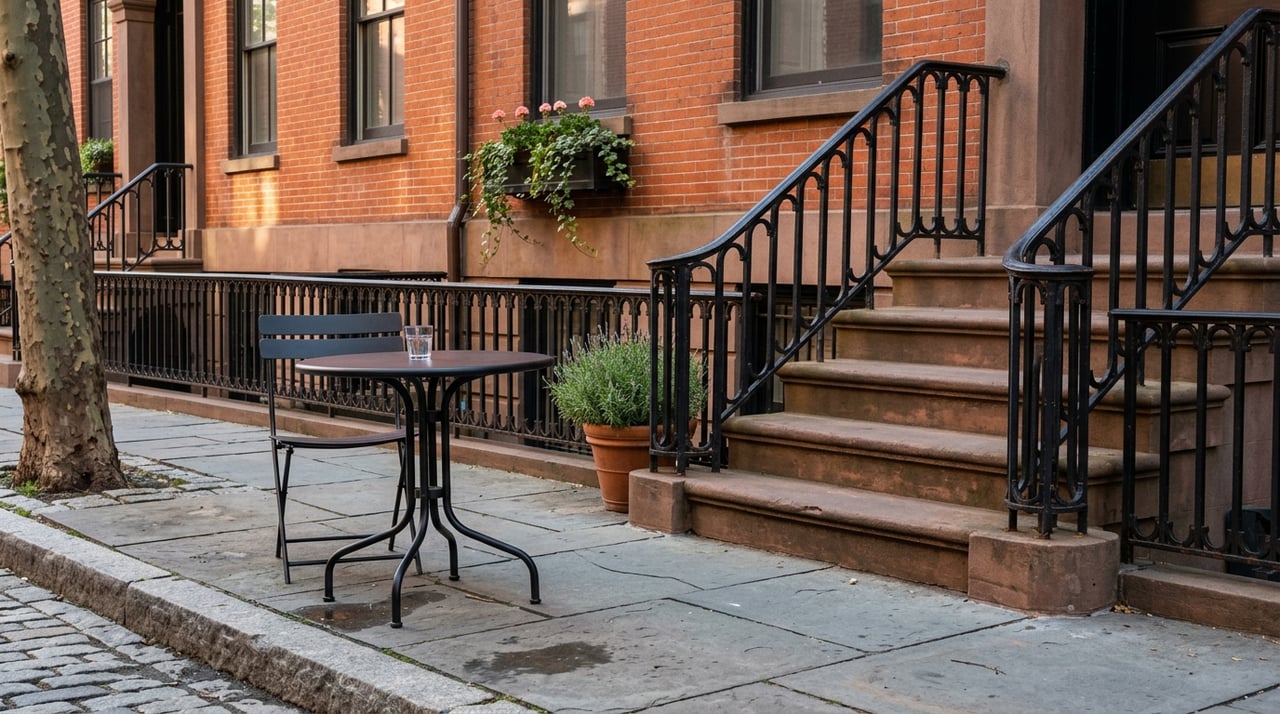
Chelsea is not one uniform loft market. Planning documents describe a mix that includes three- to five-story walkups along Tenth Avenue, large loft buildings along avenues and midblocks, and heavier residential concentration east of Tenth Avenue within the Chelsea Historic District.
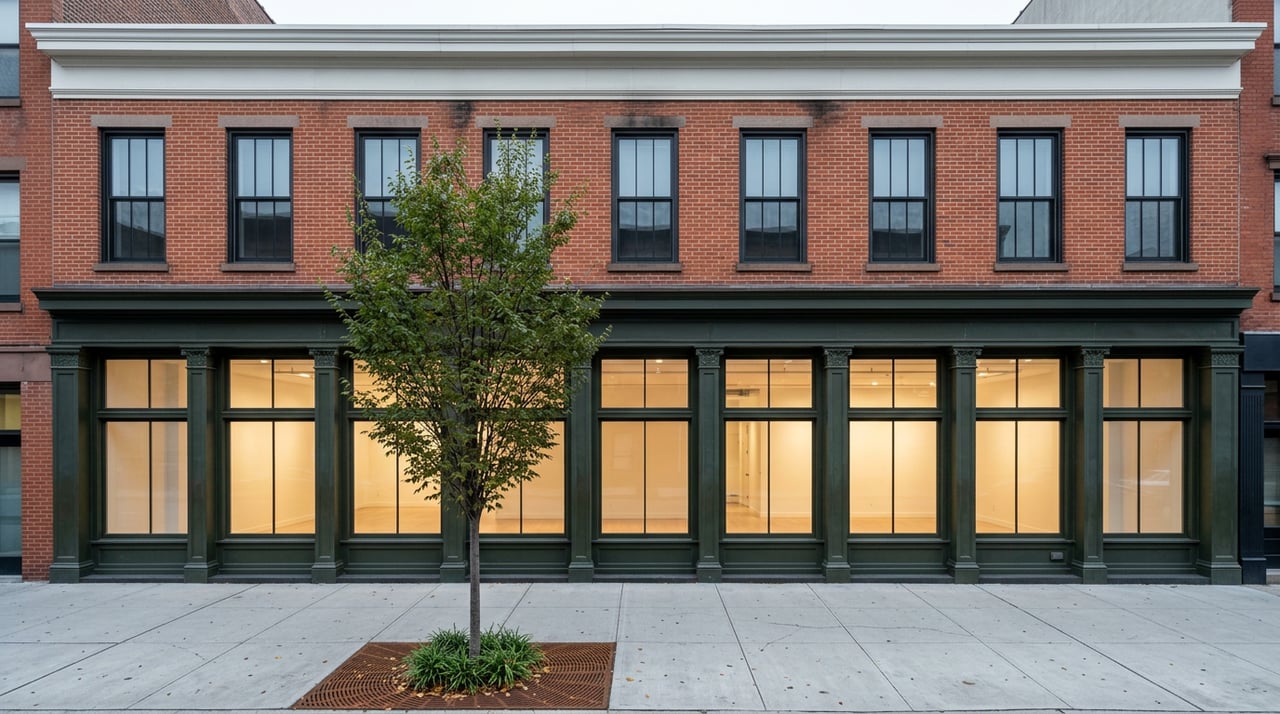
West Chelsea, by contrast, is often defined by converted warehouse and loft buildings that now house galleries and related uses. That blend of adaptive reuse and newer development can create a more contemporary, art-centered feel.
If you are searching with design in mind, this distinction is useful. One part of Chelsea may offer a more historic loft atmosphere, while another may feel more closely tied to current gallery culture and High Line urbanism.
Historic Districts and Ownership Considerations
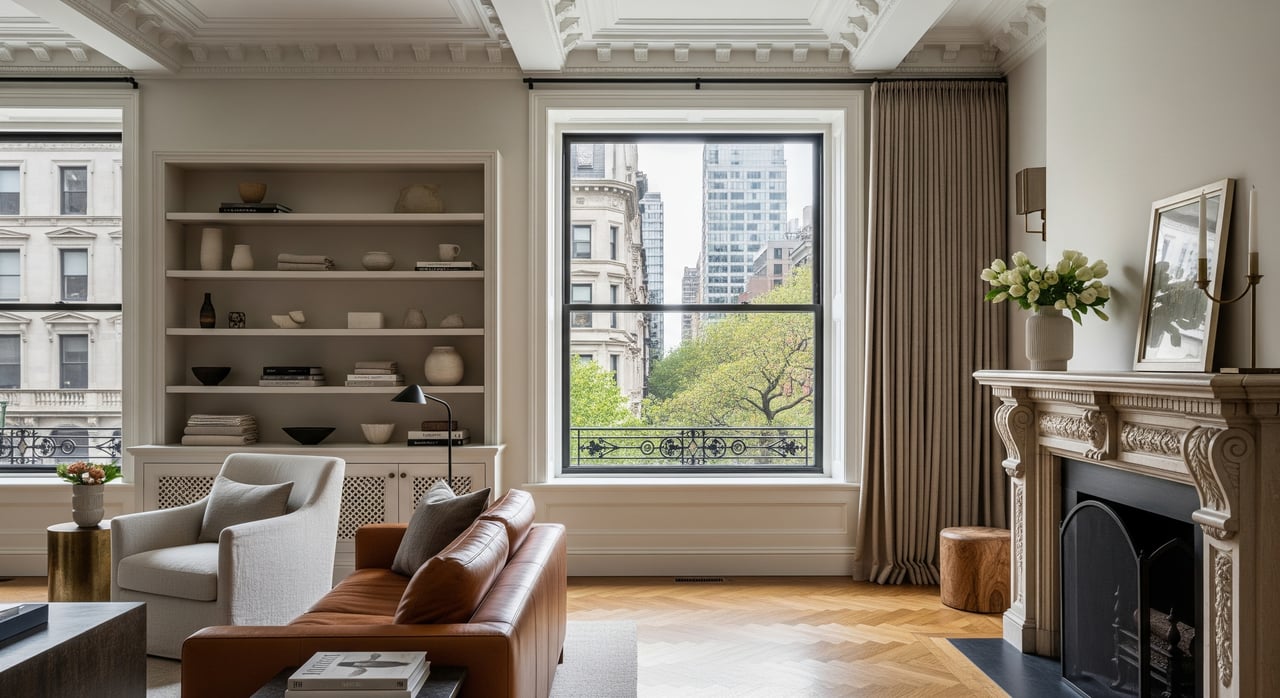
Historic context is not just aesthetic in Chelsea. The Chelsea Historic District was designated in 1970, and the West Chelsea Historic District followed in 2008.
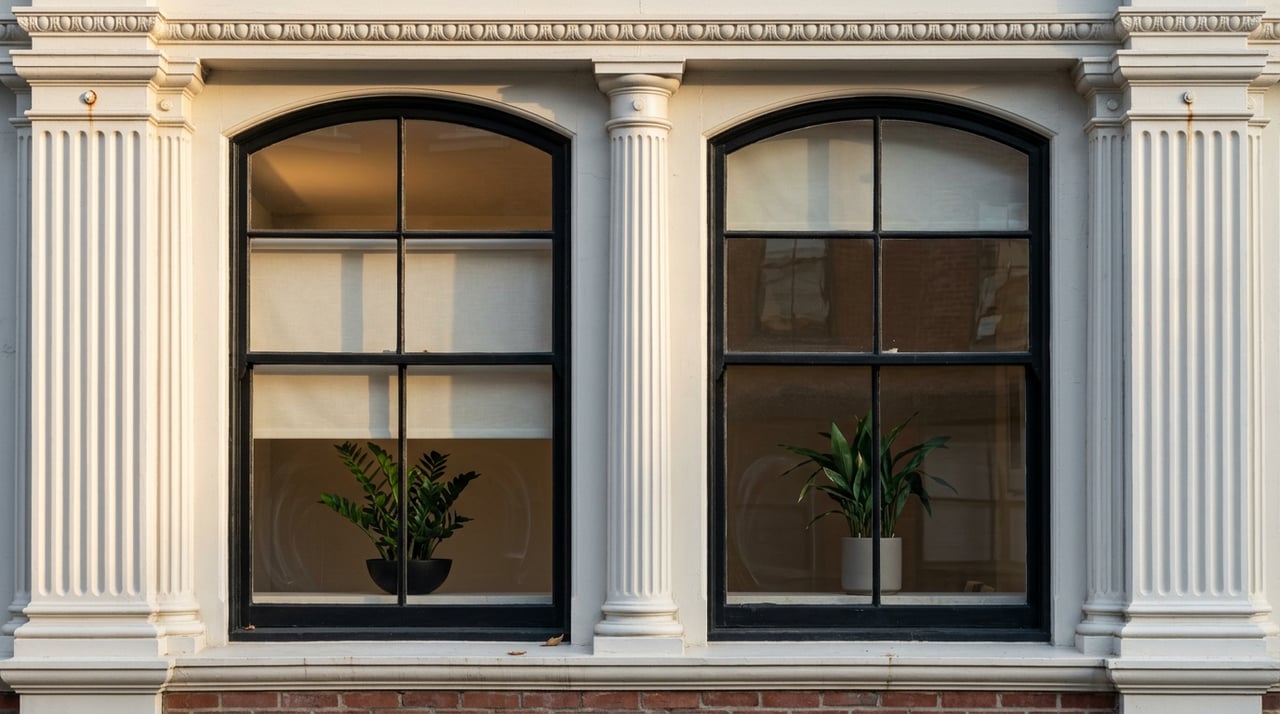
If a loft is located within a landmarked building or historic district, the Landmarks Preservation Commission must approve most exterior alterations. That means elements like windows, terraces, facades, and other visible changes may affect your ownership experience as much as interior finishes do.
For buyers, this is an important due-diligence point. If you are imagining a future renovation, it helps to know early whether the home is landmarked and where your design freedom may begin and end.
Chelsea vs. SoHo and Tribeca
Chelsea is often compared with SoHo and Tribeca because all three neighborhoods share loft DNA. The difference is in how that loft culture shows up on the street and in the broader neighborhood identity.
Planning materials for SoHo and NoHo emphasize a mixed-use environment with residential, retail, office, and food-and-beverage uses, along with active frontages. In simple terms, SoHo often reads as the more retail-forward loft neighborhood.
Tribeca has a different feel again. City materials describe zoning intended to protect light manufacturing while allowing residential uses to coexist, and designation reports describe a district of historic store-and-loft buildings. Compared with arts-heavy West Chelsea, Tribeca generally presents a stronger residential identity.
Chelsea sits somewhere between the two. It shares loft character with both, but the High Line and the concentration of galleries in West Chelsea give it a more contemporary, design-led edge.
What to Evaluate Before You Buy
For many buyers, the right Chelsea loft is not just about aesthetics. It is also about understanding what kind of loft you are actually buying and how that affects your long-term use of the space.
Focus on these questions during your search:
- Is the home a true conversion or a loft-like new development?
- How much ceiling height, window area, and open span do you actually get?
- Are original features like brick walls, columns, or vaulted ceilings preserved?
- Is the building or district landmarked?
- If so, which future exterior changes may require approval?
- Does the layout support how you live now, including entertaining or working from home?
These distinctions can affect everything from light quality to renovation flexibility. For a design-minded buyer, they often matter just as much as finishes or address.
Why Chelsea Lofts Continue to Matter
Chelsea lofts continue to attract buyers because they offer three forms of value at once: authentic spatial volume, neighborhood culture, and a built context still tied to industrial New York. That combination can be difficult to find in a market where many homes feel polished but interchangeable.
If your priorities include architecture, adaptability, and a neighborhood with a strong visual identity, Chelsea remains a serious contender. The best opportunities are usually the ones that align design potential with smart due diligence from the start.
If you are considering a Chelsea loft and want a discreet, analytical perspective on fit, value, and long-term flexibility, Luca Paci offers tailored guidance for buyers seeking design-driven Manhattan residences.
FAQs
What makes a Chelsea loft different from a standard apartment?
- A Chelsea loft typically emphasizes open space, higher ceilings, larger windows, and industrial details such as brick walls or structural columns, often because the home was converted from a former commercial or industrial building.
What should buyers know about landmarked Chelsea lofts?
- If a loft is in a landmarked building or historic district, many exterior changes such as windows, terraces, and facade work may require approval from the Landmarks Preservation Commission.
How does the High Line affect Chelsea loft living?
- The High Line and the surrounding West Chelsea zoning help shape light, air, views, and open-space conditions, which can make nearby lofts feel more spatially open.
Why do design-minded buyers often choose Chelsea lofts?
- Many buyers are drawn to Chelsea lofts for their volume, flexibility, natural light, and strong connection to the neighborhood’s gallery and design culture.
How is Chelsea different from SoHo for loft buyers?
- Chelsea shares loft character with SoHo, but SoHo is generally more retail-forward, while Chelsea often feels more design-led because of the High Line and West Chelsea’s gallery concentration.
How is Chelsea different from Tribeca for loft buyers?
- Chelsea and Tribeca both offer loft living, but Tribeca generally reads as more residential in character, while West Chelsea has a stronger arts-district identity.