
If you are serious about selling a Chelsea condo, the biggest mistake is treating Chelsea like one simple market. It is not. A condo near the High Line or waterfront can compete in a very different pricing lane than a loft-style residence on a quieter interior block, and buyers in this part of Manhattan tend to notice every detail.
That can feel like a lot to manage, especially if you want a strong launch, a clean negotiation, and no unnecessary time on market. The good news is that a smart strategy can bring clarity. Below, you will see how serious sellers in Chelsea approach pricing, presentation, timing, and discretion so your listing enters the market with purpose. Let’s dive in.
Chelsea Pricing Starts Small
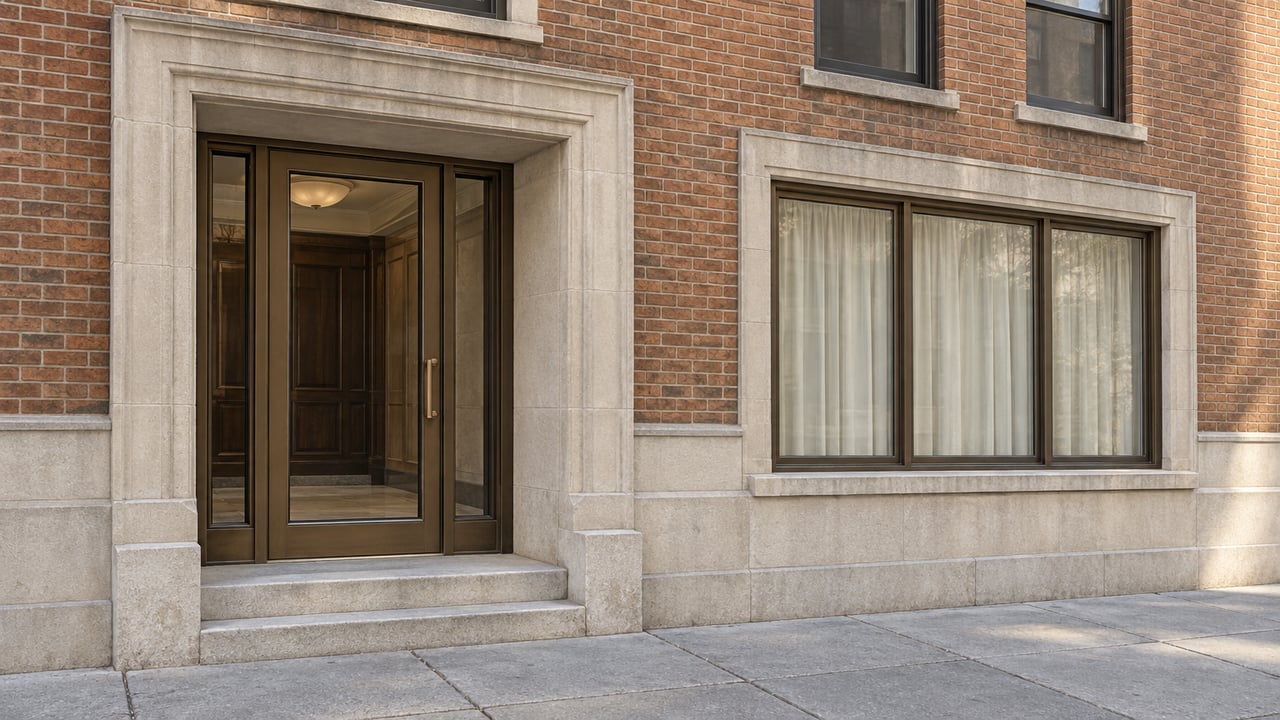
Chelsea is broad in geography and varied in housing stock, which is why broad neighborhood averages can be misleading. According to StreetEasy’s Chelsea neighborhood guide, the area includes newer ultra-luxury condos near the High Line and West Chelsea waterfront, along with older prewar buildings and loft-style residences across the neighborhood.
For you as a seller, that means your real competition is rarely every condo in Chelsea. It is the subset of homes that match your building type, service level, finish quality, exposure, and exact micro-location. A boutique loft conversion and a full-service glass tower may share a ZIP code, but buyers will not value them the same way.
Use the Right Comparable Sales
The strongest pricing strategy starts with the closest product match. If your condo is in a boutique or design-forward building, compare it first with recent sales that share that same product profile, rather than pulling in a generic neighborhood average.
Recent Chelsea sales show how wide the spread can be. At 555 West 22nd Street #4CE at The Cortland, the home sold for $3.785M, or $2,331 per square foot, while 252 7th Avenue #17I at Chelsea Mercantile sold for $4.022M, or $1,826 per square foot. Other recent trades include 455 West 20th Street #5C at $2.44M or $2,049 per square foot, and 101 West 24th Street #25H at Chelsea Stratus at $1.61M or $1,930 per square foot. These examples from recent Chelsea condo listings and sales show why building-specific analysis matters.
Price for Negotiation, Not Guesswork
Chelsea is still a negotiation market, but that does not mean you should start high and hope to find your number later. In StreetEasy’s October 2025 market report, Chelsea’s median sale-to-list ratio was 96.9%, with a 3.1% median discount off asking. StreetEasy also noted that buyers had more room to negotiate in Chelsea than in some other Manhattan neighborhoods, based on its NYC market analysis.
The practical lesson is simple: launch close to true market value. If you price too aggressively, you may lose momentum with the exact buyers who would have acted early if the number felt credible.
Presentation Drives Perception
In Chelsea, presentation is not a cosmetic extra. It is part of value creation. Design-conscious buyers often respond to specifics, and the homes that stand out tend to tell a clear story.
StreetEasy describes Chelsea as an arts-driven neighborhood, with appeal tied to galleries, restaurants, the High Line, and block-by-block location nuances. That context matters because buyers are often not just purchasing square footage. They are responding to how a residence fits into a particular Chelsea lifestyle and design sensibility.
Lead With the Features Buyers Notice
The most effective Chelsea condo marketing tends to emphasize features such as:
- Natural light and exposure
- Ceiling height and volume
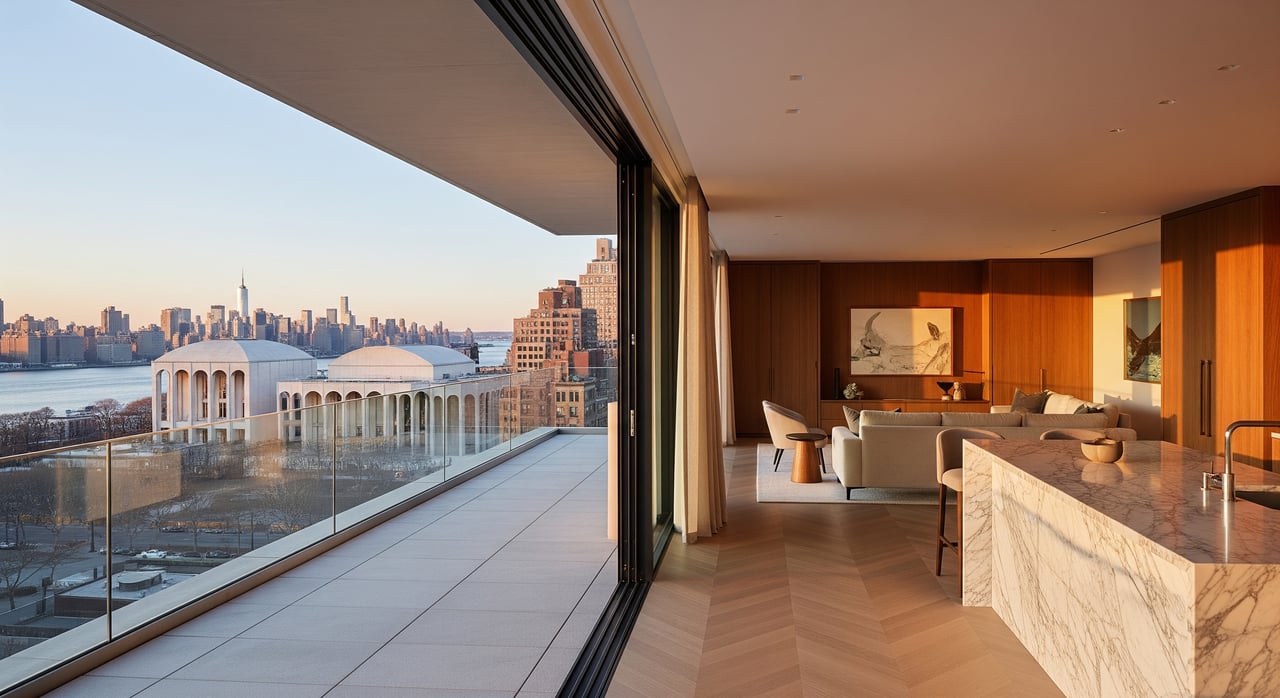
- View corridors or quiet orientation
- Architectural pedigree
- Private outdoor space
- Building services and amenities
- Storage and practical functionality
- Exact micro-location within Chelsea
In recent Chelsea listing language, strong narratives often focus on light, scale, window lines, and architecture rather than generic luxury wording. That pattern is consistent with the way Chelsea is marketed on StreetEasy.
Write the Listing Around the Home You Actually Have
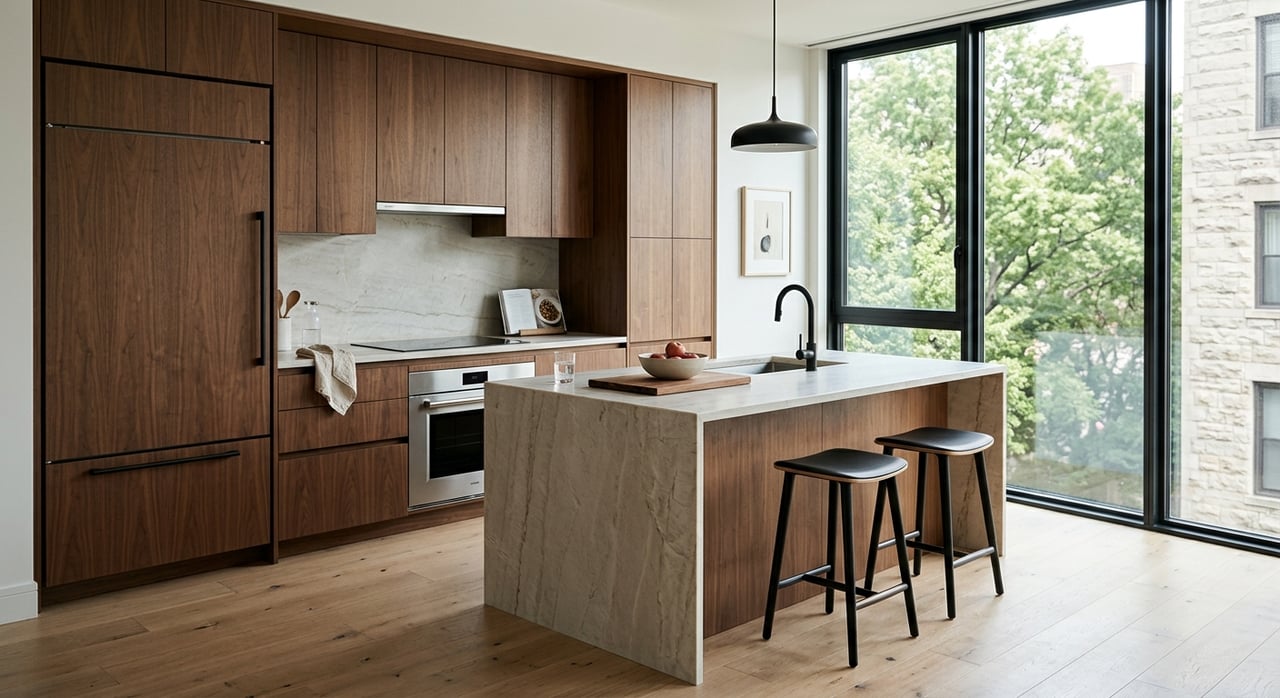
A serious listing strategy does not rely on vague phrases. It should describe your condo in precise, visual, and credible terms. If your home has corner light, unusually high ceilings, gallery-ready wall space, or a quiet exposure, those are not side notes. They are central to the value proposition.
For example, the Chelsea Mercantile sale referenced nearly 11-foot ceilings and 14 nearly floor-to-ceiling windows. The Cortland listing highlighted architectural pedigree. That tells you something important: buyers in this market pay attention to real design distinctions, and your listing should be built around them.
Timing Can Improve Your Odds
If your sale timing is flexible, seasonality should be part of the strategy. In New York City, spring is generally the strongest listing window.
According to StreetEasy’s seasonality research, shopper inquiries are 36.5% higher in spring than in autumn and early winter, March is typically the most competitive month, and homes listed in spring sell about 27 days faster than comparable homes listed later in the year.
Spring First, September Second
For many Chelsea sellers, spring offers the strongest mix of buyer attention and urgency. September can also work well as a secondary rush after summer, but StreetEasy notes that it is usually less favorable than spring because buyer supply is lower relative to the autumn listing surge.
That does not mean you should always wait. If your unit aligns with current demand and your pricing is sharp, a well-prepared listing can still perform outside the spring window. The key is to match launch timing with your goals rather than listing before the property and strategy are fully ready.
A Quiet Launch May Be the Right Move
Not every Chelsea seller wants maximum exposure on day one. If privacy matters, or if you want to test pricing before broad syndication, a discreet launch may be worth discussing.
The National Association of Realtors recognizes both office-exclusive listings and delayed-marketing listings under its Multiple Listing Options for Sellers policy. Under that framework, an office exclusive is a listing the seller directs not to disseminate through the MLS or public channels, while a delayed-marketing listing is filed with the MLS but held back from public syndication for an allowed period.
When Discretion Helps
A quieter launch can make sense if you:
- Prefer more privacy around the sale
- Want early feedback from a broker network
- Need to test pricing before a full public debut
- Want to refine presentation before broad exposure
This approach is not right for every seller. Public exposure often remains the best path for generating the widest buyer pool. Still, for some Chelsea condos, especially higher-end residences where discretion matters, a controlled launch sequence can be a strategic choice.
Seller Costs Affect the Strategy
Pricing a Chelsea condo is not only about the headline number. Your net proceeds matter, and serious sellers plan for closing costs early.
According to the NYC Department of Finance, the city Real Property Transfer Tax applies to condo transfers and is usually paid at closing. For residential transfers over $500,000, the city rate is 1.425%, and the return must be filed within 30 days.
Buyer Costs Can Shape Negotiation Too
New York State also imposes a 1% mansion tax on residential conveyances of $1 million or more, according to the same NYC Department of Finance resource. While that tax is not your direct seller expense, it does affect buyer affordability and can influence where buyers draw the line during negotiations.
This is why serious sellers think in net terms, not just ask-price terms. The strongest strategy often comes from balancing marketable pricing with your real financial outcome.
What Serious Chelsea Sellers Do Differently
When you step back, a pattern emerges. The sellers who tend to perform best are not guessing. They are preparing a launch that is specific to the condo, the building, and the buyer pool.
In practical terms, that usually means:
- Filtering comps carefully by building type, finish, exposure, and micro-location
- Pricing near true market value instead of building in room for repeated cuts
- Investing in presentation early so the listing reads as polished and intentional
- Framing the home with specifics like light, ceiling height, architecture, and block context
- Choosing the right launch sequence whether that means spring timing, a full public debut, or a more discreet rollout
Chelsea buyers are sophisticated, and first impressions matter. In a market where discounts are still common but standout listings can command stronger attention, your strategy needs to feel as refined as the property itself.
If you are preparing to sell and want a more tailored, discreet approach to pricing, positioning, and launch strategy in Chelsea, Luca Paci offers founder-led advisory designed for high-stakes Manhattan sales.
FAQs
How should you price a Chelsea condo listing?
- You should price a Chelsea condo using closely matched comparable sales based on building type, finish quality, exposure, amenities, and micro-location rather than relying on broad neighborhood averages.
Is spring the best time to list a Chelsea condo?
- If your timing is flexible, spring is generally the strongest listing window in NYC, with higher shopper inquiry levels and faster average sales than autumn and early winter.
Should a Chelsea condo seller consider a quiet launch?
- A quiet launch can be useful if you want privacy or want to test pricing before full public syndication, since office-exclusive and delayed-marketing options are recognized under NAR policy.
What features should a Chelsea condo listing highlight?
- A Chelsea condo listing should usually highlight natural light, ceiling height, views, architectural pedigree, outdoor space, building services, storage, and the home’s exact location within Chelsea.
Do closing costs affect Chelsea condo pricing strategy?
- Yes, seller net proceeds matter because NYC transfer taxes apply to condo transfers, and buyer costs such as the state mansion tax can also influence negotiation and affordability.