Wondering what it takes to make an Upper East Side apartment stand out to serious buyers? In a market shaped by polished co-ops, refined condos, and high buyer scrutiny, small details can influence how your home is perceived from the first showing onward. If you are preparing to sell, the goal is not just to look good in photos. It is to present a well-managed, well-documented property that feels easy to evaluate and easy to pursue. Let’s dive in.
Why Upper East Side prep matters
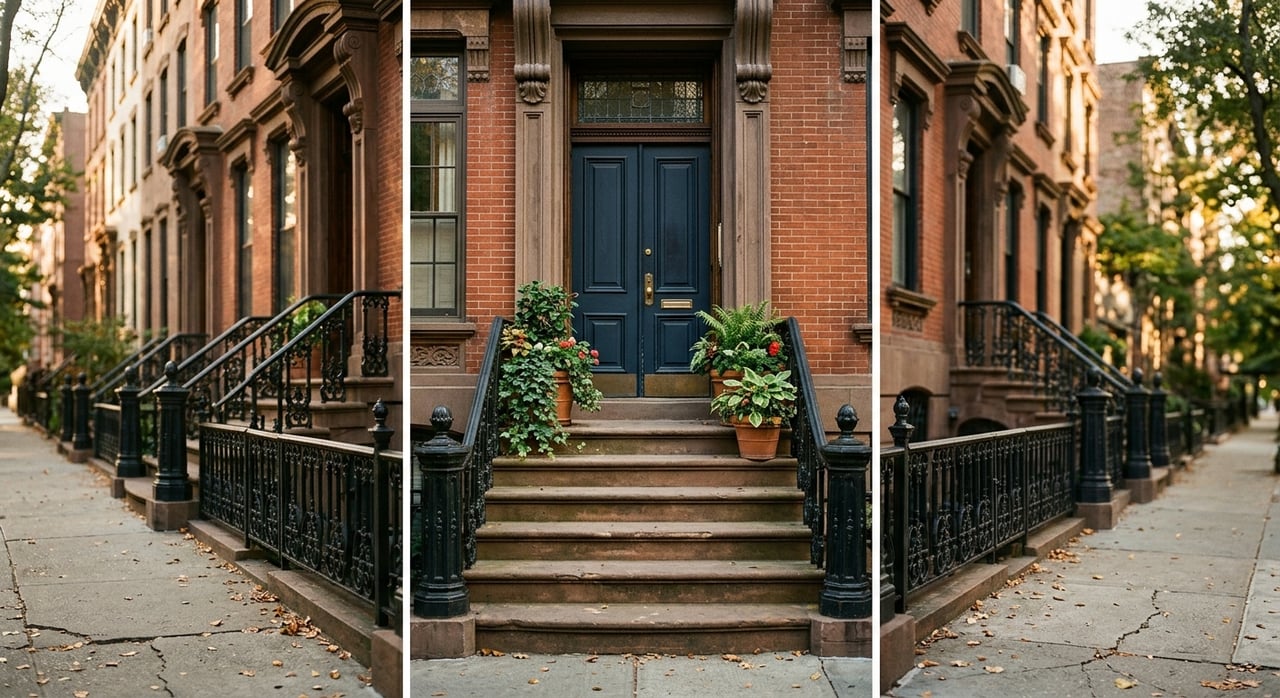
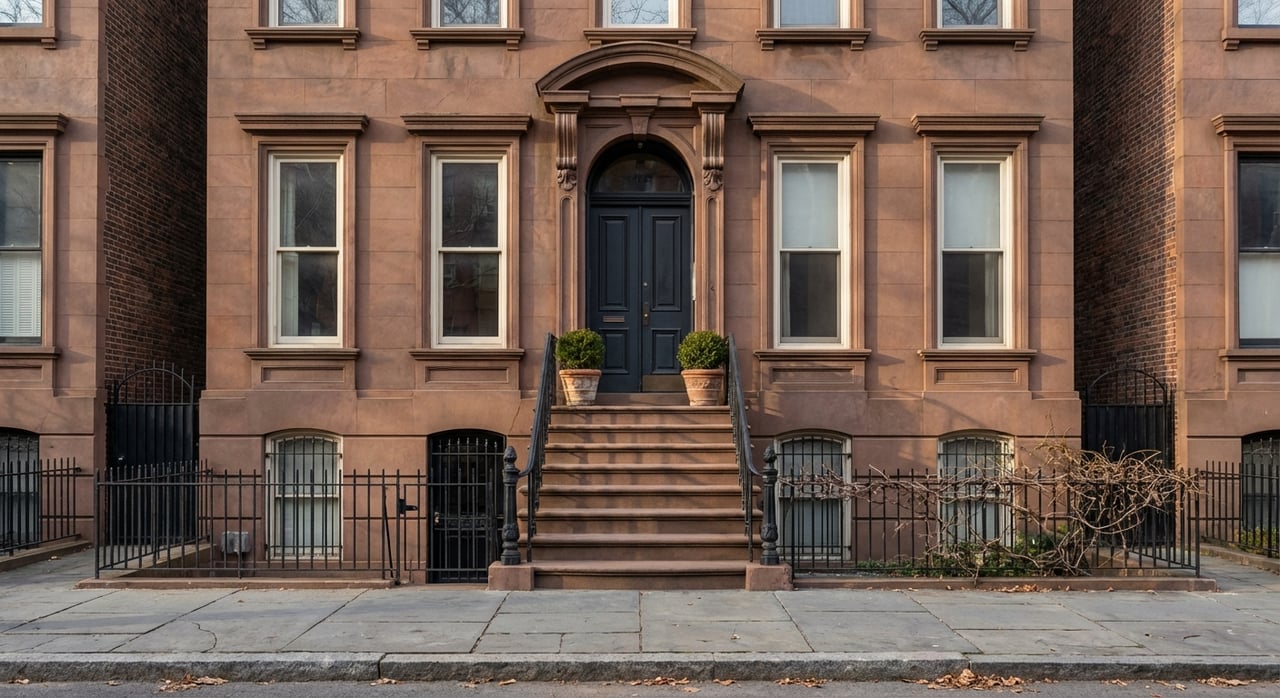
The Upper East Side remains one of Manhattan’s most established and closely watched residential markets. StreetEasy describes the neighborhood as a place associated with classic New York sophistication, with especially high-value inventory between Park and Fifth Avenues and a mix of co-ops, condos, historic architecture, and quieter side streets.
That setting creates a clear expectation for sellers. Buyers in this submarket often compare not only layout and finishes, but also overall presentation, building quality, and how smoothly a home appears ready for purchase.
Market conditions also make preparation more important. StreetEasy reported that Manhattan inventory was up 9.3% year over year in December 2025, while median days on market fell to 91, and it expected a busier spring market in 2026. In practical terms, that means you may face more competition while also meeting buyers who are ready to move when the right property appears.
Focus on visible condition first
For most Upper East Side sellers, the highest-value prep starts with the apartment’s physical condition. The New York State Attorney General advises co-op and condo buyers to pay close attention to floors, windows, appliances, elevators, HVAC, electrical systems, and plumbing.
That guidance tells you something important about buyer behavior. Even when the apartment is beautifully designed, discerning buyers still look for signs of upkeep, consistency, and risk. Visible wear can raise questions that go beyond cosmetics.
Cosmetic fixes that usually pay off
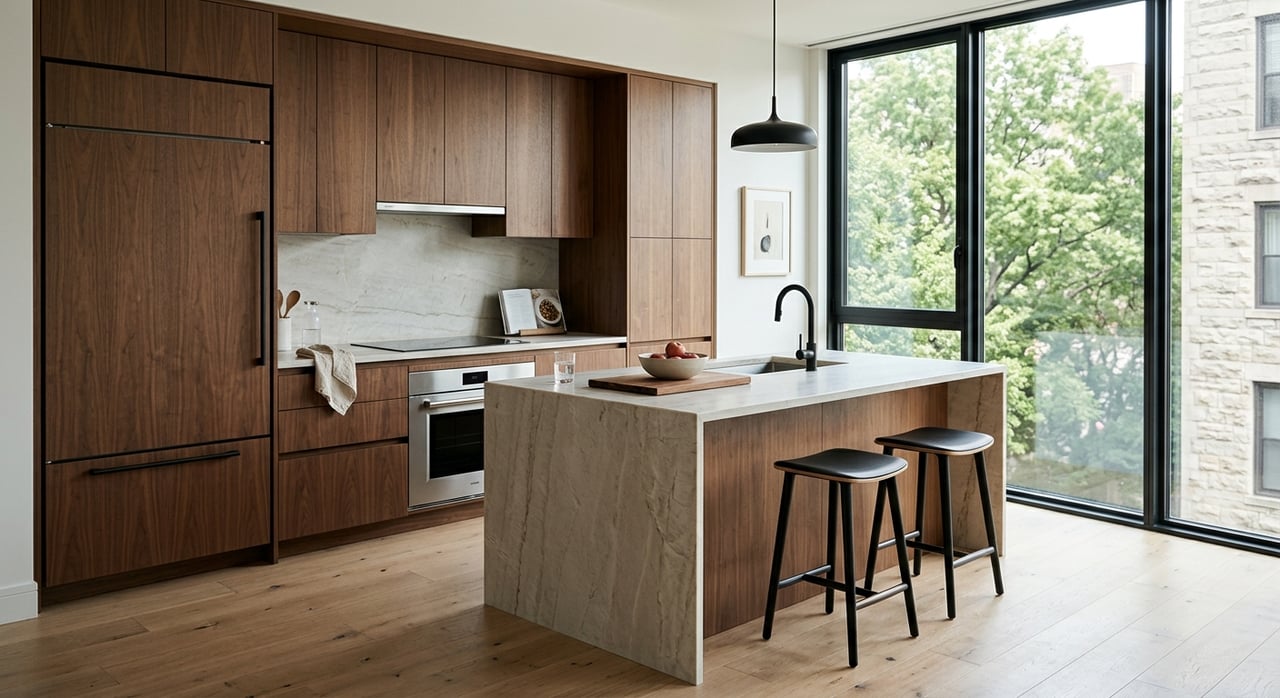
Before launch, prioritize simple improvements that make the home feel clean, cared for, and move-in ready:
- Fresh neutral paint
- Repaired wall or ceiling blemishes
- Clean grout and caulk
- Straight, aligned hardware
- Strong, warm lighting
- Polished floors
- Removal of odors
- Removal of excess furniture and clutter
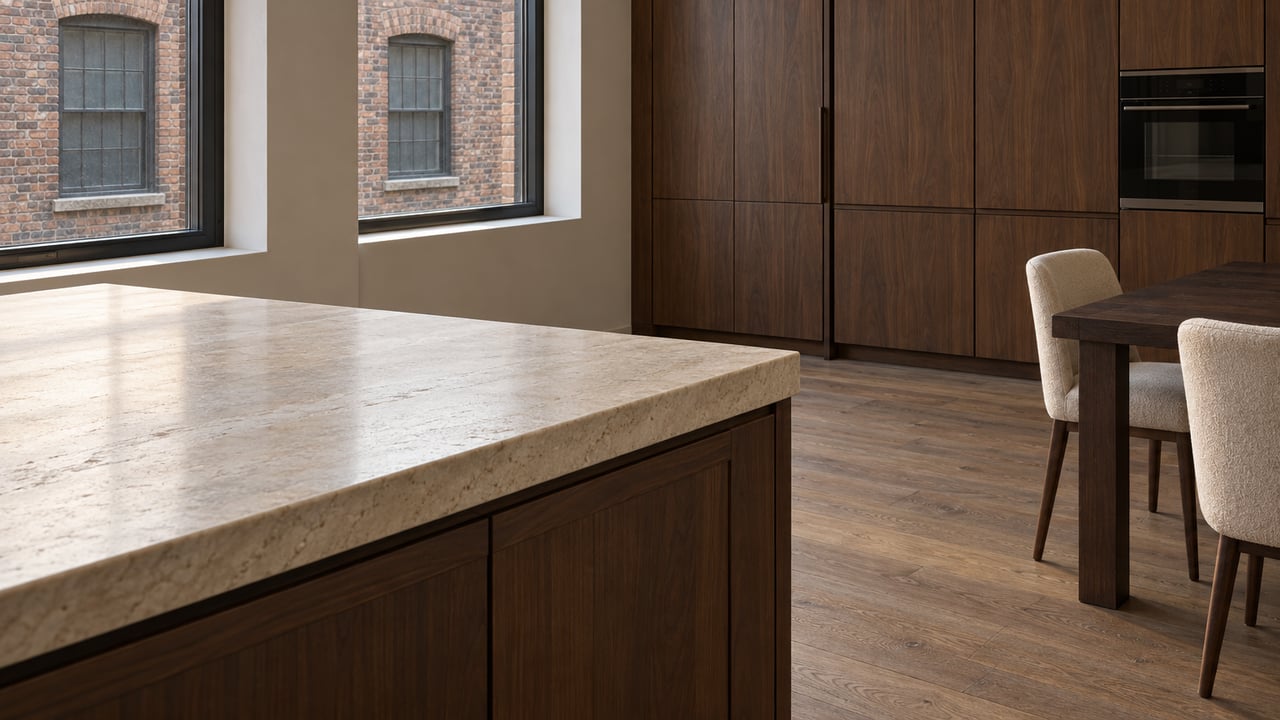
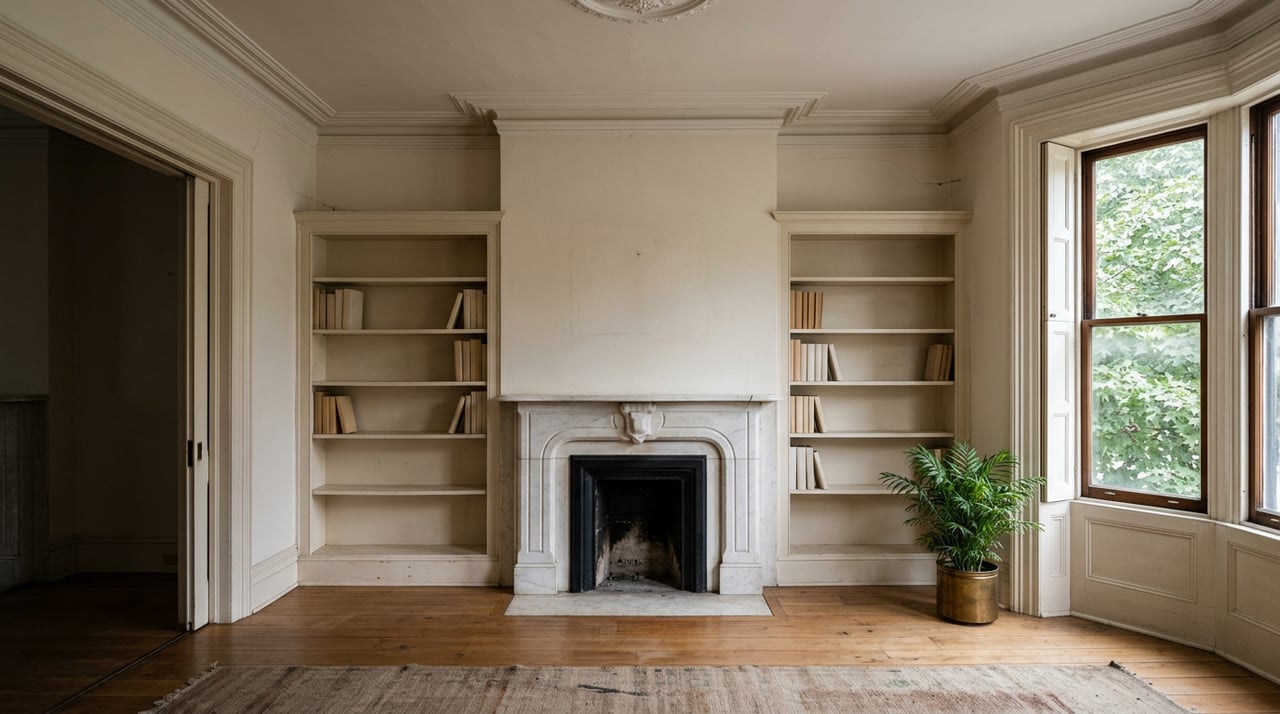
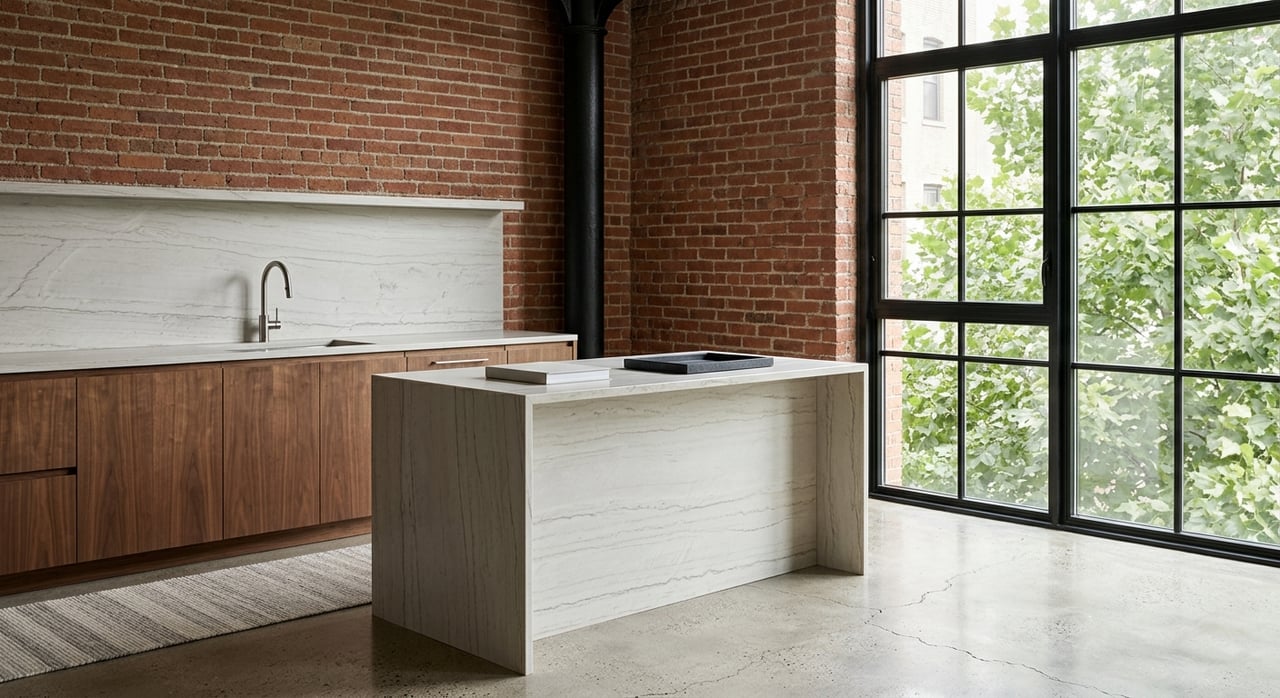
These updates are often more effective than highly personal renovations. In a market where buyers inspect carefully, a calm and consistent presentation can help them focus on scale, light, and layout rather than deferred maintenance.
Light matters on the Upper East Side
StreetEasy notes that parts of the Upper East Side can be affected by tall-building shadowing. That makes lighting and timing especially important when you prepare for photography and showings.
If your apartment receives its best light during a narrow part of the day, plan around it. Bright, well-timed photography and showings can help rooms feel more open, more inviting, and more valuable.
Understand co-op and condo differences
Upper East Side buyers are often very familiar with the difference between co-ops and condos. Your preparation should reflect that.
A condo buyer is typically reviewing the unit and the condominium’s governing documents. A co-op buyer is also evaluating the building structure, financials, and rules in a way that can feel even more layered. Either way, buyers are not just buying your finishes. They are assessing the full ownership framework around the apartment.
Co-op sellers should be document-ready
According to the New York State Attorney General, co-op owners should be prepared to provide:
- By-laws
- Proprietary lease
- Certificate of incorporation
- House rules
Buyers may also review minutes, annual balance sheets, profit-and-loss statements, and annual reports. If you own a co-op, your preparation should anticipate detailed questions about building operations, repairs, and financial stability.
Condo sellers should organize building records
The Attorney General says condo owners should be able to point buyers to:
- Declaration
- By-laws
- Floor plans
- Rules and regulations available through the offering plan or board office
Condo boards must also keep detailed records of receipts and expenditures and make them available to owners. This means sophisticated buyers may want clarity not only on your unit, but also on building-level finances and any known open issues.
Build a seller packet early
One of the best ways to reduce friction is to assemble your documents before the apartment goes live. A complete, organized seller packet signals seriousness and helps your deal move forward with fewer delays.
For Upper East Side resales, this matters even more because buyers often move quickly from first impressions to due diligence. If your paperwork is scattered, that momentum can fade.
What to gather before listing
Consider organizing:
- Alteration approvals
- Appliance and system service records
- Receipts or warranties for upgrades
- Recent maintenance or common charge history
- A concise list of known building issues or open items
- Core governing documents for the co-op or condo
This approach aligns with the Attorney General’s guidance that buyers review building documents, financial reports, and records for defects or repair costs. The more prepared you are, the easier it is to answer questions with confidence.
Do not rely on a standard disclosure form
This point is easy to miss in New York. The current New York State Property Condition Disclosure Statement, required beginning July 1, 2025, excludes condominium units and cooperative apartments from the definition of residential real property.
In other words, co-op and condo sellers should not assume a generic one-to-four-family disclosure process will cover the sale. In this segment, building documents and written records typically matter far more.
Coordinate repairs the right way
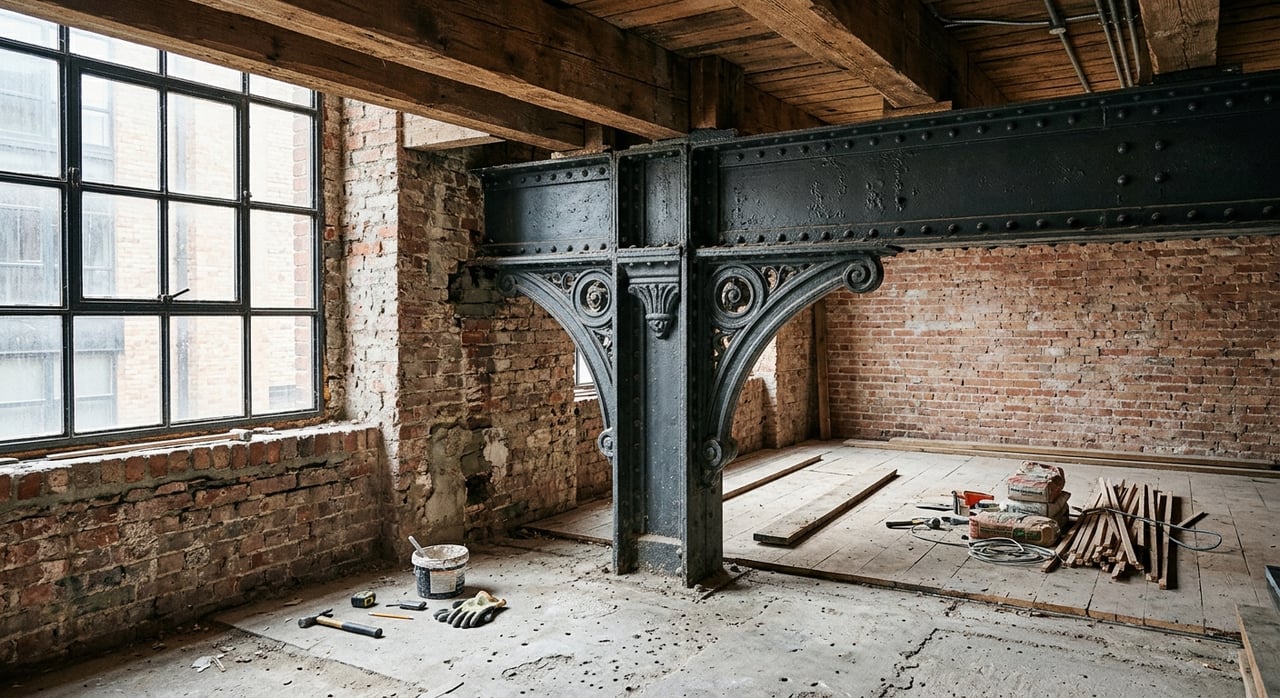
If you plan to do any work before listing, compliance still matters. New York City requires a Home Improvement Contractor license for construction, repair, remodeling, or additions to residential property, including work performed in co-ops and condos.
The city also notes that many projects require permits, although some minor work does not. Painting, plastering, installing cabinets, and floor resurfacing are examples of items the city identifies as work that may not require permits.
Be careful with pre-1978 apartments
If your apartment or building dates to before 1978, renovation, repair, or painting work that disturbs lead-based paint can create hazardous dust. The EPA says that work should be done by EPA- or state-certified firms using lead-safe work practices.
This is especially relevant on the Upper East Side, where many homes are in older buildings. Even a simple refresh should be approached carefully if painted surfaces will be disturbed.
Launch only when the apartment is ready
In a fast-moving but competitive Manhattan market, a clean launch often outperforms a rushed one. With inventory up and buyer activity expected to increase in spring, it helps to complete repairs, refresh presentation, and gather documents before photography begins.
That avoids the common problem of going live while still fixing details, chasing paperwork, or interrupting showing schedules. Buyers notice when a listing feels unfinished.
Keep showings easy
To reduce friction during active marketing, aim for a simple routine:
- Keep surfaces clear
- Make closets presentable
- Tidy under-sink storage
- Eliminate odors
- Confirm showing access with building staff or the managing agent
- Plan around elevator or security procedures if needed
This kind of preparation may sound small, but it supports a better experience for both buyers and agents touring the home. In many Upper East Side buildings, logistics matter almost as much as appearance.
Bring in your attorney early
The New York State Attorney General specifically recommends attorney review before signing a purchase agreement. That is especially important in a co-op or condo sale, where building documents, financial considerations, and deal structure can all affect timing and negotiation.
If you are considering major pre-sale repairs, unusual credits, or questions with tax or financial implications, early coordination can help you avoid improvising later. In a high-value market, clarity is part of presentation.
Preparing for discerning buyers means reducing uncertainty
At the high end of the Upper East Side market, buyers are not only paying for location or finishes. They are paying for confidence. They want to feel that the apartment has been maintained, the building is understandable, and the transaction will be handled with care.
That is why the strongest preparation plan usually has three parts: polish the visible details, organize the documentation, and coordinate the process early. When those pieces come together, your home can enter the market with the kind of quiet confidence that sophisticated buyers recognize.
If you are preparing to sell an Upper East Side co-op or condo and want a strategic, discreet plan tailored to your property, Luca Paci offers boutique advisory, tailored marketing, transaction execution, and concierge-level guidance.
FAQs
What cosmetic updates matter most before selling an Upper East Side apartment?
- The most useful updates are usually fresh neutral paint, repaired wall or ceiling blemishes, clean grout and caulk, aligned hardware, polished floors, improved lighting, and removal of odors or clutter.
What documents should an Upper East Side co-op seller prepare before listing?
- Co-op sellers should be ready with by-laws, the proprietary lease, certificate of incorporation, house rules, and any helpful building records or apartment-level service and alteration documents.
What documents should an Upper East Side condo seller prepare before listing?
- Condo sellers should organize the declaration, by-laws, floor plans, rules and regulations, and practical records such as upgrade receipts, service history, and common charge information.
Does a New York co-op or condo seller use the standard property condition disclosure form?
- No. Beginning July 1, 2025, New York’s Property Condition Disclosure Statement excludes condominium units and cooperative apartments from that definition of residential real property.
Do Upper East Side pre-listing renovations require licensed contractors or permits?
- In New York City, home improvement work on residential property generally requires a licensed Home Improvement Contractor, and many projects require permits, although some minor work like painting or floor resurfacing may not.
Why does timing matter when listing an Upper East Side apartment?
- Timing matters because Manhattan inventory has risen, buyer activity is expected to increase in spring, and a fully prepared launch helps you compete more effectively from day one.