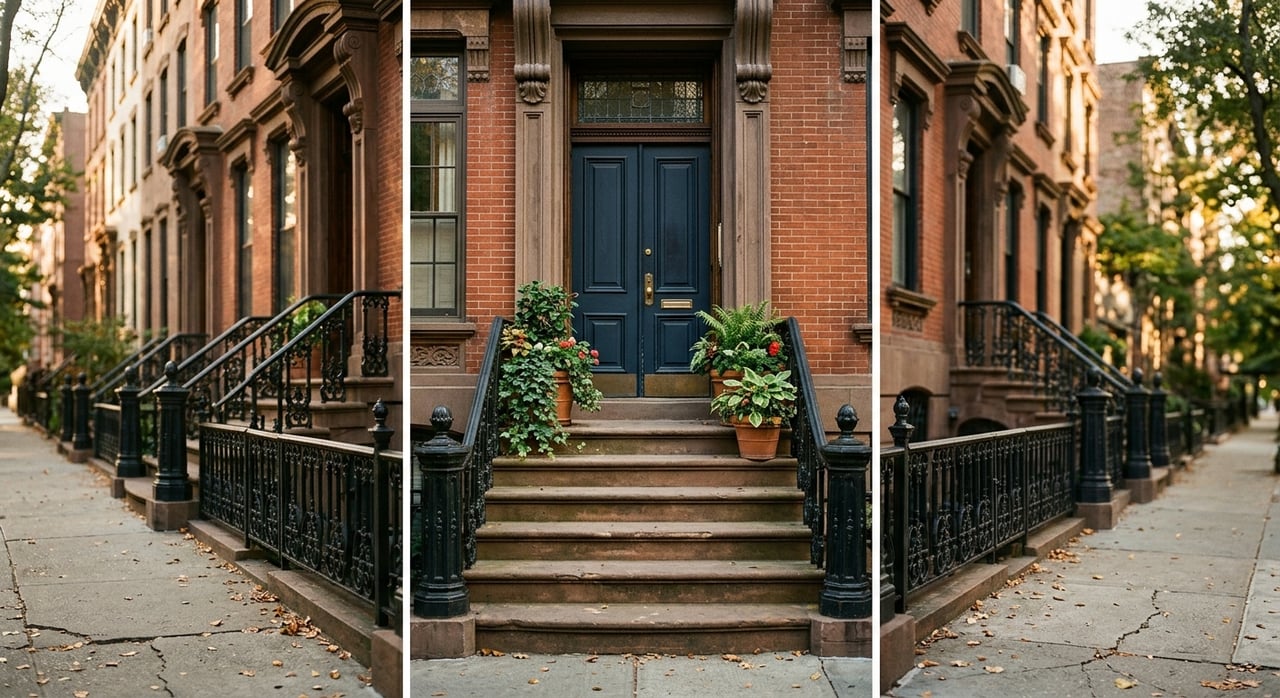
Picture this: you trade elevator living for a front stoop, a parlor floor, and a daily rhythm shaped by stairs, sunlight, and the block outside your door. If you are considering a Bedford-Stuyvesant brownstone, you are not just choosing a home style. You are choosing a more tactile way of living in one of Brooklyn’s most architecturally distinctive row-house neighborhoods. This guide will help you understand what day-to-day life can actually feel like, from layout and outdoor space to errands, parks, and preservation. Let’s dive in.
Brownstone Living Starts With the House
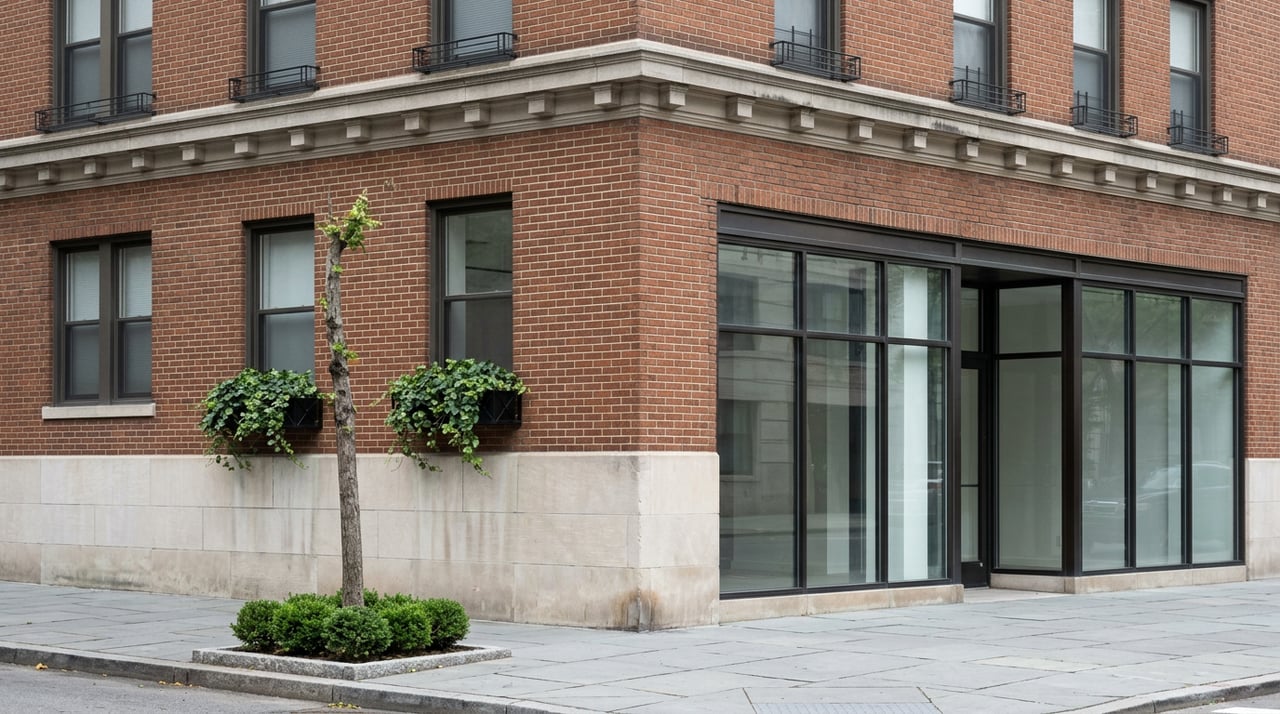
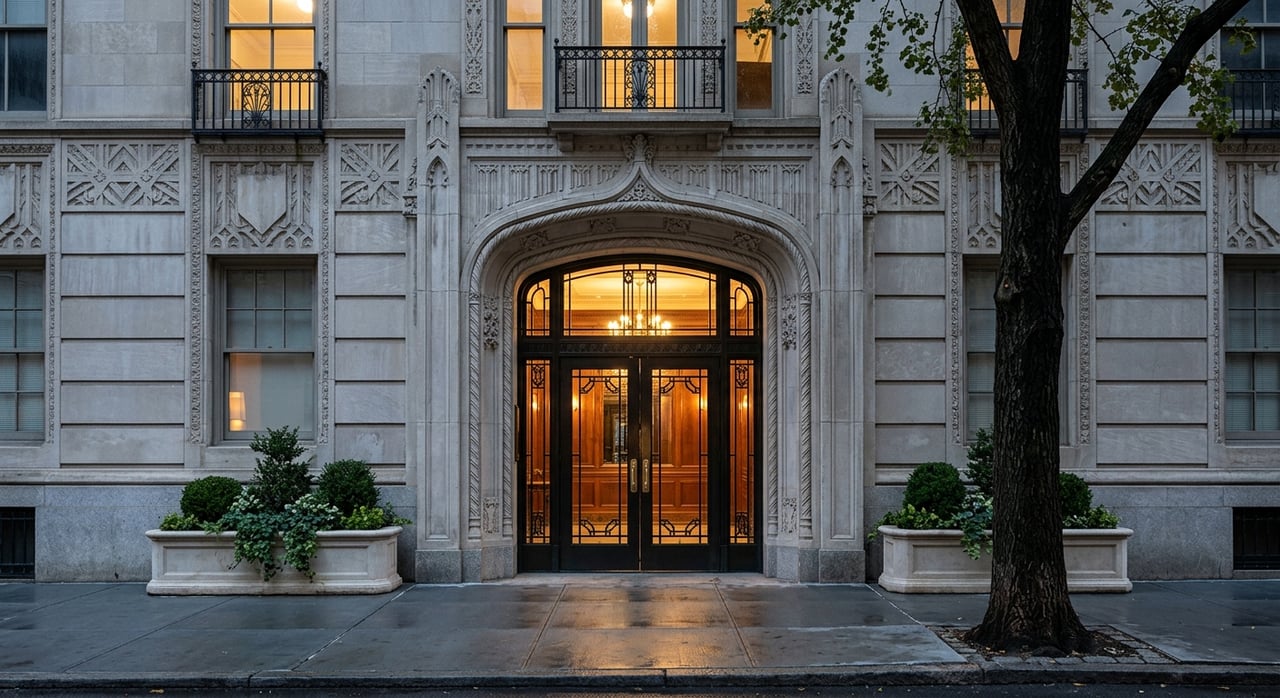
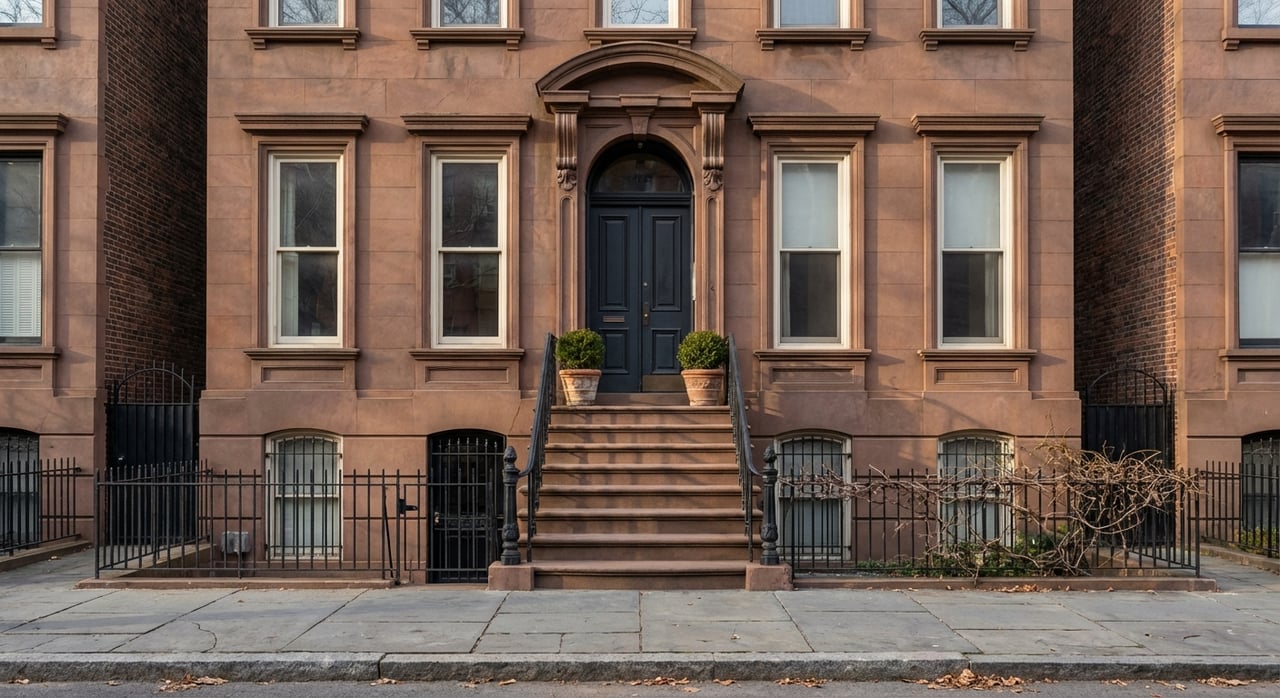
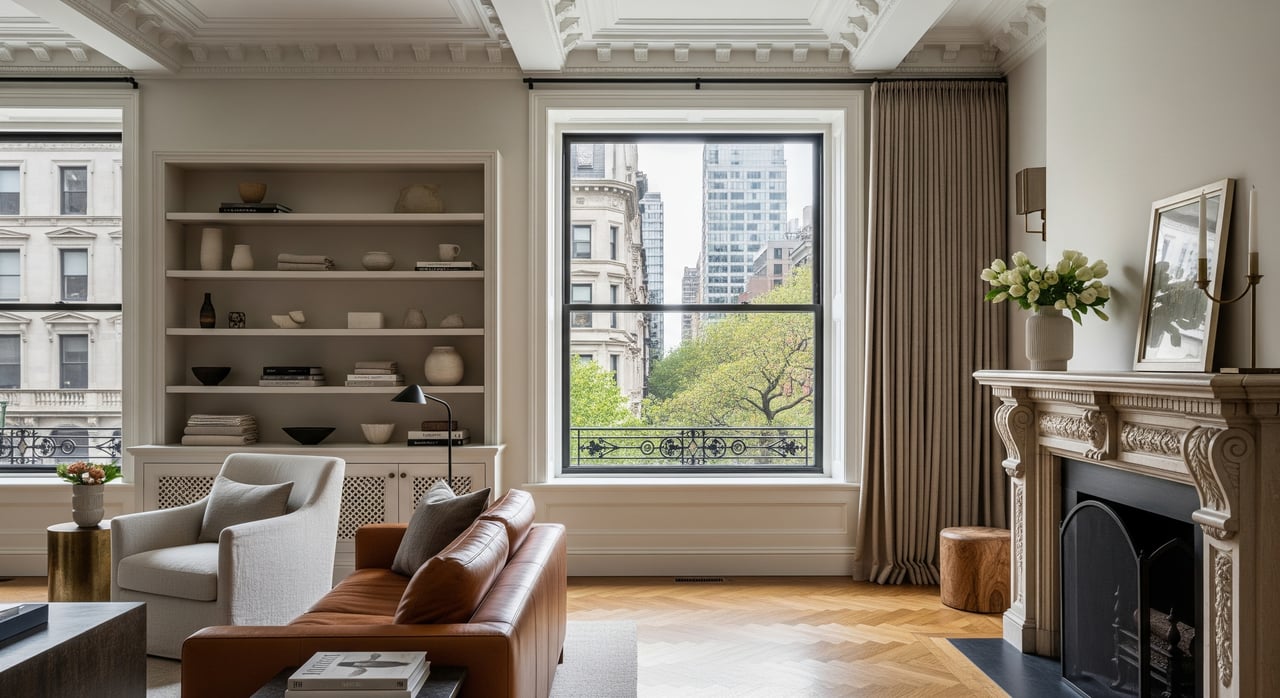
In Bedford-Stuyvesant, “brownstone living” is best understood as row-house living rather than one exact building type. In the Bedford Stuyvesant/Expanded Stuyvesant Heights Historic District, most buildings are single-family row houses, though the district also includes flats buildings and two-family houses. Typical houses are two to four stories above a raised basement and are often about 12 to 25 feet wide, with stoops, front areaways, and rear yards.
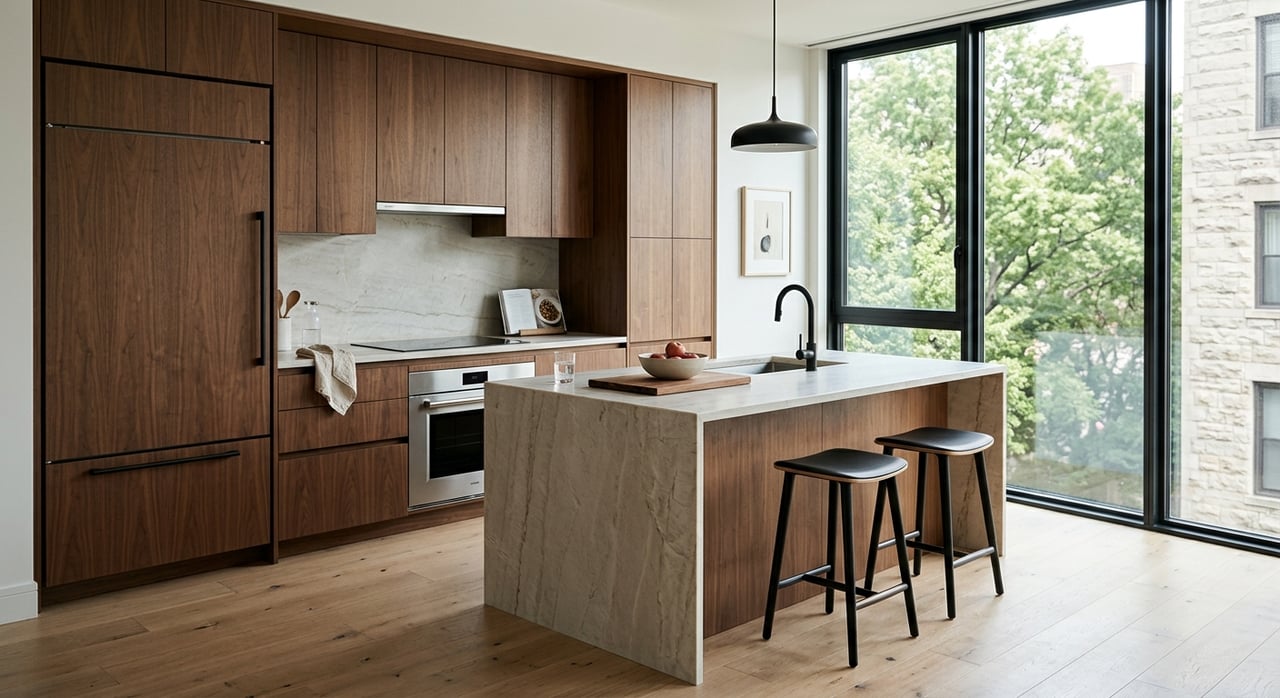
That physical structure shapes your routine in ways that feel very different from a condo or apartment. Instead of a single-level layout, your living experience often unfolds vertically. You move through the home by floors, with different spaces serving different roles throughout the day.
The Layout Feels Vertical and Layered
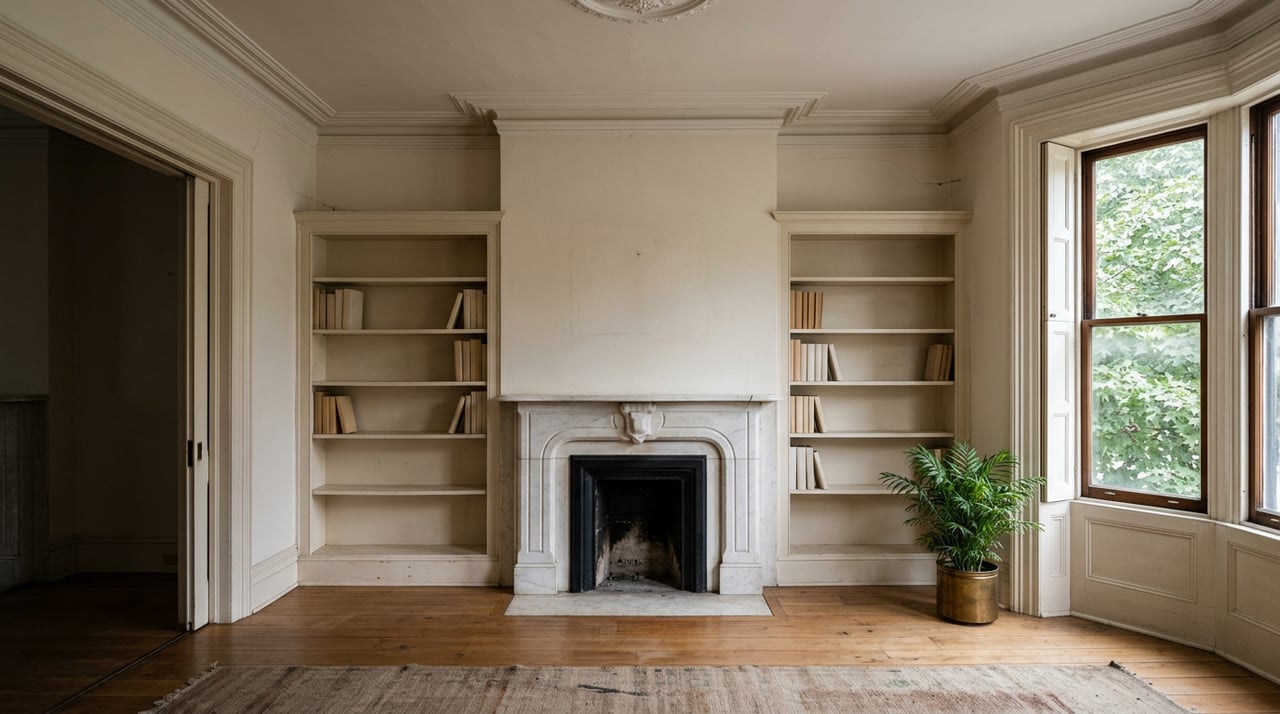
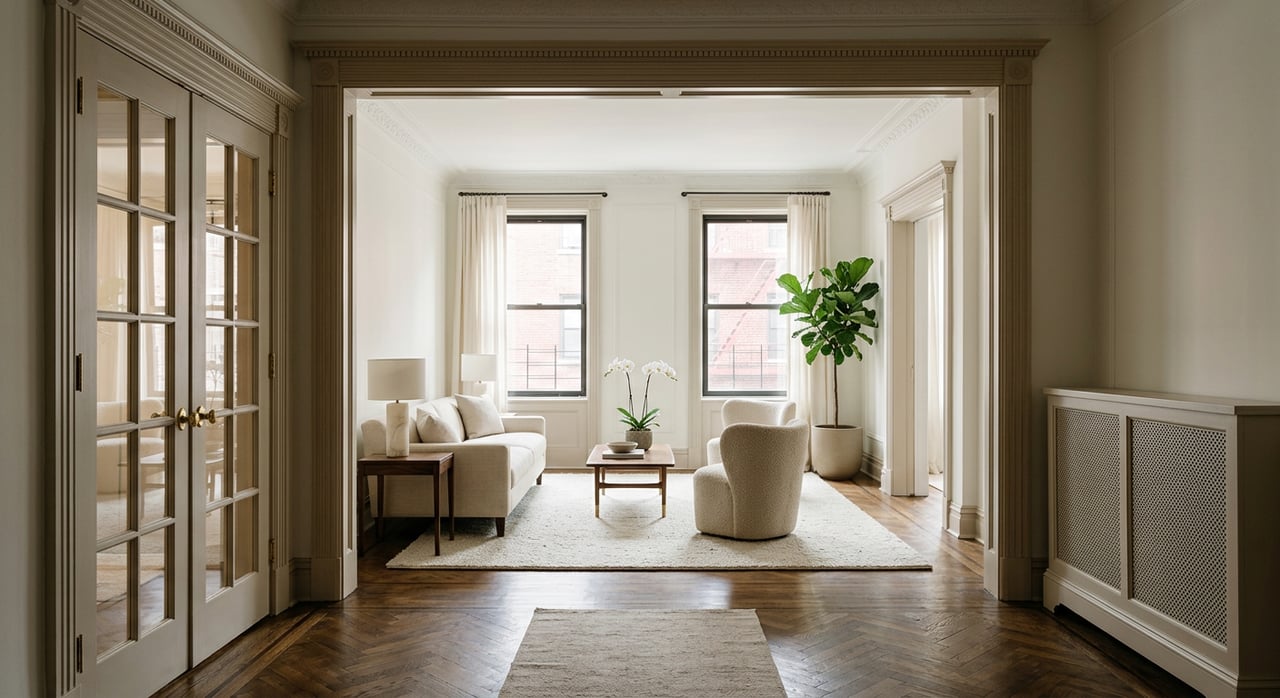
A classic row house often begins at the stoop. According to the Landmarks Preservation Commission rowhouse manual, the traditional brownstone plan placed the foyer and parlor on the main level, with the dining room often in the raised basement below the stoop. Later versions, known as the American Basement plan, shifted the entrance to street level.
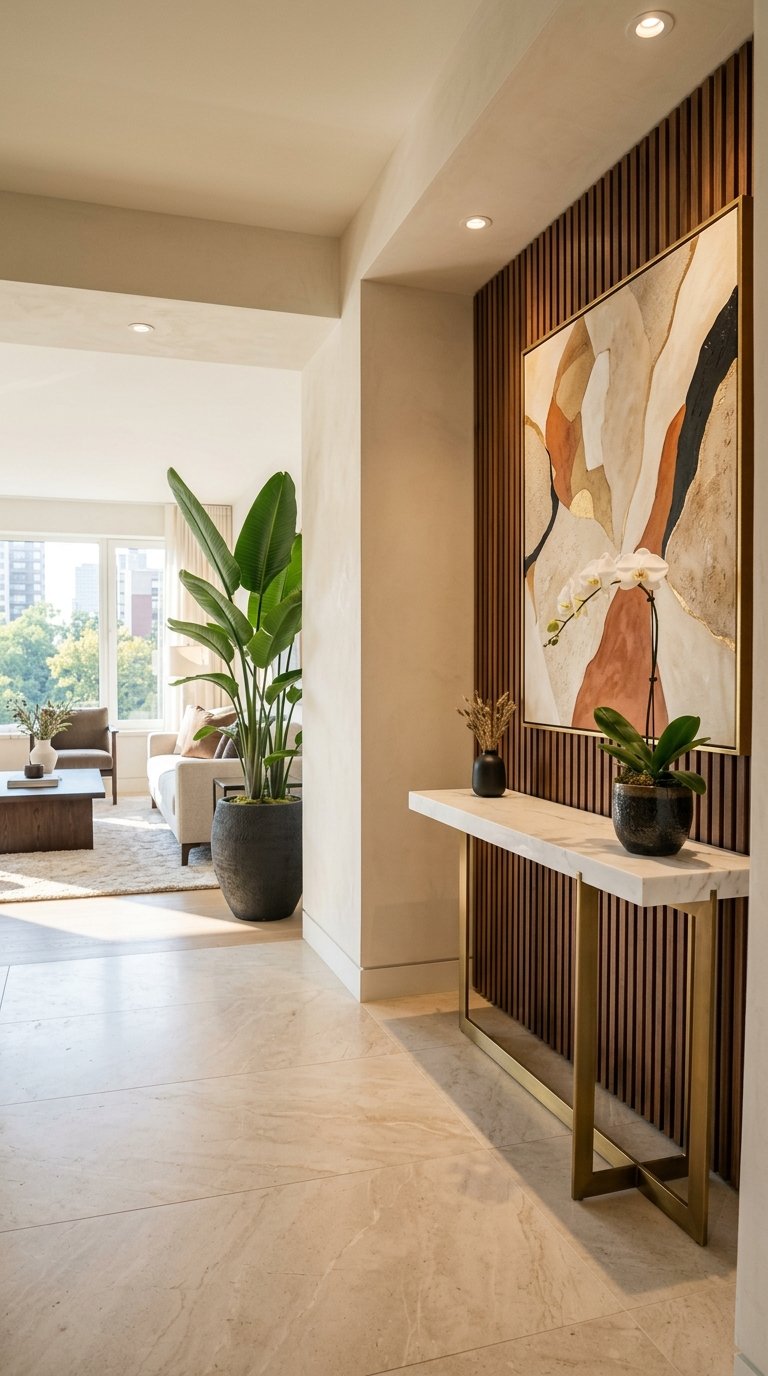
In practical terms, that means your home may have a strong sense of separation between entertaining space, private rooms, and utility areas. The parlor floor often feels like the social heart of the house, while the basement or raised basement may absorb storage, service, or kitchen functions depending on the layout. Not every home follows the same plan, but the overall experience is usually more layered than horizontal.
What That Means Day to Day
If you are moving from a condo, the biggest adjustment is usually circulation. You may carry groceries up or down stairs, head to another floor to answer the door, or move between levels as the day changes. For many buyers, that tradeoff comes with more spatial definition, more privacy between rooms, and a stronger sense of the home having distinct zones.
Two-family houses in the district often compress that same logic into a more compact arrangement. The district report notes that both households typically enter through the same first-floor entrance and pass through a vestibule and hall, with each floor commonly including a parlor, dining room, bathroom, one or two bedrooms, and a kitchen. In some cases, the owner’s kitchen may be in the basement.
The Stoop Is Part of Daily Life
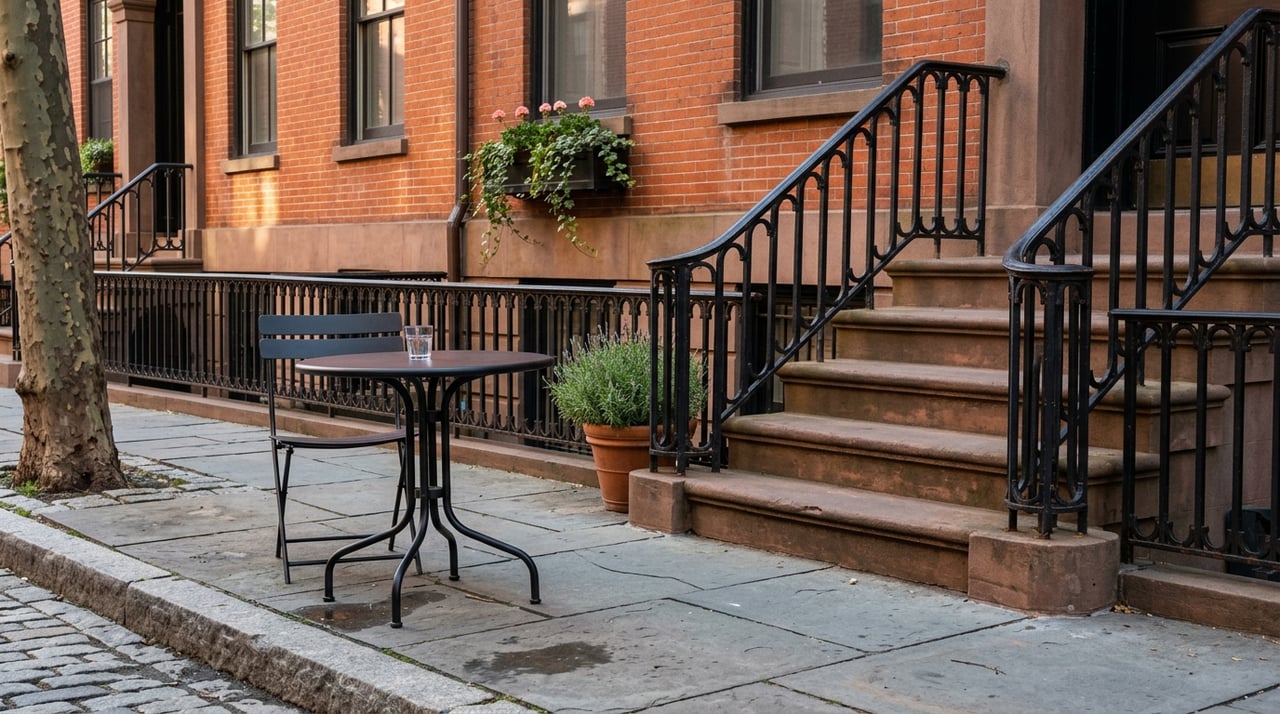
One of the biggest differences between brownstone life and apartment life is the role of the home’s frontage. In Bed-Stuy, many houses include three outdoor layers: the front areaway, the stoop, and the rear yard. Those spaces create a more gradual transition between private interior life and the street.
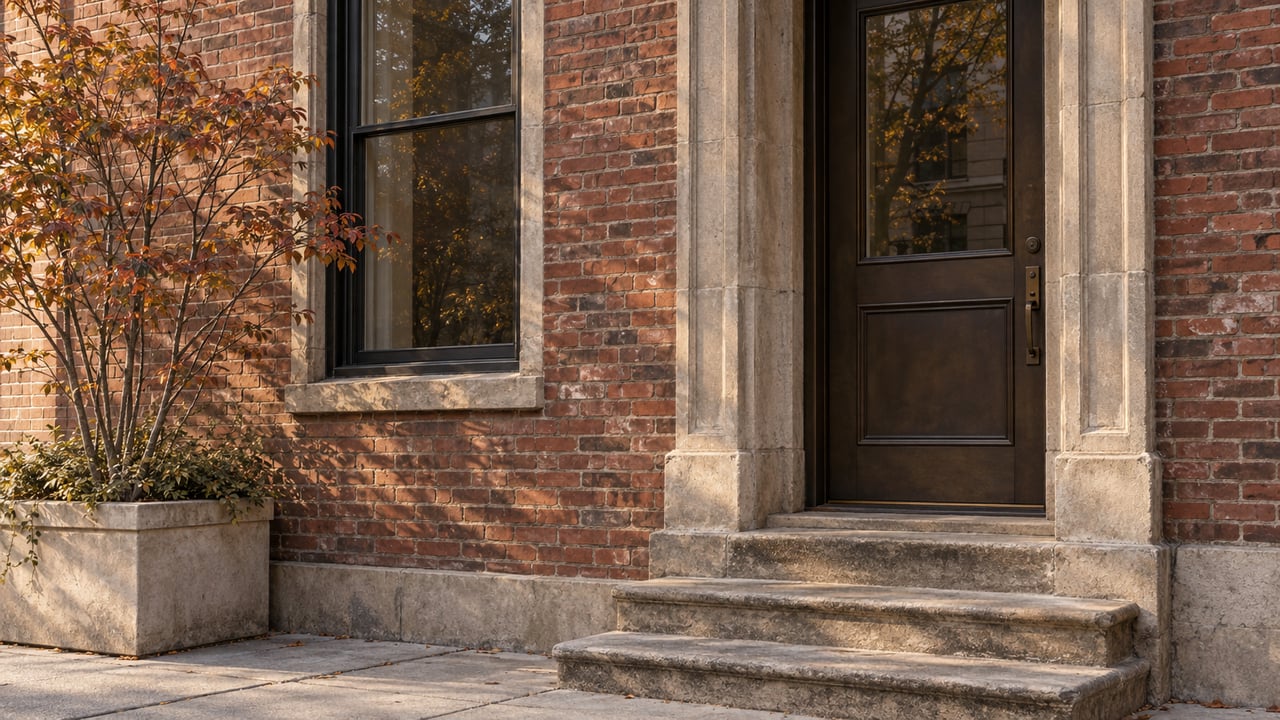
The stoop is especially important. It is not just an architectural feature. It becomes part of your routine, whether you are arriving home, greeting a guest, pausing before heading out, or simply taking in the block for a few minutes. That is part of what gives row-house living its street-level texture.
Rear Yards Add Usable Outdoor Space
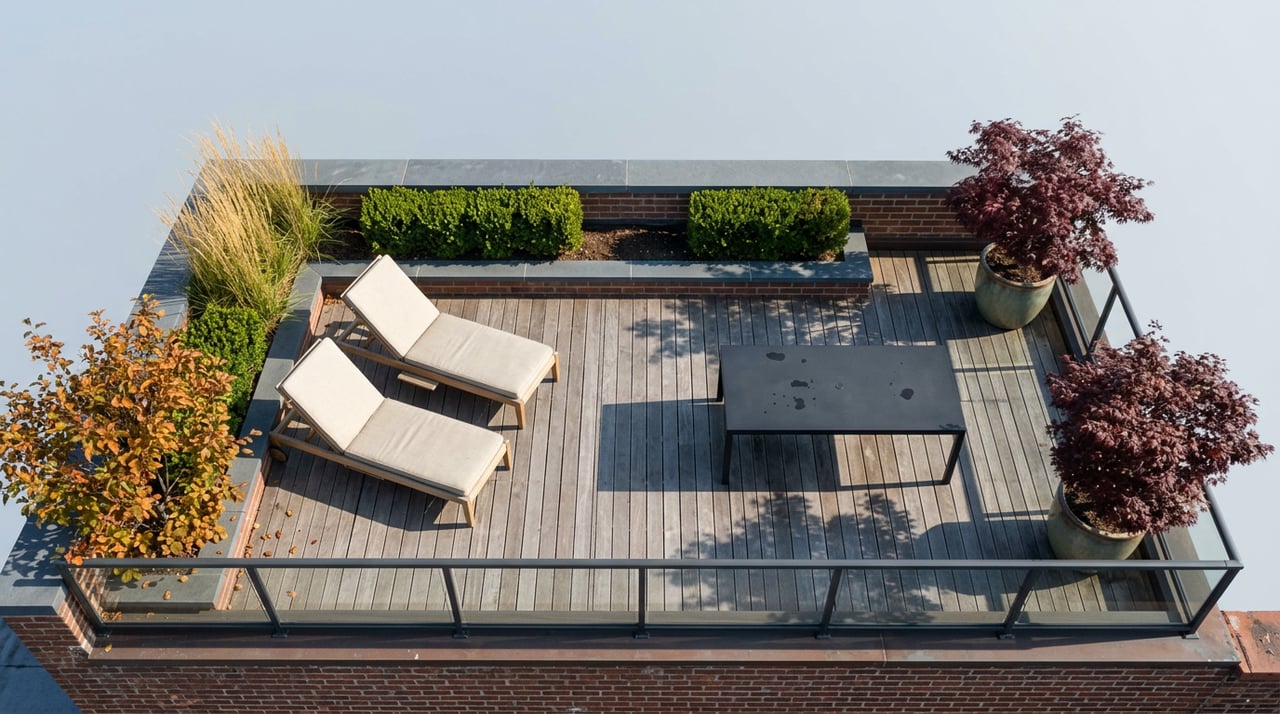
Rear yards can also change how a home feels on a daily basis. In a neighborhood where many properties include this kind of outdoor space, your home can offer room for quiet mornings, container gardening, outdoor dining, or a break from indoor routines. Even modest private outdoor space can make the house feel more expansive.
The district report notes that Bed-Stuy row houses often have generous rear yards. That does not mean every lot is the same, but it does help explain why townhouse living here can feel more grounded and less sealed off than apartment living.
The Block Matters as Much as the House
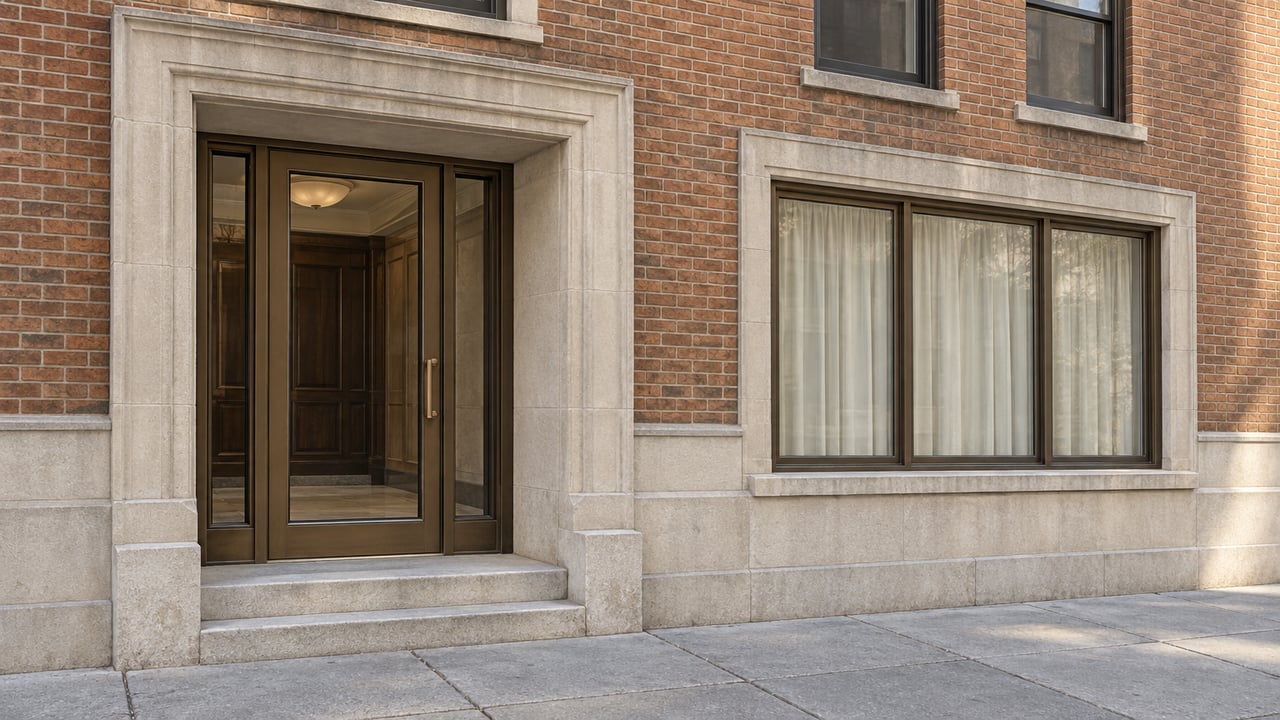
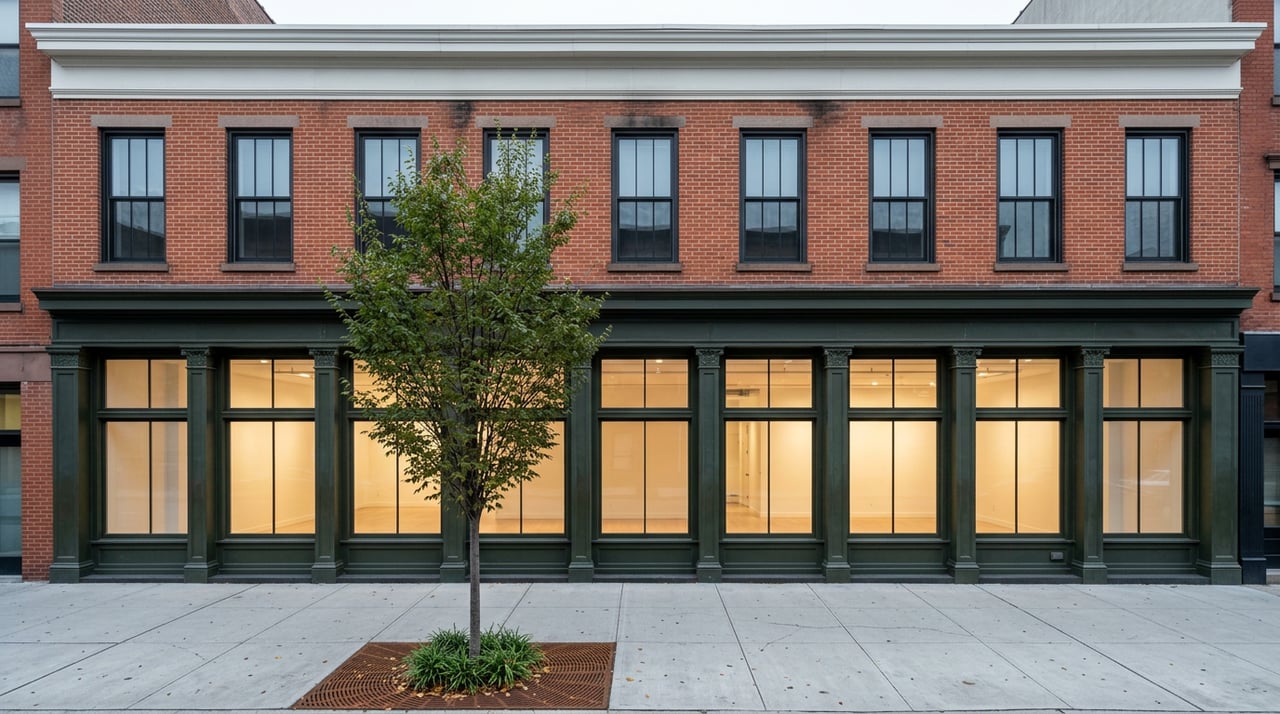
Living in a Bedford-Stuyvesant brownstone is not only about the interior. It is also about how the house connects to the block and the broader neighborhood. The combination of stoops, tree-lined streets, and repeated row-house facades creates a rhythm that many buyers find both visually cohesive and easy to settle into.
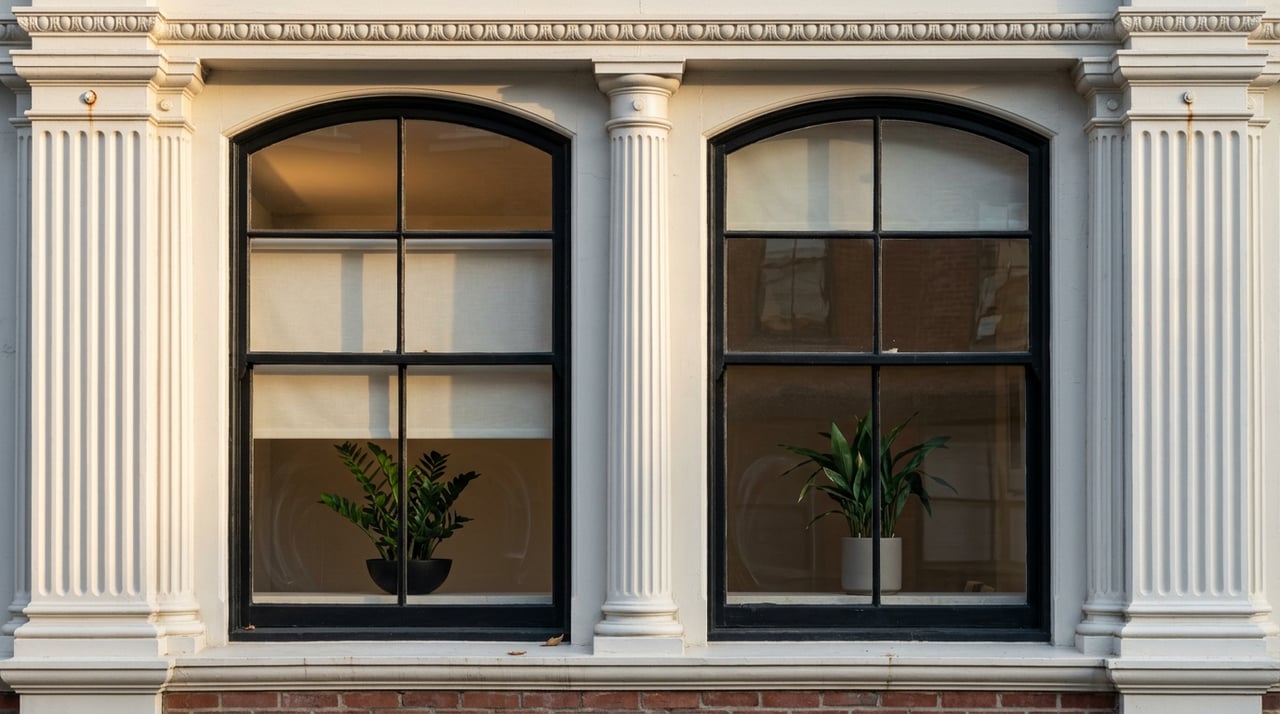
Architecturally, the neighborhood is rich in late 19th-century and early 20th-century character. Styles in the historic district include Italianate, neo-Grec, Queen Anne, Romanesque Revival, and Renaissance Revival. A more recent designation, the Willoughby-Hart Historic District in 2024, added another example of intact late-19th-century row-house blocks in Bedford-Stuyvesant.
That consistency gives many blocks a strong sense of place. You may notice that your daily experience is shaped as much by the walk from your front door as by the rooms inside the house.
Errands Happen Along Key Corridors
One practical advantage of Bed-Stuy life is that many daily needs are handled along established neighborhood corridors rather than in one centralized shopping district. The city’s Avenue NYC assessment identifies Bedford Avenue, Nostrand Avenue, Tompkins Avenue, Malcolm X Boulevard, Fulton Street, and DeKalb Avenue as important commercial streets.
Along those corridors, the city reports a mix of coffee shops and cafes, full-service restaurants and bars, delis and bodegas, supermarkets, and arts spaces. For day-to-day living, that means your routine may naturally organize itself around a few reliable routes for groceries, coffee, casual meals, and small errands.
Transit Supports a Flexible Routine
The same city assessment says the neighborhood is accessible by six subway lines and eight bus routes. That level of connectivity matters if your week includes commuting, client meetings, or moving between Brooklyn and Manhattan. It also supports a lifestyle where the house feels residential while the city remains within easy reach.
For many buyers, this is part of Bed-Stuy’s appeal. You get a home type with presence and privacy, but you remain connected to the wider city through practical transit options and active street corridors.
Parks Extend Your Living Space
Your day-to-day world in Bed-Stuy likely stretches beyond your own block. Nearby parks and public open space become part of the routine, whether you use them for a walk, a break between meetings, or time outdoors on a weekend.
NYC Parks notes that Olmsted and Vaux designed Tompkins Square, now Herbert Von King Park, in Bedford-Stuyvesant. The original design centered large trees and ornamental gardens, which helps explain why the park still feels closely tied to the surrounding townhouse environment. It can feel less like a separate destination and more like an extension of neighborhood life.
Restoration Plaza also identifies Herbert Von King Park, Saratoga Park, and Fulton Park as part of the area’s public open-space network. For brownstone owners, these spaces can complement the more contained outdoor areas at home, especially if your own rear yard is compact.
Culture Is Part of the Routine
One of the most distinctive things about daily life in Bedford-Stuyvesant is how residential streets sit near cultural and civic institutions. The neighborhood is not only historic in appearance. It also has active cultural anchors that shape how the area feels week to week.
Weeksville Heritage Center preserves and interprets Weeksville, one of the largest free Black communities in pre-Civil War America. Restoration Plaza describes the Billie Holiday Theatre as one of the oldest African-American theaters in the United States and a cultural anchor in the heart of Bed-Stuy, with nearby gallery space, dance studios, and music rooms.
That mix of history, arts, and neighborhood services gives Bed-Stuy a layered identity. Your routine may include groceries and coffee one day, then a performance, community event, or cultural visit the next, all within the same broader neighborhood fabric.
Historic Status Can Affect Ownership Decisions
If you buy a brownstone in a historic district, exterior changes are not treated as purely private decisions. The New York City Landmarks Preservation Commission governs work on buildings in historic districts and on individual landmarks. Staff can approve work that meets the rules, while proposals that do not must go before the full Commission at a public hearing.
For a buyer, this is important context rather than a drawback or benefit in itself. It means ownership can come with an added review layer for exterior work. If you are considering updates to a facade, windows, stoop, or other exterior elements, understanding that process early is part of buying wisely.
What Living Here Really Feels Like
At its core, living in a Bedford-Stuyvesant brownstone is a shift in rhythm. You are living in a vertical home shaped by stairs, frontage, and distinct levels, within a neighborhood where parks, culture, restaurants, and daily services are woven into the local street grid.
That can feel more involved than condo living, but also more grounded. The house asks you to engage with it physically, and the neighborhood rewards you with architectural character, practical amenities, and a strong sense of place.
If you are weighing a move to a Brooklyn townhouse or want a sharper read on how a Bed-Stuy brownstone fits your lifestyle and long-term goals, Luca Paci offers discreet, tailored guidance with the strategic perspective to help you evaluate the opportunity clearly.
FAQs
What is daily life like in a Bedford-Stuyvesant brownstone?
- Daily life usually feels more vertical and street-connected than apartment living, with routines shaped by stairs, the stoop, separate floors, and nearby neighborhood corridors for errands and dining.
What is the typical layout of a Bed-Stuy brownstone?
- Many Bed-Stuy row houses are two to four stories above a raised basement, often with a stoop, parlor-level living space, and basement or raised-basement utility or dining areas depending on the plan.
Do Bedford-Stuyvesant brownstones usually have outdoor space?
- Many do, often through a combination of a front areaway, a stoop, and a rear yard, though the exact size and configuration vary by property.
Are errands easy when living in Bedford-Stuyvesant?
- Yes, many daily errands are concentrated along corridors such as Bedford Avenue, Nostrand Avenue, Tompkins Avenue, Malcolm X Boulevard, Fulton Street, and DeKalb Avenue, where the city reports a mix of food, retail, and arts uses.
What parks are near Bedford-Stuyvesant brownstones?
- Public open spaces in and around the neighborhood include Herbert Von King Park, Saratoga Park, and Fulton Park, which can become part of your regular routine.
Do historic district rules affect Bedford-Stuyvesant brownstone owners?
- Yes, if a property is in a historic district or is individually landmarked, exterior work is subject to Landmarks Preservation Commission rules and may require staff review or a public hearing depending on the proposal.