Are you looking for a Manhattan neighborhood where a morning walk, an afternoon archive visit, and an evening performance can all fit into the same few blocks? Lincoln Square stands out for exactly that reason. If you value culture as part of daily life, not just a special occasion, this guide will help you understand why the area continues to attract buyers and residents who want both convenience and depth. Let’s dive in.
Why Lincoln Square feels distinct
Lincoln Square is not just another pocket of the Upper West Side. City planning treats it as a special district designed to preserve the area’s cultural and architectural character along with its residential identity. That combination helps explain why the neighborhood feels so cohesive.
You can feel that identity on the ground. In Lincoln Square, arts institutions, apartment living, daily errands, and public space are closely tied together. Instead of separating culture from everyday routines, the neighborhood blends them in a way that feels unusually seamless for Manhattan.
Lincoln Center shapes daily life
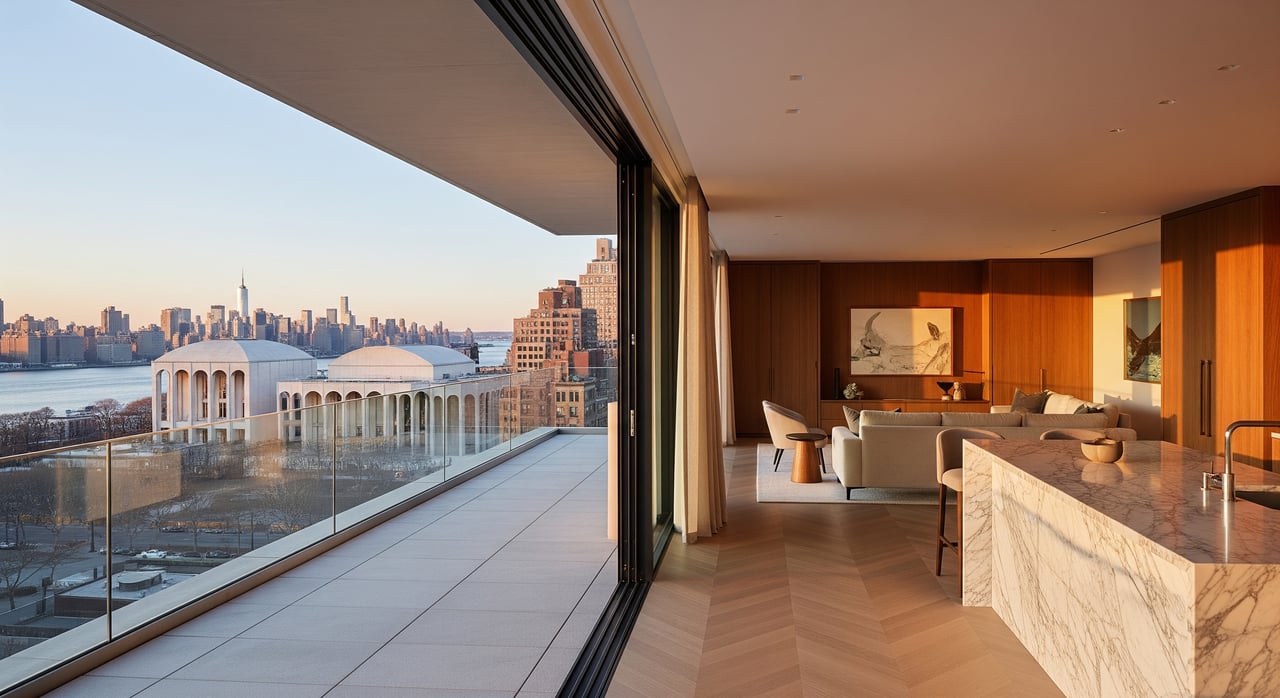
Lincoln Center is the neighborhood’s central anchor, and its scale matters. The campus spans 16.3 acres and includes 11 performing arts and arts education nonprofits. Just as important for residents, it also includes 3.8 acres of plazas that are open daily from 8:00 a.m. to midnight.
That means Lincoln Center is not only a place you visit for a ticketed event. It also functions as part of the neighborhood’s public realm. The David Rubenstein Atrium adds a free indoor place where you can sit, linger, or attend programming during the day.
The concentration of resident organizations gives Lincoln Square a rhythm that goes beyond evening curtain calls. Lincoln Center lists groups including the Chamber Music Society of Lincoln Center, Film at Lincoln Center, Jazz at Lincoln Center, The Juilliard School, Lincoln Center Theater, the Metropolitan Opera, New York City Ballet, New York Philharmonic, the New York Public Library for the Performing Arts, and the School of American Ballet. For residents, that creates a sense of activity and purpose throughout the day.
Culture here extends beyond the stage
One of the most appealing parts of Lincoln Square living is that culture is visible even when you are not inside a theater. Josie Robertson Plaza works like a civic square, with the Revson Fountain presenting daily choreographed water shows. Lincoln Center has also used the plaza for free public programming such as live broadcasts, singalongs, and dance events.
Damrosch Park adds another layer to that outdoor experience. Its Daniel and Florence Guggenheim Bandshell holds about 2,000 people and supports summer performances. If you like the idea of stepping outside and finding both open space and programming nearby, Lincoln Square delivers that feeling in a very direct way.
The neighborhood’s cultural depth also includes a meaningful sense of history. Lincoln Center acknowledges that its campus was developed as part of an urban renewal project that displaced San Juan Hill, and it highlights this history through its Legacies of San Juan Hill work. For residents who appreciate places with context and complexity, that history adds dimension to the neighborhood story.
The library is a major daytime asset
For many culture-minded buyers, a great neighborhood is not only about performance venues. The New York Public Library for the Performing Arts is one of Lincoln Square’s strongest daytime anchors. NYPL describes it as one of its renowned research libraries, with one of the world’s most extensive collections in theater, film, dance, music, and recorded sound.
That matters because it broadens the lifestyle on offer. You are not limited to nights out or weekend plans. You also have access to a serious place for reading, research, and learning within the neighborhood itself.
Central Park is part of the routine
Lincoln Square’s access to green space is one of its clearest lifestyle advantages. Central Park begins at 59th Street and runs up to 110th Street between Fifth Avenue and Central Park West, making it an easy part of everyday life for many local residents. In practical terms, that means you can move from apartment building to park path in minutes.
Columbus Circle plays an important role in that transition. It sits at Broadway, Central Park West, Eighth Avenue, and 59th Street near the park’s southwest corner, which the Central Park Conservancy identifies as the park’s most heavily used entrance. The area around the circle was redesigned with trees, benches, and an expanded plaza, so it works as both a pedestrian gateway and a transit hub.
For someone choosing a home, this kind of access can shape your routine in a real way. Morning walks, quick park visits, and outdoor resets become easier when one of the city’s defining green spaces is so close.
Public space goes beyond the park
Lincoln Square’s outdoor story is not limited to the edge of Central Park. Damrosch Park gives the neighborhood another local open-air room near Lincoln Center, and west-side planning materials describe a future framework with a lawn, water feature, tree groves, and garden elements. That points to a public realm designed to feel more open and usable for daily neighborhood life.
Lincoln Center’s West Initiative reinforces that direction. The redesign along Amsterdam Avenue aims to create a greener and more welcoming public edge shaped by community input. For residents, that supports the idea that Lincoln Square continues to evolve as a place where institutional culture and local day-to-day use meet.
Dining and errands are unusually convenient
For a neighborhood centered on arts and residential towers, Lincoln Square also performs well on daily convenience. The Shops at Columbus Circle is the key retail node, with more than 40 specialty retailers, more than 10 restaurants and bars, a 59,000-square-foot Whole Foods Market, and a 40,000-square-foot Equinox Fitness Club. That creates a strong live, eat, shop, and wellness mix within a compact area.
Whole Foods adds real practical value to the neighborhood. It is open daily from 7:00 a.m. to 10:00 p.m. and offers grocery pickup, catering, floral services, and a cafe. For many buyers, that kind of convenience helps define whether a neighborhood feels easy to live in year-round.
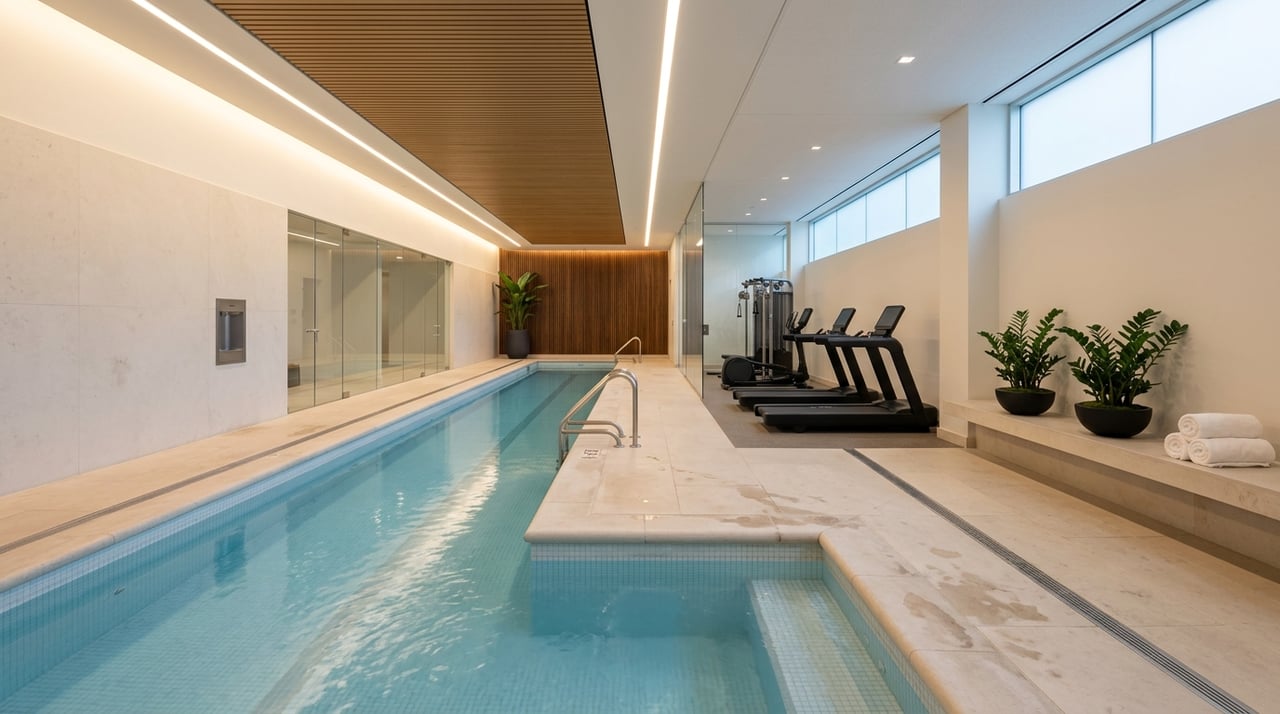
Equinox Columbus Circle adds another lifestyle layer with a pool, yoga, Pilates, cycling, sauna, steam rooms, and locker-room services. Together, these amenities support a polished daily routine that fits the expectations many condo and co-op buyers bring to this part of Manhattan.
Transit supports a car-light lifestyle
Lincoln Square is also one of those neighborhoods where getting around can feel straightforward. Lincoln Center identifies the nearest accessible subway stations as West 66th Street on the 1 train and 59th Street-Columbus Circle on the A, B, C, D, and 1 trains. Bus service is also close, with the M5, M7, M10, M11, and M104 stopping within one block of campus.
The M66 is another useful route for local movement, providing service between the East Side and Lincoln Center. The 66 St-Lincoln Center station also received two modernized elevators in 2025, an important accessibility improvement. For residents and future buyers alike, this transit network supports a lifestyle that can be highly walkable and comfortably car-light.
There is also convenience built into the transit hub itself. The MTA describes the underground market at 59th St-Columbus Circle as a corridor with more than two dozen shops and eateries. That makes quick errands, snacks, or casual meals easier to handle while you are already in motion.
What homebuyers should know
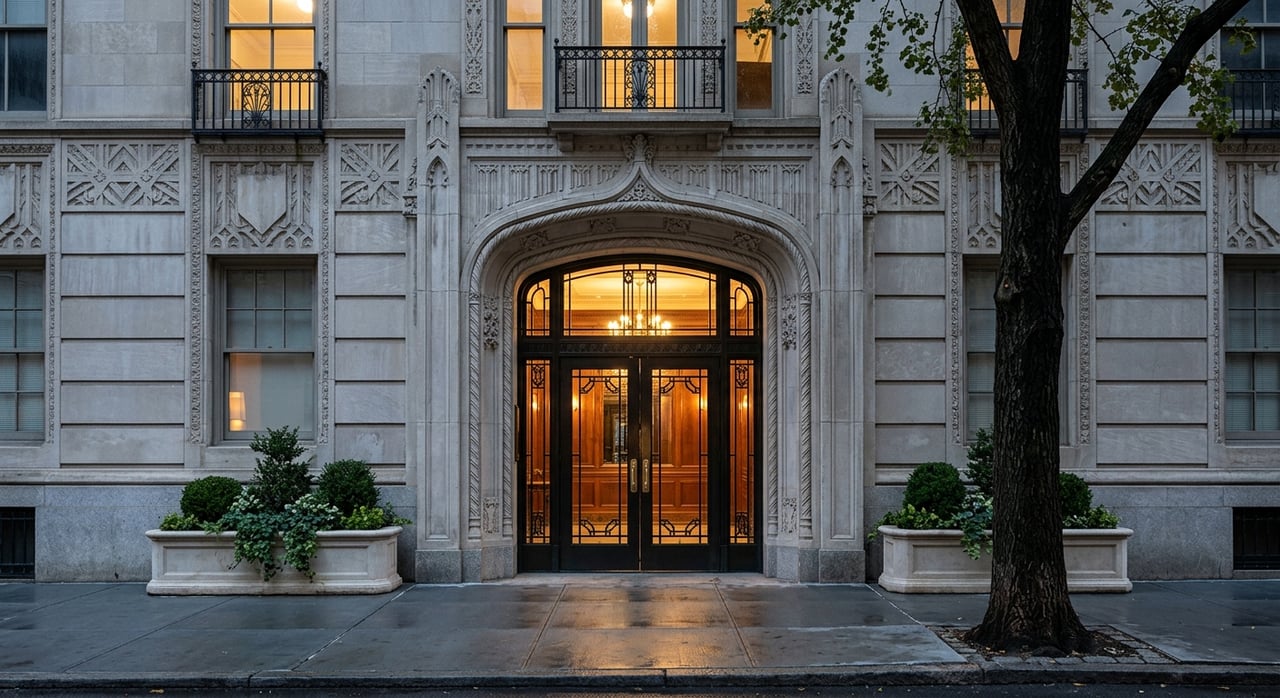
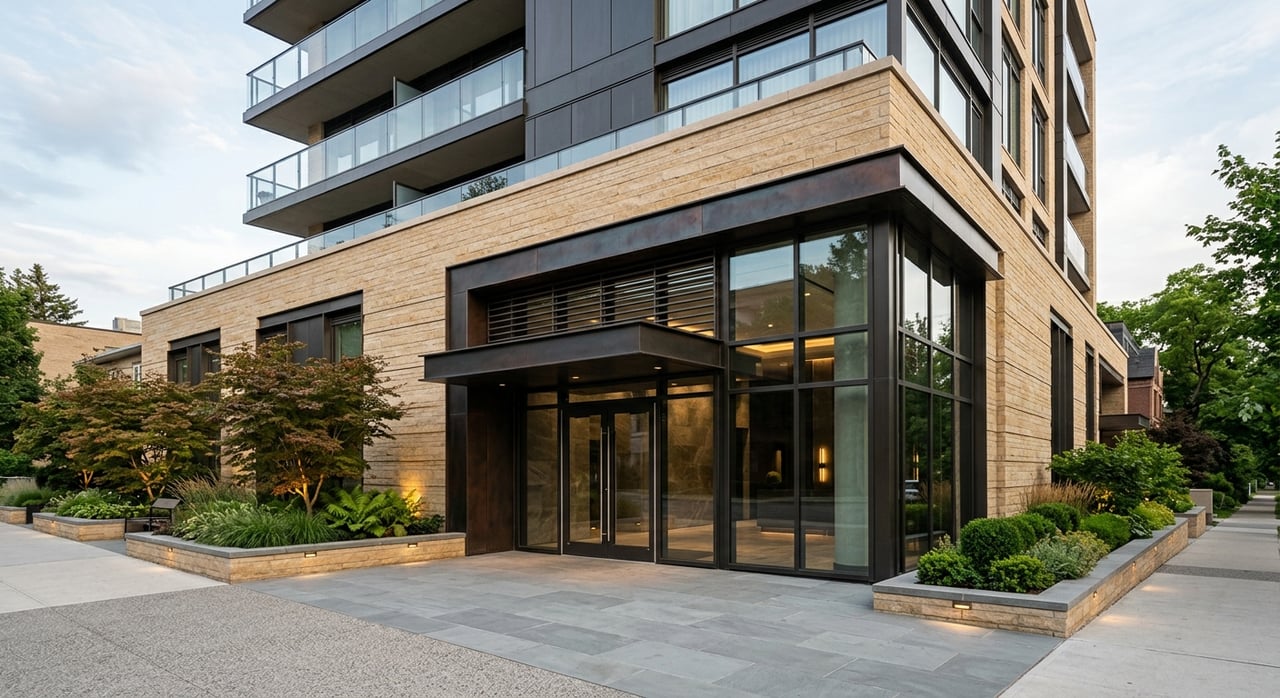
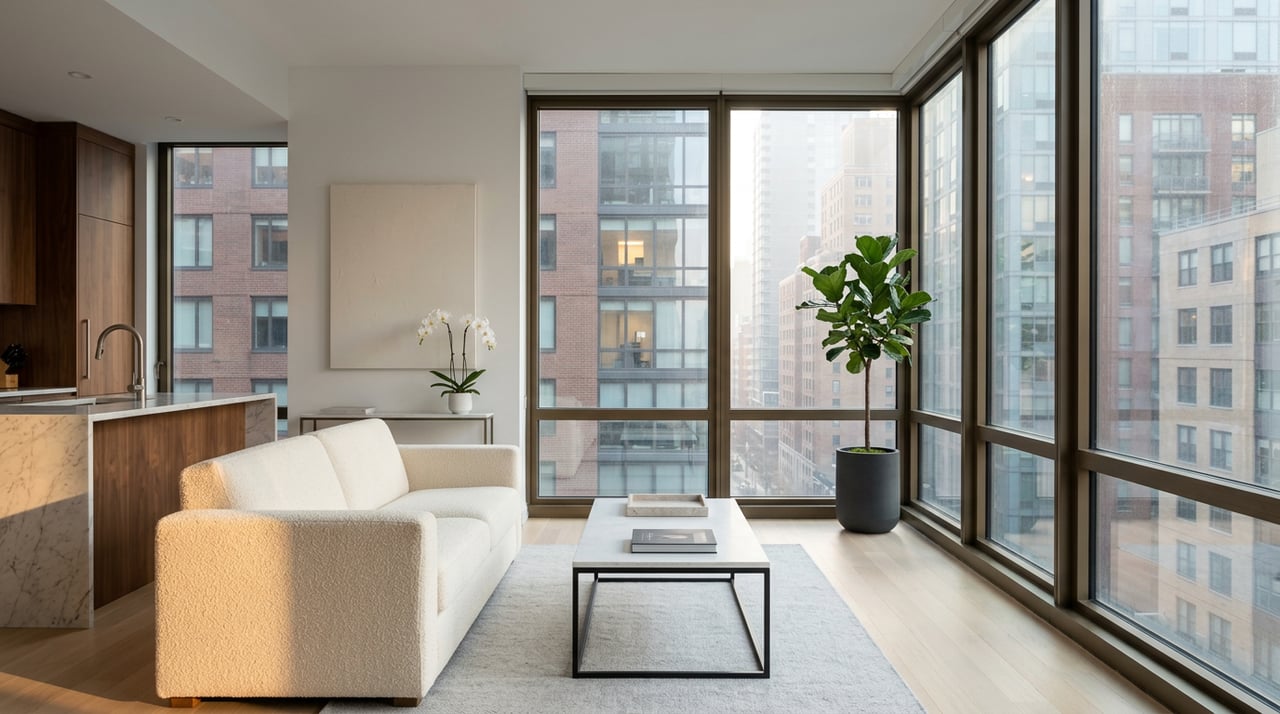
From a housing perspective, Lincoln Square reads as a dense apartment neighborhood. In the NYC Planning Lincoln Square ACS housing profile, 85.4 percent of units were in structures with 20 or more apartments. That helps explain why high-rise condo and co-op living feels so natural here.
The same profile found that 37.9 percent of occupied units were owner-occupied in the 2008 to 2012 profile. For buyers considering the area, that points to a neighborhood shaped by large residential buildings and a strong vertical living pattern rather than low-rise townhouse blocks.
For many luxury and second-home buyers, that format aligns well with the neighborhood’s appeal. If you want close access to performances, transit, dining, retail, and Central Park, a full-service apartment building in Lincoln Square can offer a lifestyle that feels both efficient and elevated.
Why culture lovers keep choosing Lincoln Square
What makes Lincoln Square compelling is not just the presence of major institutions. It is the way public plazas, library resources, park access, shopping, dining, and transit all work together within a relatively compact section of Manhattan. The result is a neighborhood where culture is not an occasional outing. It becomes part of your normal week.
That is especially attractive if you want your home to support both lifestyle and long-term value. A neighborhood anchored by major arts institutions, strong public space, and practical convenience tends to hold lasting appeal for owner-occupiers, pied-à-terre buyers, and many globally minded purchasers looking for a well-connected Manhattan base.
If you are considering a condo, co-op, or second home in Lincoln Square, working with an advisor who understands both the lifestyle and the numbers can make the search far more efficient. For discreet, tailored guidance on Lincoln Square and other prime Manhattan opportunities, connect with Luca Paci.
FAQs
What makes Lincoln Square different from other Upper West Side areas?
- Lincoln Square is shaped by Lincoln Center, the Special Lincoln Square District, and immediate access to the southwest corner of Central Park, giving it a stronger culture-centered identity than many nearby areas.
Is Lincoln Square practical for everyday living in Manhattan?
- Yes. The neighborhood combines arts venues with public plazas, grocery shopping, fitness options, dining, library access, and strong transit connections.
Can you live in Lincoln Square without a car?
- Many residents can maintain a car-light lifestyle thanks to nearby subway lines, multiple bus routes, walkable errands, and access to the Columbus Circle transit hub.
What types of homes are common in Lincoln Square?
- Lincoln Square is primarily an apartment neighborhood, with most housing units located in buildings with 20 or more apartments, making condo and co-op living especially common.
Does Lincoln Square offer green space beyond Central Park?
- Yes. In addition to Central Park access, the neighborhood includes Damrosch Park and evolving public spaces around Lincoln Center that support outdoor use and community activity.