For three decades, the direction of foot traffic for serious art dealers in Manhattan has been one way. Out of SoHo's cast-iron lofts, north to Chelsea's warehouse blocks, and mostly staying there. If you've lived in SoHo long enough to remember when Broadway had more galleries than boutiques, you've probably made peace with the fact that this migration was permanent. It wasn't.
This September, Garth Greenan Gallery is walking it backward. As ARTnews reported, the gallery is leaving its longtime home at 545 West 20th Street in Chelsea for two spaces on Greene Street, and the reasoning behind the move says something about SoHo's next chapter that the neighborhood's endless "best galleries" listicles haven't caught up to yet.
The Last Time Anyone Watched This Closely, the Traffic Went the Other Way
SoHo's identity as an art district wasn't inherited, it was built by dealers chasing cheap square footage. Leo Castelli, who represented Jasper Johns, Robert Rauschenberg, Frank Stella and Roy Lichtenstein, moved his gallery downtown from the Upper East Side as the scene shifted. Sonnabend Gallery followed. So did Paula Cooper and Mary Boone. By the 1970s and 80s, SoHo's empty factory floors and abundant light had made it the city's best-known art district.
Then the economics flipped. As SoHo's retail boom drove rents up through the early 1990s, the same dealers who'd built the neighborhood's reputation found they could no longer afford to stay in it. Castelli, Sonnabend, Cooper, Boone and dozens of others migrated north to Chelsea, trading SoHo's cobblestones for Chelsea's former warehouse district, which offered the large, inexpensive spaces SoHo once had. The move was thorough enough that most guides to SoHo galleries today read like an obituary, noting politely that the scene "migrated to Chelsea by now."
That's the version of SoHo most current residents carry around. It's also the version that's about to be out of date.
What's Actually Landing on Greene Street This September
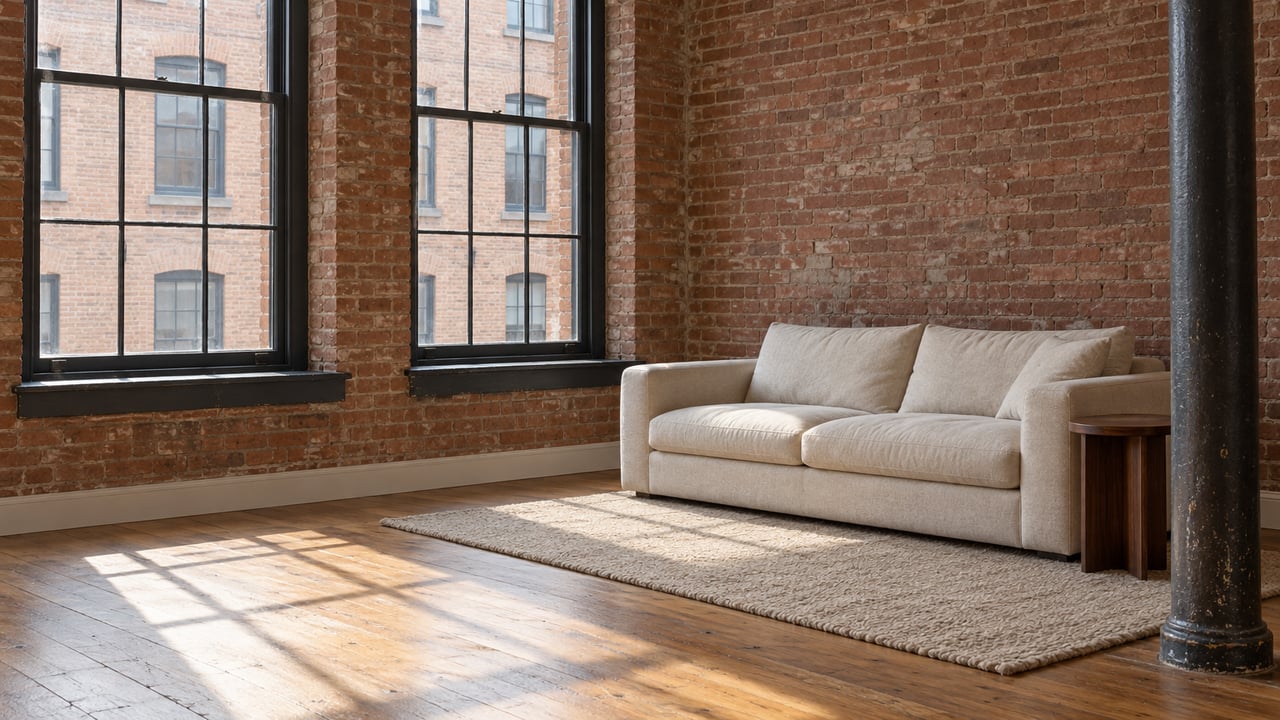
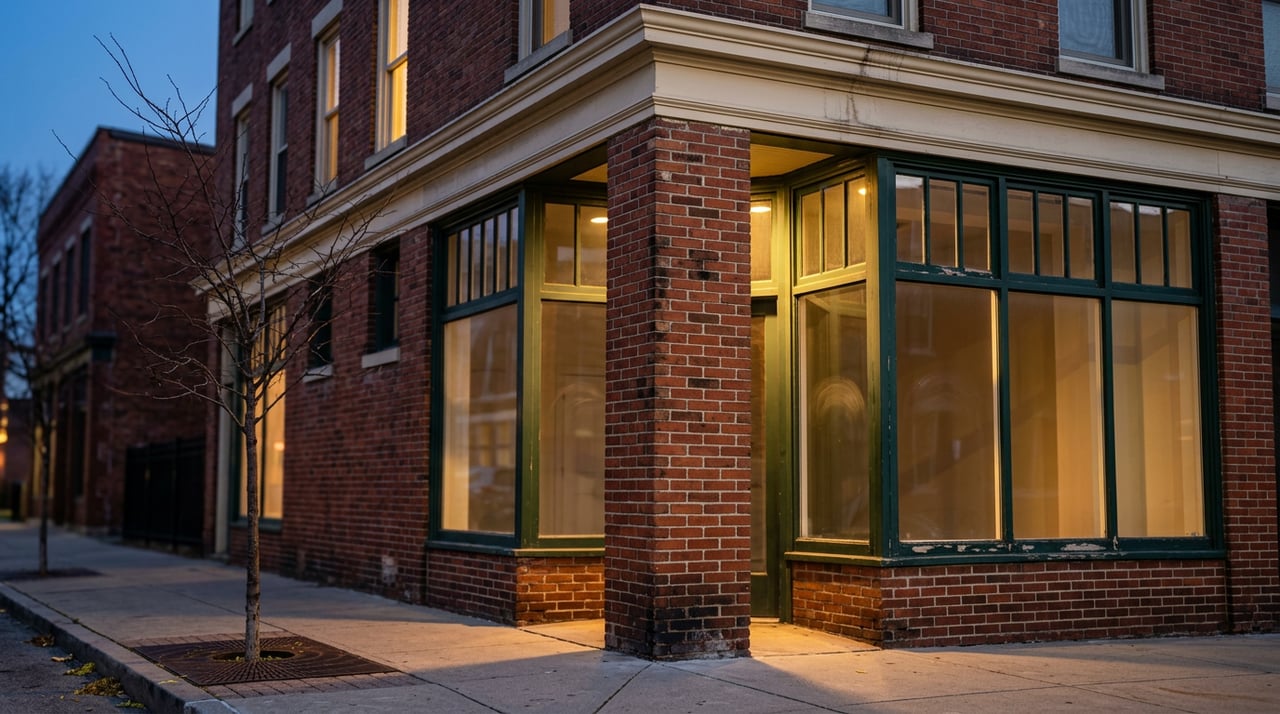
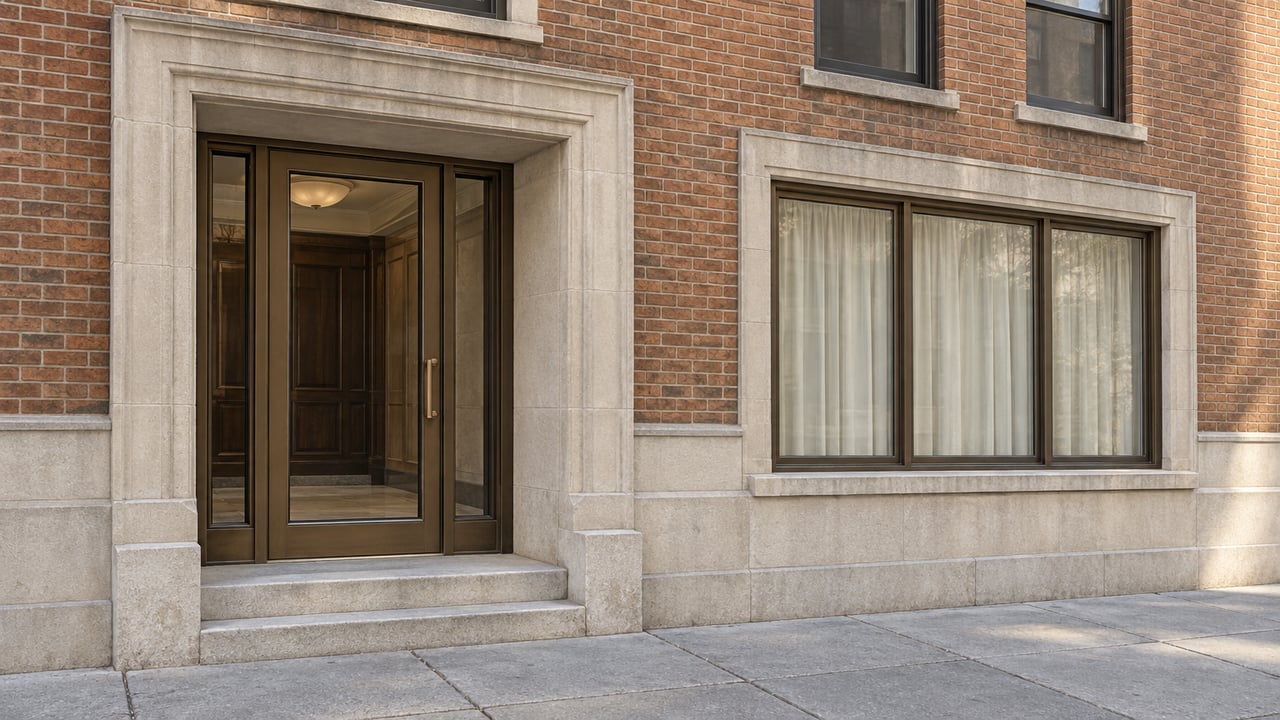
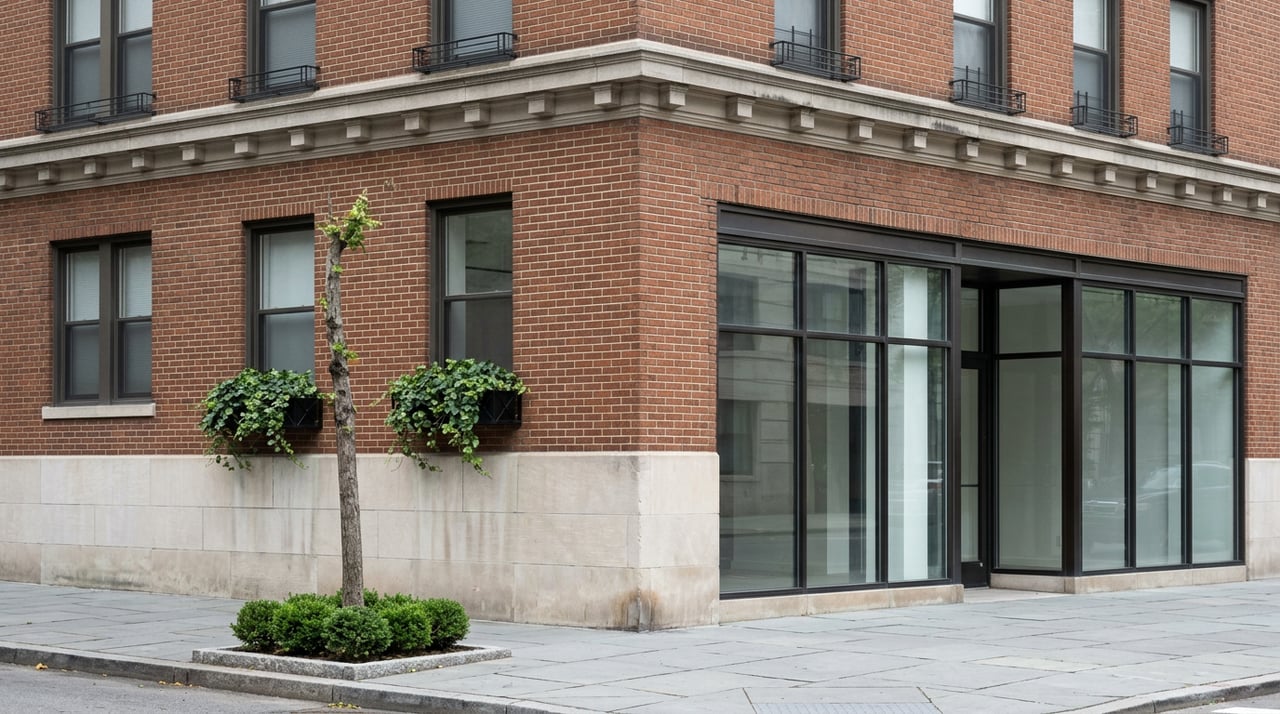
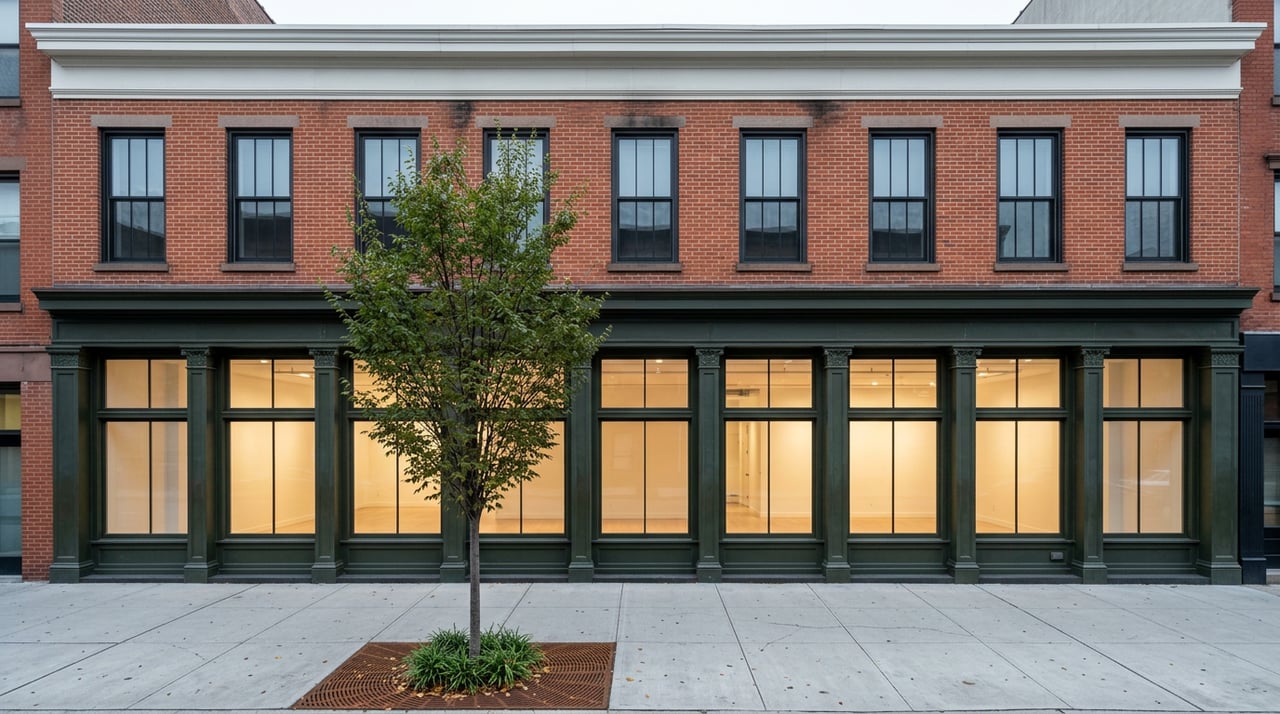
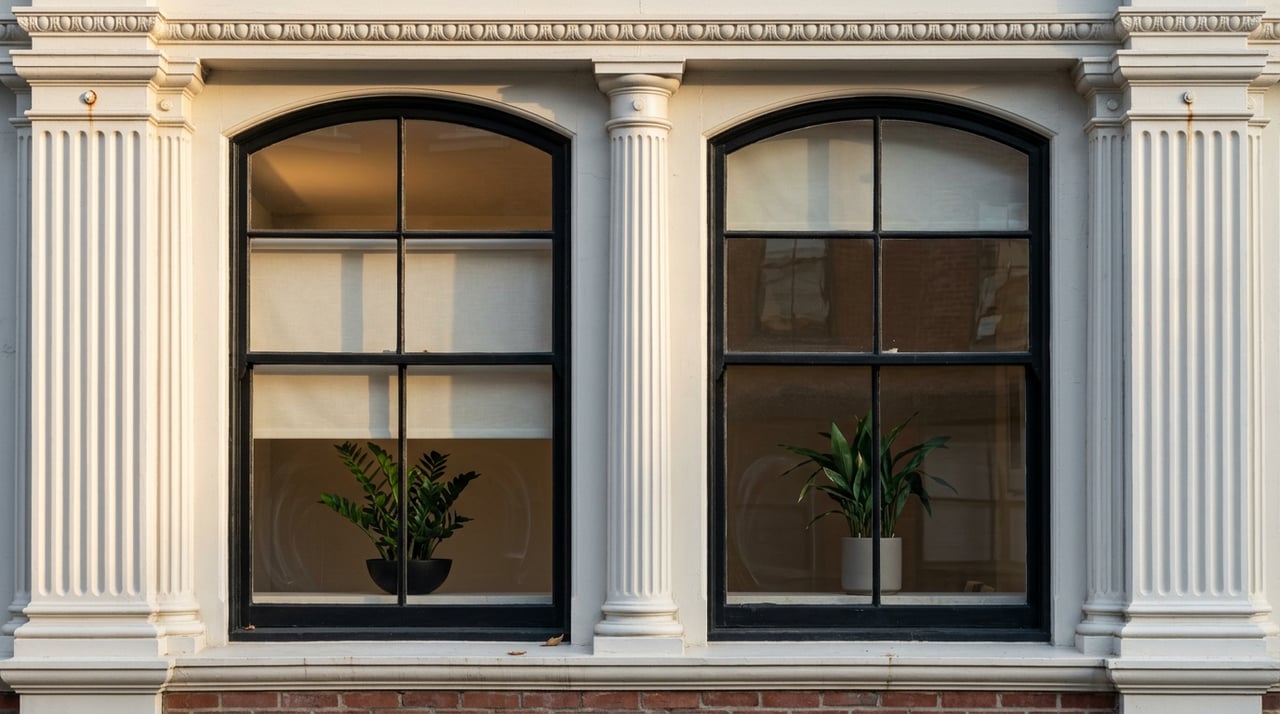
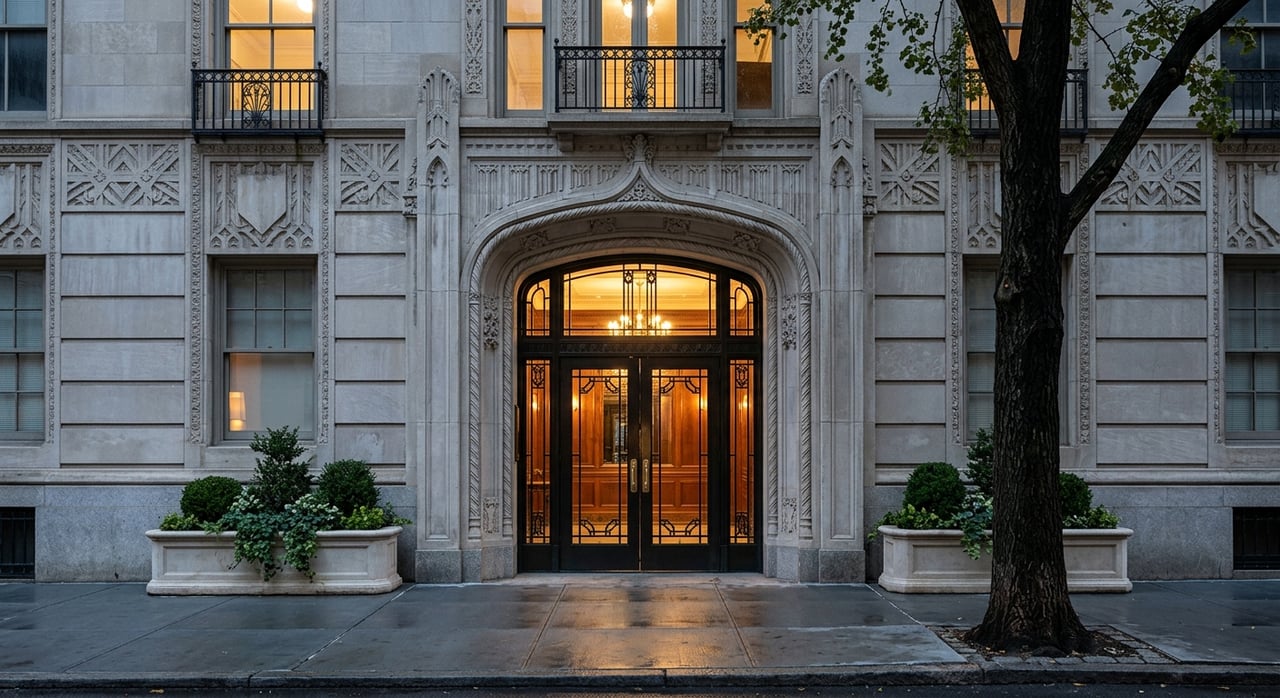
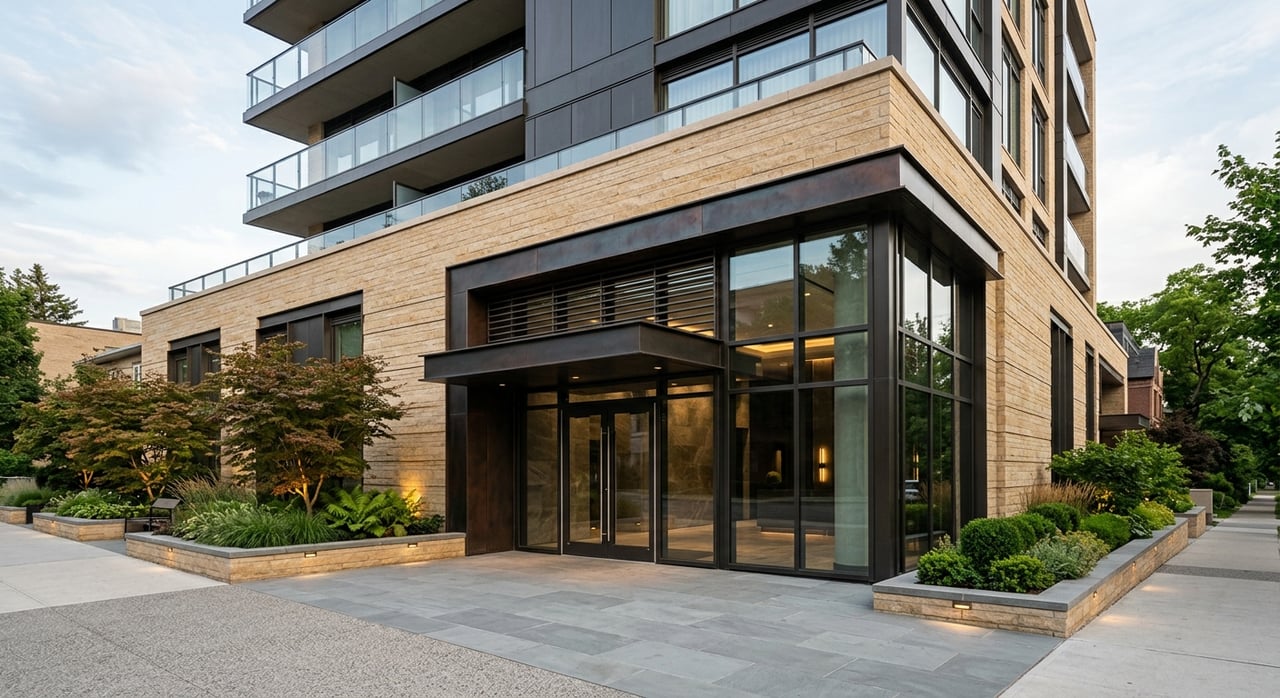
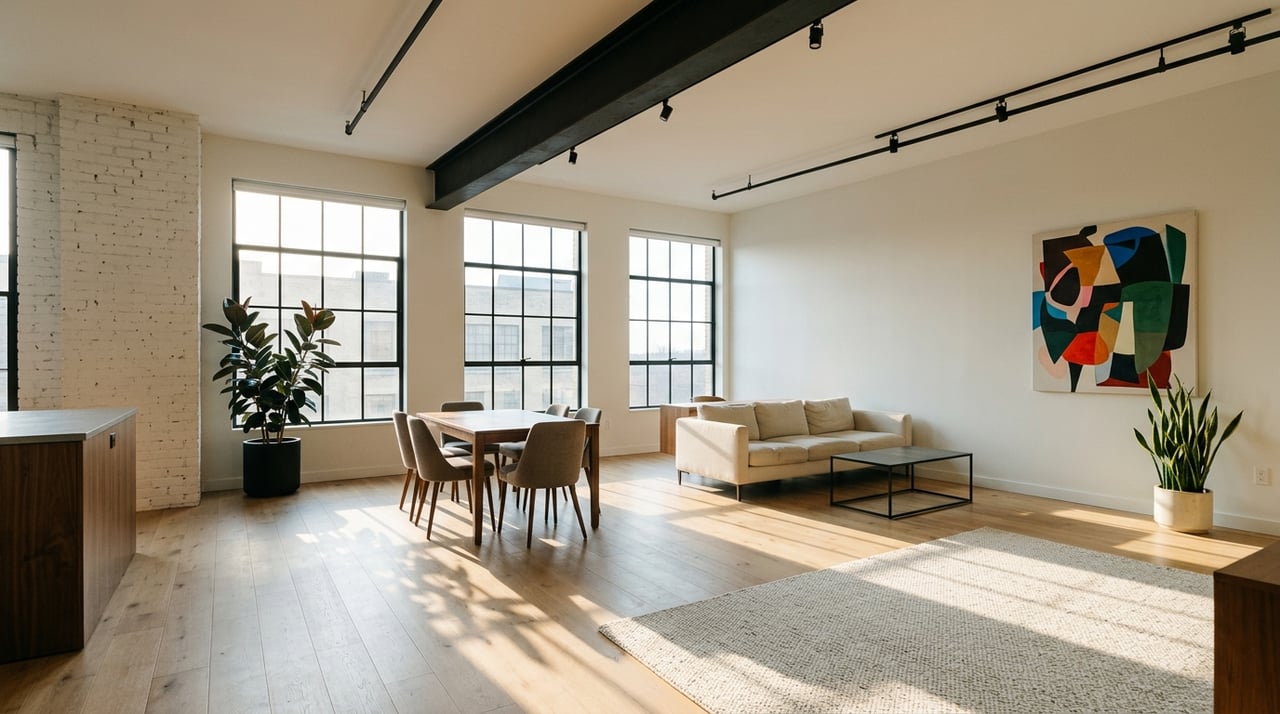
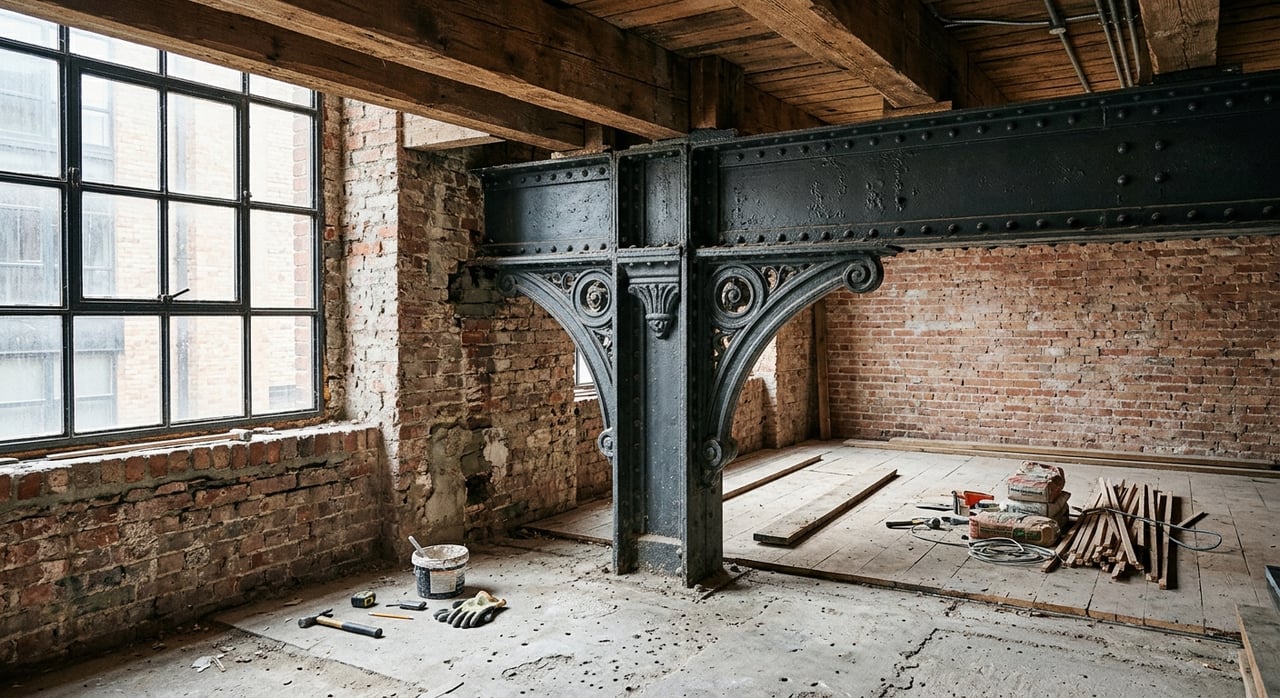
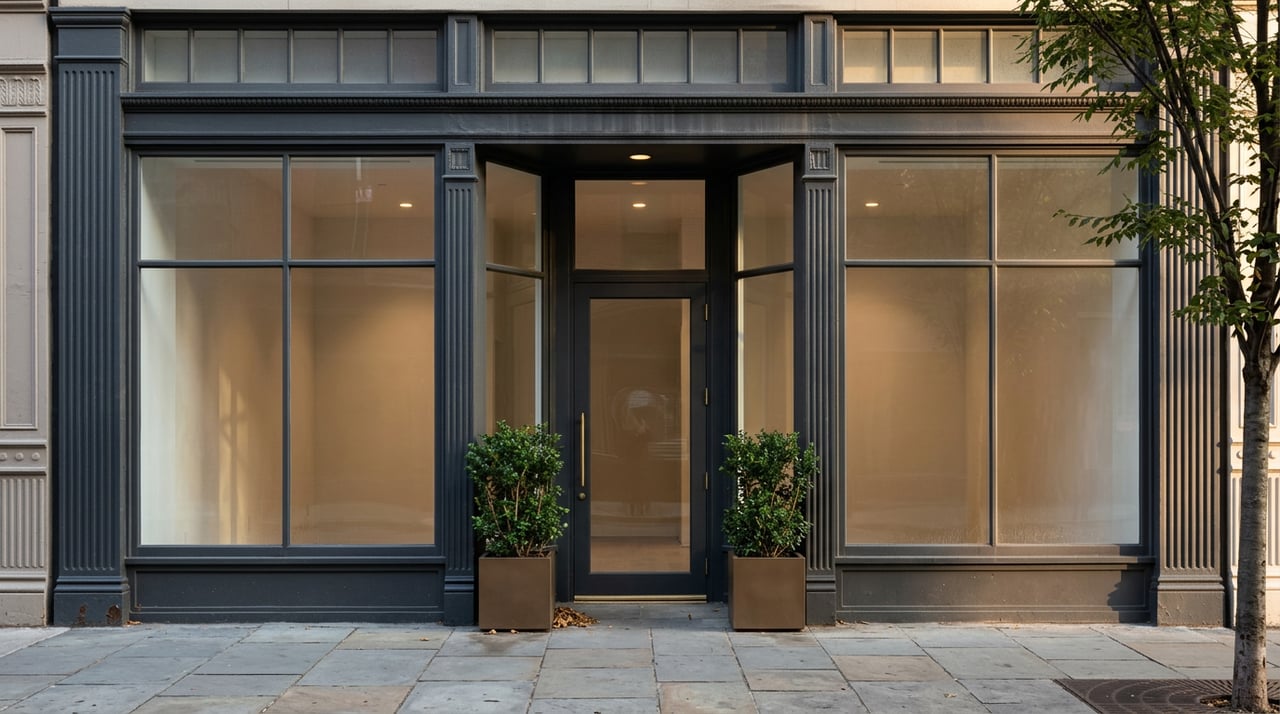
Garth Greenan Gallery's relocation isn't a single new storefront. It's two, at 10 Greene Street and 25 Greene Street, positioned directly across the street from each other inside landmarked, cast-iron facade buildings. The interiors are being retrofitted by Stuart Basseches Architect in collaboration with Konstantinos Spiropoulos, and between the two addresses the gallery is adding more than 4,000 square feet of naturally lit, street-level exhibition space, along with expanded viewing rooms and on-site storage. That's a footprint the gallery itself describes as nearly triple what it had in Chelsea.
The gallery closed its last Chelsea show, a solo exhibition for Esteban Cabeza de Baca, on February 27, 2026, then spent the spring and summer running invitation-only and by-appointment installations while the Greene Street buildouts happened. The public reopening in early September arrives with two solo exhibitions, one from Rosalyn Drexler and one from Cannupa Hanska Luger, both artists in a program that's spent fifteen years working to reframe historically significant artists who spent decades on the margins of the art world.
Owner Garth Greenan has been candid about why he's making the move now rather than renewing in Chelsea. As reported by ARTnews, he put it simply: "I didn't have to be in Chelsea in order to be a successful art dealer." He's framed the retooling less as nostalgia for SoHo's original scene and more as a practical bet on where a gallery can grow for the next fifteen years. As he told ARTnews, "I think most relevant thing that we do is keep it interesting."
The Neighbors Already Here
Greenan's move isn't landing in a vacuum. SoHo's gallery footprint never actually hit zero after the Chelsea exodus, it just got quieter. A handful of programs kept working these blocks through the decades when SoHo's reputation calcified into "shopping district with some galleries left." As of this summer, that quieter cluster includes:
- Nicodim Gallery at 15 Greene Street
- Mier Gallery, split between 62 Crosby Street and 380 Broadway
- Peter Freeman Inc at 140 Grand Street
- Peter Blum Gallery at 176 Grand Street
- Leslie-Lohman Museum at 26 Wooster Street
None of these programs have the trade-press profile of a Castelli or a Greenan, but they're the reason SoHo's gallery identity survived at all. Greenan's arrival gives that surviving cluster a much higher-wattage neighbor and, more importantly, a reason for other mid-career and blue-chip programs watching Chelsea's rents to take SoHo seriously again.
A Pattern That Crosses Canal Street Too
Greenan didn't pick these addresses at random. Both Greene Street spaces sit just north of Canal, on the SoHo side of the line that separates it from Tribeca, a neighborhood that ARTnews notes has spent the past decade rebuilding itself into one of the city's main gallery districts in its own right. Greenan has said he deliberately avoided setting up shop in the middle of Tribeca's cluster, describing his position instead as content to be "Tribeca adjacent."
That phrase is worth sitting with if you live in either neighborhood. It suggests the two districts are starting to function as a single gallery corridor split by Canal Street rather than two separate scenes, which changes how a resident might think about a Saturday afternoon. A walk that used to mean picking one neighborhood or the other increasingly means picking a starting point.
What It Looks Like From the Sidewalk This Fall
If you live on or near Greene Street, the practical version of this story is straightforward. Sometime in early September, two buildings that have likely sat as ordinary cast-iron facades for years will open their ground floors as gallery space, with Rosalyn Drexler's and Cannupa Hanska Luger's work visible through the glass from both sides of the block. Walking the length of Greene between the two addresses will, for the first time in a long while, feel like the SoHo of the photographs, two gallery entrances close enough to see each other's lights on the same evening.
The more interesting version of the story is what it signals about the neighborhood's trajectory. Dealers don't sign long leases on landmarked buildings as sentimental gestures. Greenan's calculation, that a gallery can be more interesting and more durable on Greene Street than on West 20th, is a bet other programs will be watching closely over the next year. If it pays off, the current handful of SoHo holdouts, Nicodim, Mier, Peter Freeman, Peter Blum, Leslie-Lohman, may find themselves with considerably more company by 2027.
For now, the honest way to describe SoHo's art scene isn't "gone" and it isn't "back" in the nostalgic sense either. It's mid-reversal, with one confirmed anchor and more change still to come.
Luca Paci Real Estate spends as much time tracking what's changing on the ground in downtown Manhattan as tracking the transactions themselves, because the two are rarely unrelated. If you're curious what a shifting gallery corridor might mean for how a SoHo block lives day to day, or you simply want a second set of eyes on the neighborhood's next chapter, Luca Paci is glad to talk it through.