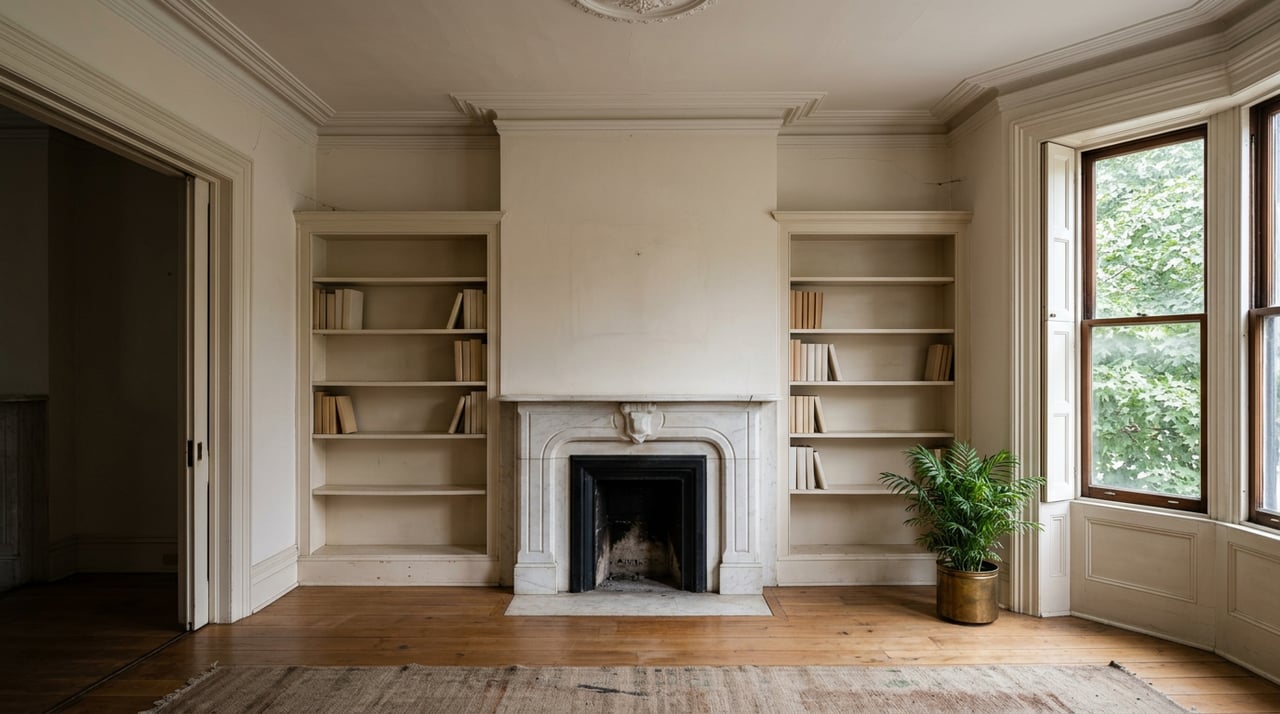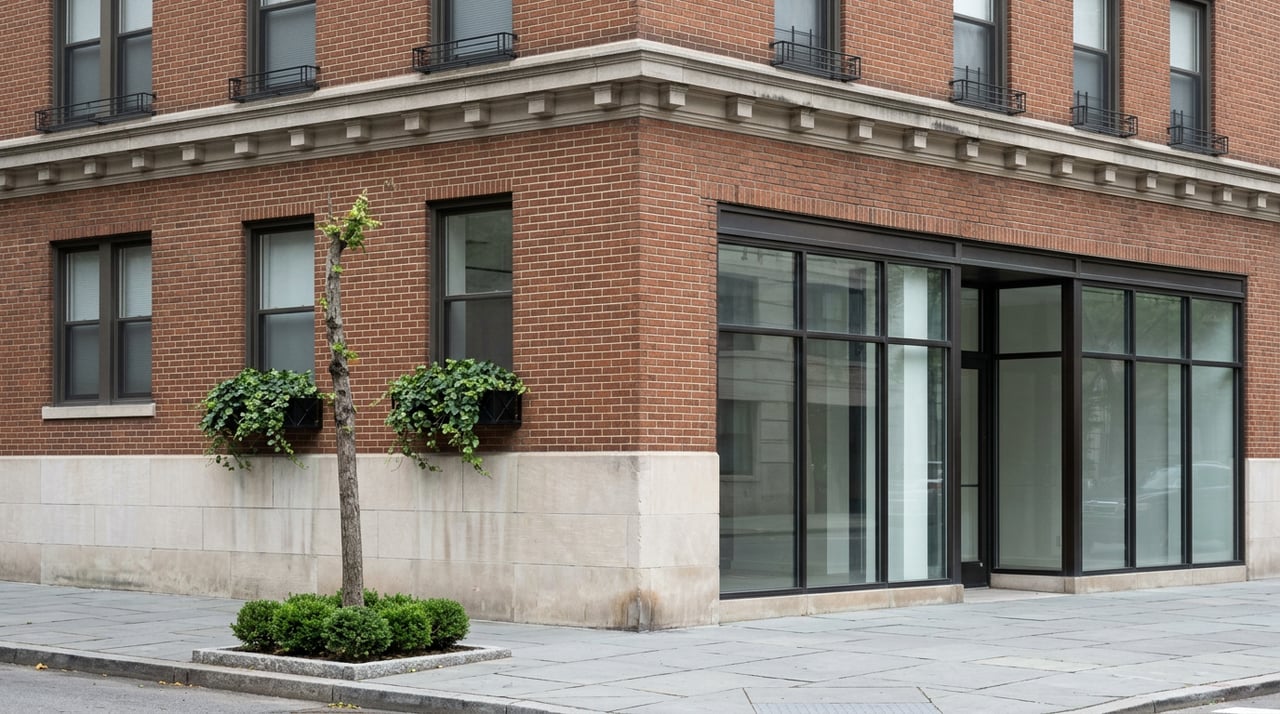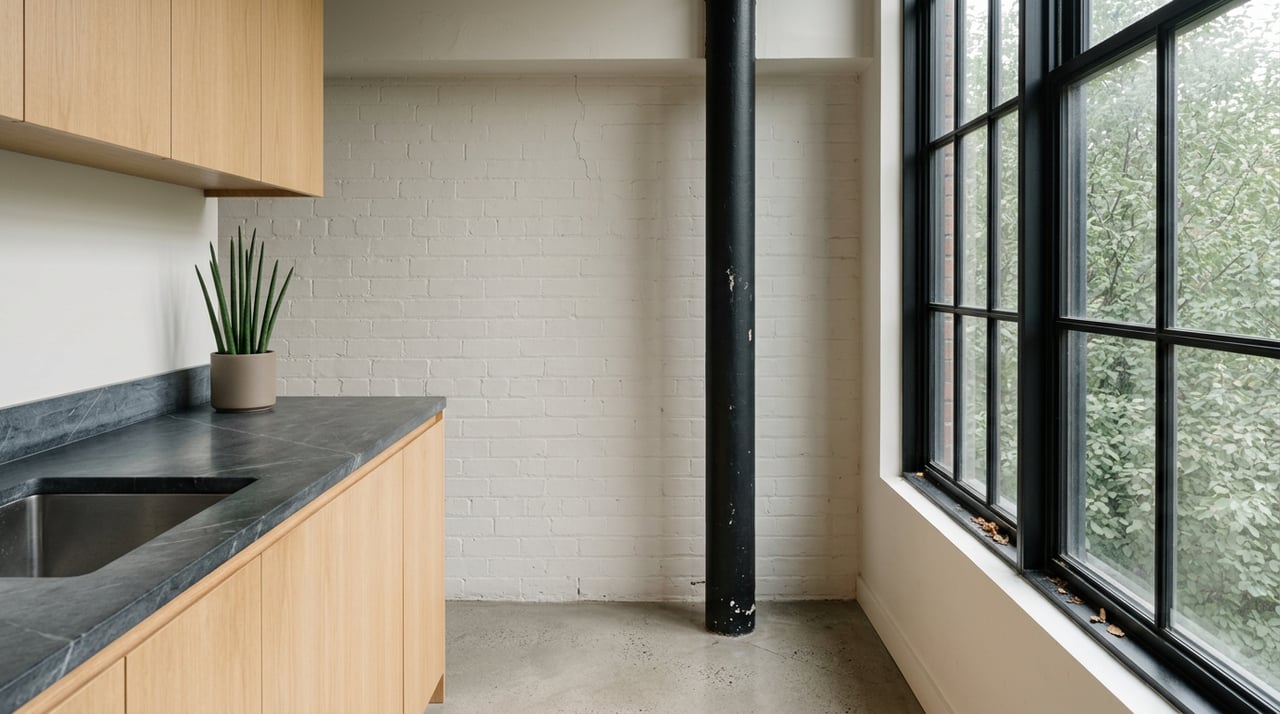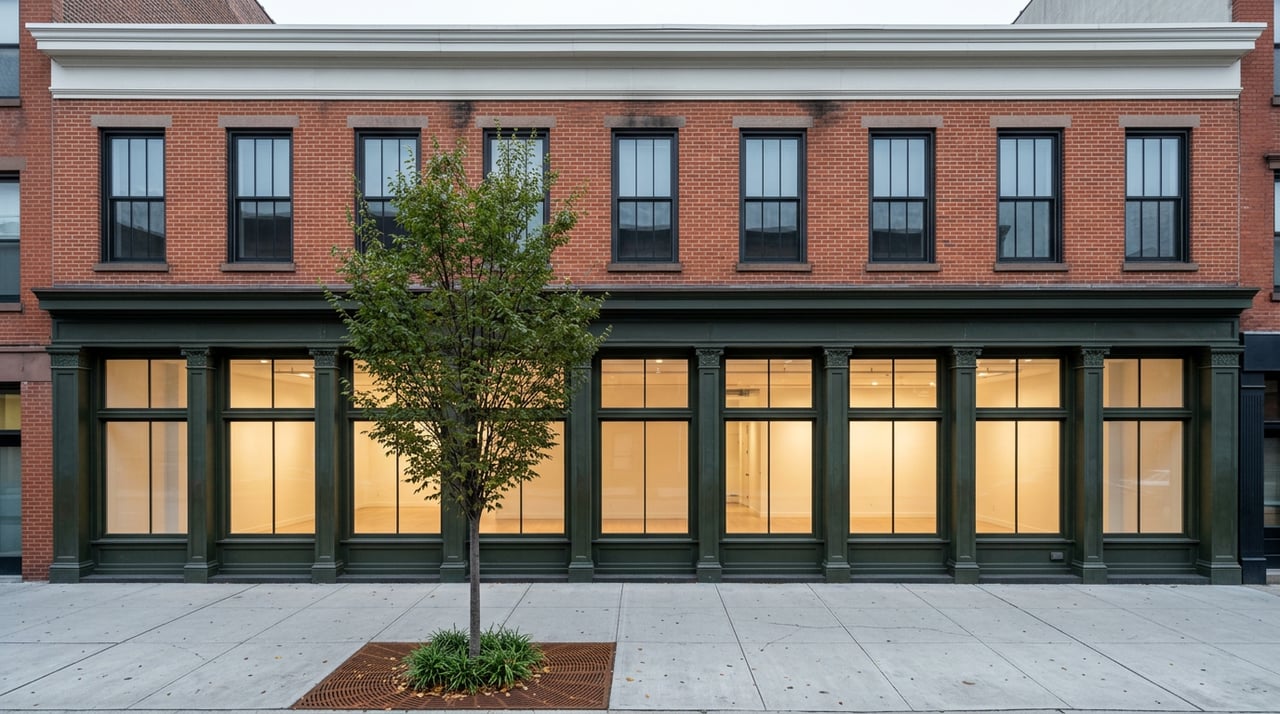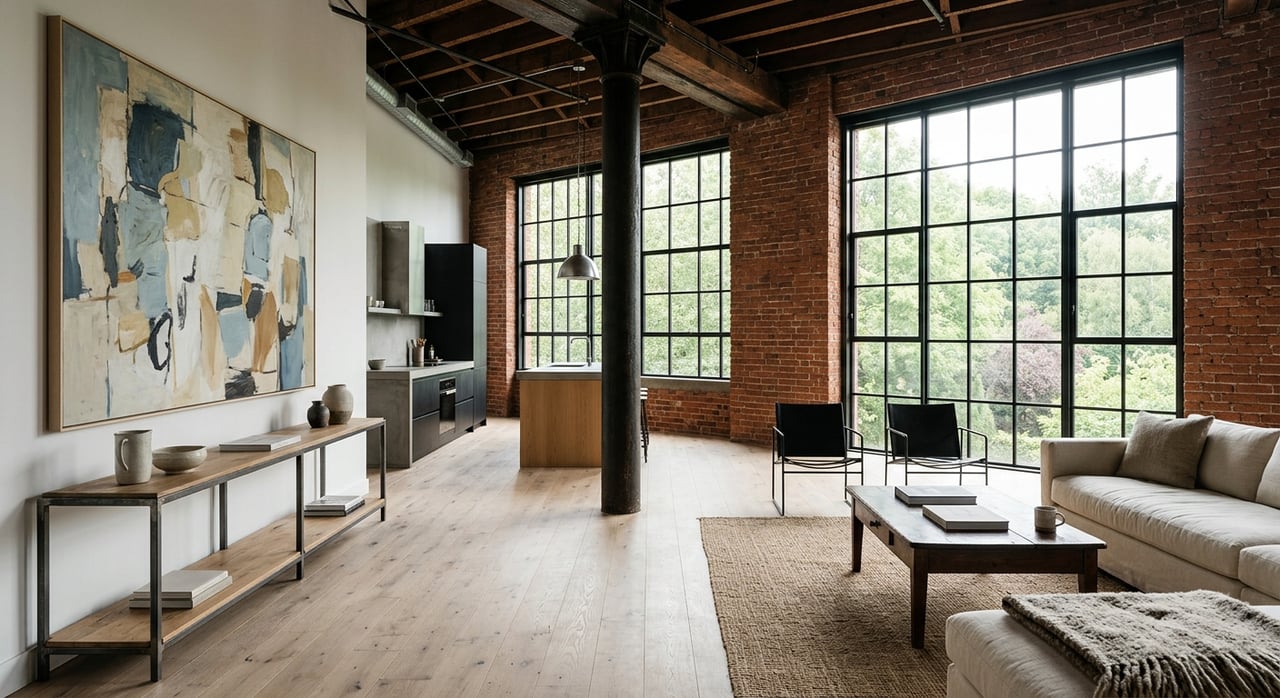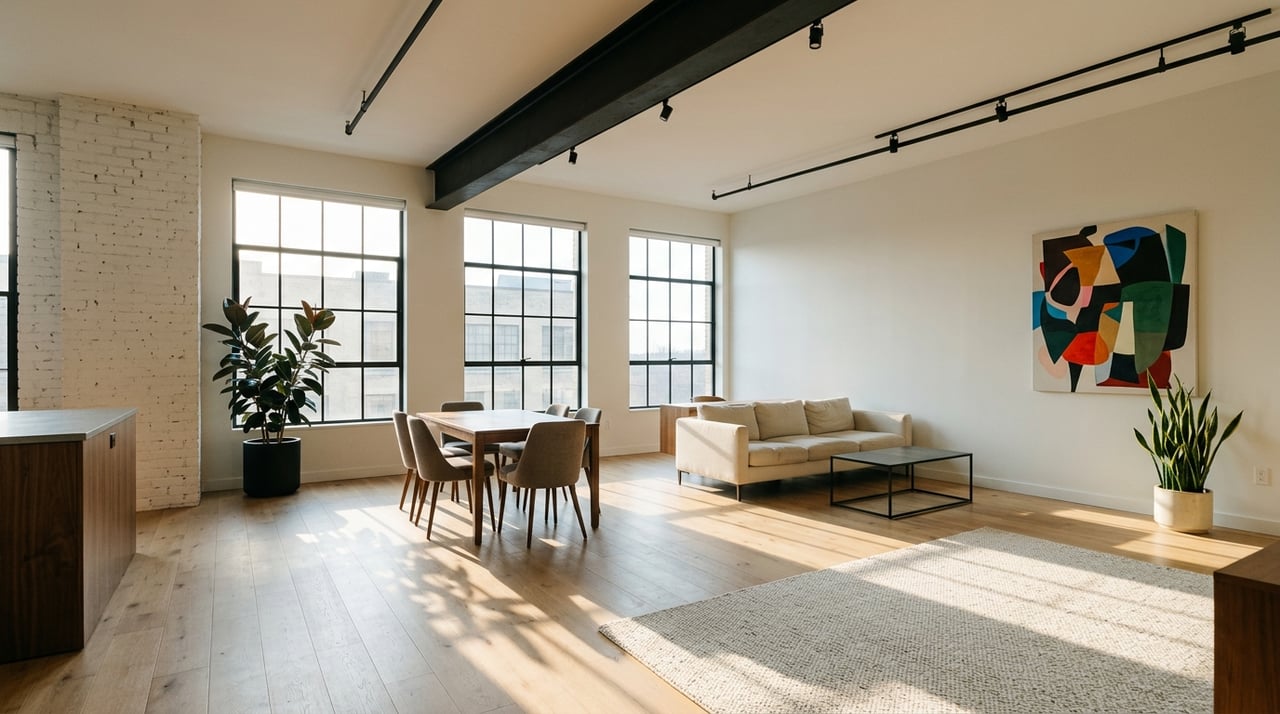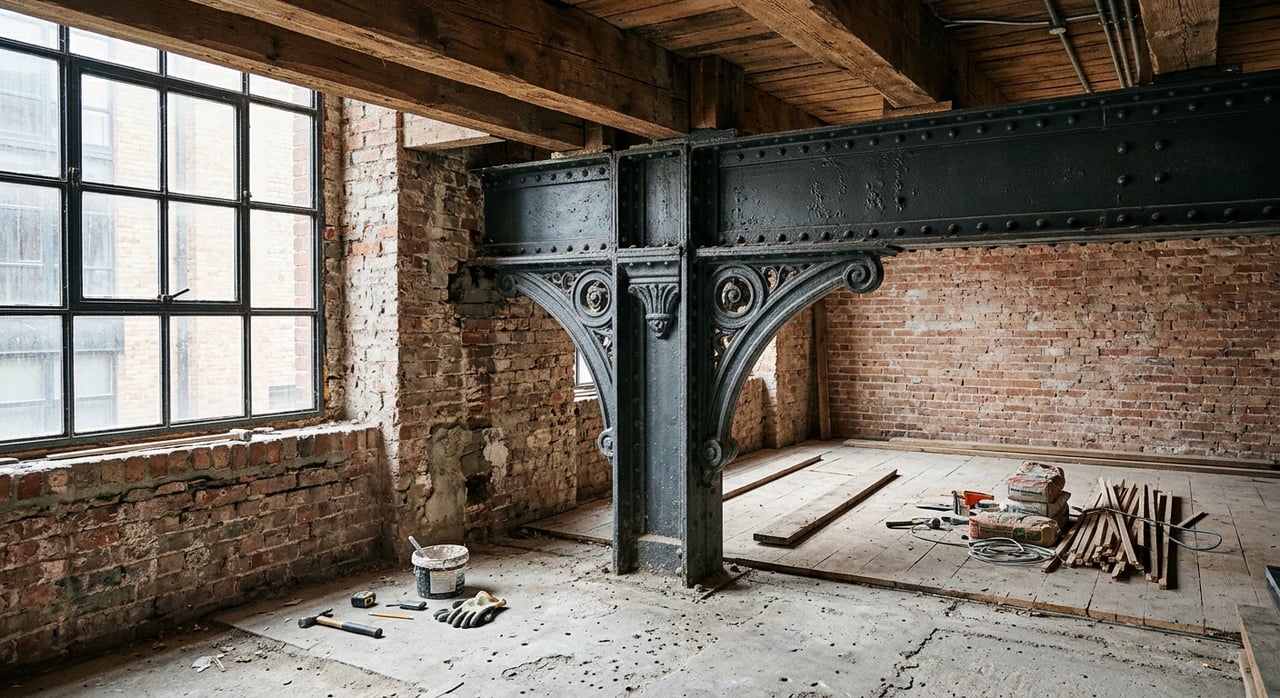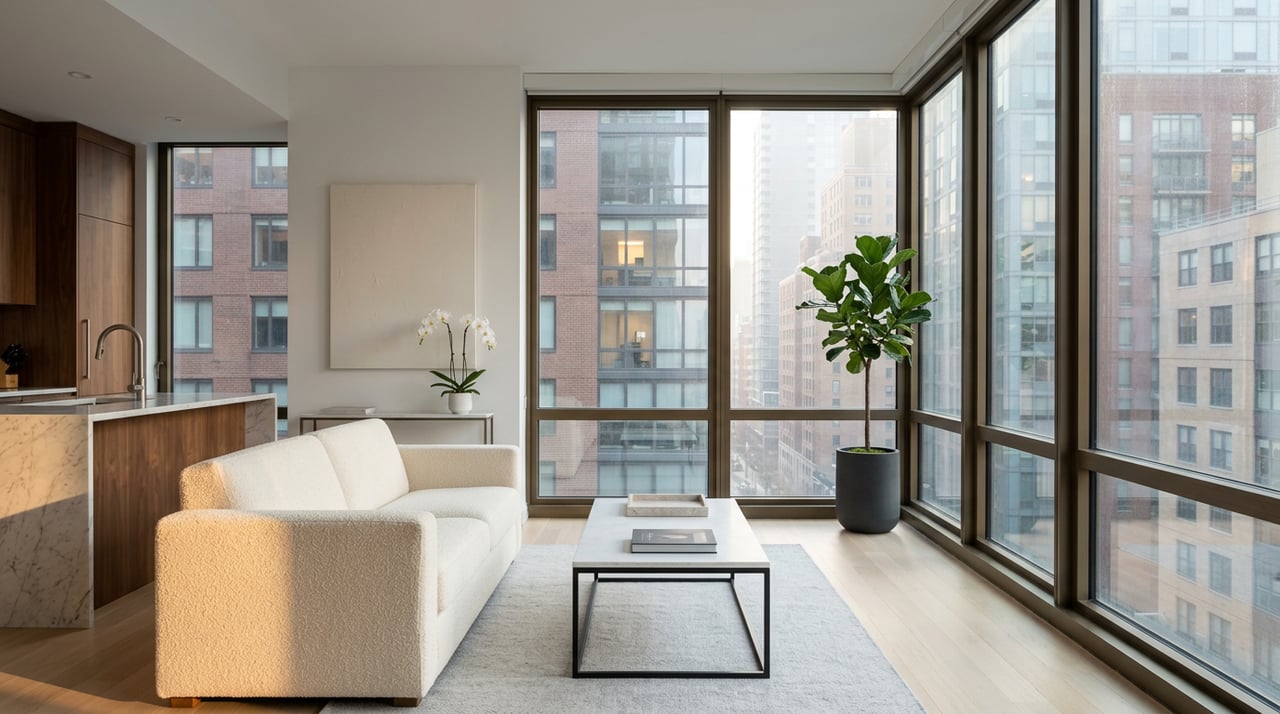
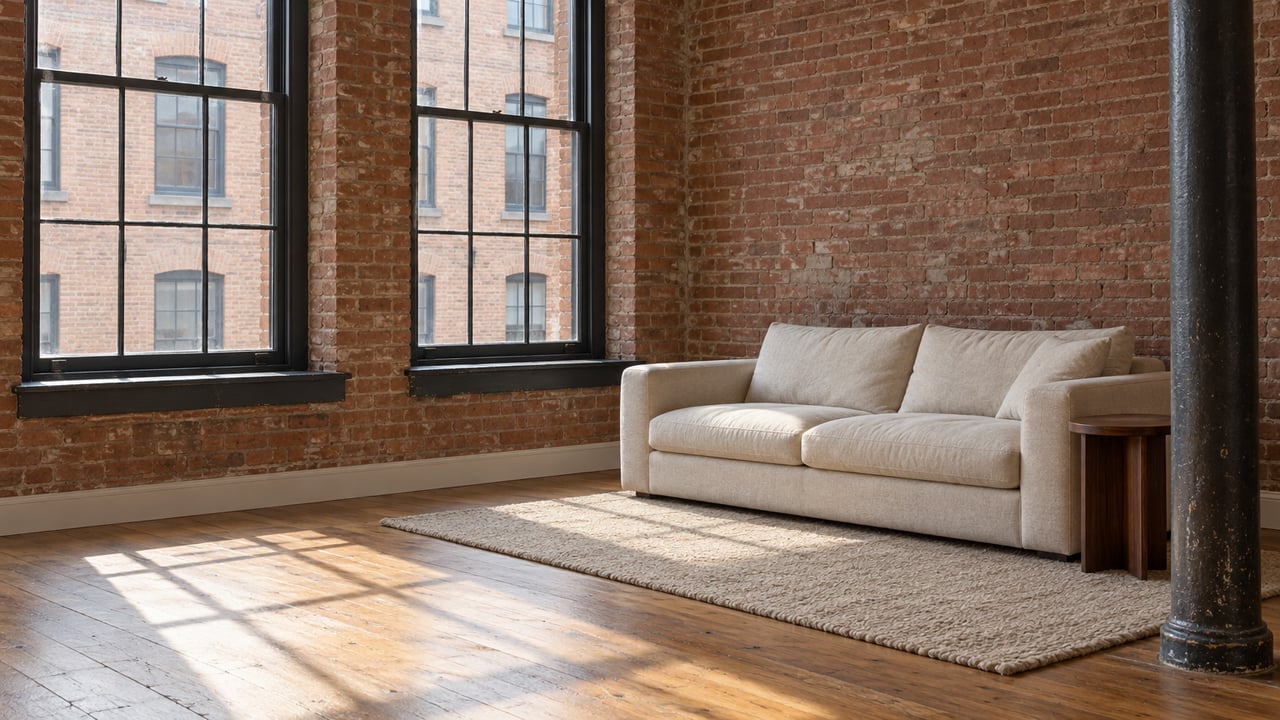
Many SoHo lofts carry a cost that is not on the listing sheet, and it depends on who buys the unit. A certified artist can move into a Joint Living-Work Quarters for Artists unit as it stands. Most other buyers can live there lawfully only after converting it to residential use, and conversion requires a one-time, nonrefundable payment into the SoHo-NoHo Arts Fund. The Zoning Resolution sets the fee per square foot and adjusts it for inflation every August 1. On a 2,500-square-foot loft, the payment comes to roughly $290,000 or more.
The building is the same and so is the asking price. Whether the buyer must convert the unit—and who pays for that conversion—can change the cost of lawful occupancy.
Who can legally live there is set by the deed, not by the current owner
The JLWQA designation was created in 1971 to legalize artists already living in SoHo's former manufacturing lofts. As the parties in the recent litigation acknowledge, the designation "runs with the property." The two amnesties since then work differently. In 1986, the City let the non-artists then occupying JLWQA units stay. In 2022, the State extended amnesty to unauthorized occupants whose residency began on or before December 15, 2021, the date of the rezoning. According to New York's Court of Appeals, both amnesties went to residents and their family successors, and "the grants of amnesty did not run with the property."
For a buyer, this is the part that matters. When a long-time owner sells, the owner's lawful status leaves with them. Anyone who takes occupancy after December 15, 2021 is still subject to the certified-artist requirement. The Department of Buildings states the result plainly. When a buyer and the people who will live in the unit do not qualify for JLWQA occupancy, the unit must be converted to unrestricted residential use before they can lawfully occupy it.
Very few buyers qualify as artists. The City estimated that by 2022, about 1,600 of the 1,636 JLWQA-designated units were occupied by households that did not comply with the use restrictions. In its Supreme Court brief, the City says it most recently certified four artists in 2025. In practice, almost every buyer of a JLWQA loft is a buyer who will need to convert.
The seller has no obligation to convert first
This is the friction that tends to surface late. The parties to the litigation stipulated that the JLWQA restrictions "limit only occupancy, and not sale." Unless buyer and seller agree otherwise, current owners "are not responsible for converting a JLWQA [unit] to residential use prior to sale," and sellers "are also not required to inquire about how a potential purchaser will comply with occupancy requirements." The City's brief makes the same point. Lawful residents do not have to convert in order to stay in their homes or sell them.
So the conversion cost goes to whichever party the contract assigns it to. If the contract says nothing, it falls on the buyer who needs the conversion. The Department of Buildings says either the seller or the buyer may pursue the conversion. That makes the fee something to negotiate, not a fixed closing cost.
A few mechanics shape that negotiation:
- Conversion is unit by unit. A conversion produces a new or amended certificate of occupancy for the building, but it does not force the other JLWQA units in the building to convert.
- Loft Law units follow a different track. Units under Loft Board jurisdiction fall outside this process and may be occupied residentially without artist certification under the applicable law. Buyers should establish which regime a unit falls under before anyone prices the conversion.
- Payment comes before the permit. The contribution has to be deposited, and the City's instruments recorded, before a conversion building permit can be filed or issued.
- The fee is only part of the cost. Owners interviewed by amNewYork in February 2026 described renovation costs to bring units up to residential code, on top of the payment.
The fee rises every August, and nothing forces anyone to pay it
The Zoning Resolution set the contribution at $100 per square foot as of December 15, 2021. It is adjusted each August 1 by the change in the Consumer Price Index for the 12 months ending June 30, and the amount owed is the rate in effect when the City receives the payment. The text sets no deadline. The Department of Buildings' conversion guidance still lists $100, but that is the base figure.
A Supreme Court amicus brief filed May 18, 2026 described the fee as "over $115.76" per square foot. That was the rate in place before the August 2026 adjustment. If we apply the June 2025 to June 2026 CPI change, as reported by FRED, to that figure, the rate after August 1, 2026 comes out near $119.85. That number is our calculation, not a published City figure, and it should be confirmed with the Department of City Planning before anyone relies on it.
| Floor area converted | At $115.76/sq ft, pre-August 2026 | At ~$119.85/sq ft, estimated current |
|---|---|---|
| 2,000 sq ft | $231,520 | ~$239,700 |
| 2,500 sq ft | $289,400 | ~$299,625 |
| 3,500 sq ft | $405,160 | ~$419,475 |
Because the fee has no deadline, an unconverted loft carries a liability that grows with inflation. Each owner who passes it along unpaid hands the next buyer a higher bill. Council Member Christopher Marte told amNewYork in February 2026 that the fee was set to rise by about 3% a year. In the same report, artists said lofts in the neighborhood often sell for $1.5 million to $4 million or more, and that the fee exceeds $250,000 for many units.
The City priced the fee against the value of converting
The City did not set the $100 base arbitrarily. Its Arts Fund analysis looked at sales from 2010 to 2020. Non-JLWQA units sold for about $189 per square foot more than JLWQA units on average and $222 more at the median. At the time, the City estimated the fee at 7.2% of average and 6.5% of median market value. The City's 2026 brief says the analysis drew on more than 800 sales, that the fee was set at roughly half the expected increase in market value, and that conversion widens the legal buyer pool.
That premium comes from a sample that ends in 2020, before the rezoning. No public analysis compares how converted and unconverted lofts have sold since then. Even so, the City's own reasoning gives buyers a framework. The gap between a converted and an unconverted loft's price should reflect both the conversion fee and the work needed to meet residential code. An unconverted loft priced like a converted one leaves the buyer paying for that gap twice. The Coalition for Fairness in SoHo and NoHo argued in 2024, as The Real Deal reported, that the fee could complicate financing and lead buyers to discount unconverted units. That is a litigant's argument, not measured evidence, and lenders should be asked directly.
The legal question is still open, and the clock keeps running
Much of the coverage that turns up in search is out of date. In December 2024, the Appellate Division declared the fee unconstitutional and blocked its enforcement. On January 13, 2026, the Court of Appeals reversed that ruling 6–1 and restored the fee. Writing for the majority, Judge Jenny Rivera called conversion "the opportunity to relinquish one form of property to acquire another, in exchange for a monetary payment to an arts fund," and held that this is not a taking. Judge Michael Garcia dissented, writing that the City "may not use the permitting process to force petitioners to host Shakespeare in their loft, nor to fund Shakespeare in the Park."
The Coalition then filed a petition with the U.S. Supreme Court, docketed as No. 25-1187. Here is the sequence on the docket:
- April 13, 2026: Petition filed.
- May 19: The City waives its right to respond.
- June 2: The Court requests a response anyway.
- August 3: The City files its opposition.
- August 17: Petitioners reply.
- August 19: The case is distributed for the September 28 conference.
- September 24: The case is rescheduled.
As of October 4, 2026, the petition is still pending.
Relief is not likely to come from the City Council soon either. In February 2026, Marte said he was looking at Council options, including a bill that would eliminate the fee or lower it to a "negligible" amount, and planned to consult the community and colleagues on what to introduce. His list of introductions for the 2026–2029 session includes no bill on JLWQA conversion or the Arts Fund.
For a buyer under contract this fall, the fee is enforceable, it rises each August, and it is owed at whatever rate is in effect when the City receives payment. Timing questions belong in a conversation with real estate counsel, not in a guess.
Questions to settle before signing
- Is the unit designated JLWQA, covered by the Loft Law, or already residential on the certificate of occupancy?
- Does the seller qualify under either amnesty, and has the seller agreed to convert, or to give a credit, before closing?
- What is the current per-square-foot rate, and how many square feet of floor area would be converted?
- What residential-code work would conversion require beyond the fee?
- How do the lender and, where relevant, the building treat an unconverted unit?
FAQ
Can a non-artist buy a JLWQA loft? Yes. The restrictions limit who may occupy the unit, not who may buy it. A non-artist buyer generally needs a conversion before moving in.
Is there a deadline to convert? No. The Zoning Resolution sets no deadline, but the rate is recalculated every August 1.
Where does the money go? The Department of Cultural Affairs oversees the Arts Fund, which awards competitive grants to artists and cultural organizations, including some outside the rezoned district in Lower Manhattan.
When a SoHo loft is on your shortlist, Luca Paci can model what conversion would cost on that specific unit and build it into your offer before contract. Request a discreet consultation.
This article is general information, not legal, tax or financial advice. Consult a qualified professional about your situation.